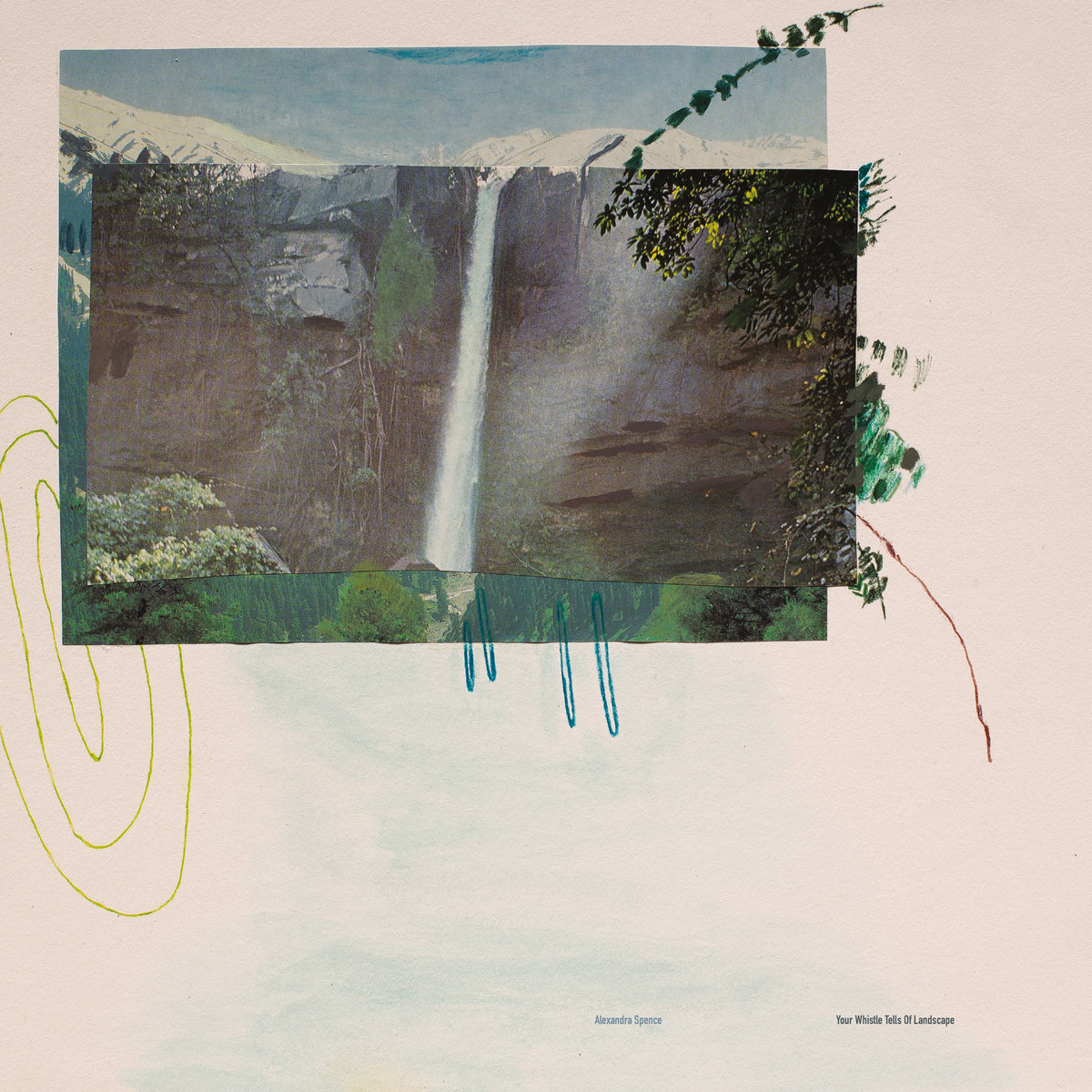
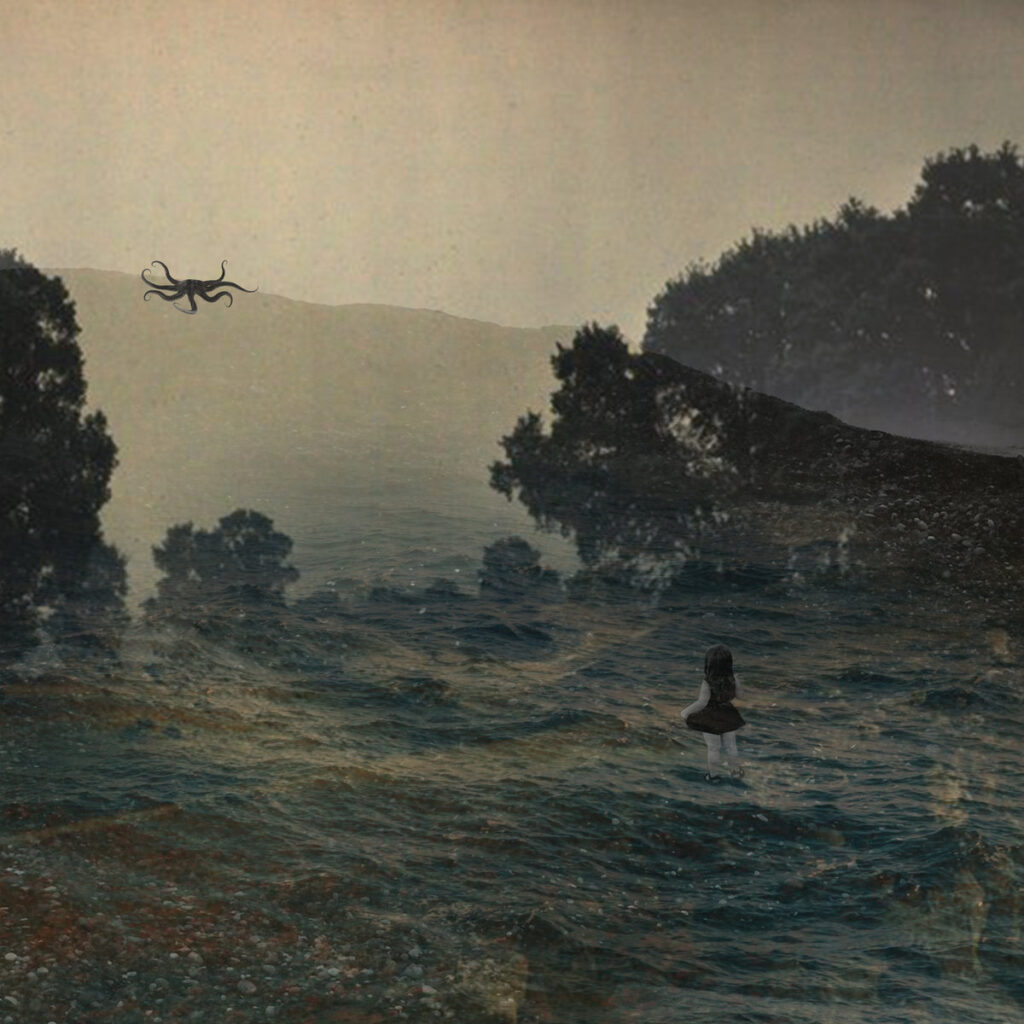
Sounds hover and murmur at the edge of perception, like listening from within water or tall grass. The music feels both grounded and drifting, tracing an imagined terrain where memory, landscape, and myth overlap.
Developed over three years across residencies, tours, and periods of deep listening, Your Whistle Tells of Landscape finds Australian sound artist Alexandra Spence continuing her investigations into the perceptual entanglements of sound, place, memory, and imagination. Like much of her work, it unfolds at the liminal edge between the real and the imagined, between what is heard and what is remembered.
Composed from a constellation of materials gathered across sites and seasons, including snowscapes recorded in Vancouver, insect choruses from a Sydney backyard, and ceramic fragments unearthed while mudlarking with tinysound, the album renders an intimate cartography of experience shaped equally by ecological resonance and internal drift. Each piece traces a kind of imaginary geography, where sonic ephemera become proxies for topography, weather, or myth.
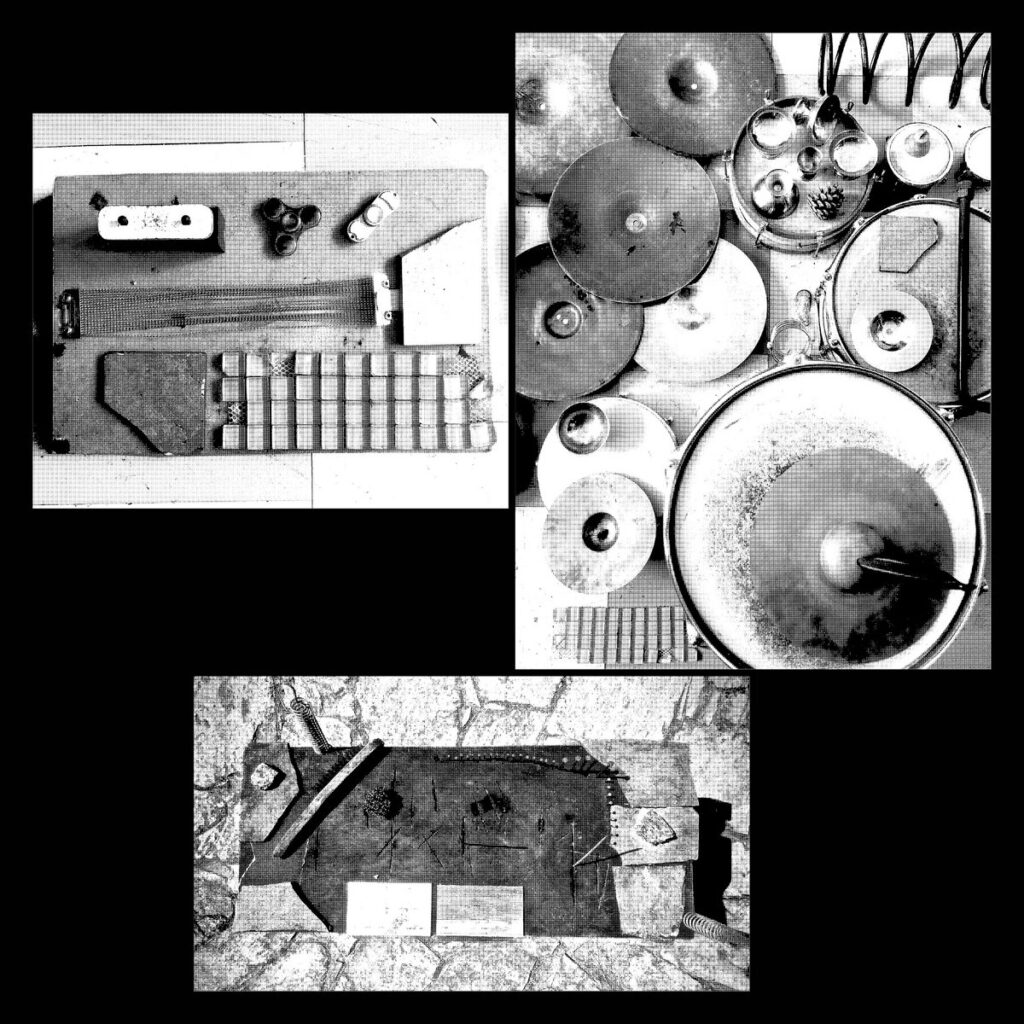
The album is informed by time spent at EMS in Stockholm and MESS in Melbourne, where Spence deepened her engagement with microtonality and tuned feedback systems, as well as by dialogues with artists such as Tashi Wada and Patrick Farmer. Sound materials were sourced from Serge Modular systems, a custom lyre built by Tim Wall, amplified objects, handmade electronics, and Spence’s own field recordings captured within rockpools, beneath sand, and among a flock of sheep in the French Pyrenees. On “Magenta,” a collaboration with Delphine Dora, the domestic and the mythic intertwine as layers of voice, environmental recordings, and Halldorophone feedback drift in and out of one another like overlapping weather systems.
Despite its diverse material palette, the album resists spectacle or accumulation. Instead, it moves with a quiet sense of continuity and rich interiority, less a sequence of compositions than a set of situated attunements. Across its duration, sounds murmur, glint, or hover at the edge of presence, invoking a listening practice that is as much about orientation as it is about reception. These are pieces not simply about place, but of place, etched with the grains of time, vibration, and breath.