The Bloody Lady

€28,00

only 4 left

about the record

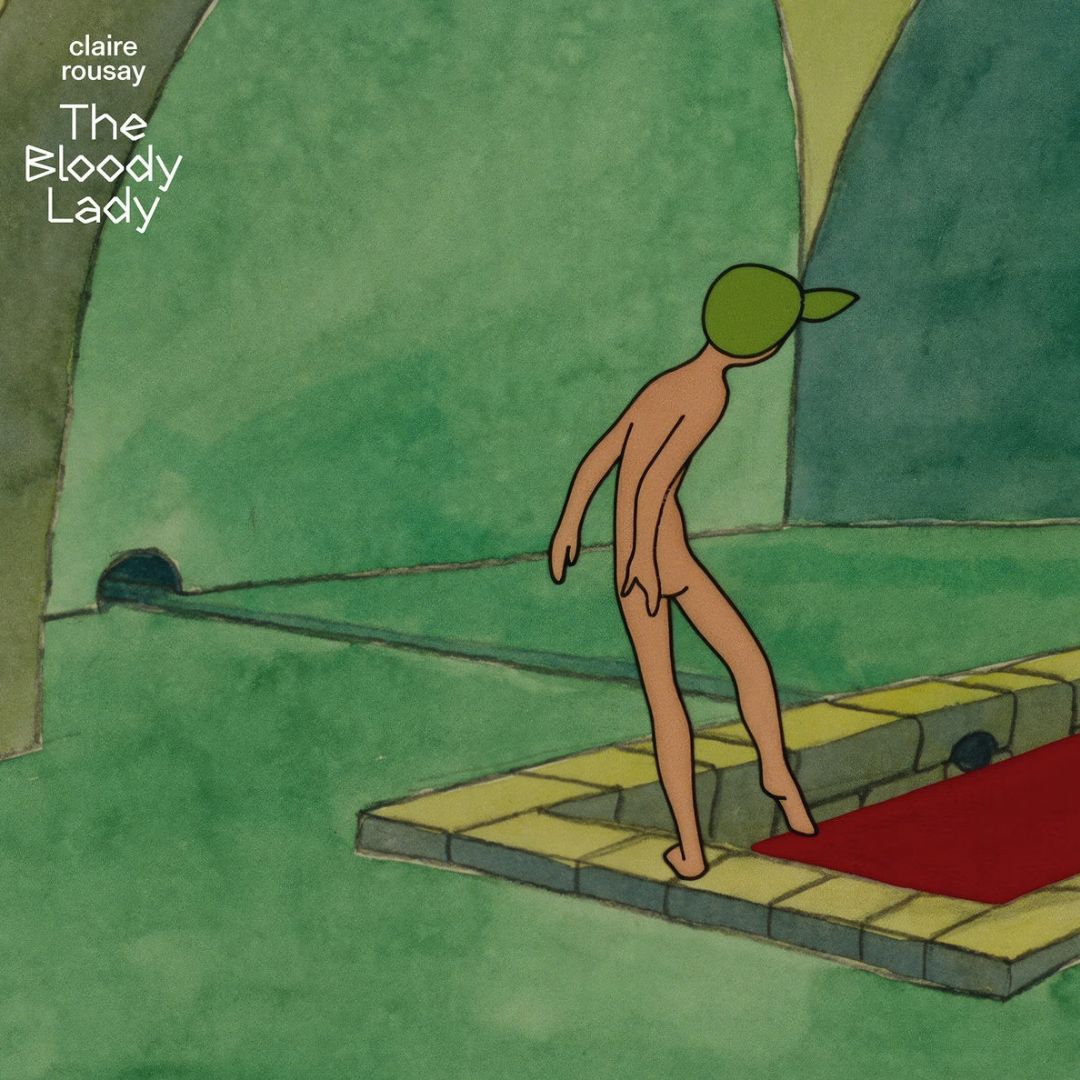
Based on the lurid folk tale of Elisabeth Báthory (1560–1614), Viktor Kubal’s 1980 Slovak animated film The Bloody Lady follows the story of a Slovak noblewoman accused of murdering hundreds of girls and women. Her murderous motive: hoping to remain eternally young, she allegedly bathed in their blood. The film begins like a classic Disney fairy tale, but it soon takes a dark turn toward tragedy.

Central to both the film and claire rousay’s score is the heart and its rhythmic pulse. “The actions surrounding the heart are pivotal in the film, and along with its heartbeat they formed the initial pulse of the score,” she says. Much like the story itself, her compositions are whimsical, with subtle hints of looming menace. As this underlying tension lingers in the background, the score incorporates everyday sounds and nature recordings to evoke an ethereal yet unsettling atmosphere. To create these emotive textures, claire rousay primarily relied on a blend of granular VST synths, piano, pitched-down violin, and an array of field recordings.

In a twist of serendipity, she had been traveling around Hungary and had actually visited the castle of Elisabeth Báthory a full year before being commissioned to work on the new score. She had made some field recordings there, both in the forests and around the site, and randomly recorded the ambience in a local bar. All these sounds have found their way as foliage into the live soundtrack. “A coincidence I couldn’t have dreamed up, even if I wanted to,” she says.

What stood out most in the film for her was its multilayered nature. “On the surface, it presents a literal, fairytale-like narrative, but the deeper you go, the more subtle details emerge,” she explains. It made her question the malleable ethics of the characters. “While their actions seem intentionally straightforward, the perception of right and wrong becomes skewed when viewed from different perspectives. Being submerged in this world allowed me to experience the story from within and engage with the characters and plot from multiple angles.”

Developed into an 11-track album, The Bloody Lady features alternating themes that evoke the film’s atmosphere while standing on their own as a distinct sonic work. Her approach mirrors Viktor Kubal’s “less is more” philosophy, leaving ample space in the soundtrack for listeners to interpret and fill in the gaps. Her delicate melodic sensibility and meticulous attention to detail shed new light on the film, making viewers notice details they might have otherwise missed.


  1. 1 - i 00:56
  2. 2 - ii 04:24
  3. 3 - iii 04:08
  4. 4 - iv 00:54
  5. 5 - v 08:24
  6. 6 - vi 02:24
  7. 7 - vii 02:22
  8. 8 - viii 03:30
  9. 9 - ix 03:18
  10. 10 - x 03:14
  11. 11 - xi 01:36
The Bloody Lady

€28,00

only 4 left

  1. 1 - i 00:56
  2. 2 - ii 04:24
  3. 3 - iii 04:08
  4. 4 - iv 00:54
  5. 5 - v 08:24
  6. 6 - vi 02:24
  7. 7 - vii 02:22
  8. 8 - viii 03:30
  9. 9 - ix 03:18
  10. 10 - x 03:14
  11. 11 - xi 01:36

about the record

Based on the lurid folk tale of Elisabeth Báthory (1560–1614), Viktor Kubal’s 1980 Slovak animated film The Bloody Lady follows the story of a Slovak noblewoman accused of murdering hundreds of girls and women. Her murderous motive: hoping to remain eternally young, she allegedly bathed in their blood. The film begins like a classic Disney fairy tale, but it soon takes a dark turn toward tragedy.

Central to both the film and claire rousay’s score is the heart and its rhythmic pulse. “The actions surrounding the heart are pivotal in the film, and along with its heartbeat they formed the initial pulse of the score,” she says. Much like the story itself, her compositions are whimsical, with subtle hints of looming menace. As this underlying tension lingers in the background, the score incorporates everyday sounds and nature recordings to evoke an ethereal yet unsettling atmosphere. To create these emotive textures, claire rousay primarily relied on a blend of granular VST synths, piano, pitched-down violin, and an array of field recordings.

In a twist of serendipity, she had been traveling around Hungary and had actually visited the castle of Elisabeth Báthory a full year before being commissioned to work on the new score. She had made some field recordings there, both in the forests and around the site, and randomly recorded the ambience in a local bar. All these sounds have found their way as foliage into the live soundtrack. “A coincidence I couldn’t have dreamed up, even if I wanted to,” she says.

What stood out most in the film for her was its multilayered nature. “On the surface, it presents a literal, fairytale-like narrative, but the deeper you go, the more subtle details emerge,” she explains. It made her question the malleable ethics of the characters. “While their actions seem intentionally straightforward, the perception of right and wrong becomes skewed when viewed from different perspectives. Being submerged in this world allowed me to experience the story from within and engage with the characters and plot from multiple angles.”

Developed into an 11-track album, The Bloody Lady features alternating themes that evoke the film’s atmosphere while standing on their own as a distinct sonic work. Her approach mirrors Viktor Kubal’s “less is more” philosophy, leaving ample space in the soundtrack for listeners to interpret and fill in the gaps. Her delicate melodic sensibility and meticulous attention to detail shed new light on the film, making viewers notice details they might have otherwise missed.

fits in the mood

sign up to our newsletter

follow along for new arrivals, upcoming events, and the occasional rumination.