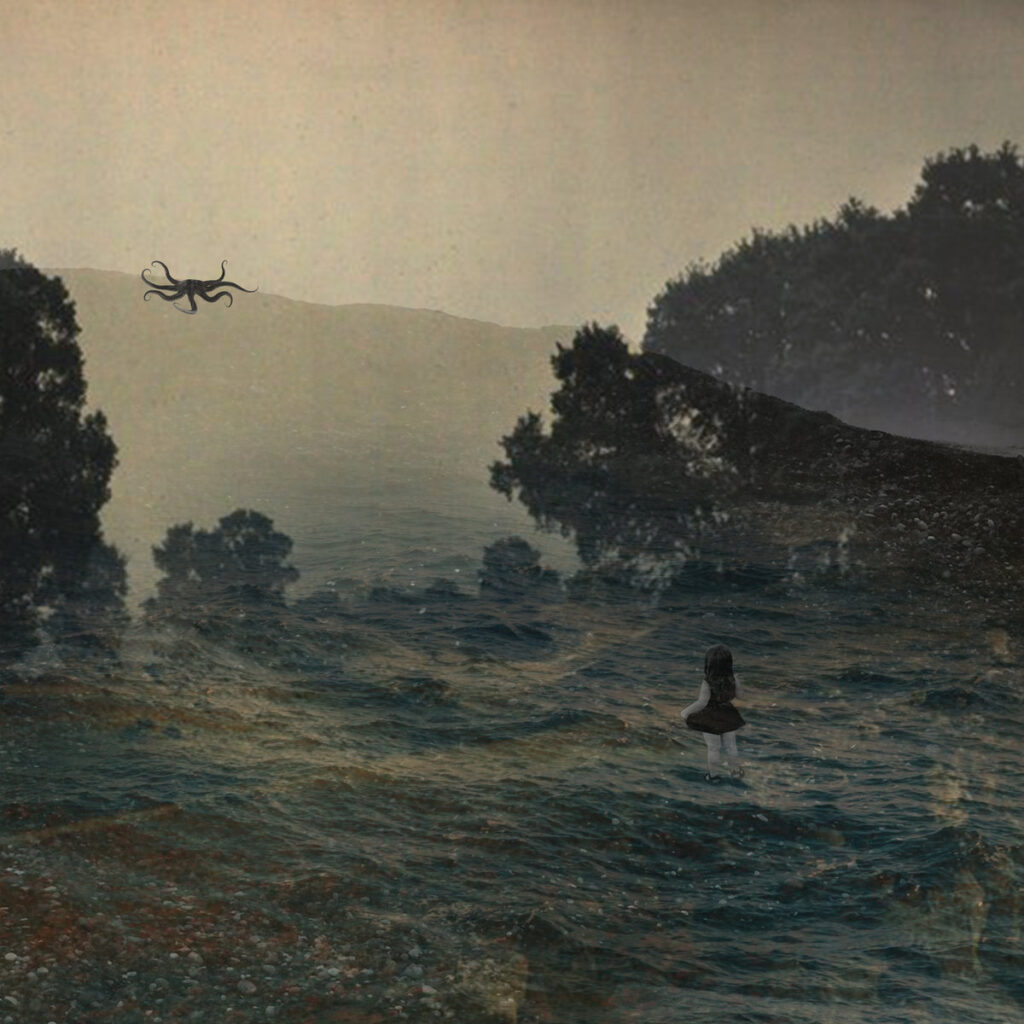
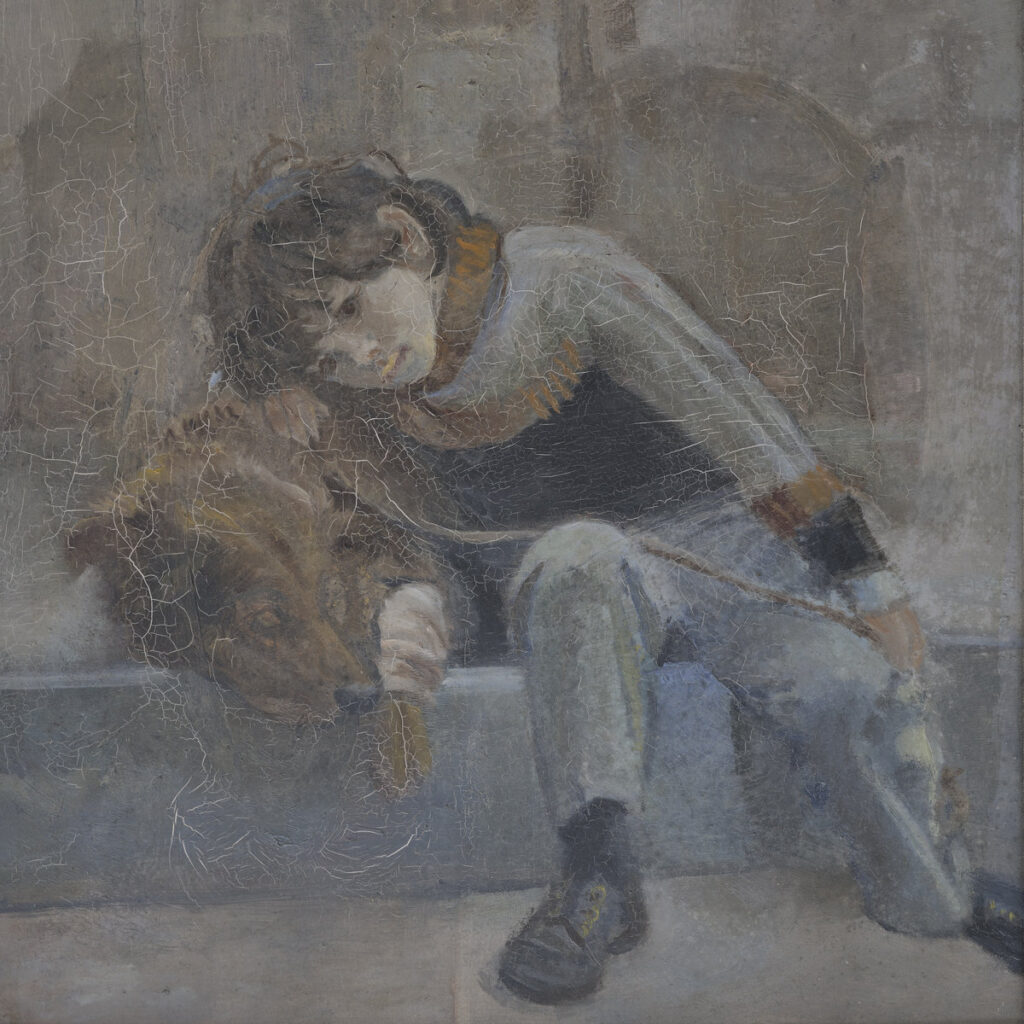
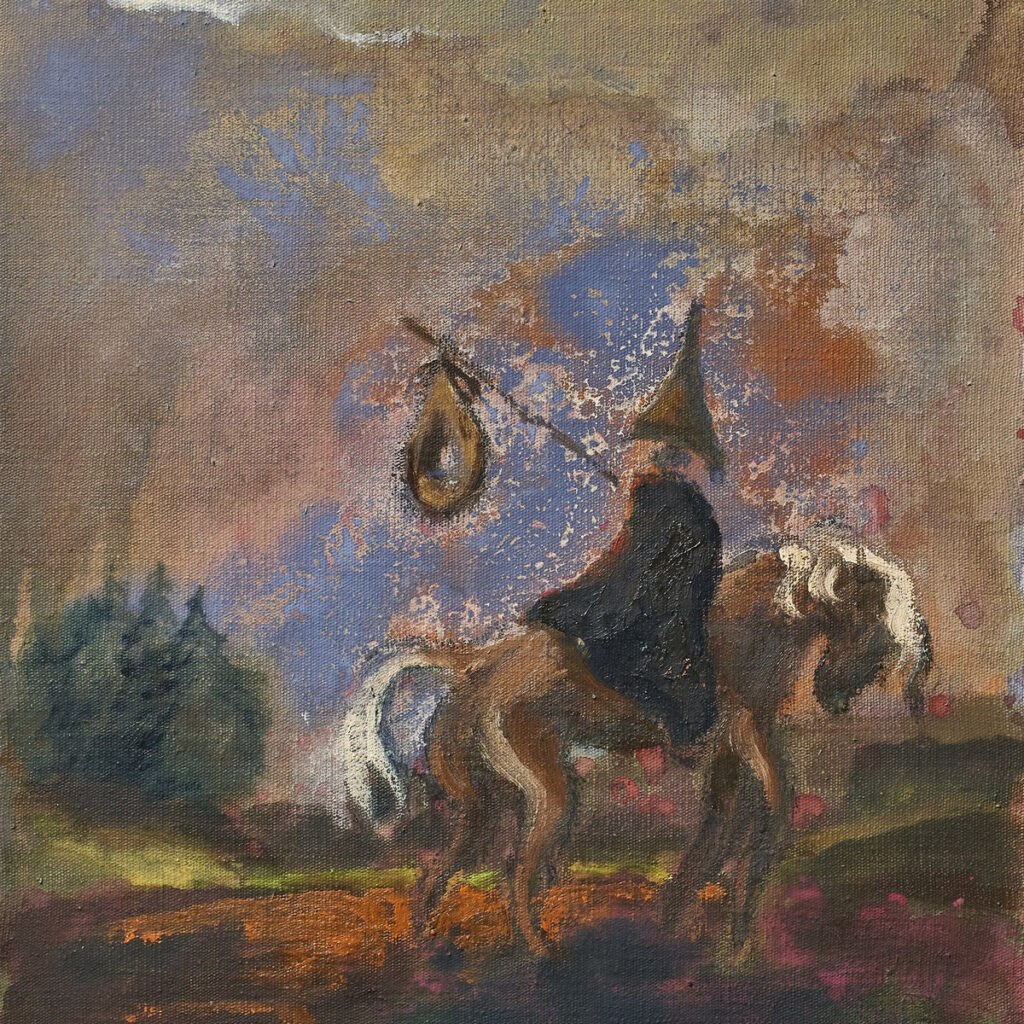
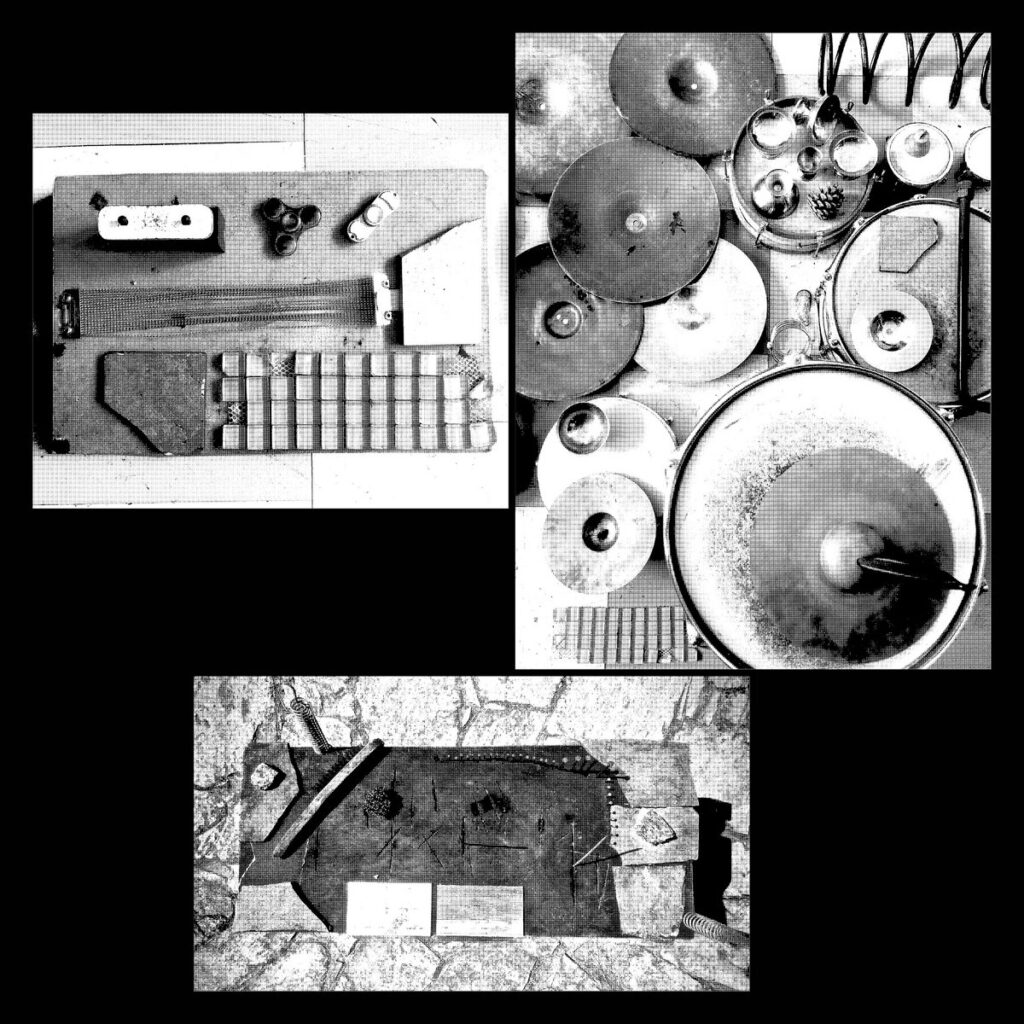
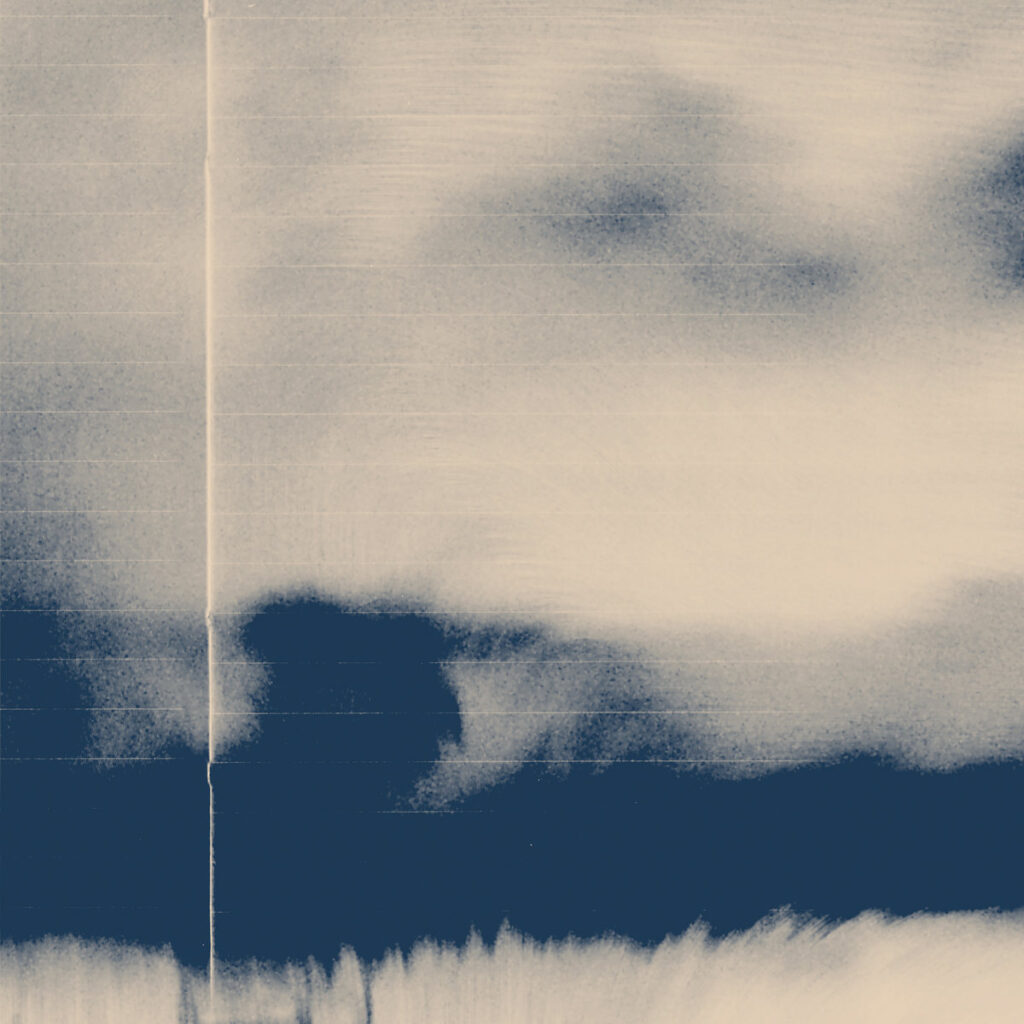
Artist and founder of Anticipate Recordings and the Microcosm label, Ezekiel Honig returns with Unmapping the Distance Keeps Getting Closer, an album of stark, often dark, and vulnerable music. He describes the work in the context of listening while walking through the city and then the forest. While this may seem like a placid activity, there is an underlying sense of unease created by distorted and fragmented sounds. Piano, horns, and broken rhythms form the sonic palette; however, these elements do not present themselves with clarity or definition, instead emerging through the pulling apart and reconstruction of spectral fragments. The sonic origins—analog, digital, or acoustic—remain unclear: unmapping, remapping, and unexpected.
Throughout his discography, Honig has frequently employed field recordings as a strong narrative component within his compositions, using them to evoke a sense of place—either abstractly to establish mood or as a deliberate conceptual connection to the work’s themes. Unmapping continues this tradition with a more textural and tactile focus. Place is strongly felt throughout the album, yet the location remains unknown, and the journey is melancholic, if gently hopeful, as though a destination is being sought.