Akari

12,00

only 5 left

about the cd

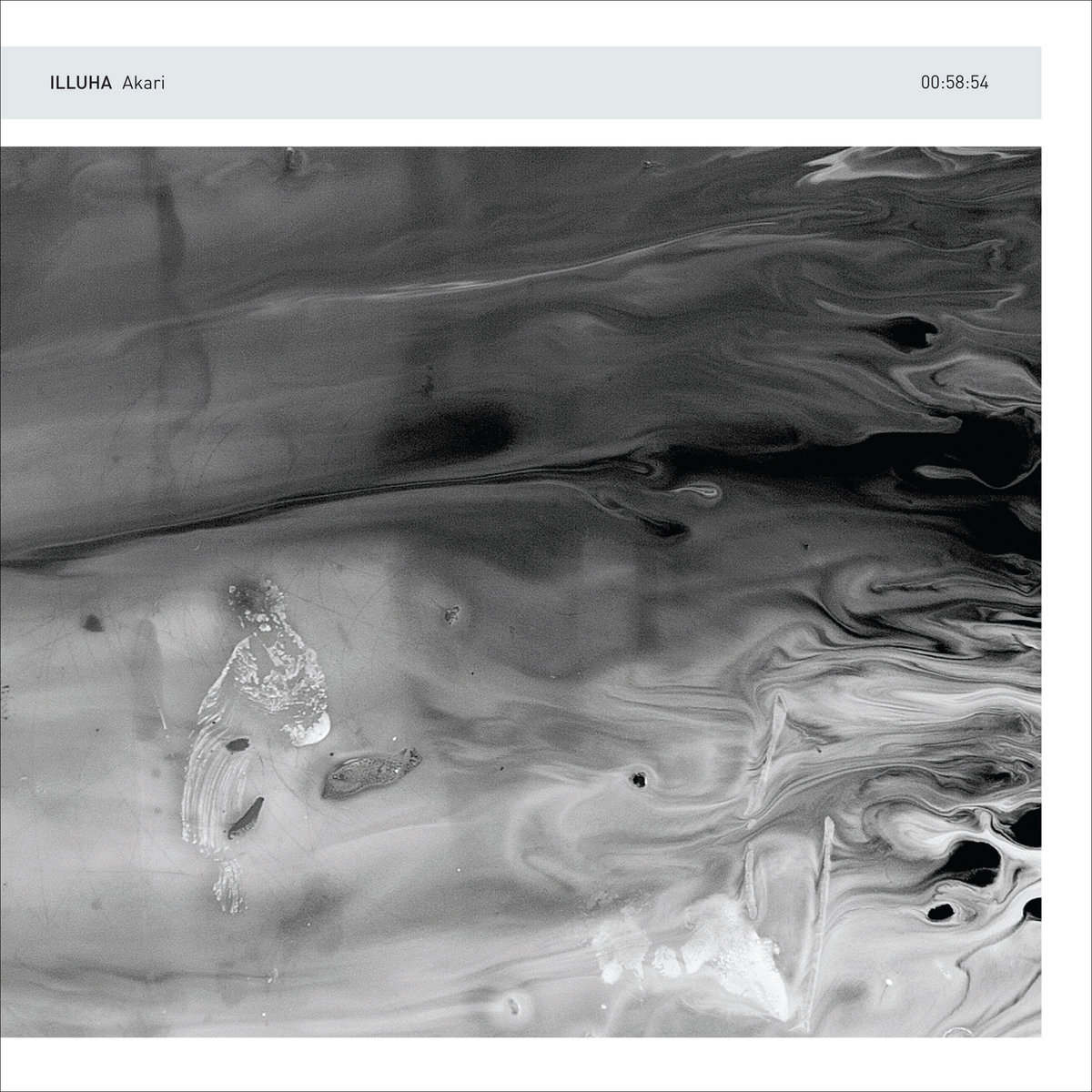
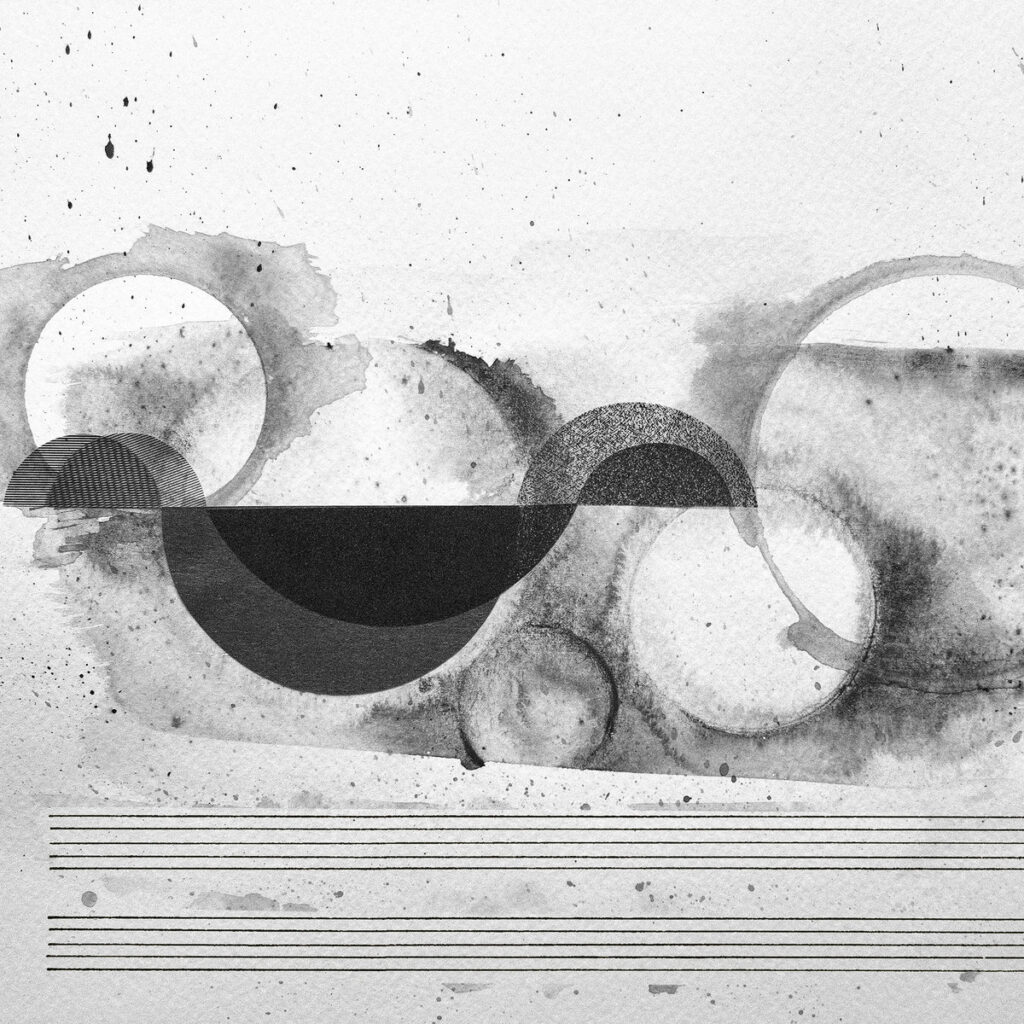
Akari is the third album from Tokyo duo Illuha, and their first studio album recorded and mixed together throughout the entire process. Their writing sessions were numerous and long, with details meticulously refined over nearly a year. The result is the most bewildering music Illuha has created to date—an album teeming with delicately tactile sounds and instrumentation that draws the listener in with hushed, motionless attention.

While Illuha’s Corey Fuller and Tomoyoshi Date are often drawn to the sparse notes of Rhodes and Wurlitzer electric pianos, acoustic grand piano, and guitar, the breadth of instrumentation is part of what makes Akari so absorbing. They have succeeded in creating their own universe of sound, beautifully recorded, where each element not only occupies its own space but interacts fluidly with the others. It is as if each sound is placed perfectly by nature; the compositions are fluid and organic, a far cry from anything calculated or structured. It is this open space that the music inhabits which, in turn, defines it. There is ample room to breathe within this forest of gentle tines, bubbling analog synthesizers, clicking percussion, and quiet field recordings. This is subtlety at its most refined: hushed without being saccharine, distant without being morose.

Akari is the Japanese word for “light.” Conceptually, the duo used this word as a guide, as if searching through the dark, trying to keep the light alive—cradling a candle and doing everything possible to keep it alight in a storm. It is this almost visceral sense of sheltering, of protection, that gives Akari a deeply human and personal sound, whose intensely focused attention is as impressive as it is arresting.


  1. 1 - Diagrams Of The Physical Interpretation Of Resonance 17:14
  2. 2 - Vertical Staves Of Line Drawings And Pointillism 12:12
  3. 3 - The Relationship Of Gravity To The Persistence Of Sound 12:47
  4. 4 - Structures Based On The Plasticity Of Sphere Surface Tension 07:41
  5. 5 - Requiem For Relative Hyperbolas Of Amplified And Decaying Waveforms 08:56
Akari

12,00

only 5 left

  1. 1 - Diagrams Of The Physical Interpretation Of Resonance 17:14
  2. 2 - Vertical Staves Of Line Drawings And Pointillism 12:12
  3. 3 - The Relationship Of Gravity To The Persistence Of Sound 12:47
  4. 4 - Structures Based On The Plasticity Of Sphere Surface Tension 07:41
  5. 5 - Requiem For Relative Hyperbolas Of Amplified And Decaying Waveforms 08:56

about the cd

Akari is the third album from Tokyo duo Illuha, and their first studio album recorded and mixed together throughout the entire process. Their writing sessions were numerous and long, with details meticulously refined over nearly a year. The result is the most bewildering music Illuha has created to date—an album teeming with delicately tactile sounds and instrumentation that draws the listener in with hushed, motionless attention.

While Illuha’s Corey Fuller and Tomoyoshi Date are often drawn to the sparse notes of Rhodes and Wurlitzer electric pianos, acoustic grand piano, and guitar, the breadth of instrumentation is part of what makes Akari so absorbing. They have succeeded in creating their own universe of sound, beautifully recorded, where each element not only occupies its own space but interacts fluidly with the others. It is as if each sound is placed perfectly by nature; the compositions are fluid and organic, a far cry from anything calculated or structured. It is this open space that the music inhabits which, in turn, defines it. There is ample room to breathe within this forest of gentle tines, bubbling analog synthesizers, clicking percussion, and quiet field recordings. This is subtlety at its most refined: hushed without being saccharine, distant without being morose.

Akari is the Japanese word for “light.” Conceptually, the duo used this word as a guide, as if searching through the dark, trying to keep the light alive—cradling a candle and doing everything possible to keep it alight in a storm. It is this almost visceral sense of sheltering, of protection, that gives Akari a deeply human and personal sound, whose intensely focused attention is as impressive as it is arresting.

fits in the mood

more by 12k

see more

sign up to our newsletter

we write about records, events, and other small discoveries.