Treatise by Cornelius Cardew

12,00

in stock

about the cd

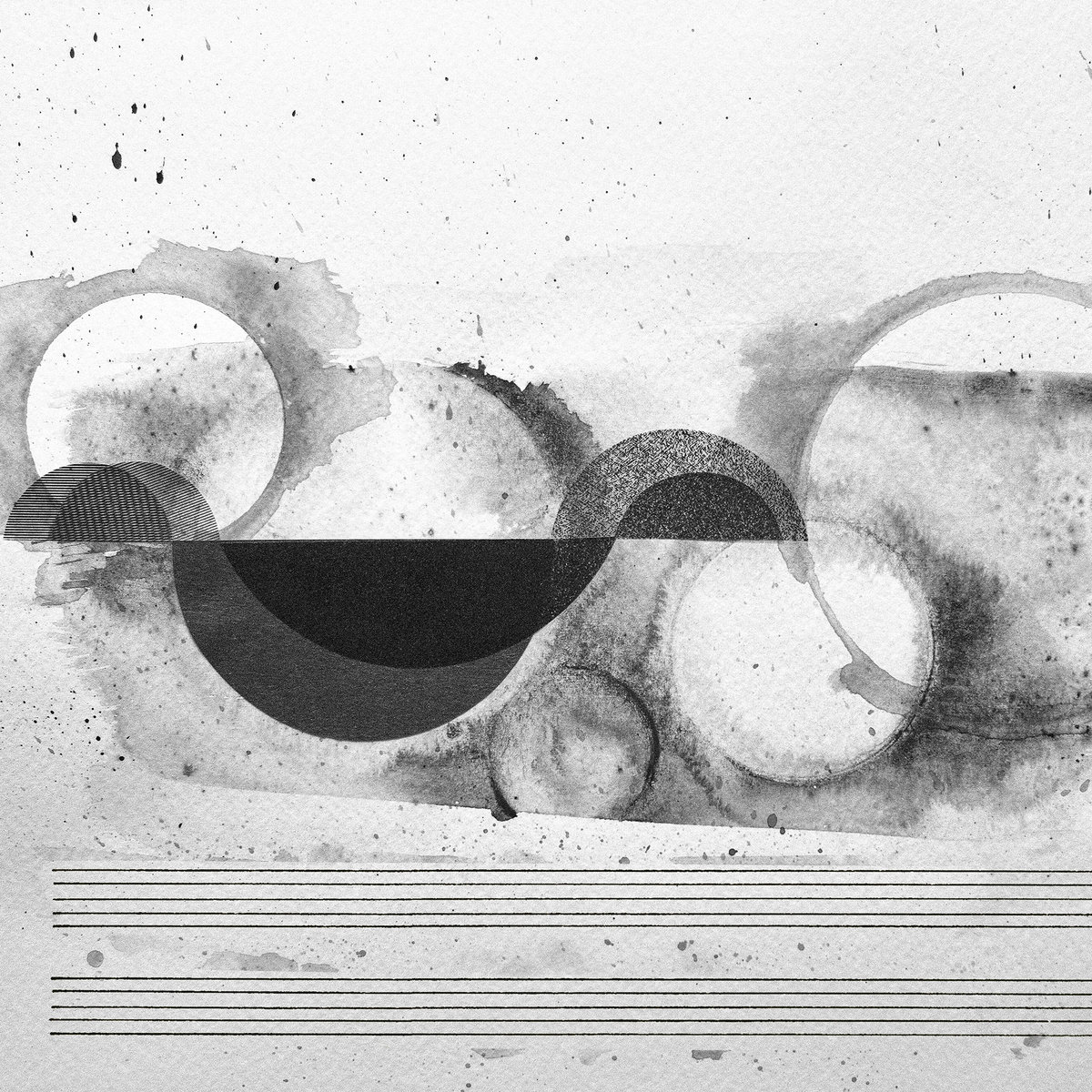
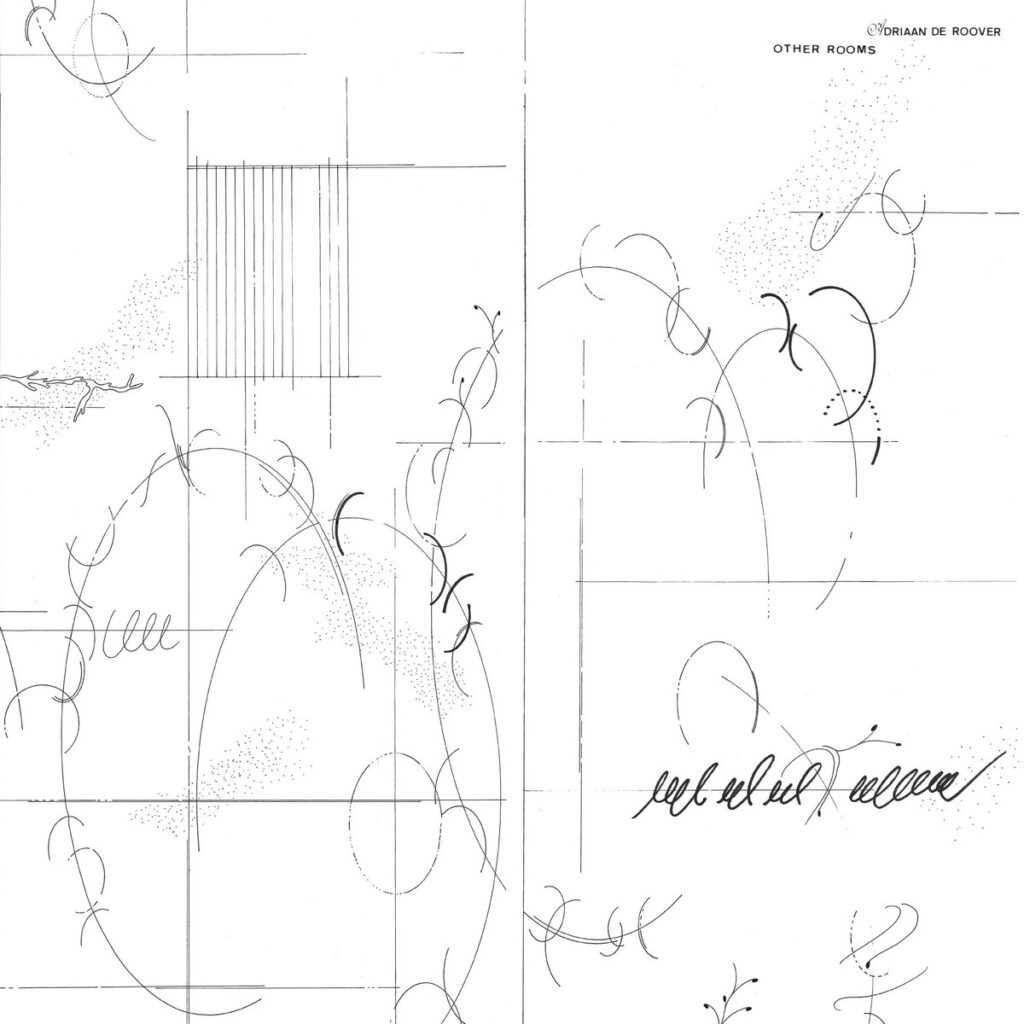
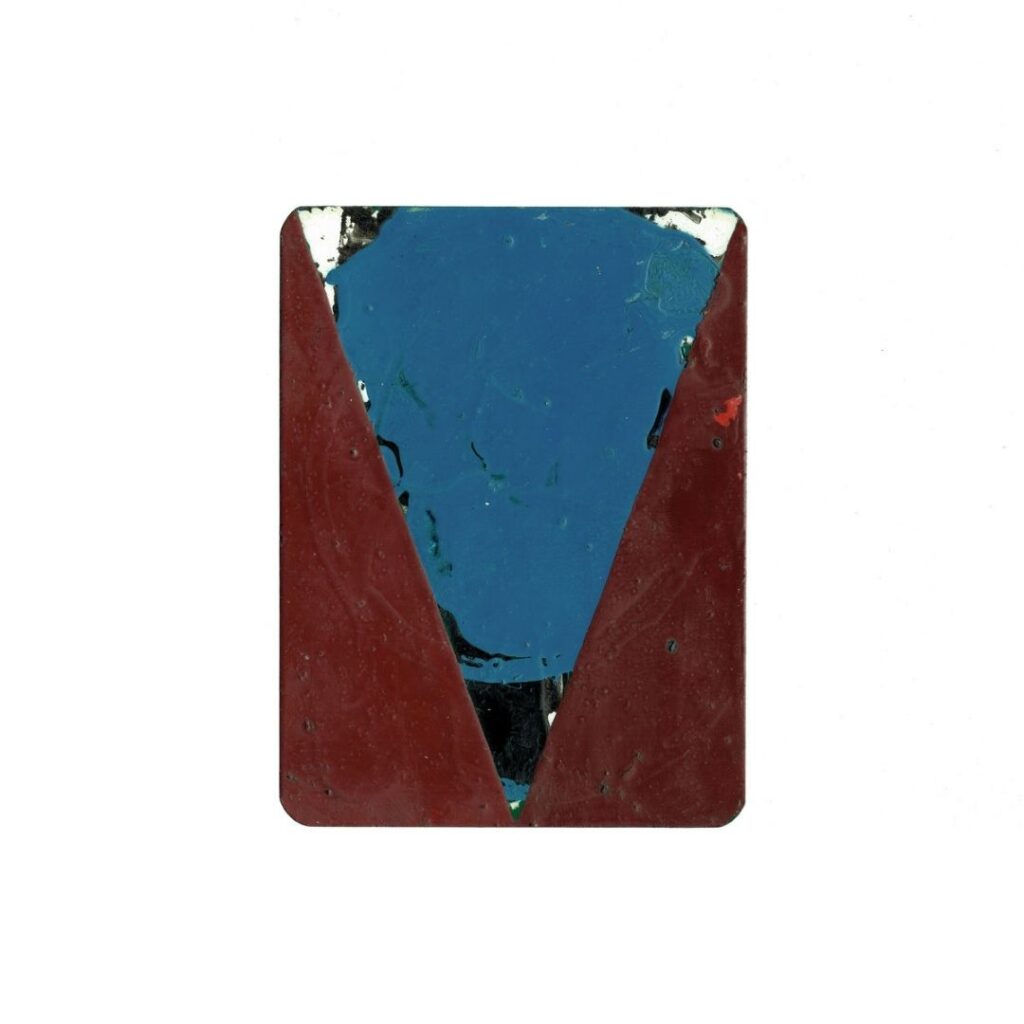
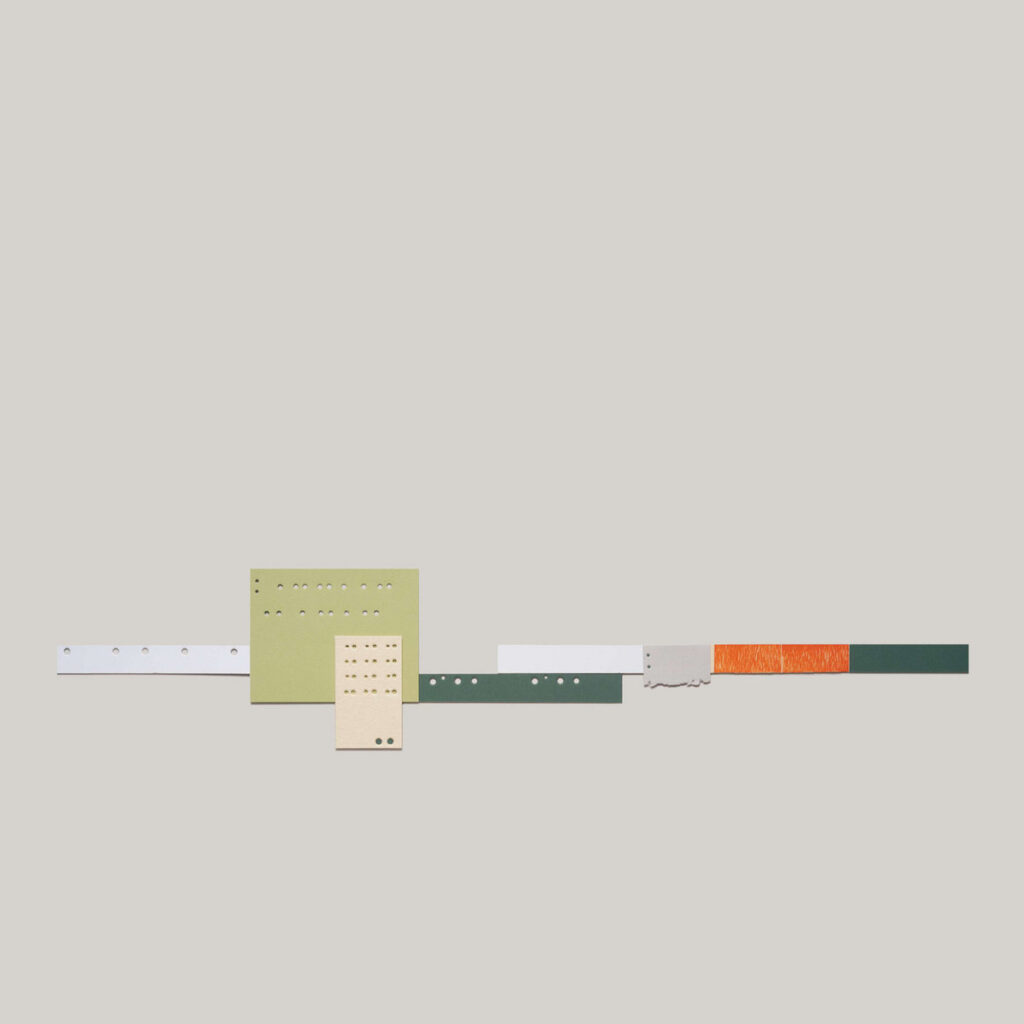
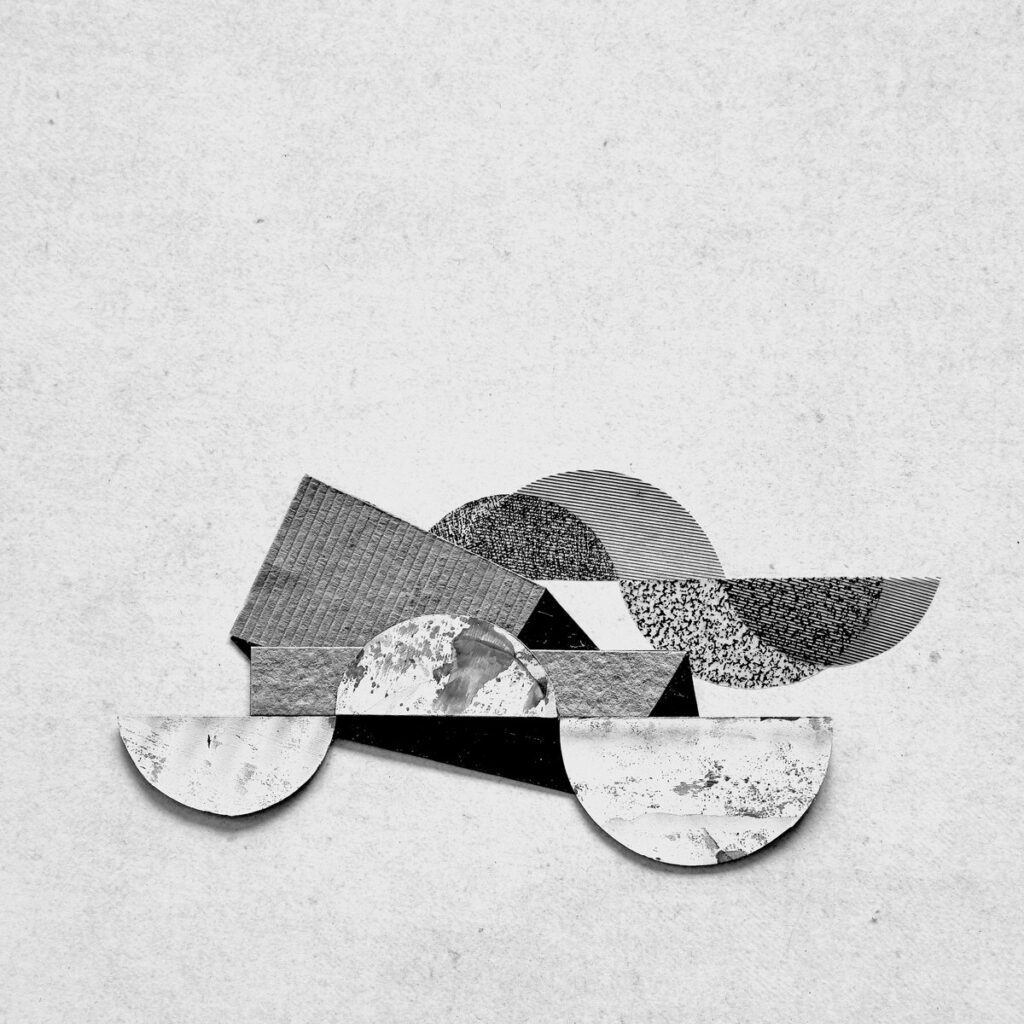
For this collection of live performances, Larum approached Treatise not merely as a score, but as a piece of visual art—an abstract landscape of raw graphic beauty. Joined by Taylor Deupree, the duo translated it into sound using their instruments, while also engaging with the seminal work on its own terms.

In studying Cornelius Cardew’s notes and his Treatise Handbook, it becomes clear that he did not intend the piece to be an open-ended free-for-all; rather, he encouraged performers to develop a personal yet logical approach. Larum devised a method for performance: each piece begins at the score’s consistent center line, treated as a timeline. From this anchor, waypoints where the geometry converges are identified, providing moments for the performers to meet on a predetermined harmony. The surrounding geometric forms are interpreted as cues for dynamics, density, and instrumental voicing—allowing the abstract visuals of the score to shape the arc and texture of each performance.


  1. 1 - Treatise 3 (Live at Public Records) 11:16
  2. 2 - Treatise 45 (Live at Public Records) 15:10
  3. 3 - Treatise 76 (Live at Public Records) 08:17
  4. 4 - Treatise 3 (Live at New Ear Festival) 13:01
  5. 5 - Treatise 45 (Live at New Ear Festival) 11:42
  6. 6 - Treatise 76 (Live at New Ear Festival) 13:12
Treatise by Cornelius Cardew

12,00

in stock

  1. 1 - Treatise 3 (Live at Public Records) 11:16
  2. 2 - Treatise 45 (Live at Public Records) 15:10
  3. 3 - Treatise 76 (Live at Public Records) 08:17
  4. 4 - Treatise 3 (Live at New Ear Festival) 13:01
  5. 5 - Treatise 45 (Live at New Ear Festival) 11:42
  6. 6 - Treatise 76 (Live at New Ear Festival) 13:12

about the cd

For this collection of live performances, Larum approached Treatise not merely as a score, but as a piece of visual art—an abstract landscape of raw graphic beauty. Joined by Taylor Deupree, the duo translated it into sound using their instruments, while also engaging with the seminal work on its own terms.

In studying Cornelius Cardew’s notes and his Treatise Handbook, it becomes clear that he did not intend the piece to be an open-ended free-for-all; rather, he encouraged performers to develop a personal yet logical approach. Larum devised a method for performance: each piece begins at the score’s consistent center line, treated as a timeline. From this anchor, waypoints where the geometry converges are identified, providing moments for the performers to meet on a predetermined harmony. The surrounding geometric forms are interpreted as cues for dynamics, density, and instrumental voicing—allowing the abstract visuals of the score to shape the arc and texture of each performance.

fits in the mood

more by 12k

see more

sign up to our newsletter

we write about records, events, and other small discoveries.