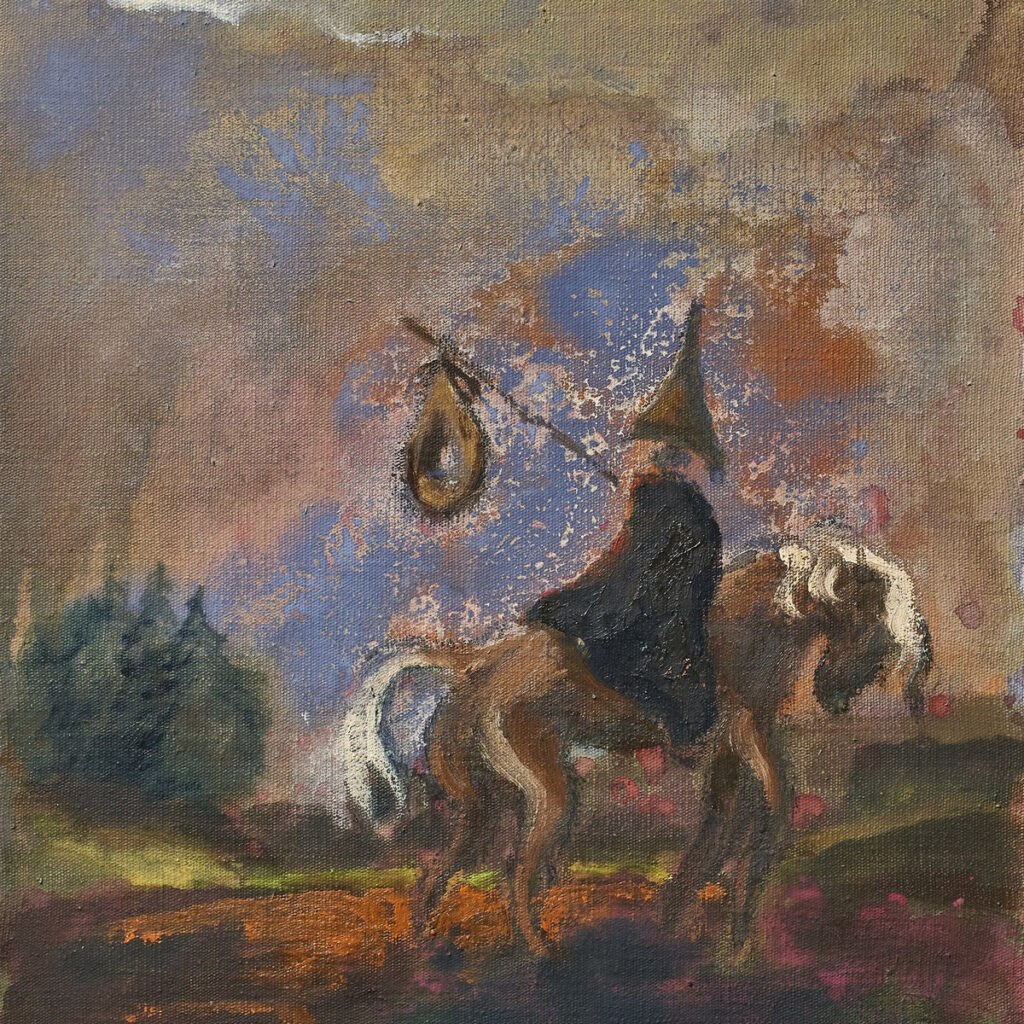
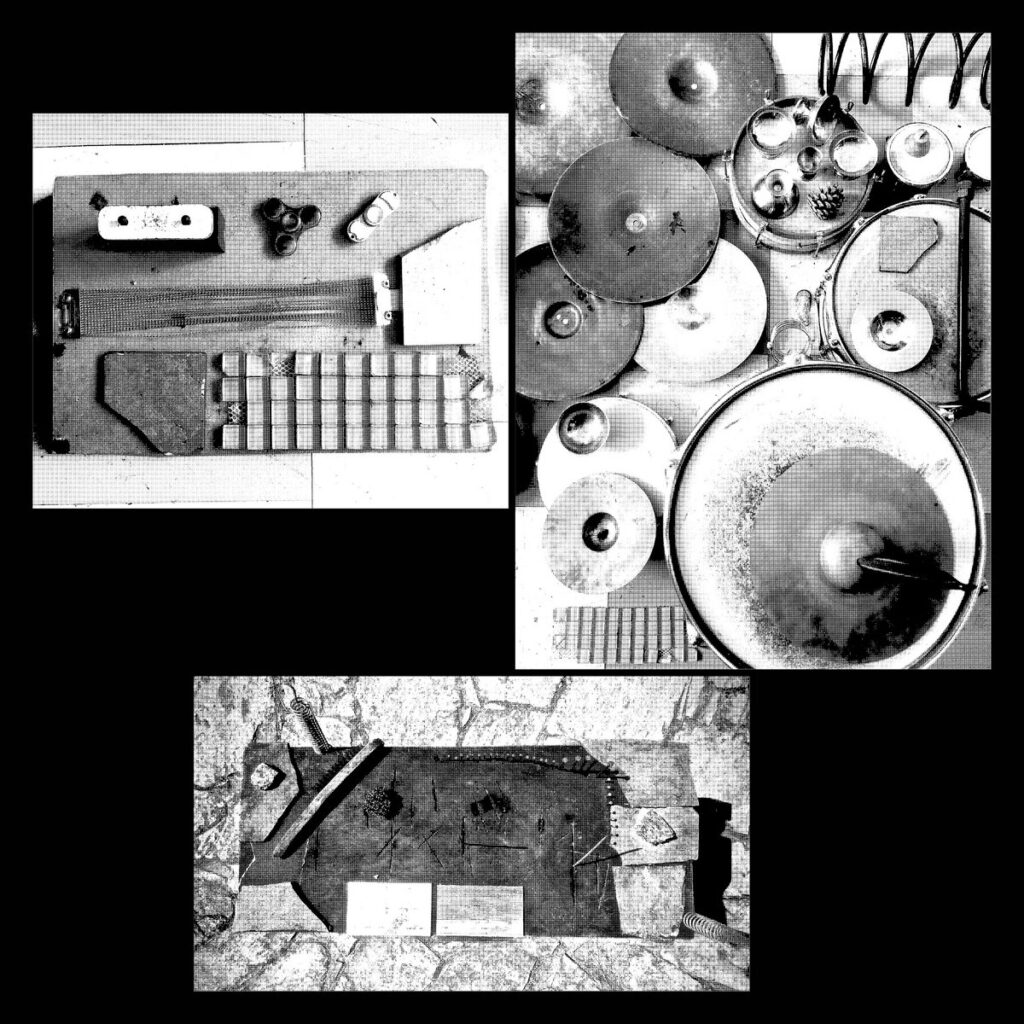
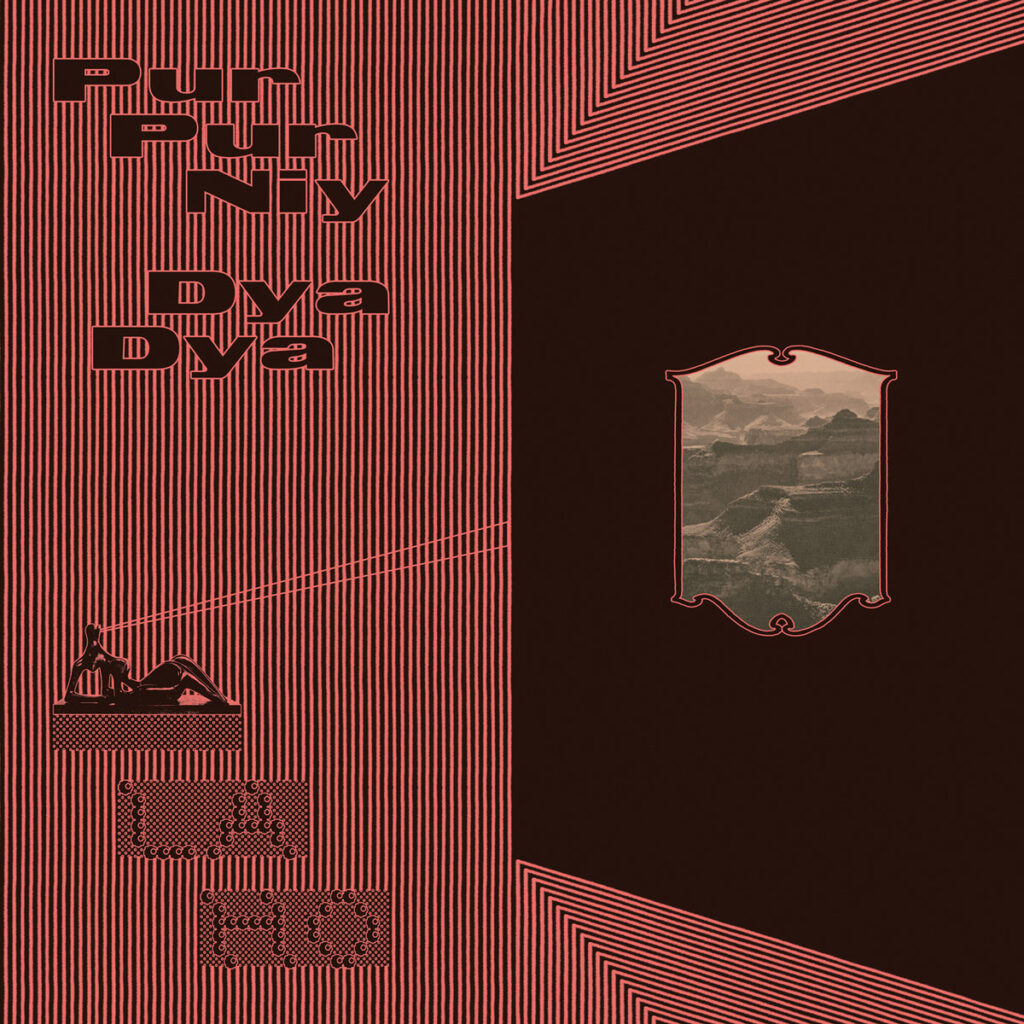
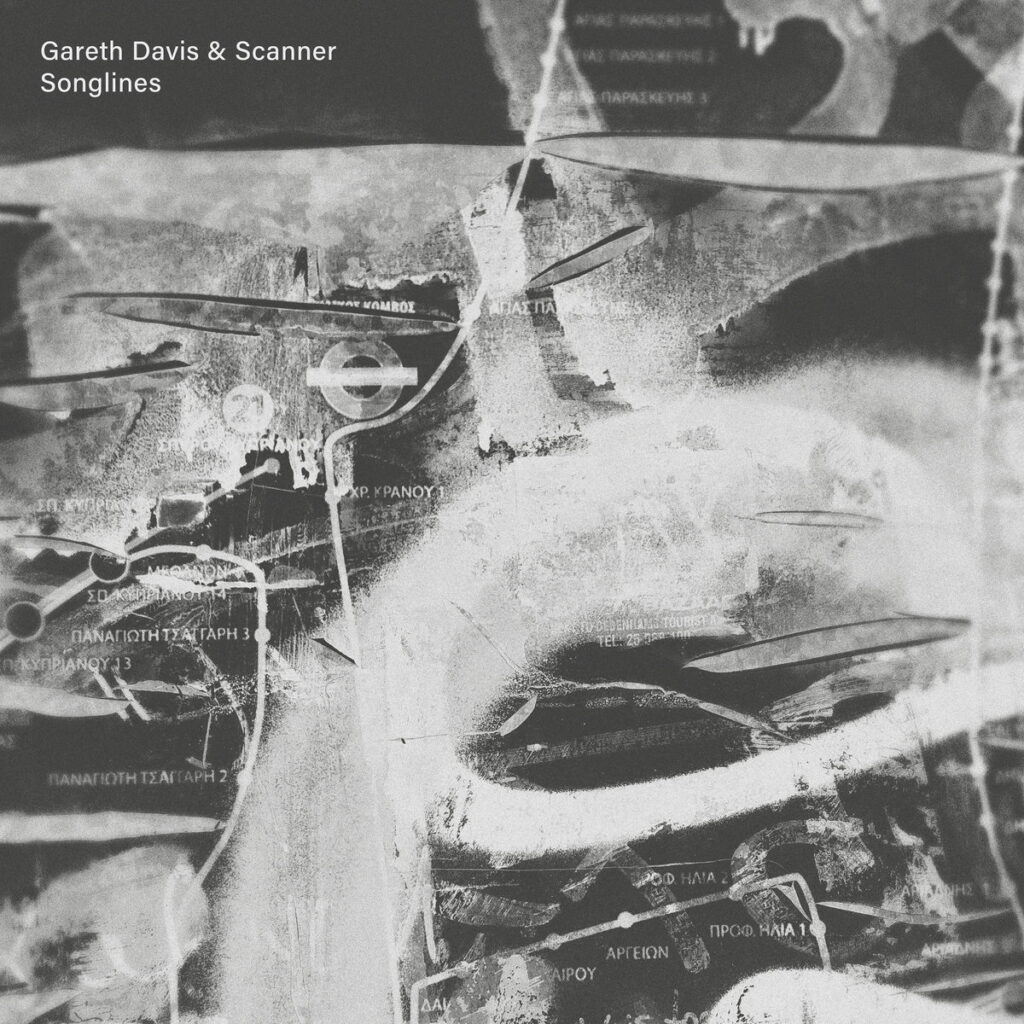
Lucy Duncombe and Feronia Wennborg compose a modern symphony for virtual choir on Joy, Oh I Missed You, muddling sound poetry with Nuno Canavarro and “Systemische”-style machine-damaged surrealism.
They have been working on the album for four long years, shaping their process until they were “queasily intimate” with their arsenal of artificial voice tools. Tracing the history of the technology from voice synthesisers and chatbots to AI voice analysis tools, the duo experiment relentlessly to develop a digital-age response to IRL extended vocal technique. Less interested in replicating human sounds exactly, they instead test how various tools might cough up their own idiosyncratic tics as they stretch and stutter through attempts to mimic their “fleshware” counterparts.
Joy, Oh I Missed You is an album that, like its source material, constantly morphs, testing the boundaries of its concept repeatedly without bubbling over into conceptual goo. It’s remarkably euphonious, even at its most theoretically abrasive. Duncombe and Wennborg wring out uniquely angelic formations through a process of trial and error that packs a surprising, hefty emotional punch.