28,00

in stock

about the record

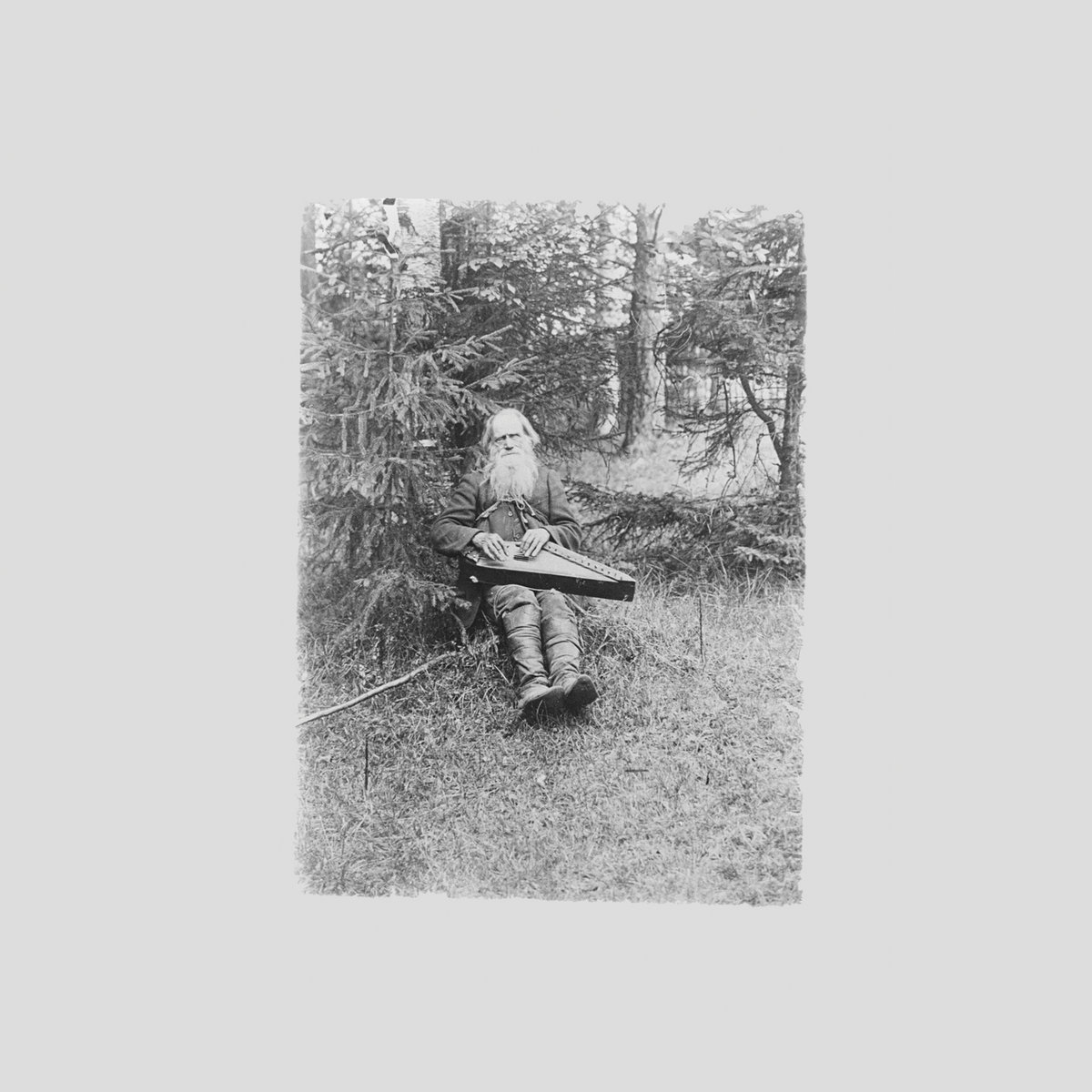
Teppana Jänis was born in the village of Uuksujärvi in Suistamo on 21 June 1850. After becoming blind in the late 19th century, he went from house to house supporting himself by playing the kantele, a traditional Finnish and Karelian plucked string instrument belonging to the southeast Baltic box zither family. He performed at dances and in schools, and also participated in the Suistamo kantele and runosong competitions in 1911.

In the summers of 1916 and 1917, the young folk music researcher Armas Otto Väisänen (1890–1969) undertook collecting trips to Border Karelia. His aim was to gather kantele tunes, laments, and shepherd melodies, which were confusingly scarce in the archives. The 1916 trip was financed by the Finnish Literature Society, which provided a phonograph for recording purposes. In 1917, the trip was financed by the Kalevala Society, and recording was carried out using a parlograph. During these two summers, Väisänen recorded kantele players in the parishes of Suojärvi, Korpiselkä, Suistamo, Tuupovaara, Kitee, and Impilahti. He met Teppana Jänis in both summers and transcribed 22 kantele melodies from him, recording 14 of these on wax cylinders.

This LP, titled simply Teppana Jänis, fuses and intertwines the original raw cylinder recordings with newly performed interpretations by kantele player and researcher Arja Kastinen, together with the late Finnish folk musician Taito Hoffrén. These performances take into account additional information and notes found in Väisänen’s sheet music manuscripts. Warm thanks go to the Finnish Literature Society for permission to use the archive recordings, to Risto Blomster for his invaluable assistance, and to the Karelian Cultural Foundation.


  1. 1 - Vanha valssi 02:09
  2. 2 - Ruskoi 01:57
  3. 3 - Lippoa 01:37
  4. 4 - Letška 01:22
  5. 5 - Vanha letška 01:42
  6. 6 - Hoffalssi l. foffalssi 01:38
  7. 7 - Hoilolan polkka, 3 parii 01:59
  8. 8 - Ruohtalazen falssi 02:06
  9. 9 - Vaivazen pojan laulu (kantele) 01:35
  10. 10 - Vaivazen pojan laulu (laulu & kantele) w/ Taito Hoffrén 01:37
  11. 11 - Runolaulu – Voi minä poloine poiga w/ Taito Hoffrén 01:54
  12. 12 - Riivattu eli ristakondra ja tšiitžik 03:59
  13. 13 - Maanitus eli ribatška ja tšiitžik 05:53
  14. 14 - Markan kiža 01:55
  15. 15 - Markan kiža sovitus (arr. A. Kastinen) 03:04
  16. 16 - Valamon kirkonkellot 01:42
  17. 17 - Valamon kirkonkellot sovitus (arr. A. Kastinen) 03:46

28,00

in stock

  1. 1 - Vanha valssi 02:09
  2. 2 - Ruskoi 01:57
  3. 3 - Lippoa 01:37
  4. 4 - Letška 01:22
  5. 5 - Vanha letška 01:42
  6. 6 - Hoffalssi l. foffalssi 01:38
  7. 7 - Hoilolan polkka, 3 parii 01:59
  8. 8 - Ruohtalazen falssi 02:06
  9. 9 - Vaivazen pojan laulu (kantele) 01:35
  10. 10 - Vaivazen pojan laulu (laulu & kantele) w/ Taito Hoffrén 01:37
  11. 11 - Runolaulu – Voi minä poloine poiga w/ Taito Hoffrén 01:54
  12. 12 - Riivattu eli ristakondra ja tšiitžik 03:59
  13. 13 - Maanitus eli ribatška ja tšiitžik 05:53
  14. 14 - Markan kiža 01:55
  15. 15 - Markan kiža sovitus (arr. A. Kastinen) 03:04
  16. 16 - Valamon kirkonkellot 01:42
  17. 17 - Valamon kirkonkellot sovitus (arr. A. Kastinen) 03:46

about the record

Teppana Jänis was born in the village of Uuksujärvi in Suistamo on 21 June 1850. After becoming blind in the late 19th century, he went from house to house supporting himself by playing the kantele, a traditional Finnish and Karelian plucked string instrument belonging to the southeast Baltic box zither family. He performed at dances and in schools, and also participated in the Suistamo kantele and runosong competitions in 1911.

In the summers of 1916 and 1917, the young folk music researcher Armas Otto Väisänen (1890–1969) undertook collecting trips to Border Karelia. His aim was to gather kantele tunes, laments, and shepherd melodies, which were confusingly scarce in the archives. The 1916 trip was financed by the Finnish Literature Society, which provided a phonograph for recording purposes. In 1917, the trip was financed by the Kalevala Society, and recording was carried out using a parlograph. During these two summers, Väisänen recorded kantele players in the parishes of Suojärvi, Korpiselkä, Suistamo, Tuupovaara, Kitee, and Impilahti. He met Teppana Jänis in both summers and transcribed 22 kantele melodies from him, recording 14 of these on wax cylinders.

This LP, titled simply Teppana Jänis, fuses and intertwines the original raw cylinder recordings with newly performed interpretations by kantele player and researcher Arja Kastinen, together with the late Finnish folk musician Taito Hoffrén. These performances take into account additional information and notes found in Väisänen’s sheet music manuscripts. Warm thanks go to the Finnish Literature Society for permission to use the archive recordings, to Risto Blomster for his invaluable assistance, and to the Karelian Cultural Foundation.

fits in the mood

sign up to our newsletter

we write about records, events, and other small discoveries.