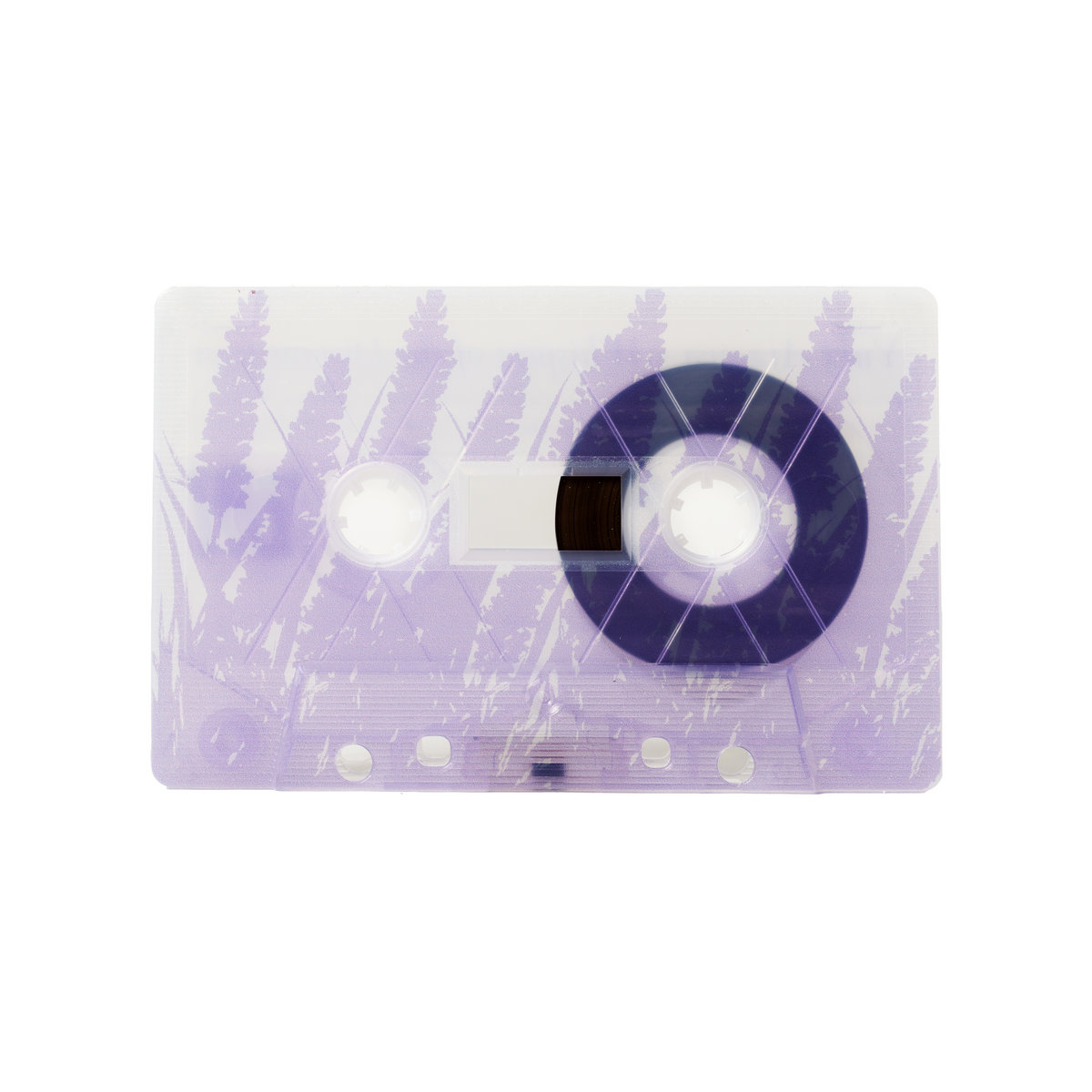
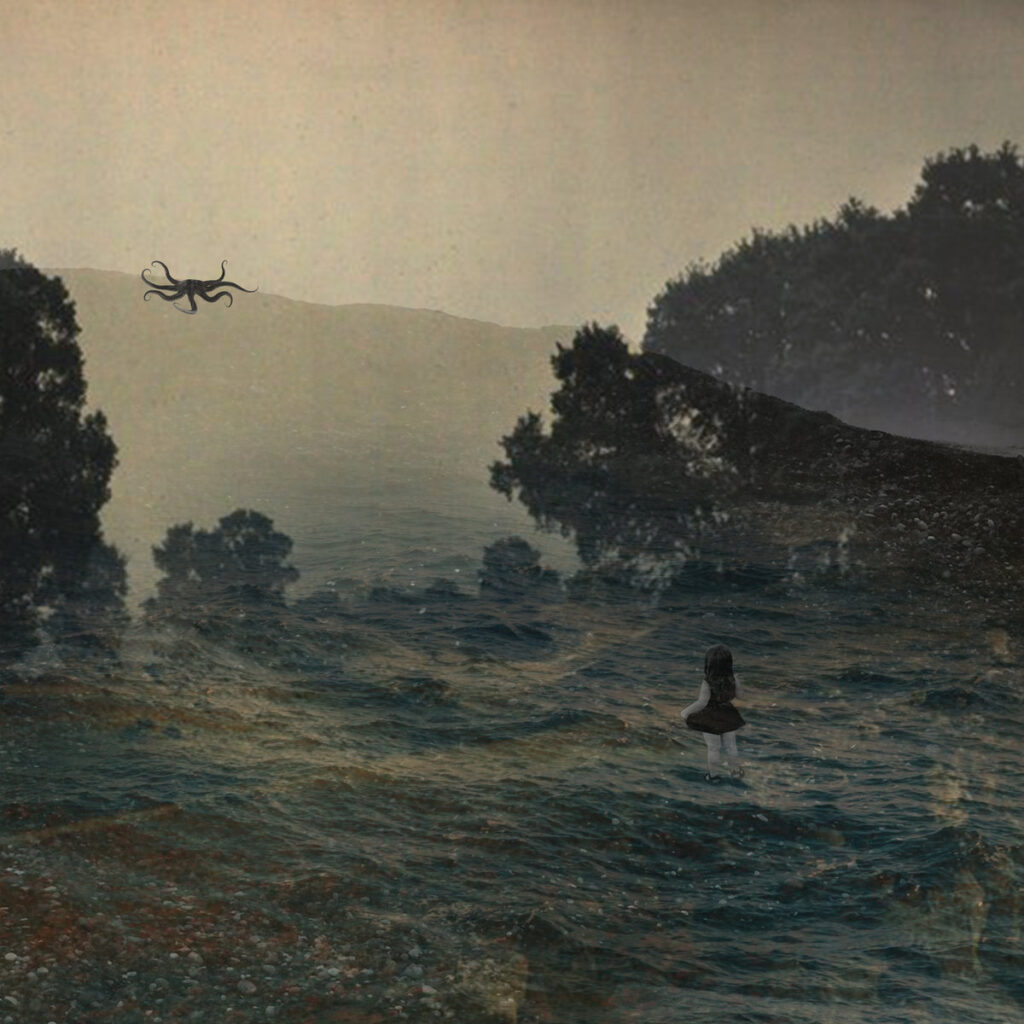
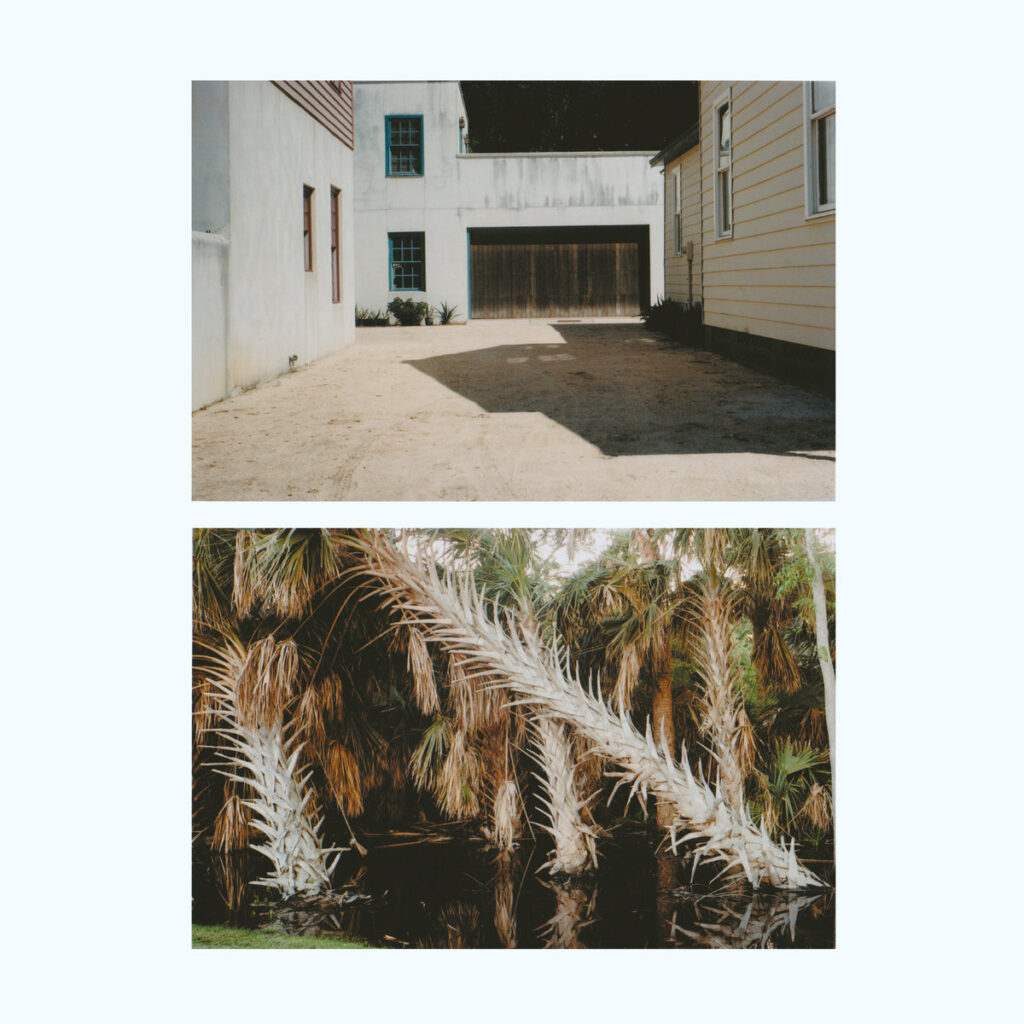
Intrinsically entwined with the landscapes of Hokkaido, Japan, Whispers of the Distant Past is a meditation on transience and nostalgia. Yuki Aizawa’s first physical release acts as a vessel to preserve and reflect on the fading vestiges of childhood. This emotional core is rooted in Aizawa's memories of vast fields of lavender in Furano, an endless purple horizon acting as a calming yet melancholic backdrop to the passing of time.
The soundscapes of Whispers of the Distant Past were built through the intricate layering of guitar volume and feedback swells. Aizawa then sculpted the resulting textures into living spaces using a variety of treatments and effects, flecked with field recordings of rivers and wildlife captured in Maruyama Park, just outside his home city of Sapporo. Final track sequencing was a largely improvisational affair, treating the emergent melodies from processed reverberations as an act of “collecting small, precious pieces of the past.” It also weaves together Aizawa’s life experiences, ranging from numerous early guitar sketches to a rediscovered cassette featuring his own infant cries alongside the voices of his family. The resulting album is a mirage-like collage of personal artifacts, bridging memory and dream and becoming an invitation into Aizawa’s visions of lavender-tinged sunsets.

€14,00
in stock

Intrinsically entwined with the landscapes of Hokkaido, Japan, Whispers of the Distant Past is a meditation on transience and nostalgia. Yuki Aizawa’s first physical release acts as a vessel to preserve and reflect on the fading vestiges of childhood. This emotional core is rooted in Aizawa's memories of vast fields of lavender in Furano, an endless purple horizon acting as a calming yet melancholic backdrop to the passing of time.
The soundscapes of Whispers of the Distant Past were built through the intricate layering of guitar volume and feedback swells. Aizawa then sculpted the resulting textures into living spaces using a variety of treatments and effects, flecked with field recordings of rivers and wildlife captured in Maruyama Park, just outside his home city of Sapporo. Final track sequencing was a largely improvisational affair, treating the emergent melodies from processed reverberations as an act of “collecting small, precious pieces of the past.” It also weaves together Aizawa’s life experiences, ranging from numerous early guitar sketches to a rediscovered cassette featuring his own infant cries alongside the voices of his family. The resulting album is a mirage-like collage of personal artifacts, bridging memory and dream and becoming an invitation into Aizawa’s visions of lavender-tinged sunsets.

we write about records, events, and other small discoveries.