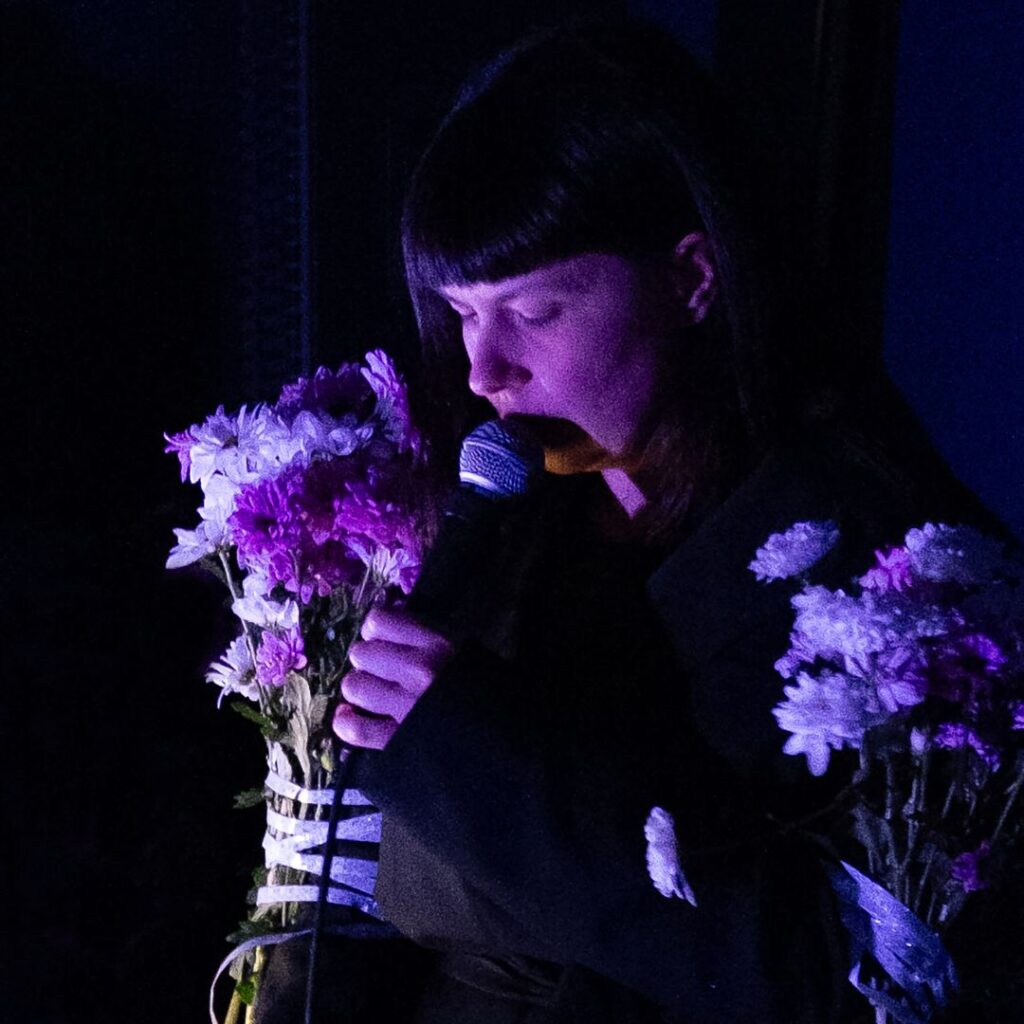
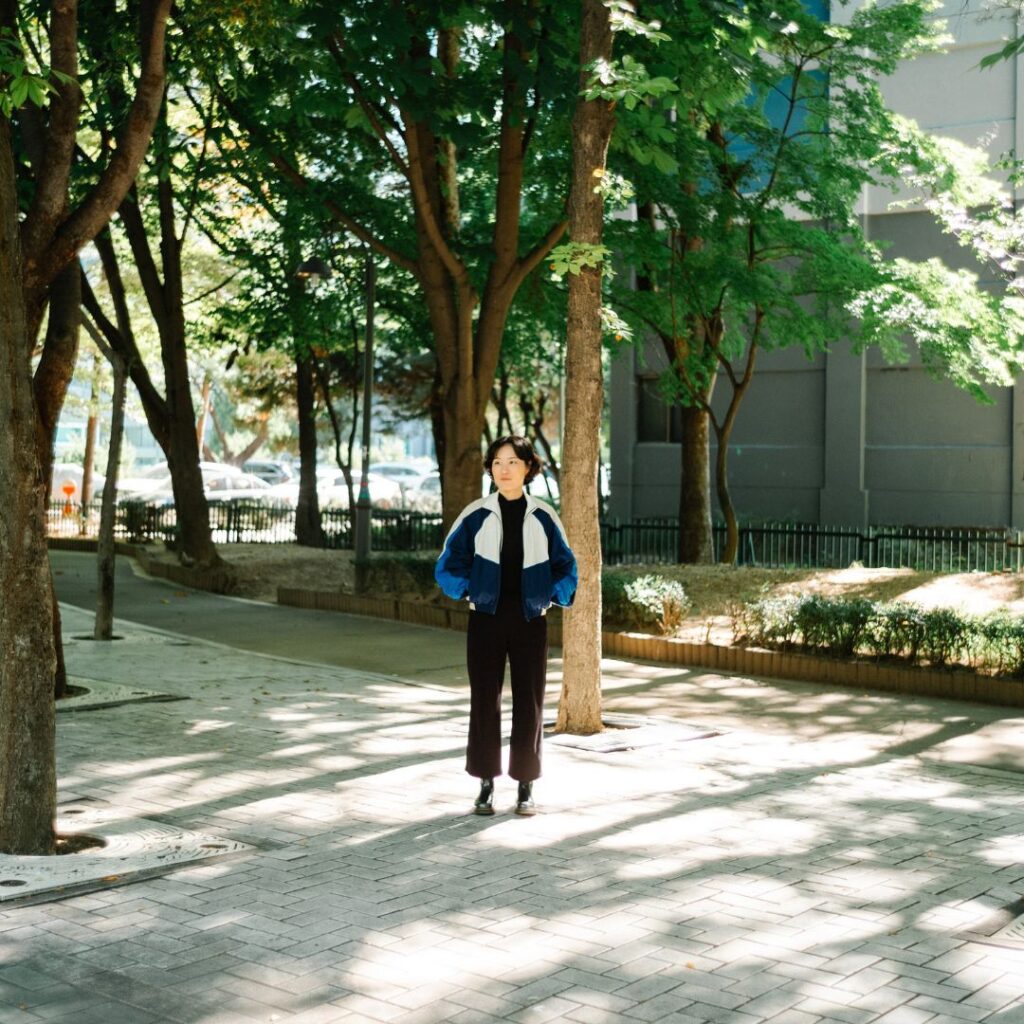
It’s easy to slip into the pull of Damian Dalla Torre’s music. As a multi-instrumentalist, composer, and producer, he shapes soundscapes that carry a sense of the familiar while pushing into unexplored territory. He draws from a wide palette of sounds and influences, always in tune with whatever moves him in the moment.
Talking with Damian, you get the sense that music is his way of staying close to himself. For him, real music begins with intuition and presence, and with trusting what resonates. It’s how he connects, how he stays grounded, and how he moves through the world with a certain openness.
What’s your first memory of connecting with music?
I remember being in the kitchen with my parents as a child. They put on a CD with a saxophone solo, and we all sang along. I don’t recall the artist, but that moment really stayed with me.
My family aren’t musicians, but they’ve always had a deep love for music. My father was a DJ in the ’80s, playing in Italian discotheques when he met my mother. I definitely picked up my excitement for music from them.
You’ve lived in Italy, Austria and Germany, and you also tour a lot. Has traveling or relocating changed the way you approach making music?
Yeah, definitely. My surroundings and the people I’ve spent time with have shaped a lot of what I do, especially other musicians. When I first moved to Leipzig, I quickly became part of the music scene because everyone was so open. People collaborate across backgrounds and genres, and that made me feel immediately at home.
Personal connections and a sense of community are the most important parts of being in a place.
What other influences have shaped the way you think about sound?
Reading opens up new ways of thinking, seeing art helps you understand different forms, and engaging with politics can shift your perspective. All of these things feed into the music in some way, even if it’s indirect.
Is there a certain rhythm or routine you follow when making an album?
I always know it’s time to make an album when I feel this growing need to immerse myself in a particular feeling and dive deep into it. When I start losing myself in the process, that’s when I know I’m getting close to the music. But it’s not something that happens quickly. It takes time and space to really get into the material and capture the feeling.
How do you know when you’ve captured the feeling?
When I truly enjoy the sound, it’s because I’ve managed to catch the mood. I can feel when the music is real to me. That’s part of the process—getting close to my emotions and spending time figuring out what I’m actually feeling. Some people are naturally very in tune with their emotions, but in a world overloaded with information, work, and the pressures of a capitalist system, it’s easy to feel detached. Music is a way for me to process what’s happening, and to reconnect with myself.
When you’re making music, do you think about how others might connect to it?
I think it’s less about making people feel exactly what I feel and more about creating a space for them to connect with themselves in their own way. I’m not sure if my music can directly translate an emotion—like you’d listen and instantly know how I feel—but I think it can create an opening for others to tap into their own emotions.
Your music folds together so many layers, from field recordings to flutes, brass, and synths. You also collaborate a lot. What draws you to this way of creating music?
I think I just really like layers. I enjoy music where you can keep discovering new things each time you listen. That’s what keeps it interesting. It’s the same with other art forms too. You might notice one thing in a painting one day, and something completely different another day. Or a passage in a book might resonate with you in one moment, and later, a different part speaks to you in a whole new way.
Music is such an abstract thing. Of course, you can explain it scientifically—how synapses react, how memories and emotions are triggered. But it still has this indescribable quality. I really love it when music has a hidden message.
Do you imagine these layers before you start, or do they emerge through the creation process?
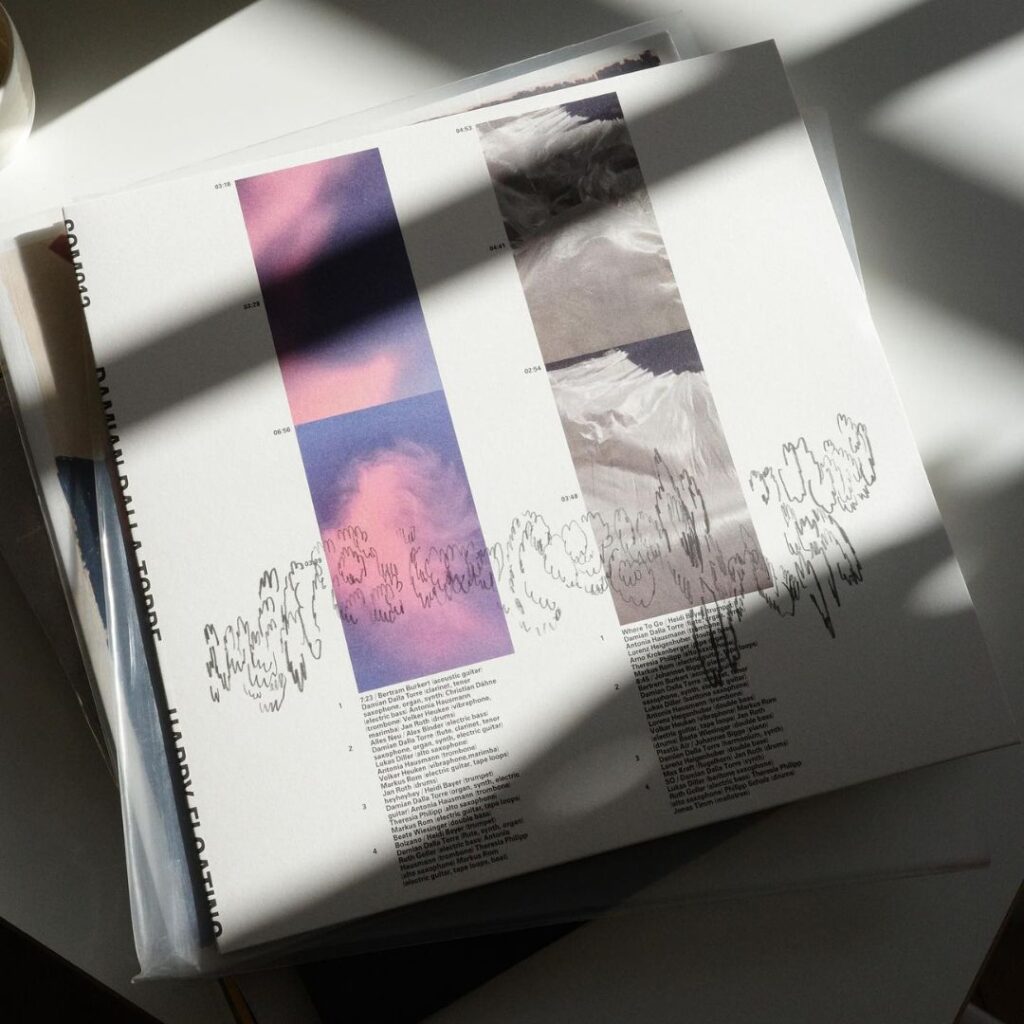
Layers emerge through the process. On my first record, Happy Floating, there were so many contributors who took the music in new directions, which in turn shifted my own perspective. Each new layer gave the whole thing a different feeling, even for me. I’m interested in opening up that process, getting input from others and letting it reshape my own ideas.
I love seeing how communities create and collaborate. On the East Coast in the U.S., you can feel that spirit around musicians and labels like International Anthem or RVNG Intl. The musicians themselves become layers that add to the music.
When you think about all the layers you bring together, what feels most defining about your sound?
I’m interested in combining analog and digital—using field recordings or instruments like flutes, and blending them with digital sounds. I often sketch ideas with just a synthesizer, but it always feels like something is missing. I need that human component, that analog warmth. That’s why I like working with other musicians. They bring their own living touch to the music. Mixing something cold and artificial with something organic and human is an approach that works well for me. The opposites create something really special.
Are there other layers or directions you feel drawn to exploring further?
I think I’m always exploring, but more than anything, it’s about exploring myself, my feelings, and finding something that feels true to me. To create real music, you have to make something you genuinely connect with. If it feels real to you, others can connect with it too. By the time I finished both albums, I just knew. There was this sense that something had fallen into place, that it felt right.
Where is your music heading these days?
My music evolves with my experiences, the people I meet, and the influences they bring into my life. When I was making Happy Floating, I was listening to a lot of indie rock and indie pop, and you can hear that in the album. I was also touring with Efterklang at the time, and the energy of what we were doing had a big influence on that record.
With I Can Feel My Dreams, I was drawn more into ambient music, and that naturally shaped the album.
Now I’m working on my third album, and I can already tell it’s influenced by techno. I didn’t go to raves much in my twenties, but recently, stepping into that world, I fell in love with the sounds, the atmosphere, the whole feeling of it. I started digging deeper, discovering new artists. I’m always curious to hear what people are producing across different genres.