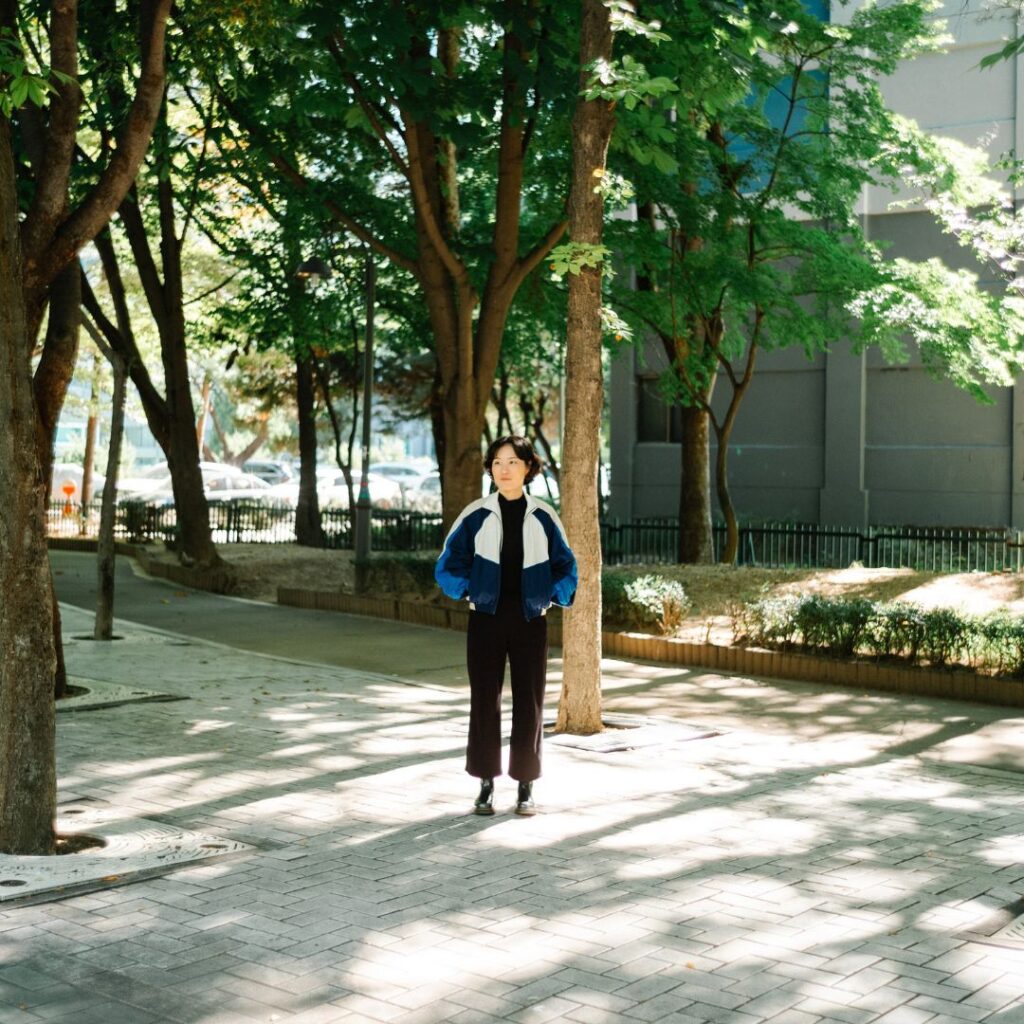
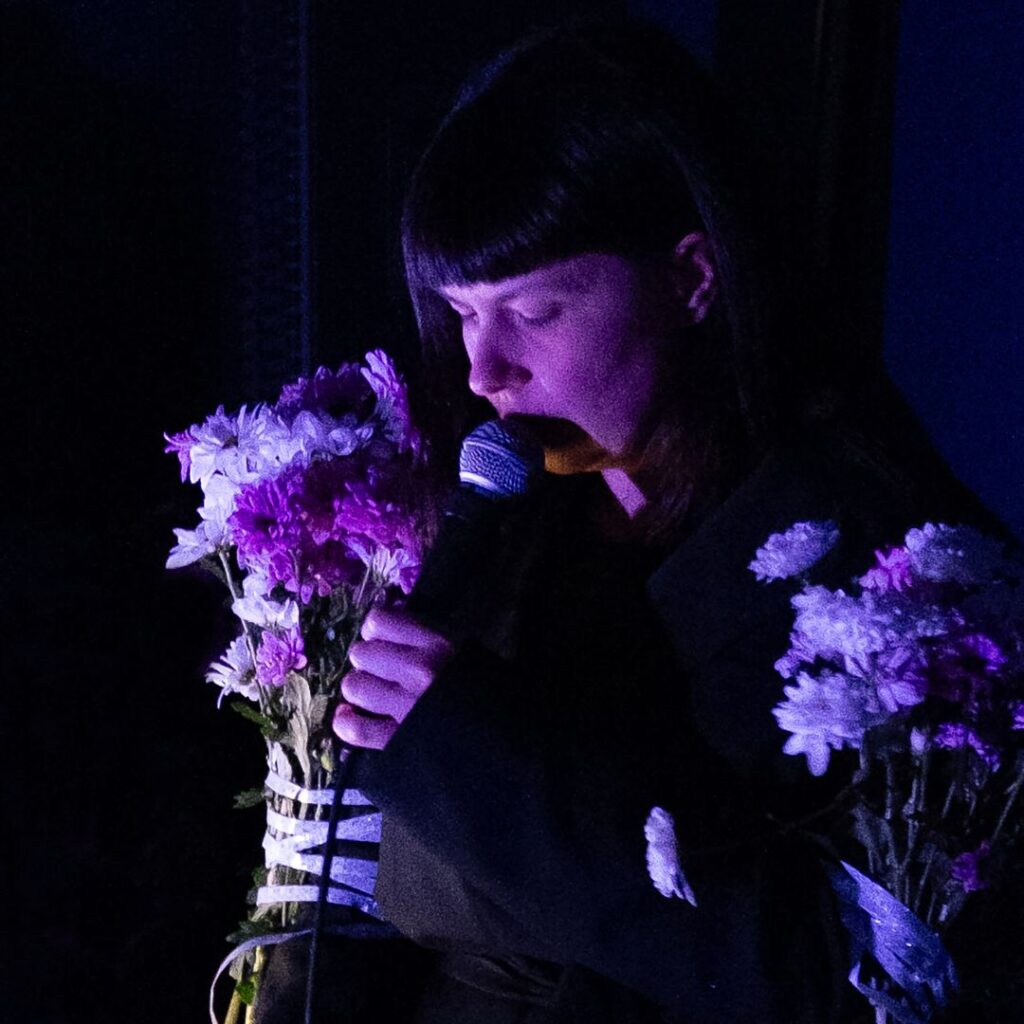
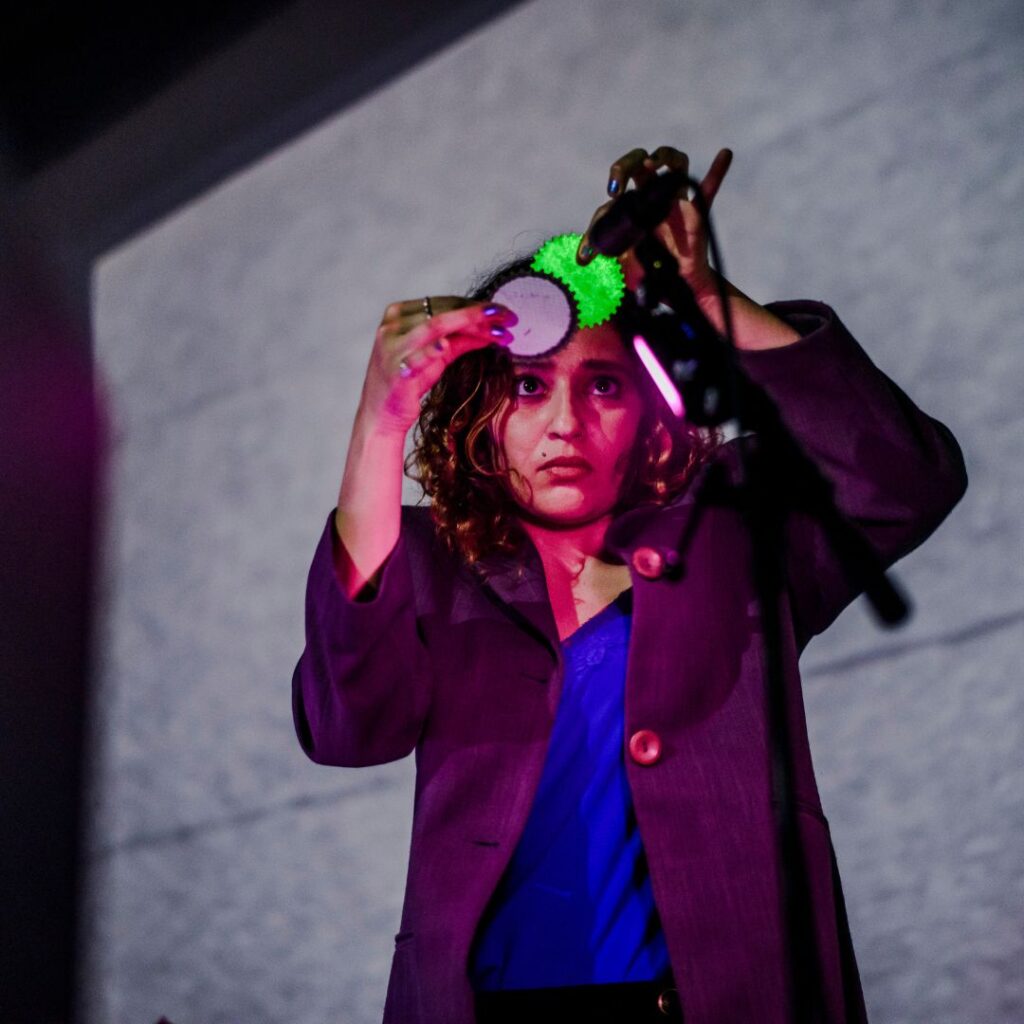
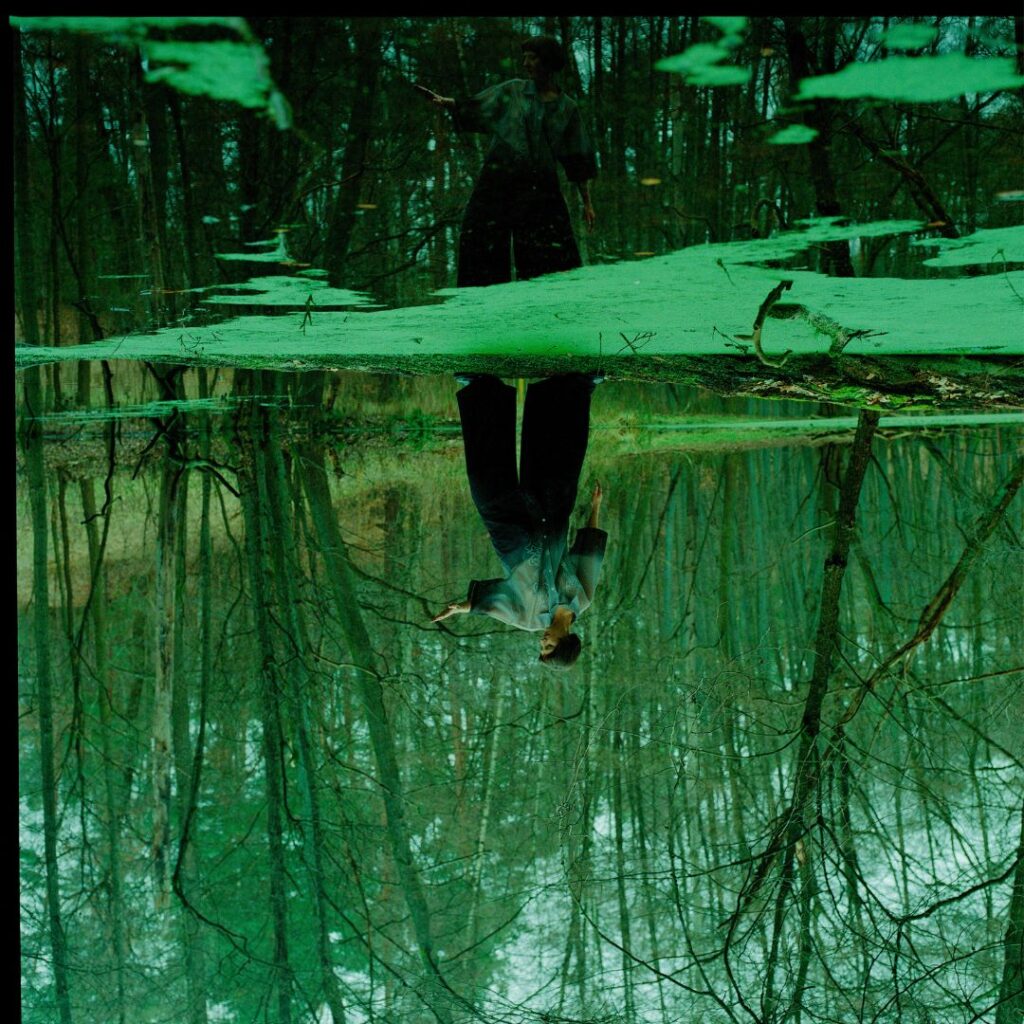
soo:k’s journey into music carries the weight of lived experience. Having previously worked in the humanitarian field, her encounters have shaped her understanding of resilience and fragility, and of the dualities we carry through life.
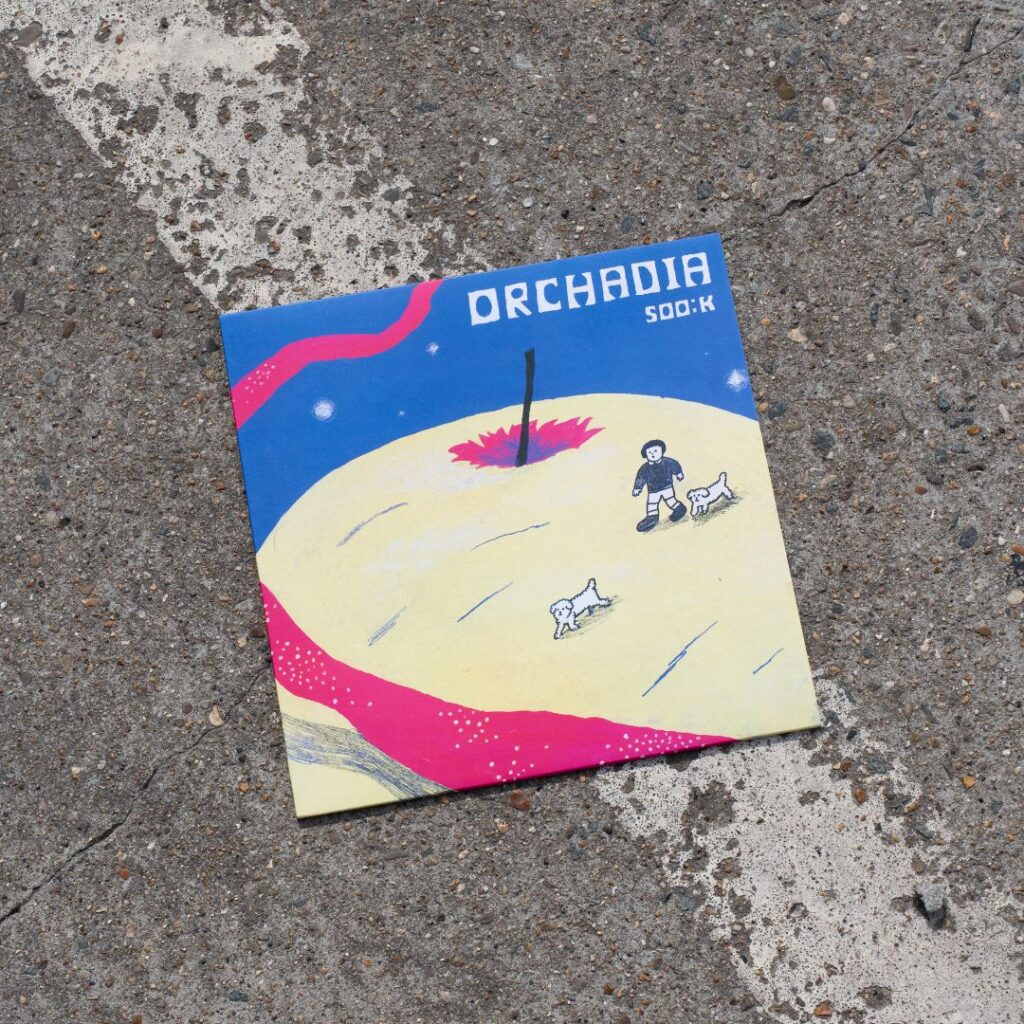
This interplay comes through in her electroacoustic debut Orchadia which glitters with utopian light while carrying something darker just beneath the surface. It reflects Soo’s way of seeing the world, and how she thinks about music. She sees it as both a refuge and a collective force, a space that can heal, resist, and hold hope all at once.
As we spoke, she reflected on dreaming beyond reality and why living boldly and fully is essential to her creative process. Talking with Soo reminds us of the many ways art can shape how we imagine and inhabit the world.
How did your debut, Orchadia, come into being? Was there a moment or feeling that set it in motion?
It was actually based on a dream. I had this vivid vision of a garden, similar to an orchard, where a variety of creatures lived, and each fruit seemed to have a life of its own. The next day, I started creating a series of tracks, and it quickly developed from there. I had a strong feeling that I needed to share the music I was making. I’ve always produced and made music, but I never had this kind of feeling before.
Where did the album name come from?
I first called the album Lost in the Fruit Garden, but as I thought more about the world in my dream, I felt there was something I wanted to express beyond that.
The name Orchadia is a word I made up. It’s a blend of ‘orchard’ and ‘Arcadia,’ the Greek concept of an idyllic, pastoral place. I dream almost every day, but this one stayed with me.
When you dream, do you hear sounds or see images?
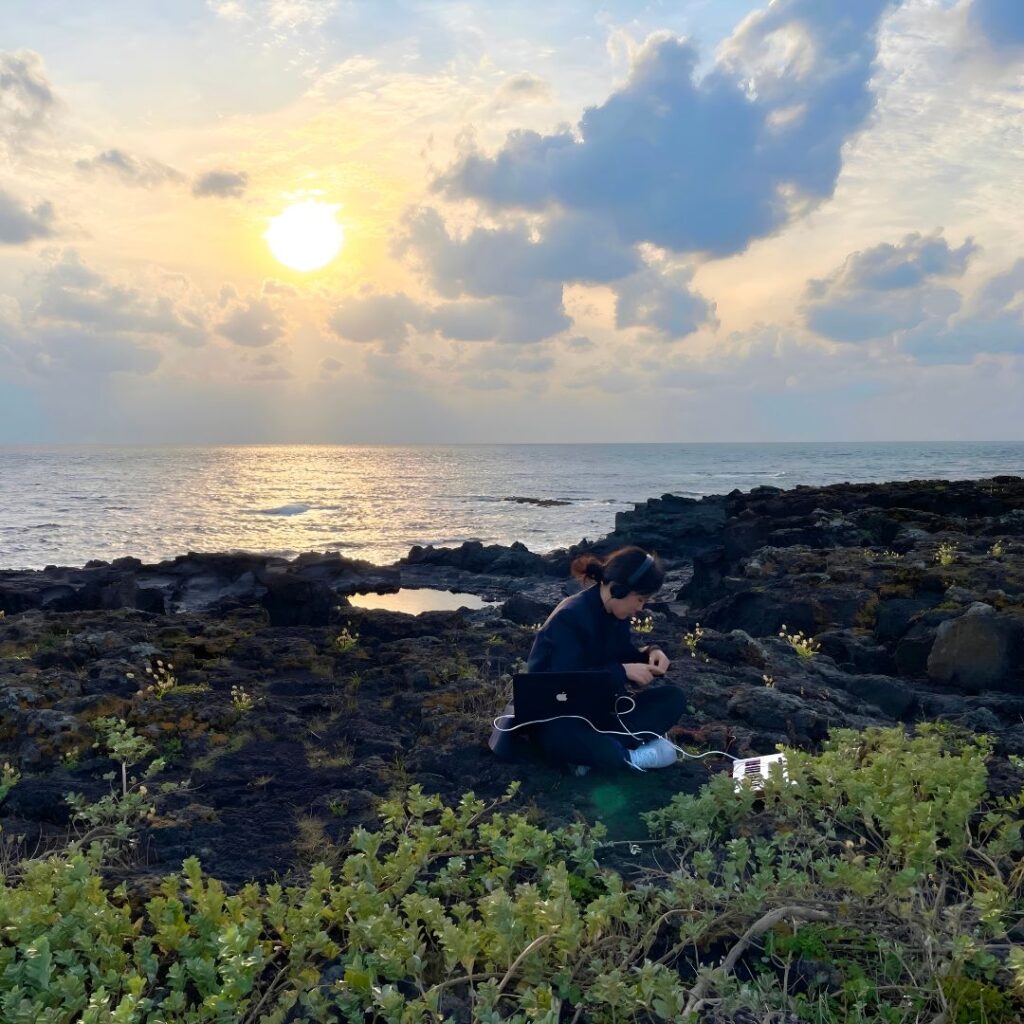
It’s more images than sound, but when I wake up I can quickly translate them into music. My imagination runs wild, and my obsession with sound design always excites me to create something new.
Back when I worked in the humanitarian field, I also dreamed a lot, but those dreams were often about destruction, which left me feeling sad and angry.
When I started making music, I began to dream of more positive worlds, though, still, there’s always something darker beneath the surface. That’s also part of Orchadia: it’s about the purity I hope for, but also an awareness of the problems in the world.
That reminds me of a phrase you’ve used when speaking about the album, ‘everything that breathes eventually bruises.’
It’s a phrase that means a lot to me. I think bruises are just part of living, a reminder that life isn’t perfect or painless. Bruises show where we are vulnerable, and that pain and softness can exist together.
In the album, I wanted to hold both the hard and gentle parts of life without pretending that one cancels out the other. It’s about accepting that duality and not letting it stop us from breathing, growing, or finding moments of love along the way.
What did you want this album to hold, beyond the dream that inspired it?
I wanted the album to hold a sense of comfort. If my music can make someone feel something, even if it’s small, that really matters to me. Music and art won’t save the world, but they can heal and make things better.
When I feel lost or disconnected, music pulls me back, helps me feel, and gives me the courage to continue. It gives me faith in love.
In Orchadia, I wanted to capture beauty and sorrow coexisting, and invite people to slow down and feel without needing to label it or make sense of it.
That’s beautifully put. Do you see music more as a response to the outside world, or as a way to process your inner world?
Both! Sound is a way for me to hold onto memories and dream new worlds. Orchadia is somewhere that can exist outside of reality, a space between memory and possibility. For me, sound acts as a bridge between where I’ve come from and where I want to go.
It seems like your influences range from classical and folk to new age and ambient. How do you bring all of that into your music?
I studied classical music as a child, and later discovered experimental music in Germany. I didn’t go out looking for it, but somehow it found me, and I feel like it saved me.
I also have a lot of respect for the philosophy of Korean folk singers, who bring a wide variety of sounds and stories into their music.
I think of myself as a sound weaver. I work with textures, genre doesn’t matter much to me. When I listen to music, it’s not just about sound but also the mentality and meaning behind it. I’m interested in who the person is that’s making the music.
Are you working on anything new at the moment?
I’m currently in the middle of several projects: remixing, composing, and collaborating with other artists. There’s always something. I’d also like to bring my interest in humanitarian work together with sound someday. By recording voices, stories, and environments, I hope to create small sonic works that acknowledge lives and places that might otherwise be overlooked.
When all is said and done, what does music mean to you?
Music is a way to experience and reflect on the world on a deeper, more personal level. It allows me to explore different emotions, stories, and rhythms. I create from a strong conviction that sincerity ultimately resonates. Even the smallest gestures can carry care and empathy.
Pictures by Dongil Kim, Lars Duchateau, and Neung Wi Kim.