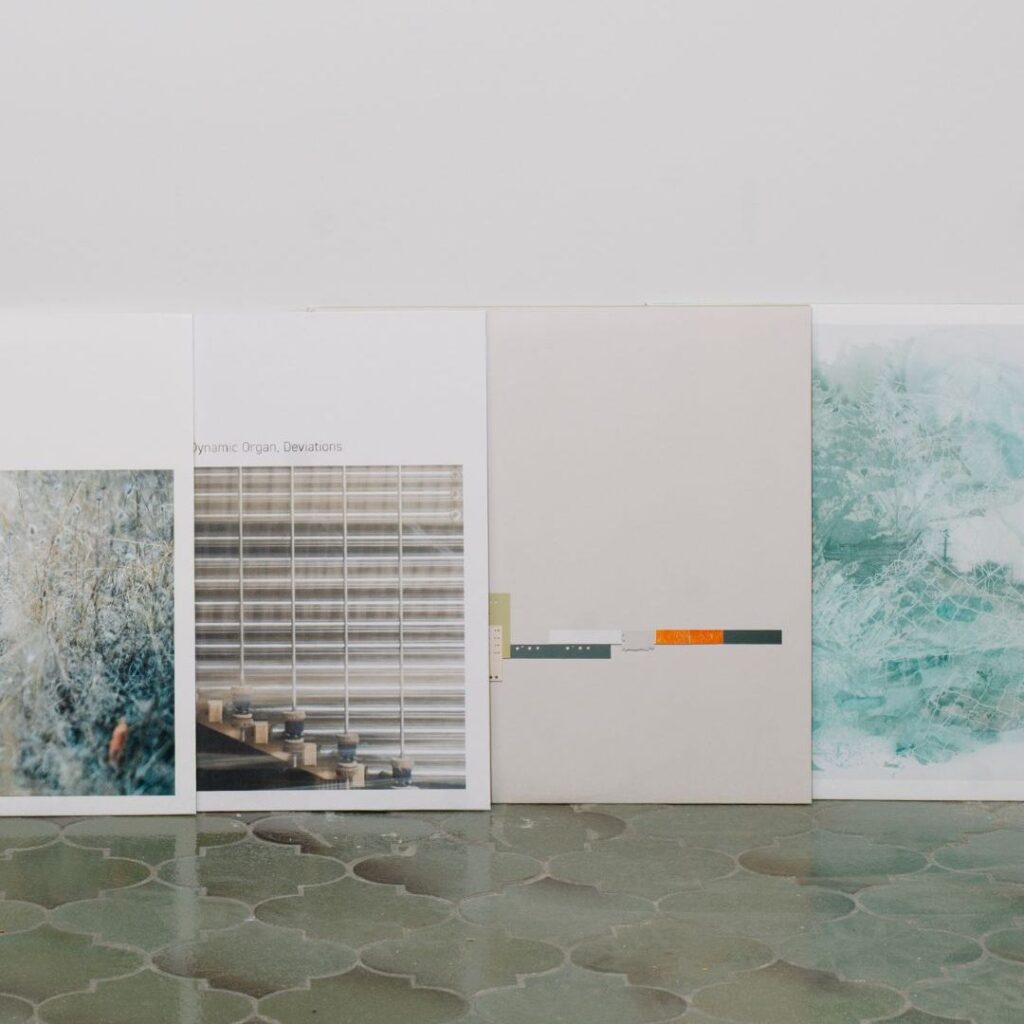
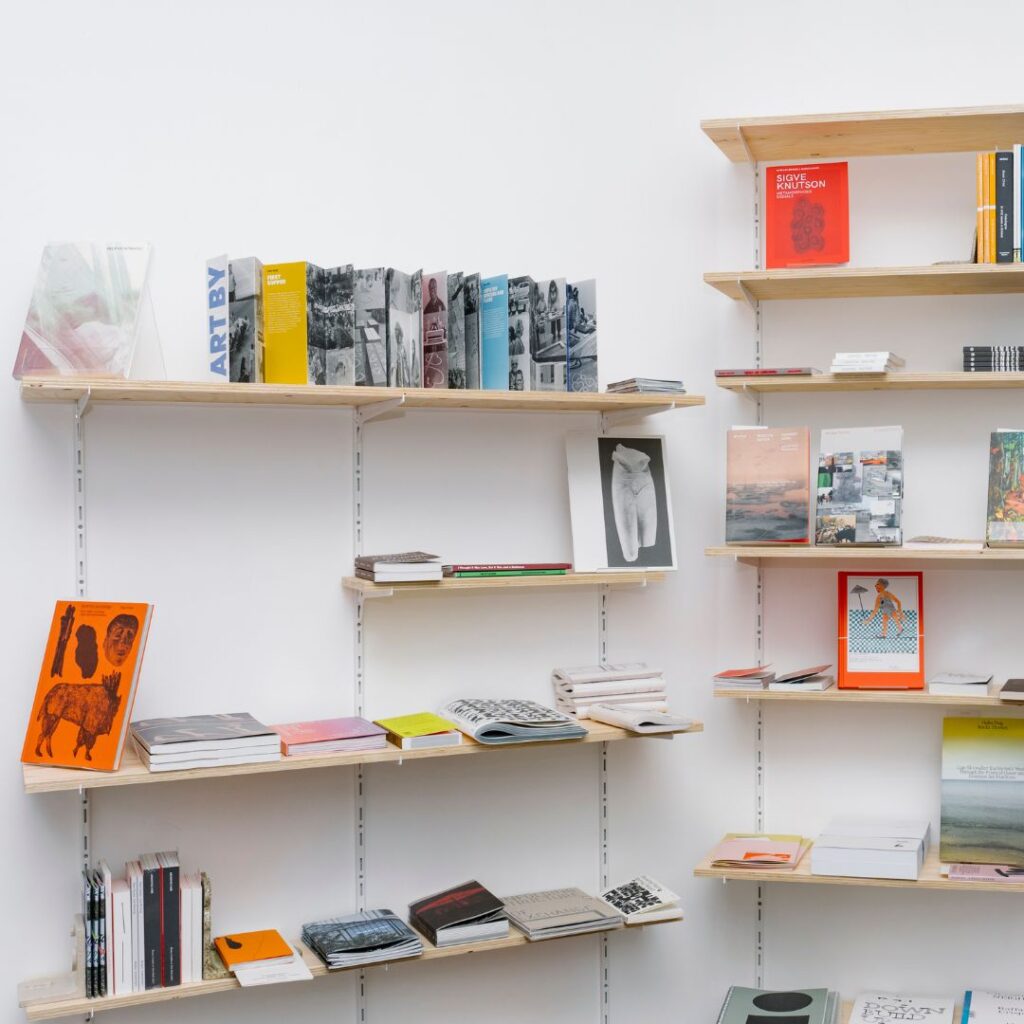
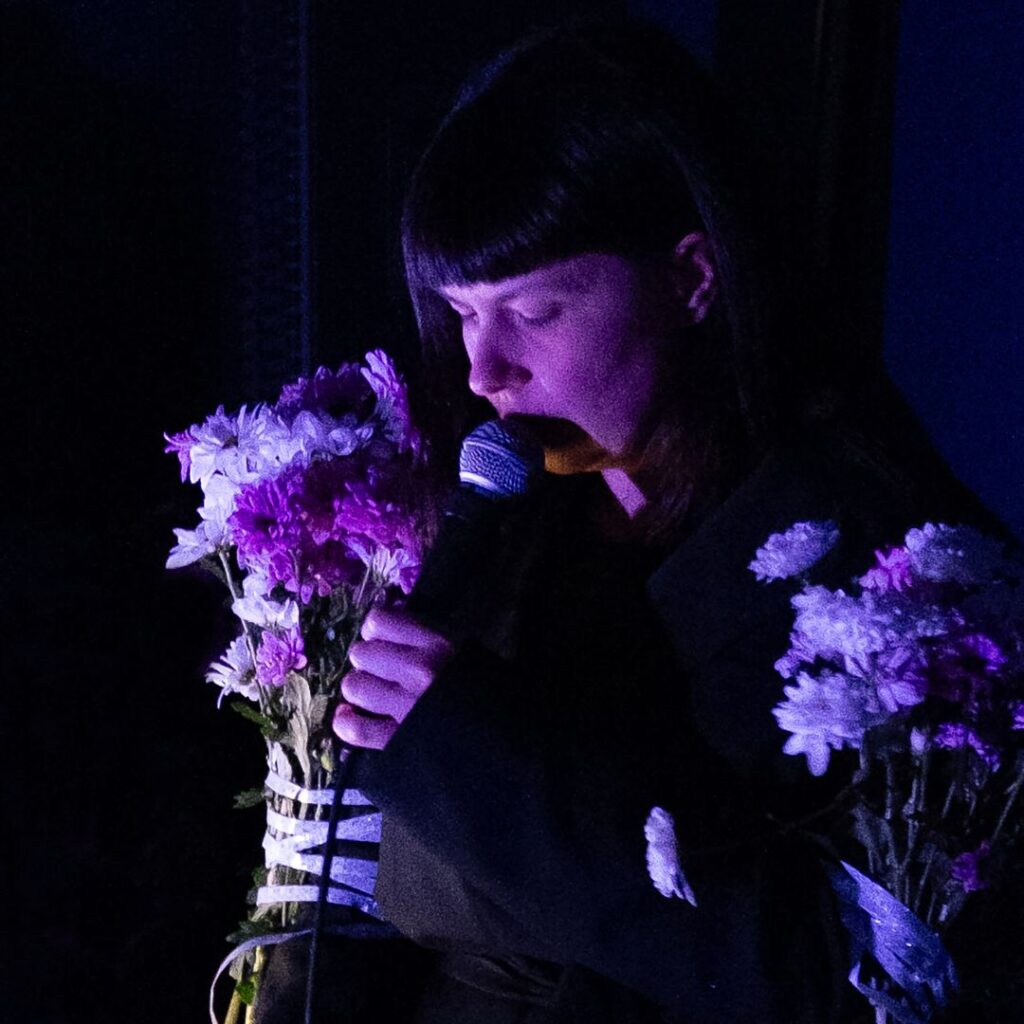
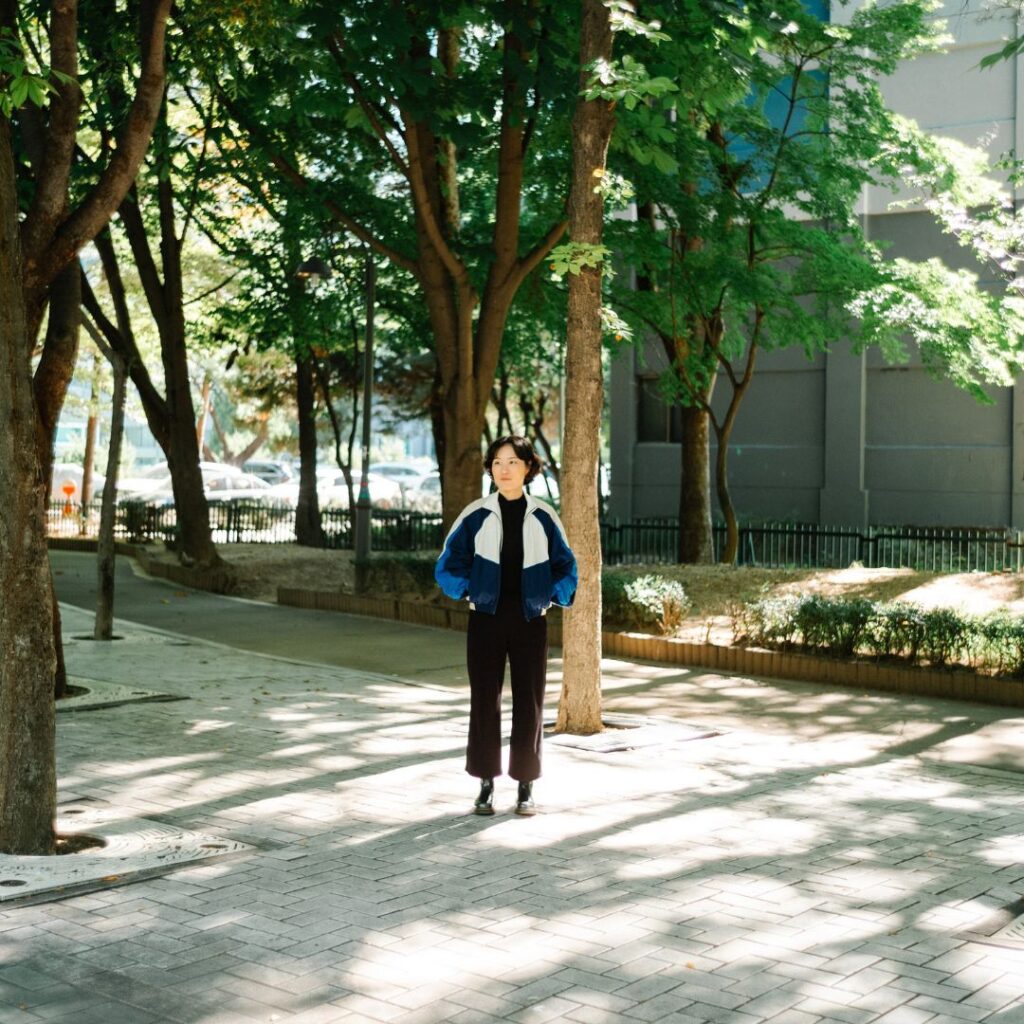
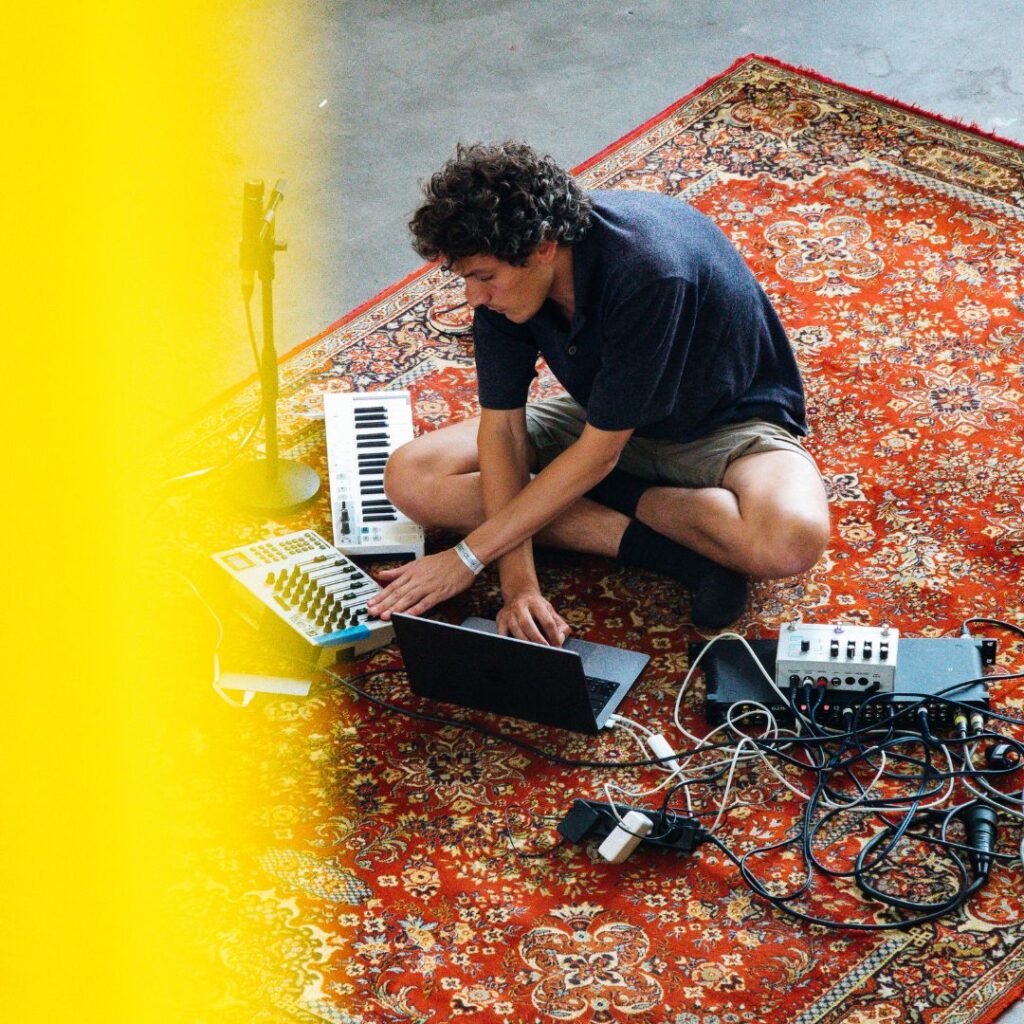
Some projects start with a plan. Cosima Pitz grew out of an ongoing conversation. A small press in the back room gradually expanded beyond paper and became a label where sound and image meet and respond to each other.
For Maximilian Rossner, the feeling leads. He talks about music hitting the stomach, about work that bypasses thought. This sensitivity guides how the label is run, in how artists are paired, and how decisions are made. There isn’t a strict blueprint behind it.
As he speaks about working this way, the conversation turns toward transcendence, collectivity, and freedom. Toward giving work space. Toward keeping things open. Toward resisting the pressure to turn everything into a business.
How did Cosima Pitz start?
I was part of a group of friends who were all artists, and after a group exhibition in Munich, the idea of starting a printing press came up to publish work by people in the collective.
At first, I worked with a professional printer, but since that meant paying out of my own pocket, I eventually started printing everything myself in the back room, even making the covers by hand. It’s always been a very DIY process, and we’ve made around 50 publications now.
And how did sound become part of it?
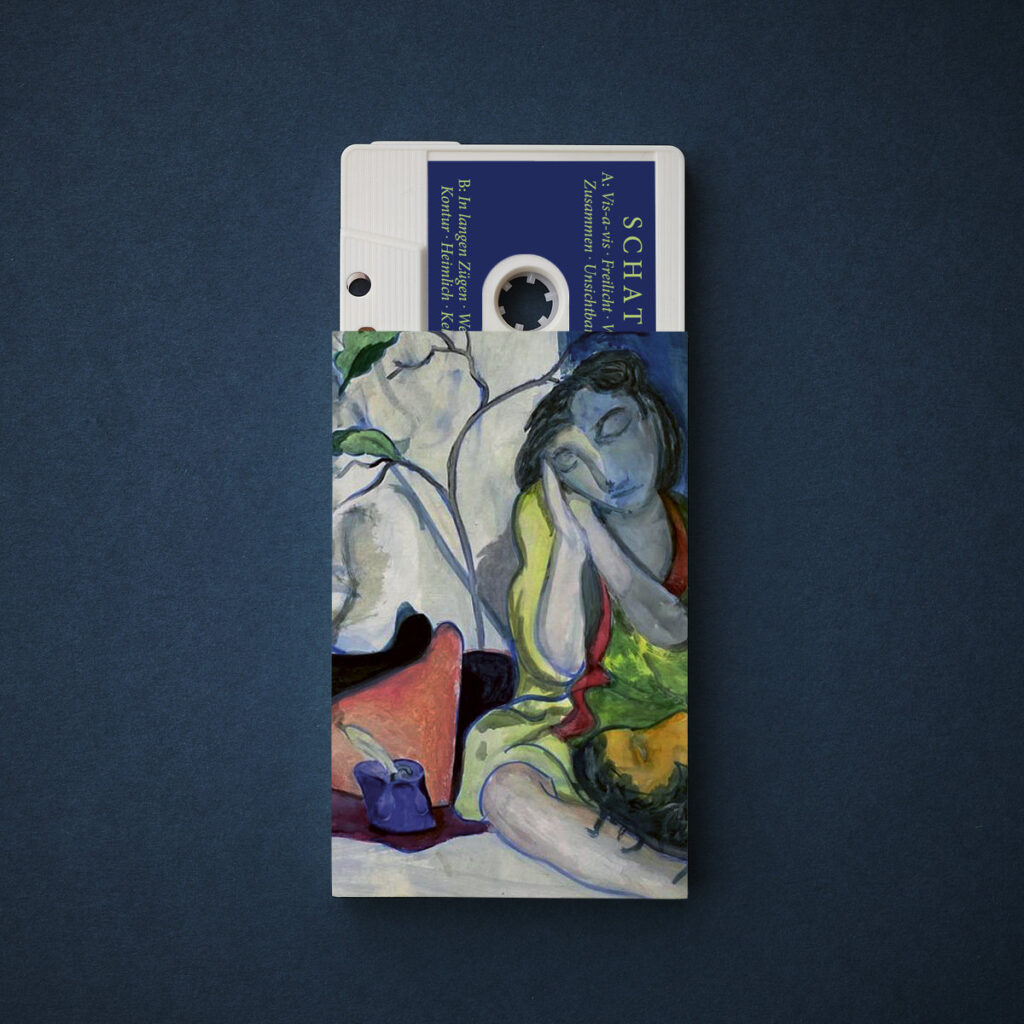
I ran the printing press for about four years, but I was always into music, and most of the artists I worked with were too. I discovered Bandcamp and the independent, self-made spirit of producing cassettes, and the format felt like a great way to “publish” music, similar to the zines I’d been making.
Where does the name come from?
We felt it was important to give the whole project a personal name, like galleries that carry the name of the person who runs them. A close friend, Sebastian Dacey, came up with “Cosima Pitz.” It’s a name you see once and remember.
She became, in a way, our “good ghost”: a figure caring for the artists, supporting exhibitions, and helping make publications. Unlike many galleries, which don’t always support their artists consistently, Cosima Pitz represented constant care. Being an artist can be tough, and she symbolized someone different, someone who was always there for us.
Do you see yourself as a curator, a gallerist, or as an artist?
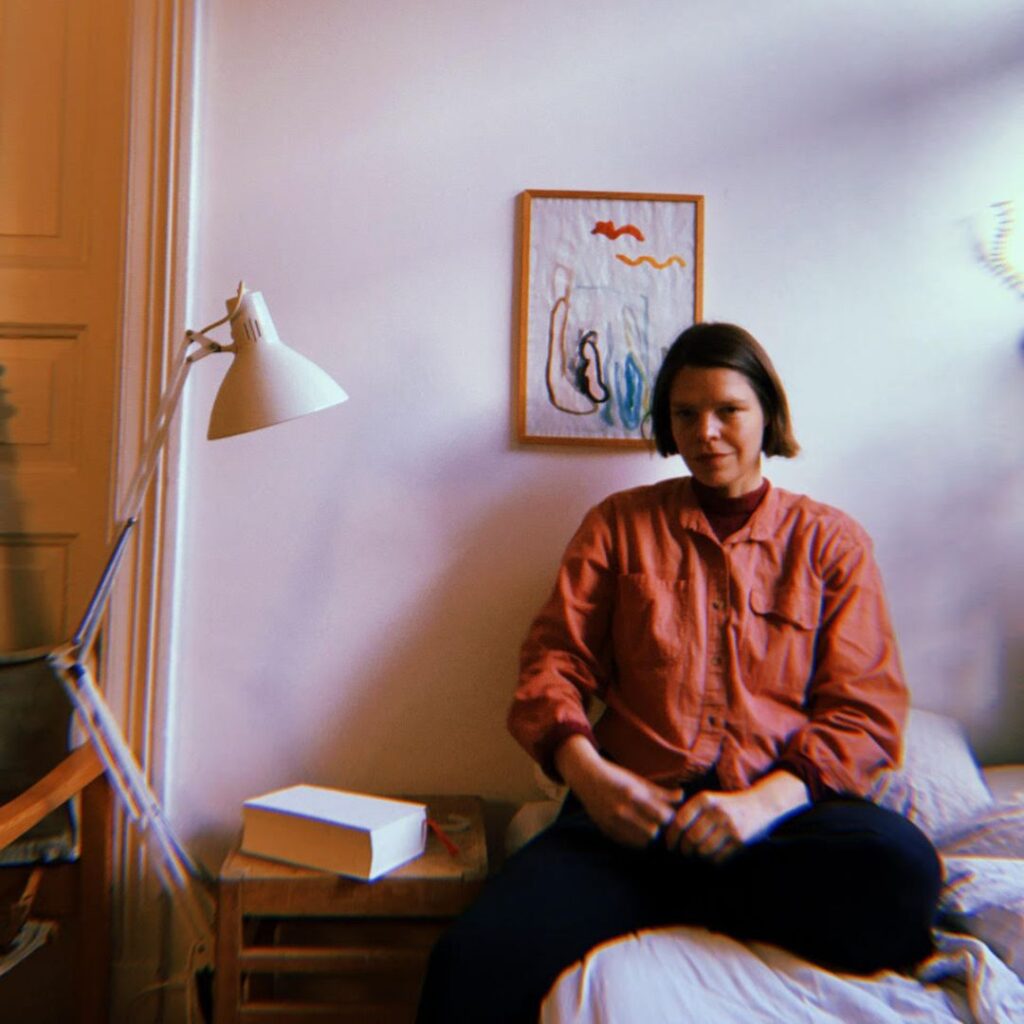
It’s hard to define because I’m quite polymorphic and do so many different things. In a way, I feel like I am Cosima, with a utopian aim of bringing everything together: art, music, the label, and the gallery. I’m also DJing, and I’d love to make music myself one day. Honestly, it’s a bit much. I’m juggling a lot and still figuring out exactly where I fit.
The curation is based on my personal taste, vision, and emotions, and I see myself more as an artist curating other artists rather than someone running a label as a business.
What does a collaboration tend to look like?
After almost ten years of running the printing press, there’s a group of about ten people I work with regularly, the “program” of the gallery, so to speak. I know them well. They’re friends.
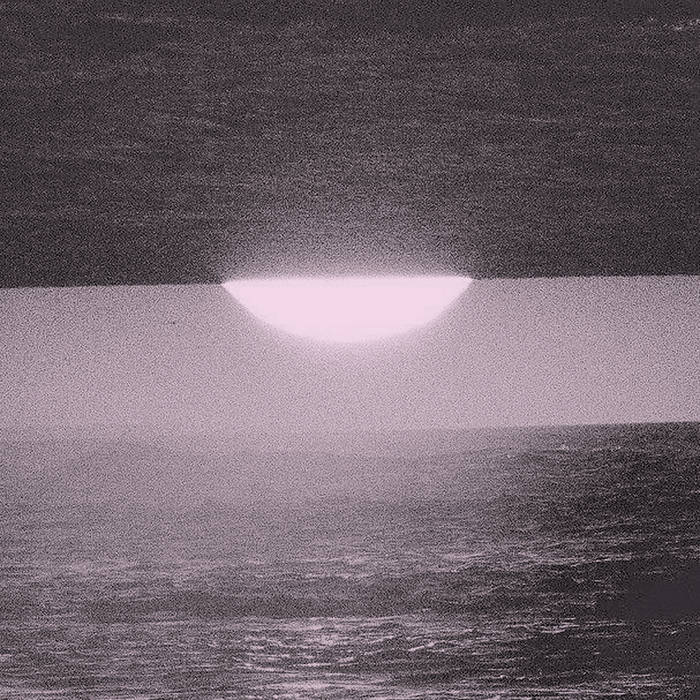
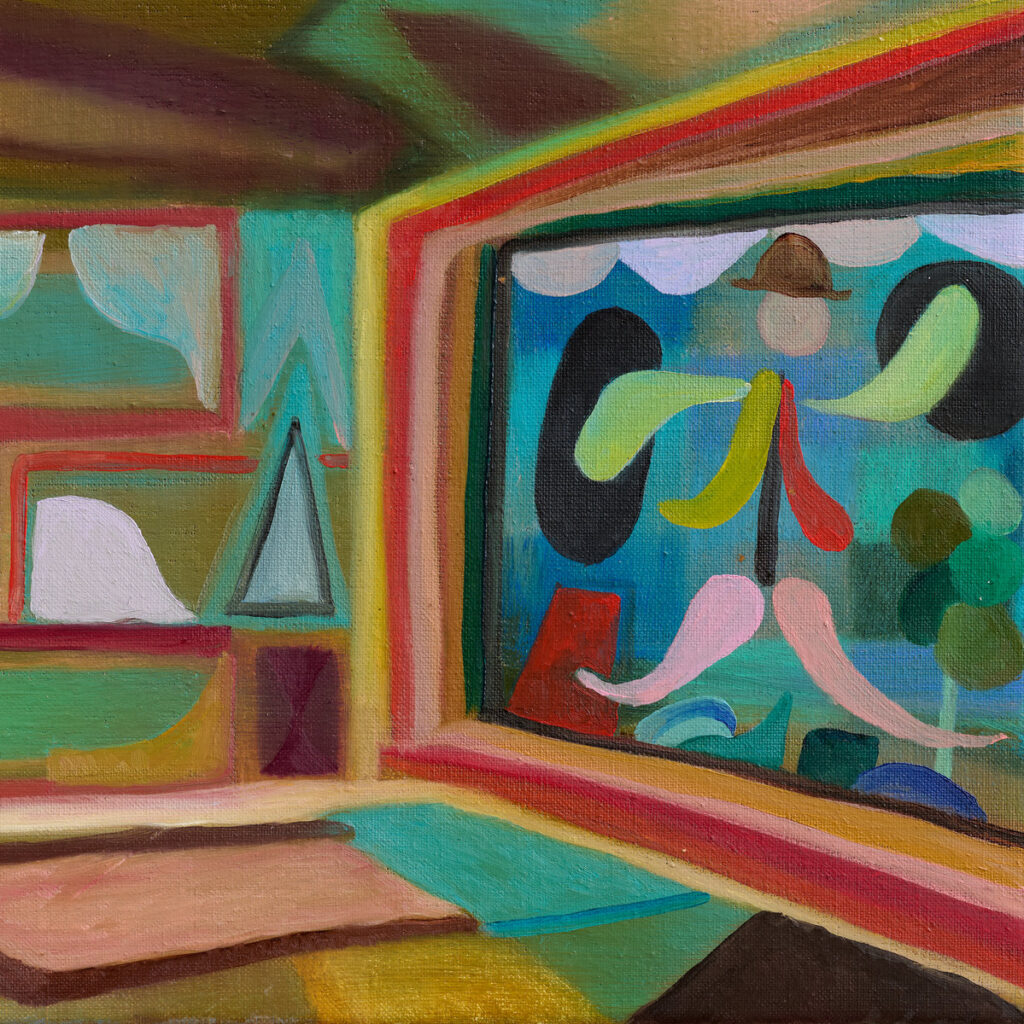
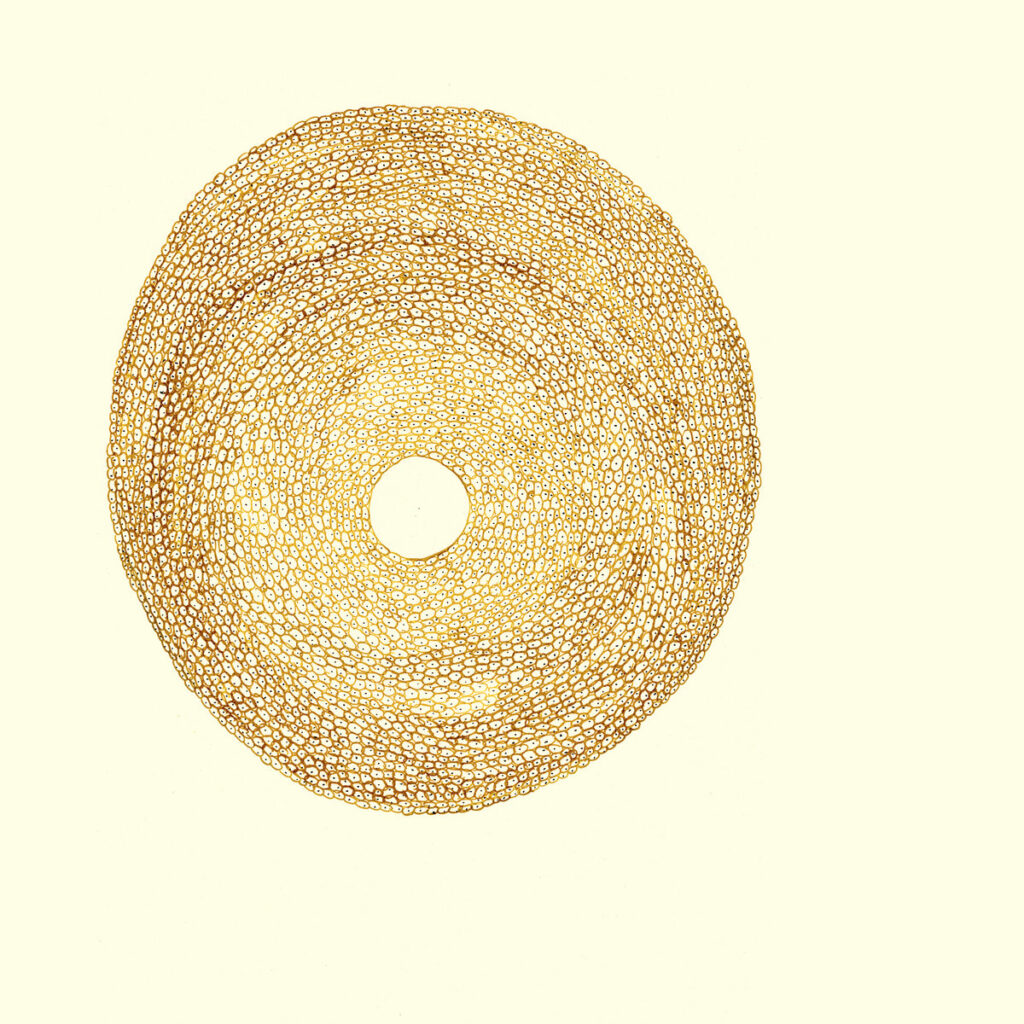
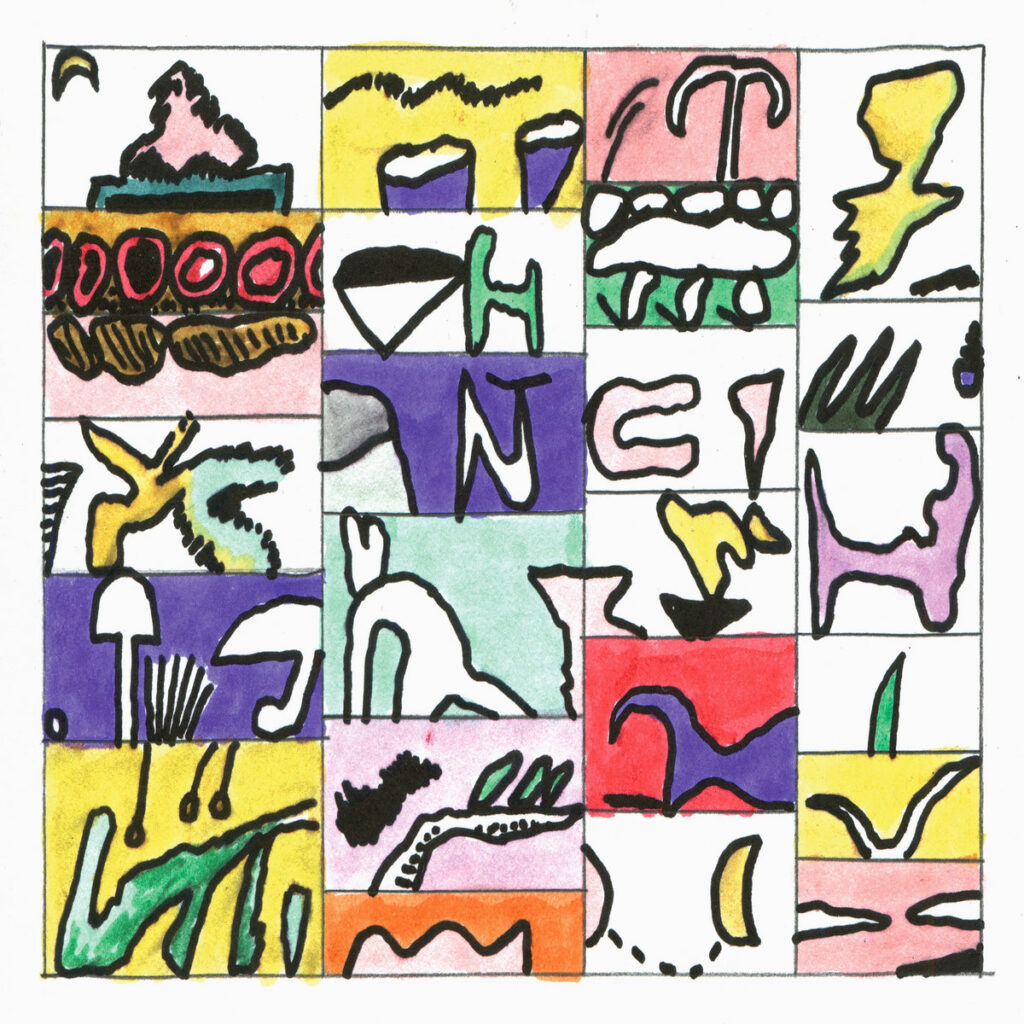
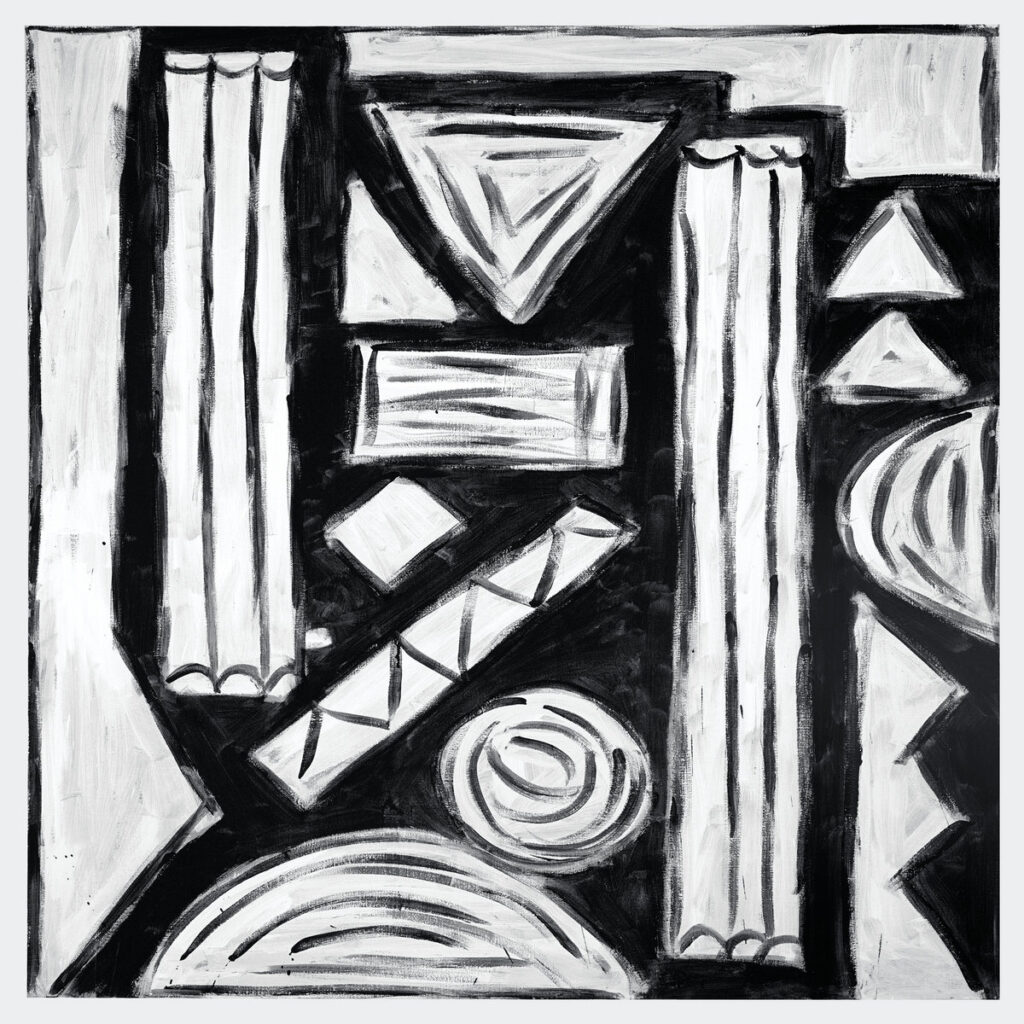
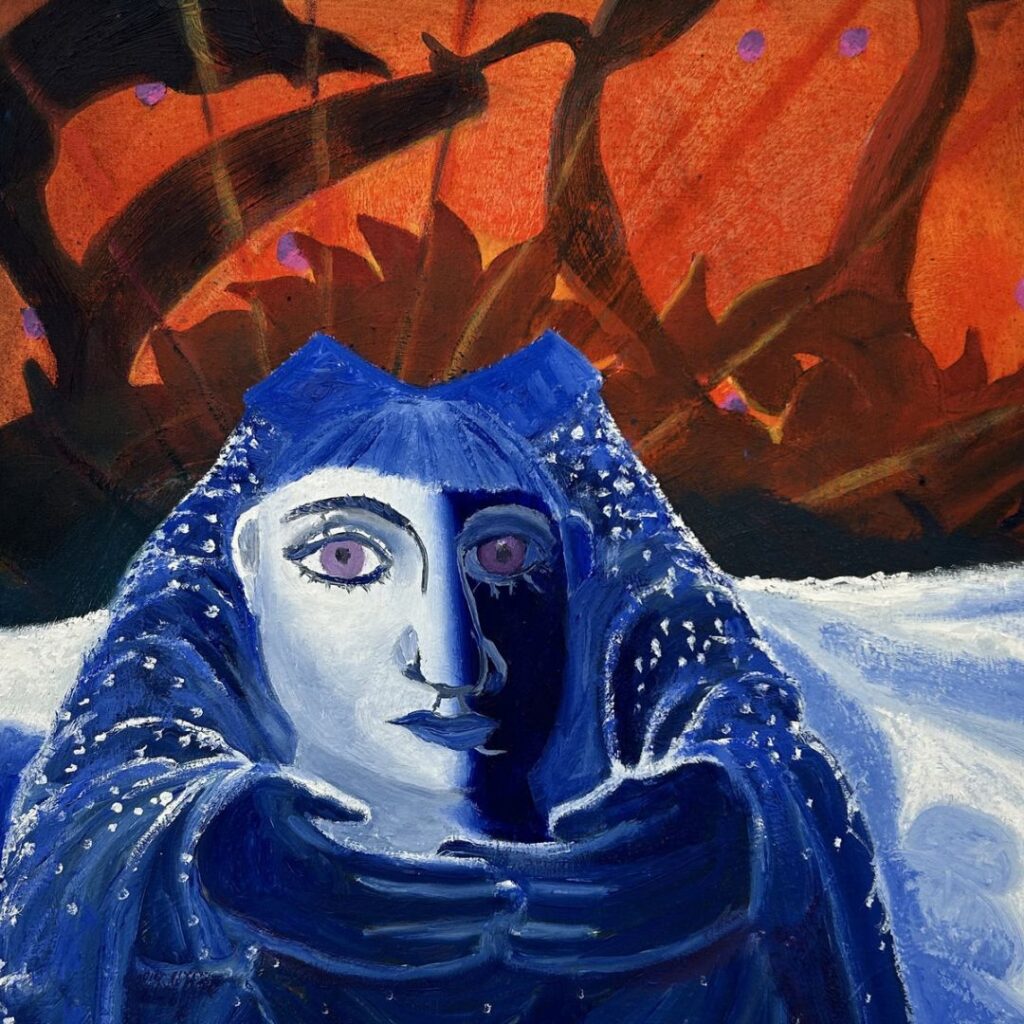
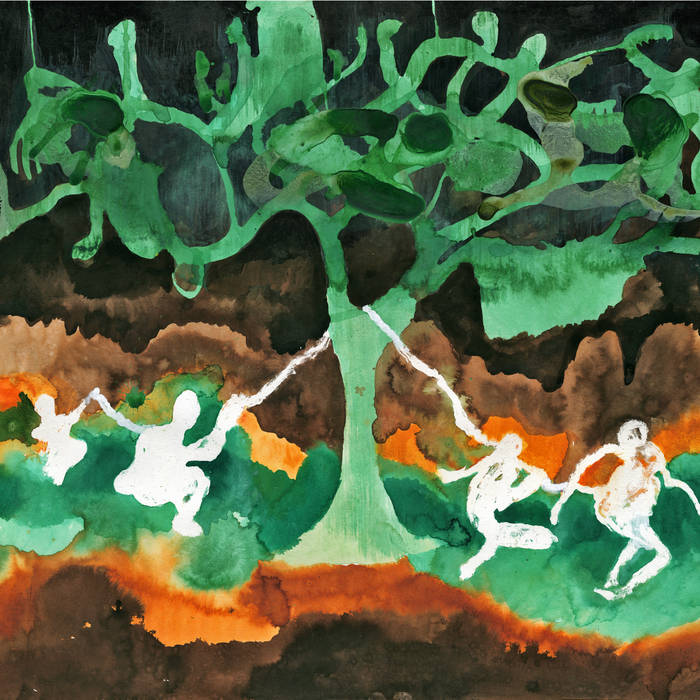
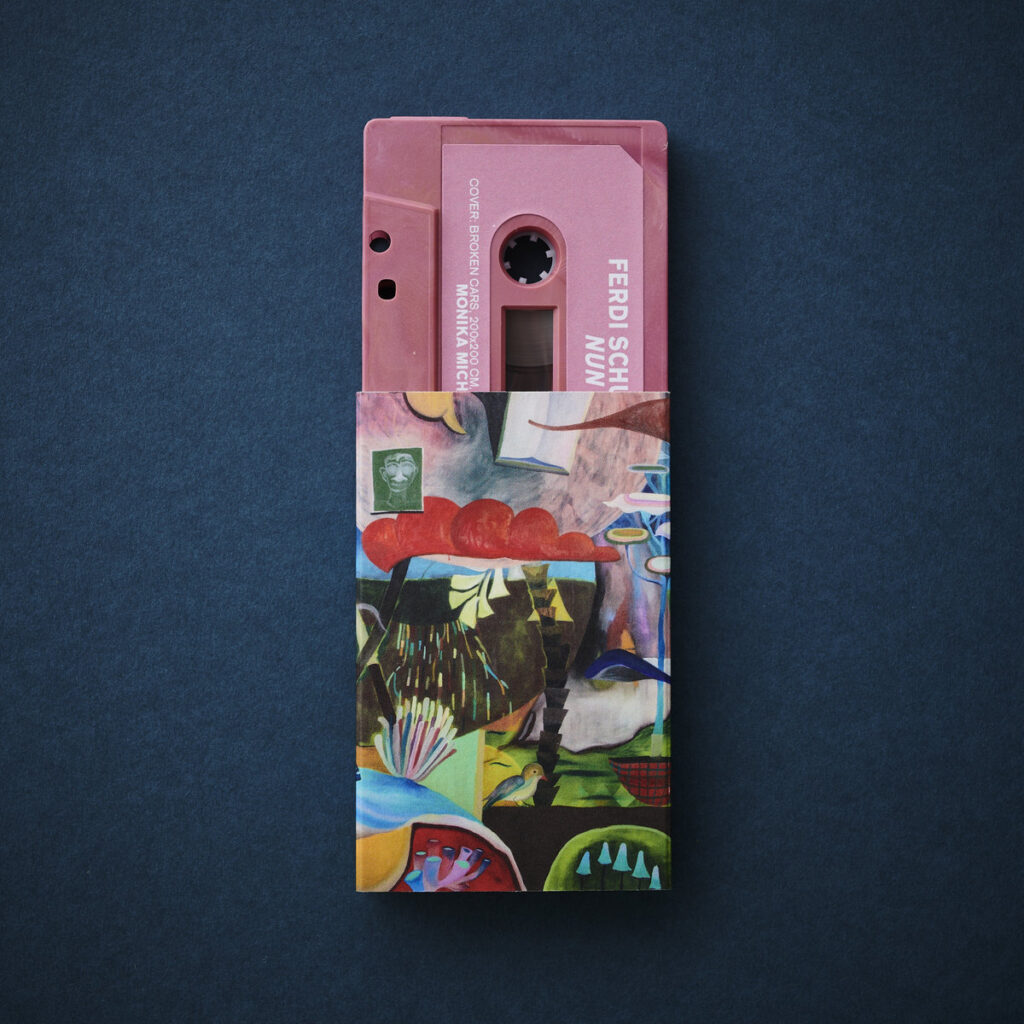
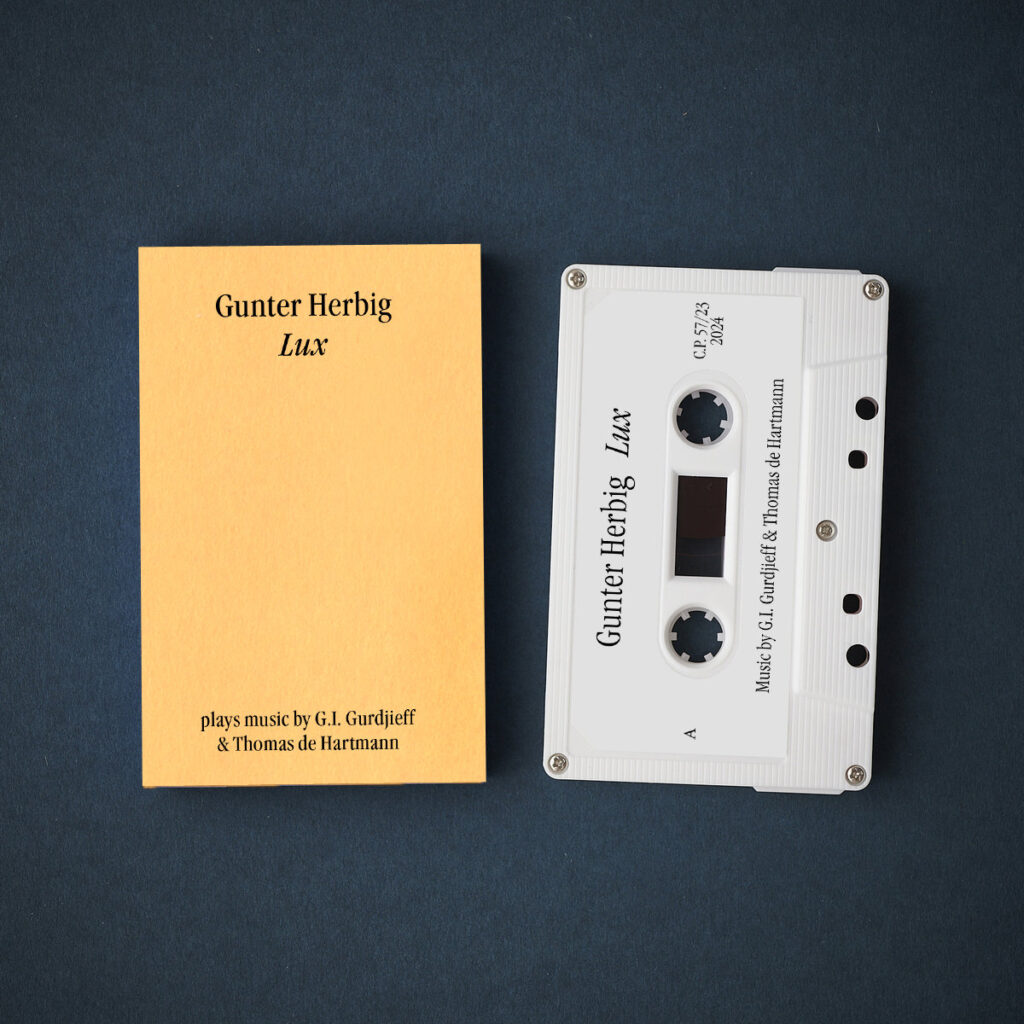
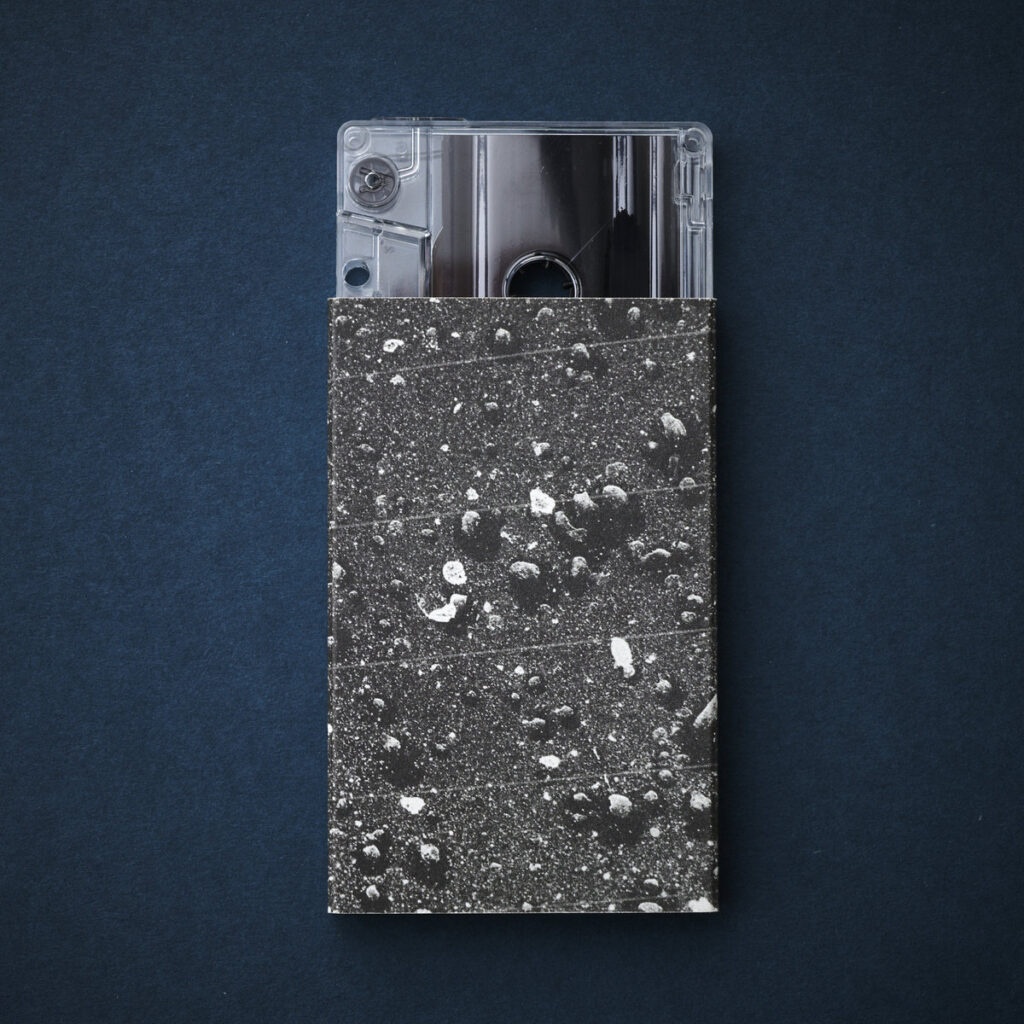
When it’s time to release a new album, I think about which visual artist’s work or style fits the music. One important aspect of Cosima Pitz is this pairing, one person from the art side and one from the music side. Most of the time, there’s a strong match, visually and sonically.
If a musician wants to bring in an illustration or photograph from outside our core group, I’ll consider it, but it rarely feels right. I see everything as part of one cosmos, a single, cohesive group. If someone joins and integrates into that universe, they usually stay.
Has running the label changed the way you experience sound or art in daily life?
I went to record stores from a young age, digging through vinyl or CDs and picking things based only on the cover. That was before the internet. Running a label now, I’ve come to deeply appreciate the work of labels as cultural filters that collect and curate with care. When you discover a label you trust, you know there’s a sensibility behind it, a set of choices that creates a kind of musical home.
I think that role is becoming more important again, with real people shaping taste rather than relying on playlists and algorithms. It feels empowering, almost political. Power to the people!
With art, my perception has shifted more toward aesthetics. The impact of visual work doesn’t go straight through my body in the same way as music. Listening feels much more direct. Music hits the stomach or the heart, while visual art is often filtered through aesthetics. Both can move you, but in different ways.
Is there a certain resonance you look for when deciding to release someone’s work?
It’s very subjective, but I’ve always just followed my feelings. A lot of art today is made in the head. It’s very conceptual and can feel a bit cold. I’m always looking for something warm, something that comes from the heart. I’m a thinker myself, but I’m drawn to art and music that bypass thought and go straight to the body. I look for work that comes from something real inside the artist.
A lot of your releases feel like they’re hovering between worlds, not fully here and not fully elsewhere. Is there a texture or sensation you’re drawn to?
I think that feeling comes from moments when the music or art becomes transcendent and allows you to go somewhere else. It gives you space to find yourself, get lost, or simply stop thinking about what you’re hearing or seeing.
I’m more strict now when it comes to deciding what that is. Over time, my sense of these “worlds” has become clearer. Even extreme releases, like a record built on just three electric guitar chords and drums with a hard rock energy, can correspond to something very soft from another artist. Both are searching for a state of transcendence in their own way. In that sense, it’s an energetic experience, and that energy can be found in any style or genre.
Do you think of your releases as connected by a thread, or more like fragments scattered in the same landscape?
I see them as part of the same kaleidoscope, just expanding over time. I don’t think that will change much anymore. All the musicians I know, ama s, Ferdi, Minze, and others, are constantly working on new records. My role is simply to release the next album when it’s ready.
I feel that a group of about twelve core collaborators is enough. It’s more about a sense of community and continuity than expansion. That idea of a collective was part of the original vision when we started the printing press.
I’m proud that I’ve stayed with Cosima Pitz for so long. In the end, it’s mostly a question of energy and money. Energy is easier, because the work itself gives me energy. Time and money are the real challenges, especially with three kids.
What about your own artistic practice? Do you still find time for it?
Maybe at some point I’ll reach a place where it feels right to return to my own practice. But for now, my focus is on connecting artists and holding space for their practice. They’re all trying to survive too, working jobs and making music when they can. The romantic idea of the artist living a carefree bohemian life isn’t real. It always includes the hustle.
That’s also why I think it’s important that Cosima doesn’t become a “business” in the strict sense. If it did, it might not feel right anymore. When I work with a musician and a track doesn’t feel quite right, we can take three months to sit with it and try new things. I always tell the artists that we have all the time we want. That freedom is essential to the process.
Collaboration and collectivity seem central to how you work. What kind of future do you imagine for that way of working?
For me, the collective aspect is emotional, maybe even psychological. I sometimes think of it in terms of consciousness. You have your individual consciousness, your subconscious, and then there’s a collective consciousness. It explains things like two people thinking of each other at the same moment.
With Cosima Pitz, I hope something like that continues to grow between the artists and musicians, that the work resonates on a subconscious level, not just as a collection of records. I hope the connections deepen over time and that people feel part of something shared rather than separate.
In the past, art collectives were common. Artists inspired and challenged one another, shared resources, and shaped a vision together. That feels more rare today. But the more collective something becomes, the more awareness shifts outward. You stop feeling only for yourself and begin feeling with and for others. When that happens, you’re no longer carrying the weight alone. You’re sharing it.