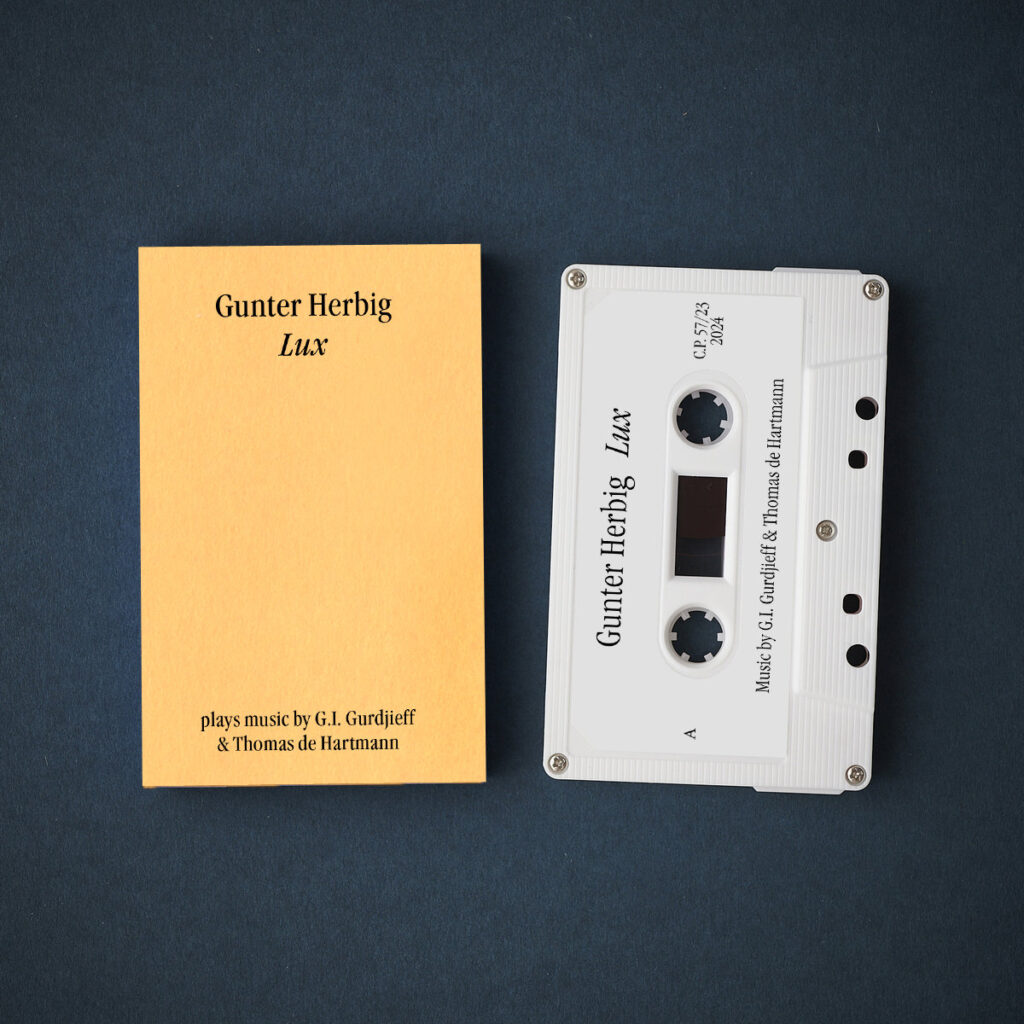
• Mary Hurrell’s selections for the tender and tangled
    Mary Hurrell’s selections for the tender and tangled

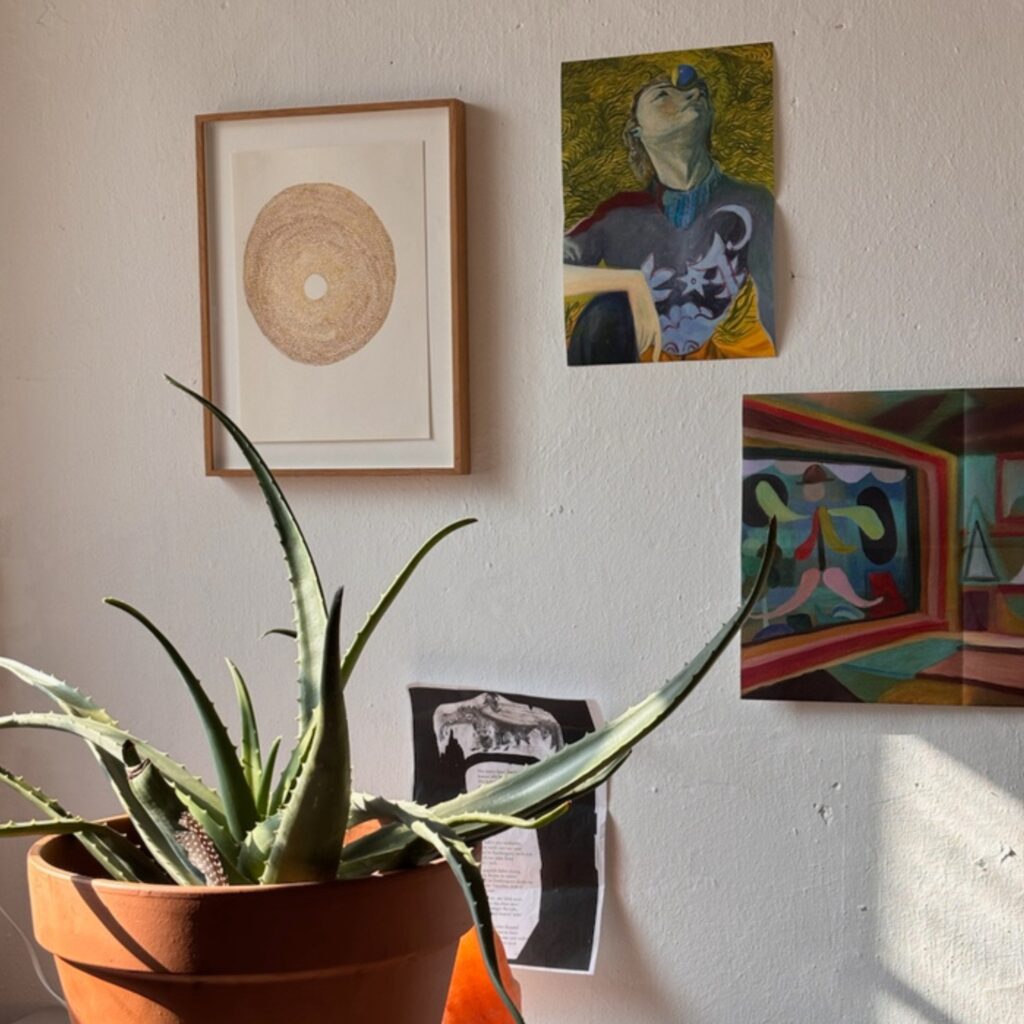
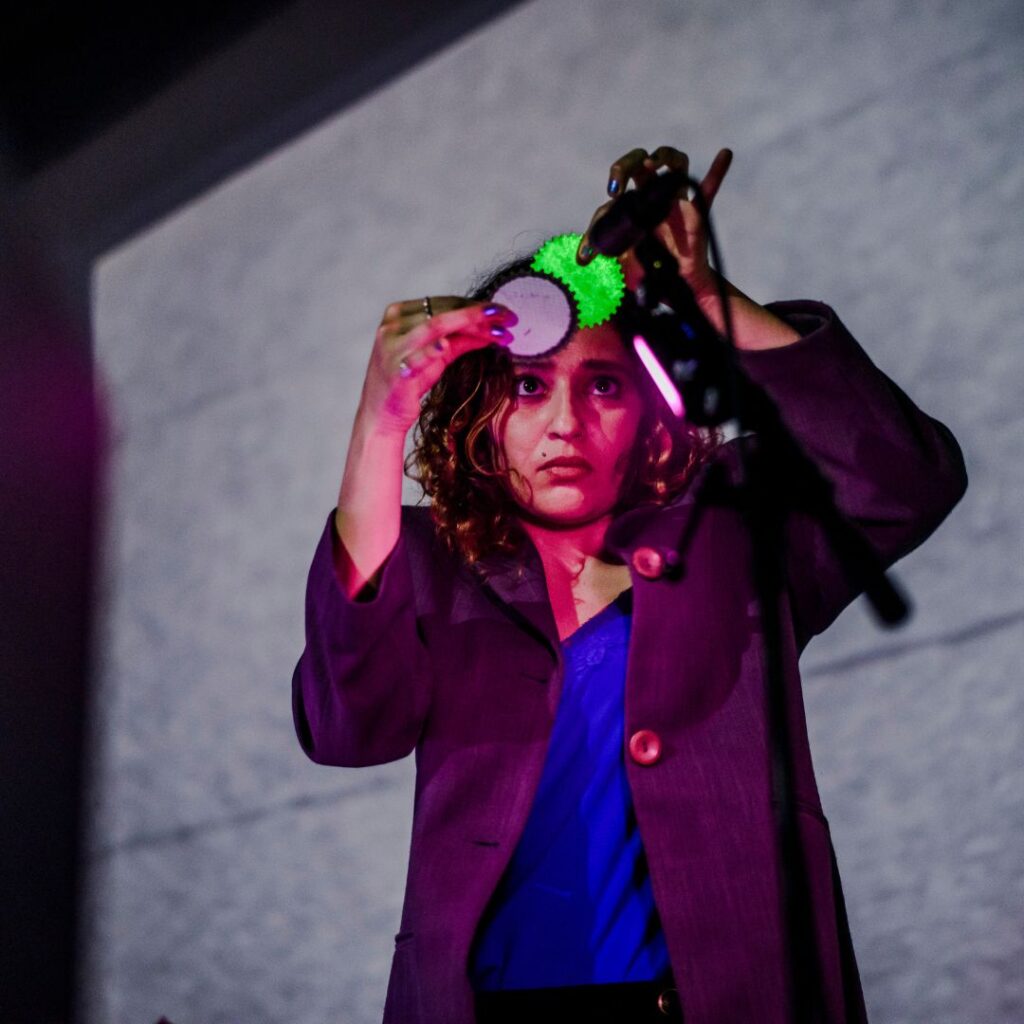
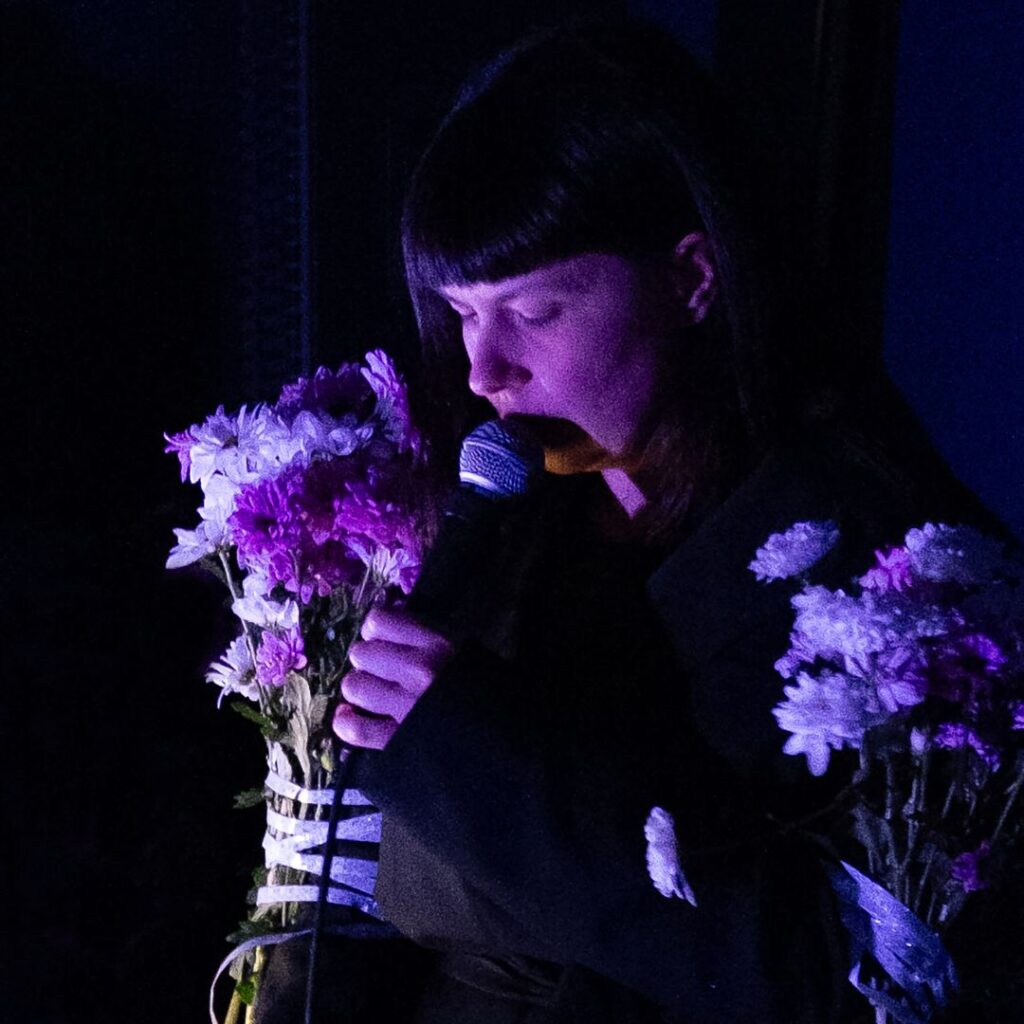
    Some feelings arrive all at once: joy with grief, tenderness with tension. The works Mary Hurrell has gathered move within this overlap. They don’t resolve so much as stay open, circling the edges of something familiar but hard to name.


    The ability to hold contrast in the same breath runs through all of Mary Hurrell’s work. An artist, composer, and vocalist based in Bristol, she moves fluidly between music, performance, sculpture, and writing. Her soundscapes—built from voice, electronic textures, rhythmic pulses, and warped field recordings—explore the meeting points of physical and psychological experience, often moving between sensation and emotion, form and feeling.


    She shares: “This selection embraces the bittersweet, the experience of feeling love and sorrow at the same time. It draws from artists and pieces that inspire me with their depth of feeling, rawness, honesty, and beauty. It also reflects my ongoing artistic preoccupations with inbetweeness and intimacy, and how, in these troubled times, keeping love and mourning close can feel like a way forward.”

    O&S_Mary_Hurrell_Mood_List
    SOPHIE – L.O.V.E.

    Love at first listen. This was the first song I heard by Sophie, and it hooked me immediately. Sophie’s music is tender, brutal, playful, elastic, expansive. She left us too soon.

    Roni Horn – Pink Tons (2009)

    I have long been a fan and felt a strong connection to the work of Roni Horn. Her practice engages with the bodily and the sensory, playing with notions of identity and mutability, ‘presence’ and the invisible. I’m very interested in ideas of precision and fluidity, lightness and weight. When I experienced Horn’s Pink Tons in the flesh at Tate Modern in 2009, it made a big impact. The sculpture felt like music to me: physical and emotional, beyond the visible.

    Mica Levi – Love (Under the Skin Original Motion Picture Soundtrack)

    I’ve always loved film soundtracks, and Mica Levi’s are some of my favorites, particularly Under the Skin and Jackie. For me, Mica has the ability to speak through music and express the internal world of the character they’re writing for, creating a kind of emotional fluid that runs deep beneath the image.

    Rei Kawakubo / COMME DES GARCON – Spring/Summer 2025 Collection

    Comme des Garçons fashion designer Rei Kawakubo is known for her avant-garde designs and her ability to challenge conventional notions of beauty, gender, good taste, and fashionability. To me, the Comme des Garçons collections are moving, breathing artworks—body sculptures and environments that transform the body, often presented with strikingly contrasting soundtracks. I love the way Kawakubo explores in-betweenness, the space between boundaries and disciplines, and reconfigures notions of the body’s internal and external landscapes.

    Björk / Nan Goldin – Prayer Of The Heart

    Two of my long-time heroes, Björk and Nan Goldin, collaborated on the multimedia installation Heartbeat in 2001. I remember seeing it at the Barbican in London and being moved to tears by the combination of Goldin’s images and Björk’s voice. The work explored themes of intimacy, love, transience, relationships, and vulnerability. It consisted of 245 projected slides by Goldin and a soundtrack by Björk, Prayer of the Heart, composed by John Tavener for Björk and performed with the Brodsky Quartet.

    Ikebana

    Ikebana is the Japanese art of flower arranging—a centuries-old practice that involves the careful placement of flowers, leaves, and branches to convey a feeling or emotion. I think about composing music, performances, and artworks in a similar way: how to express a feeling through the arrangement of elements, textures, and forms, and how to create balance and harmony through asymmetry.

    listen to mary’s music

    continue reading

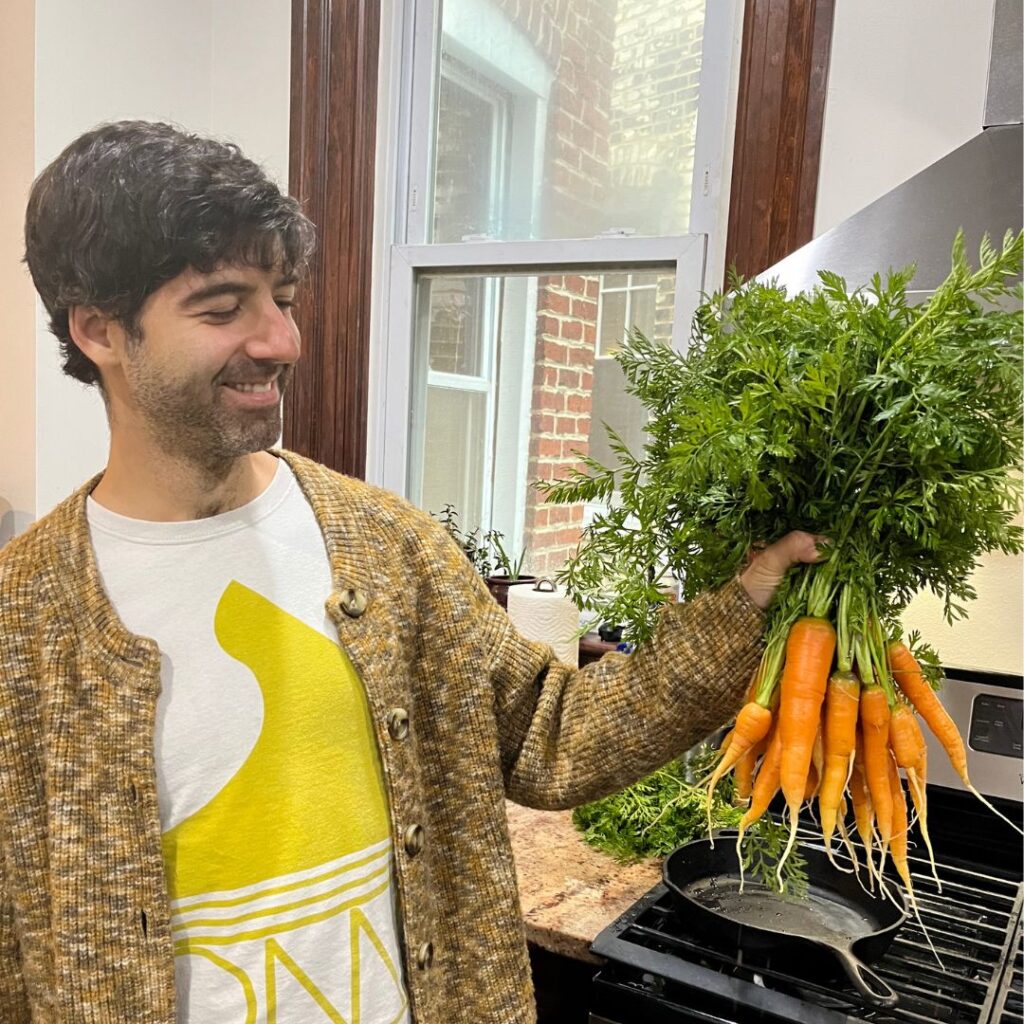
  • Dreaming of new worlds with soo:k

    Dreaming of new worlds with soo:k

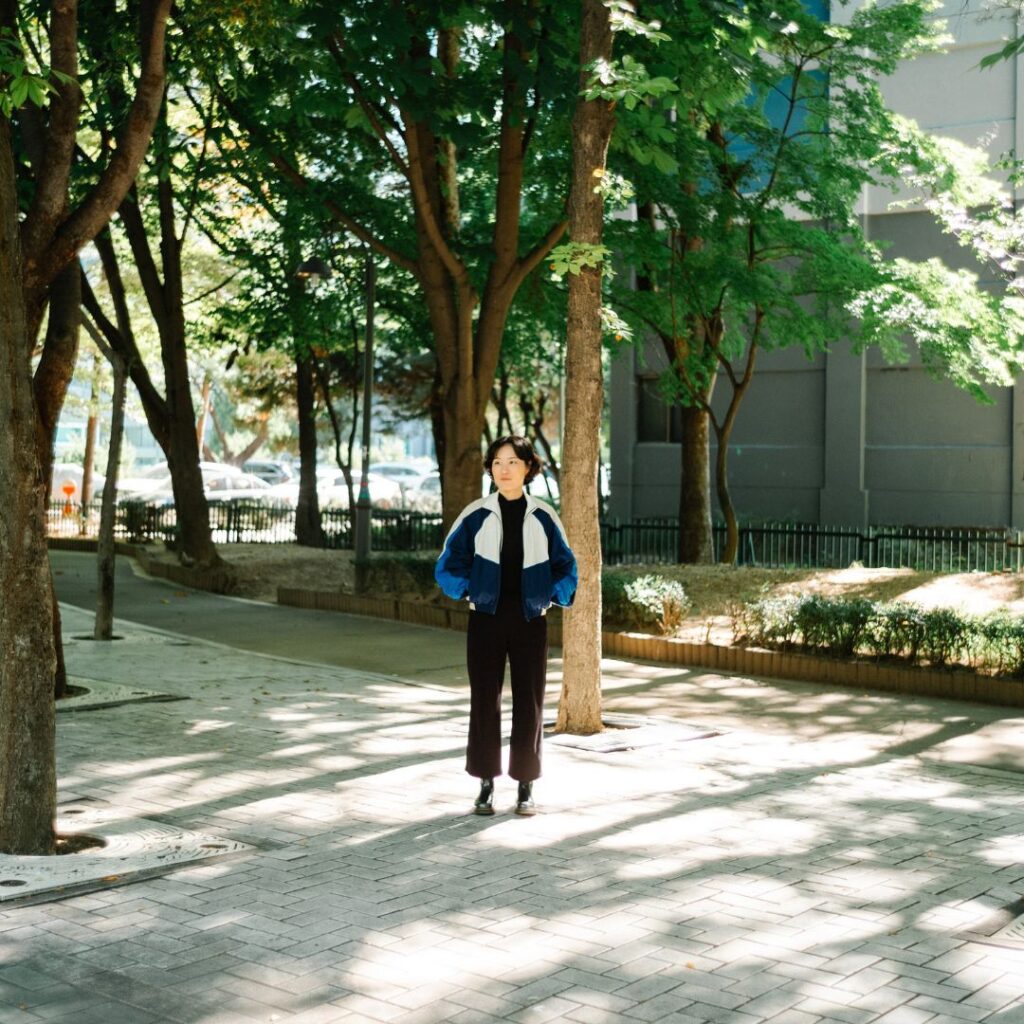
    soo:k’s journey into music carries the weight of lived experience. Having previously worked in the humanitarian field, her encounters have shaped her understanding of resilience and fragility, and of the dualities we carry through life. 


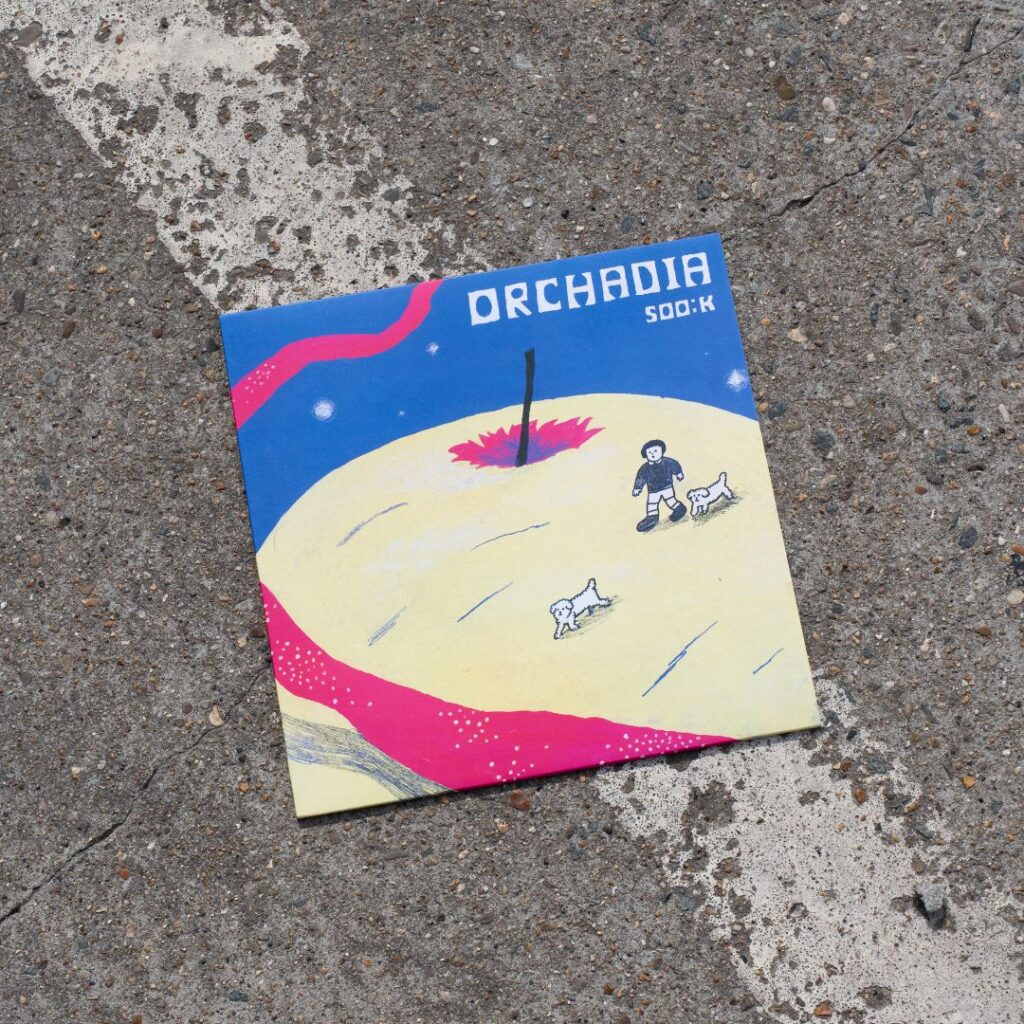
    This interplay comes through in her electroacoustic debut Orchadia which glitters with utopian light while carrying something darker just beneath the surface. It reflects Soo’s way of seeing the world, and how she thinks about music. She sees it as both a refuge and a collective force, a space that can heal, resist, and hold hope all at once.


    As we spoke, she reflected on dreaming beyond reality and why living boldly and fully is essential to her creative process. Talking with Soo reminds us of the many ways art can shape how we imagine and inhabit the world.

    How did your debut, Orchadia, come into being? Was there a moment or feeling that set it in motion?


    It was actually based on a dream. I had this vivid vision of a garden, similar to an orchard, where a variety of creatures lived, and each fruit seemed to have a life of its own. The next day, I started creating a series of tracks, and it quickly developed from there. I had a strong feeling that I needed to share the music I was making. I’ve always produced and made music, but I never had this kind of feeling before.

    soo:k Mood Talk O&S

    Where did the album name come from? 


    I first called the album Lost in the Fruit Garden, but as I thought more about the world in my dream, I felt there was something I wanted to express beyond that.


    The name Orchadia is a word I made up. It’s a blend of ‘orchard’ and ‘Arcadia,’ the Greek concept of an idyllic, pastoral place. I dream almost every day, but this one stayed with me.

    When you dream, do you hear sounds or see images?


    It’s more images than sound, but when I wake up I can quickly translate them into music. My imagination runs wild, and my obsession with sound design always excites me to create something new.


    Back when I worked in the humanitarian field, I also dreamed a lot, but those dreams were often about destruction, which left me feeling sad and angry.


    When I started making music, I began to dream of more positive worlds, though, still, there’s always something darker beneath the surface. That’s also part of Orchadia: it’s about the purity I hope for, but also an awareness of the problems in the world.

    That reminds me of a phrase you’ve used when speaking about the album, ‘everything that breathes eventually bruises.’ 


    It’s a phrase that means a lot to me. I think bruises are just part of living, a reminder that life isn’t perfect or painless. Bruises show where we are vulnerable, and that pain and softness can exist together.


    In the album, I wanted to hold both the hard and gentle parts of life without pretending that one cancels out the other. It’s about accepting that duality and not letting it stop us from breathing, growing, or finding moments of love along the way.

    soo:k_Mood_Talk_O&S_2

    What did you want this album to hold, beyond the dream that inspired it? 


    I wanted the album to hold a sense of comfort. If my music can make someone feel something, even if it’s small, that really matters to me. Music and art won’t save the world, but they can heal and make things better.


    When I feel lost or disconnected, music pulls me back, helps me feel, and gives me the courage to continue. It gives me faith in love.


    In Orchadia, I wanted to capture beauty and sorrow coexisting, and invite people to slow down and feel without needing to label it or make sense of it.

    That’s beautifully put. Do you see music more as a response to the outside world, or as a way to process your inner world?


    Both! Sound is a way for me to hold onto memories and dream new worlds. Orchadia is somewhere that can exist outside of reality, a space between memory and possibility. For me, sound acts as a bridge between where I’ve come from and where I want to go.

    It seems like your influences range from classical and folk to new age and ambient. How do you bring all of that into your music?


    I studied classical music as a child, and later discovered experimental music in Germany. I didn’t go out looking for it, but somehow it found me, and I feel like it saved me. 


    I also have a lot of respect for the philosophy of Korean folk singers, who bring a wide variety of sounds and stories into their music.


    I think of myself as a sound weaver. I work with textures, genre doesn’t matter much to me. When I listen to music, it’s not just about sound but also the mentality and meaning behind it. I’m interested in who the person is that’s making the music.

    Are you working on anything new at the moment?


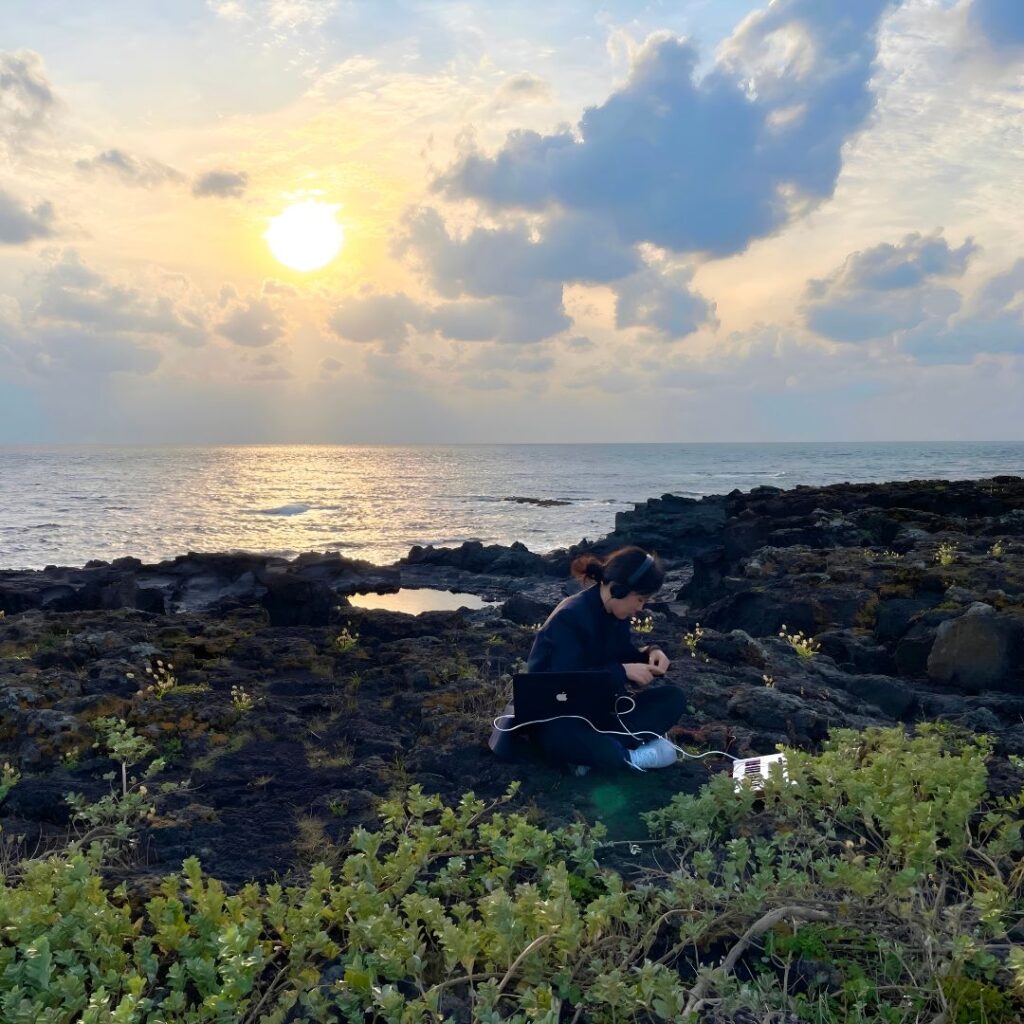
    I’m currently in the middle of several projects: remixing, composing, and collaborating with other artists. There’s always something. I’d also like to bring my interest in humanitarian work together with sound someday. By recording voices, stories, and environments, I hope to create small sonic works that acknowledge lives and places that might otherwise be overlooked.

    When all is said and done, what does music mean to you?


    Music is a way to experience and reflect on the world on a deeper, more personal level. It allows me to explore different emotions, stories, and rhythms. I create from a strong conviction that sincerity ultimately resonates. Even the smallest gestures can carry care and empathy.

    Pictures by Dongil Kim, Lars Duchateau, and Neung Wi Kim.

    listen to soo:k’s music

    continue reading

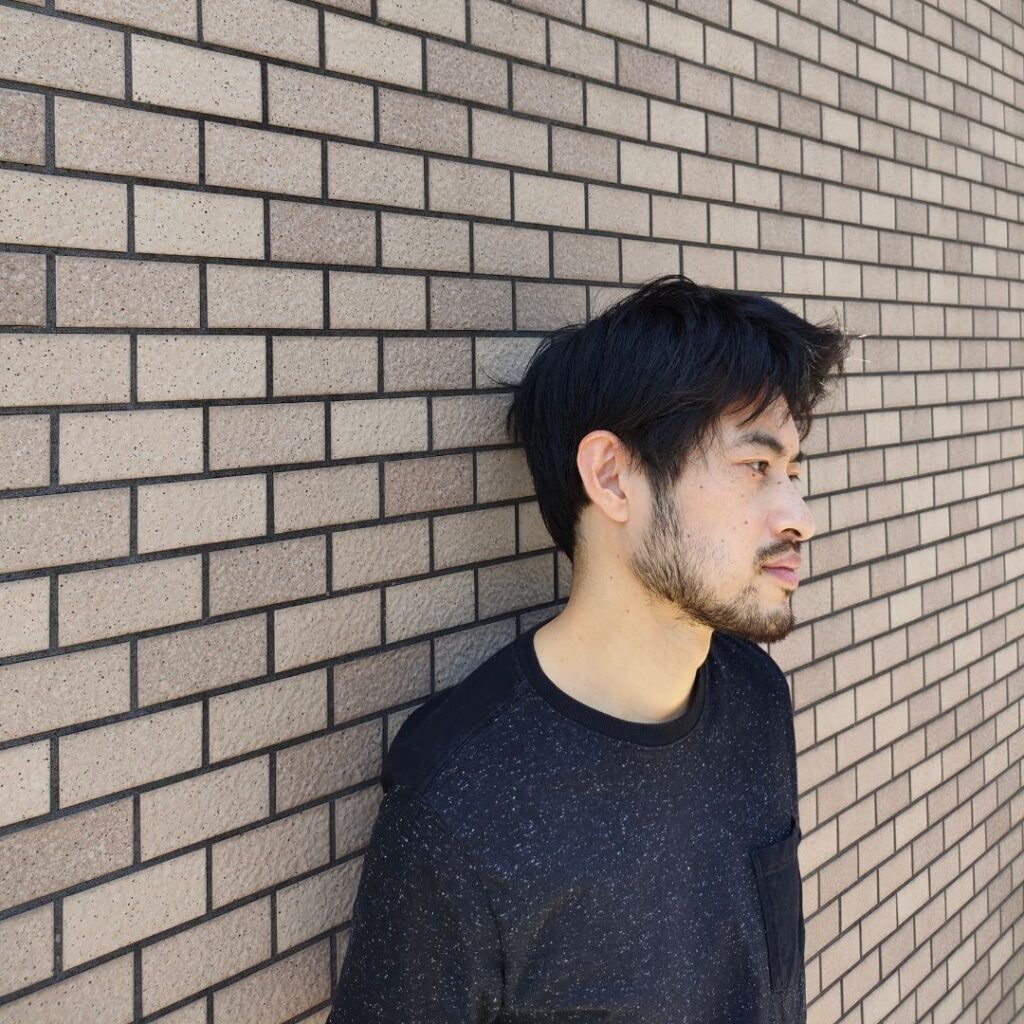
  • Catching the feeling with Damian Dalla Torre

    Catching the feeling with Damian Dalla Torre
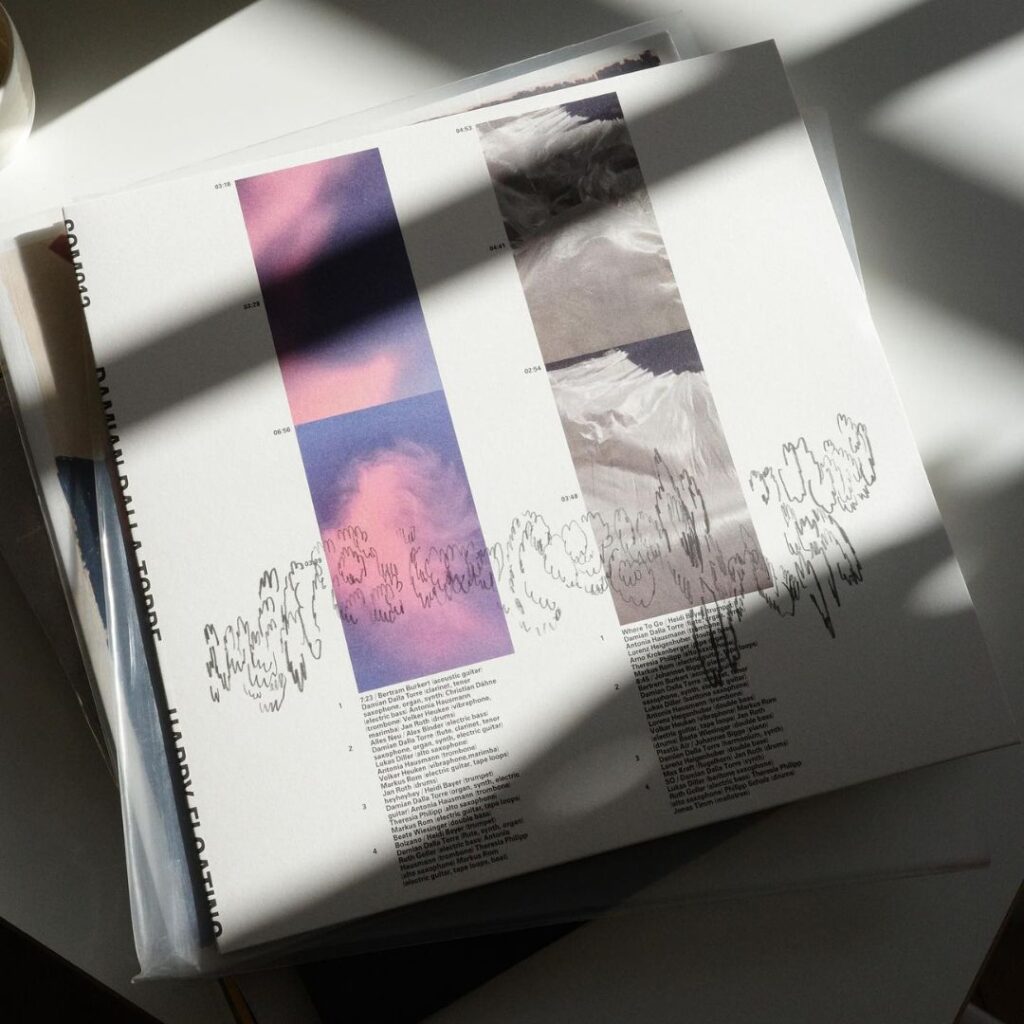
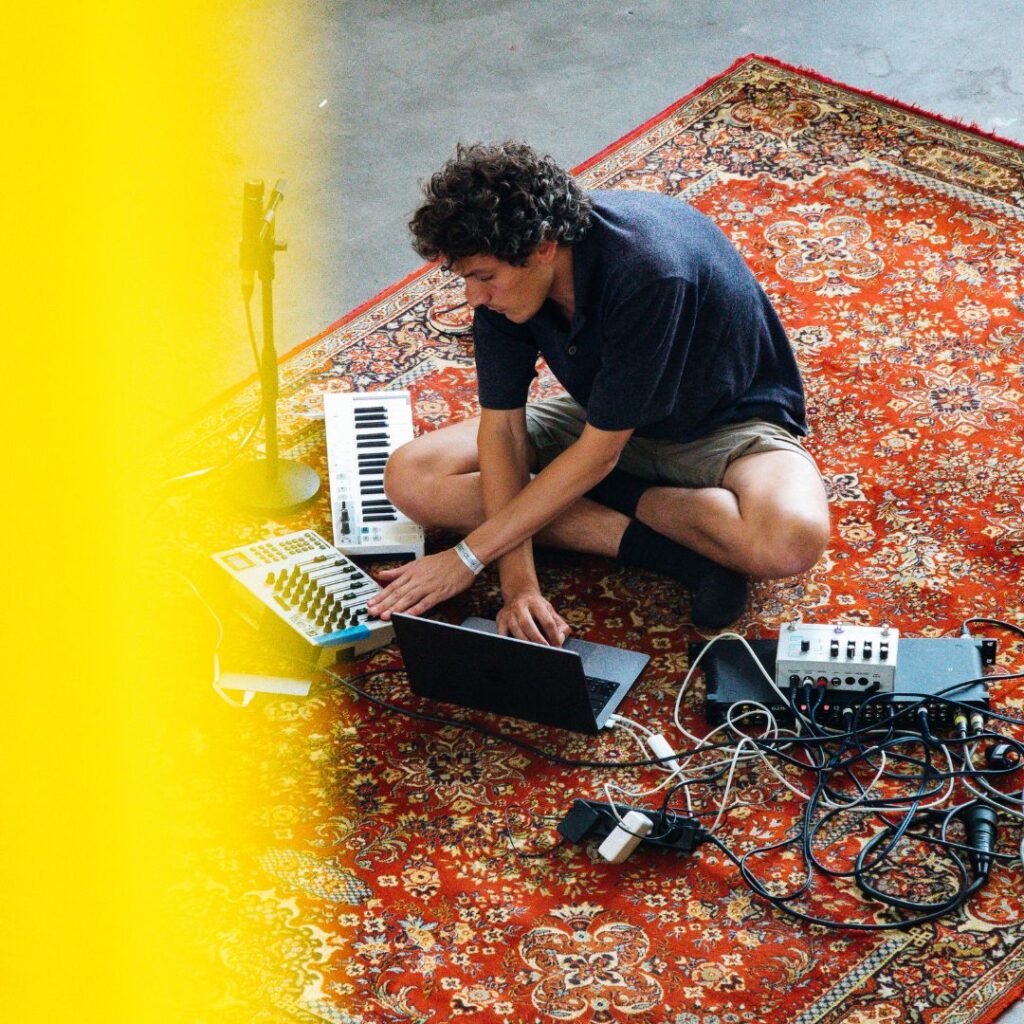
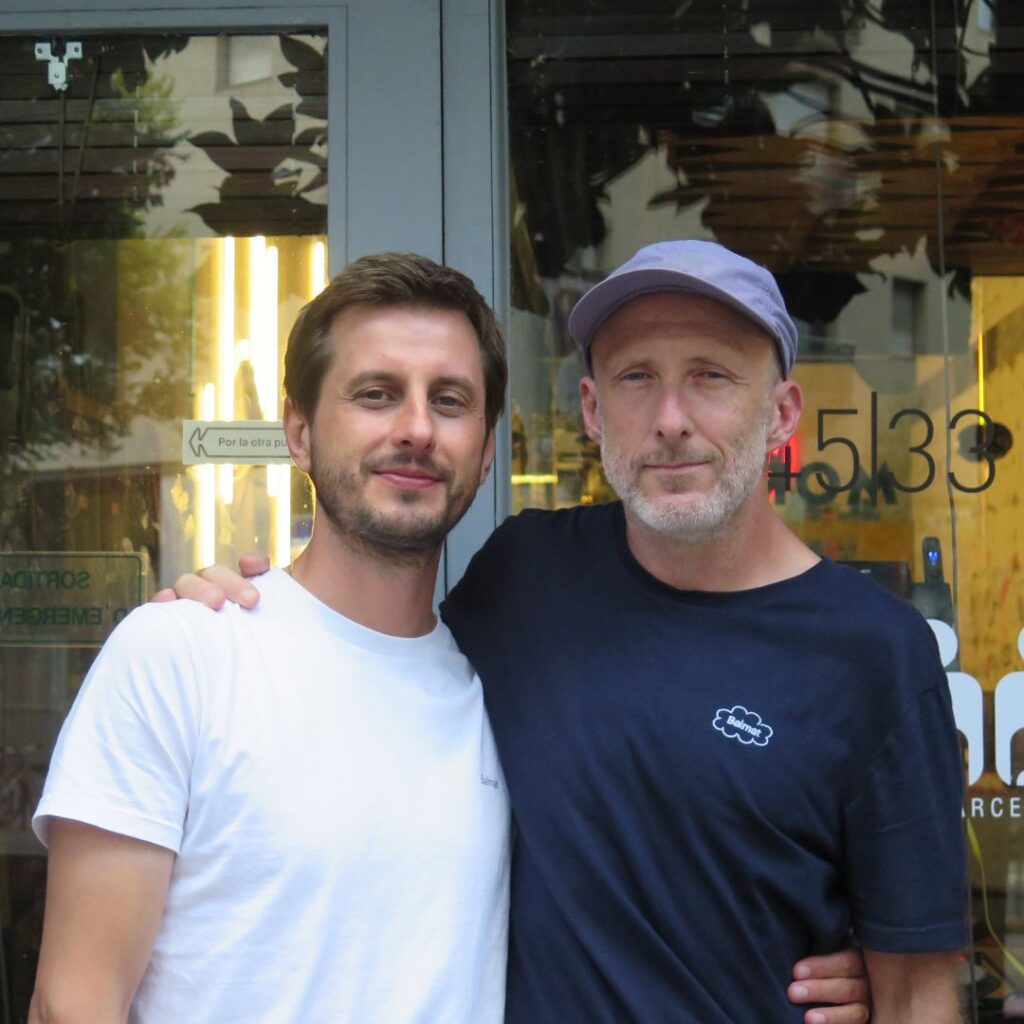
    It’s easy to slip into the pull of Damian Dalla Torre’s music. As a multi-instrumentalist, composer, and producer, he shapes soundscapes that carry a sense of the familiar while pushing into unexplored territory. He draws from a wide palette of sounds and influences, always in tune with whatever moves him in the moment.


    Talking with Damian, you get the sense that music is his way of staying close to himself. For him, real music begins with intuition and presence, and with trusting what resonates. It’s how he connects, how he stays grounded, and how he moves through the world with a certain openness.

    What’s your first memory of connecting with music?


    I remember being in the kitchen with my parents as a child. They put on a CD with a saxophone solo, and we all sang along. I don’t recall the artist, but that moment really stayed with me.


    My family aren’t musicians, but they’ve always had a deep love for music. My father was a DJ in the ’80s, playing in Italian discotheques when he met my mother. I definitely picked up my excitement for music from them.

    You’ve lived in Italy, Austria and Germany, and you also tour a lot. Has traveling or relocating changed the way you approach making music?


    Yeah, definitely. My surroundings and the people I’ve spent time with have shaped a lot of what I do, especially other musicians. When I first moved to Leipzig, I quickly became part of the music scene because everyone was so open. People collaborate across backgrounds and genres, and that made me feel immediately at home.


    Personal connections and a sense of community are the most important parts of being in a place.

    Mood Talk - Damian Dalla Torre - Objects & Sounds

    What other influences have shaped the way you think about sound?


    Reading opens up new ways of thinking, seeing art helps you understand different forms, and engaging with politics can shift your perspective. All of these things feed into the music in some way, even if it’s indirect.

    Is there a certain rhythm or routine you follow when making an album?


    I always know it’s time to make an album when I feel this growing need to immerse myself in a particular feeling and dive deep into it. When I start losing myself in the process, that’s when I know I’m getting close to the music. But it’s not something that happens quickly. It takes time and space to really get into the material and capture the feeling.

    How do you know when you’ve captured the feeling?


    When I truly enjoy the sound, it’s because I’ve managed to catch the mood. I can feel when the music is real to me. That’s part of the process—getting close to my emotions and spending time figuring out what I’m actually feeling. Some people are naturally very in tune with their emotions, but in a world overloaded with information, work, and the pressures of a capitalist system, it’s easy to feel detached. Music is a way for me to process what’s happening, and to reconnect with myself.

    When you’re making music, do you think about how others might connect to it?


    I think it’s less about making people feel exactly what I feel and more about creating a space for them to connect with themselves in their own way. I’m not sure if my music can directly translate an emotion—like you’d listen and instantly know how I feel—but I think it can create an opening for others to tap into their own emotions.

    Your music folds together so many layers, from field recordings to flutes, brass, and synths. You also collaborate a lot. What draws you to this way of creating music?


    I think I just really like layers. I enjoy music where you can keep discovering new things each time you listen. That’s what keeps it interesting. It’s the same with other art forms too. You might notice one thing in a painting one day, and something completely different another day. Or a passage in a book might resonate with you in one moment, and later, a different part speaks to you in a whole new way.


    Music is such an abstract thing. Of course, you can explain it scientifically—how synapses react, how memories and emotions are triggered. But it still has this indescribable quality. I really love it when music has a hidden message.

    Damian Dalla Torre - Mood Talk - Objects & Sounds

    Do you imagine these layers before you start, or do they emerge through the creation process?


    Layers emerge through the process. On my first record, Happy Floating, there were so many contributors who took the music in new directions, which in turn shifted my own perspective. Each new layer gave the whole thing a different feeling, even for me. I’m interested in opening up that process, getting input from others and letting it reshape my own ideas.


    I love seeing how communities create and collaborate. On the East Coast in the U.S., you can feel that spirit around musicians and labels like International Anthem or RVNG Intl. The musicians themselves become layers that add to the music.

    When you think about all the layers you bring together, what feels most defining about your sound?


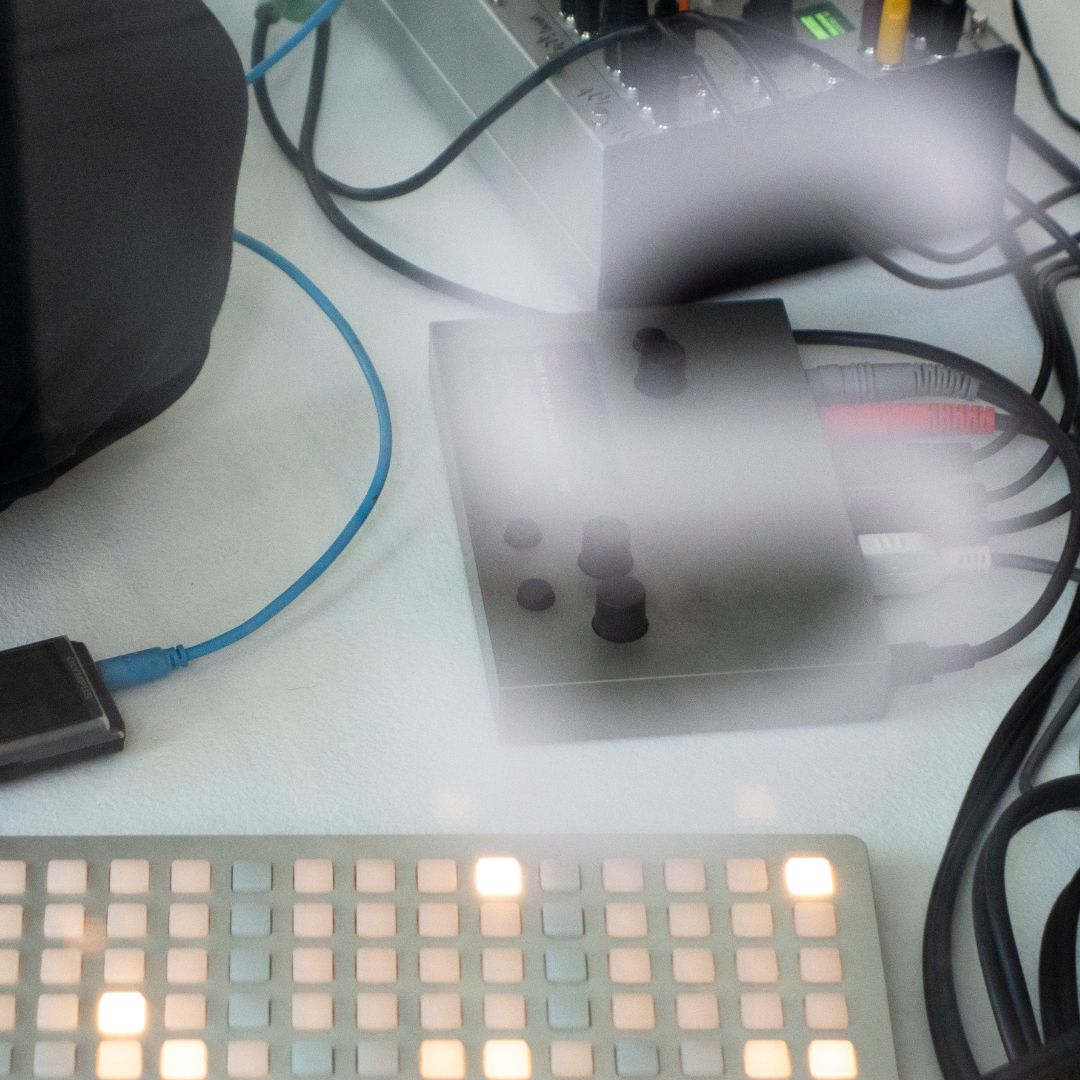
    I’m interested in combining analog and digital—using field recordings or instruments like flutes, and blending them with digital sounds. I often sketch ideas with just a synthesizer, but it always feels like something is missing. I need that human component, that analog warmth. That’s why I like working with other musicians. They bring their own living touch to the music. Mixing something cold and artificial with something organic and human is an approach that works well for me. The opposites create something really special.

    Damian Dalla Torre - Mood Talk - Objects & Sounds

    Are there other layers or directions you feel drawn to exploring further?


    I think I’m always exploring, but more than anything, it’s about exploring myself, my feelings, and finding something that feels true to me. To create real music, you have to make something you genuinely connect with. If it feels real to you, others can connect with it too. By the time I finished both albums, I just knew. There was this sense that something had fallen into place, that it felt right.

    Where is your music heading these days? 


    My music evolves with my experiences, the people I meet, and the influences they bring into my life. When I was making Happy Floating, I was listening to a lot of indie rock and indie pop, and you can hear that in the album. I was also touring with Efterklang at the time, and the energy of what we were doing had a big influence on that record.


    With I Can Feel My Dreams, I was drawn more into ambient music, and that naturally shaped the album.


    Now I’m working on my third album, and I can already tell it’s influenced by techno. I didn’t go to raves much in my twenties, but recently, stepping into that world, I fell in love with the sounds, the atmosphere, the whole feeling of it. I started digging deeper, discovering new artists. I’m always curious to hear what people are producing across different genres.

    listen to Damian’s music

    continue reading

  • Tuning into the everyday with Zander Raymond
    Tuning into the everyday with Zander Raymond
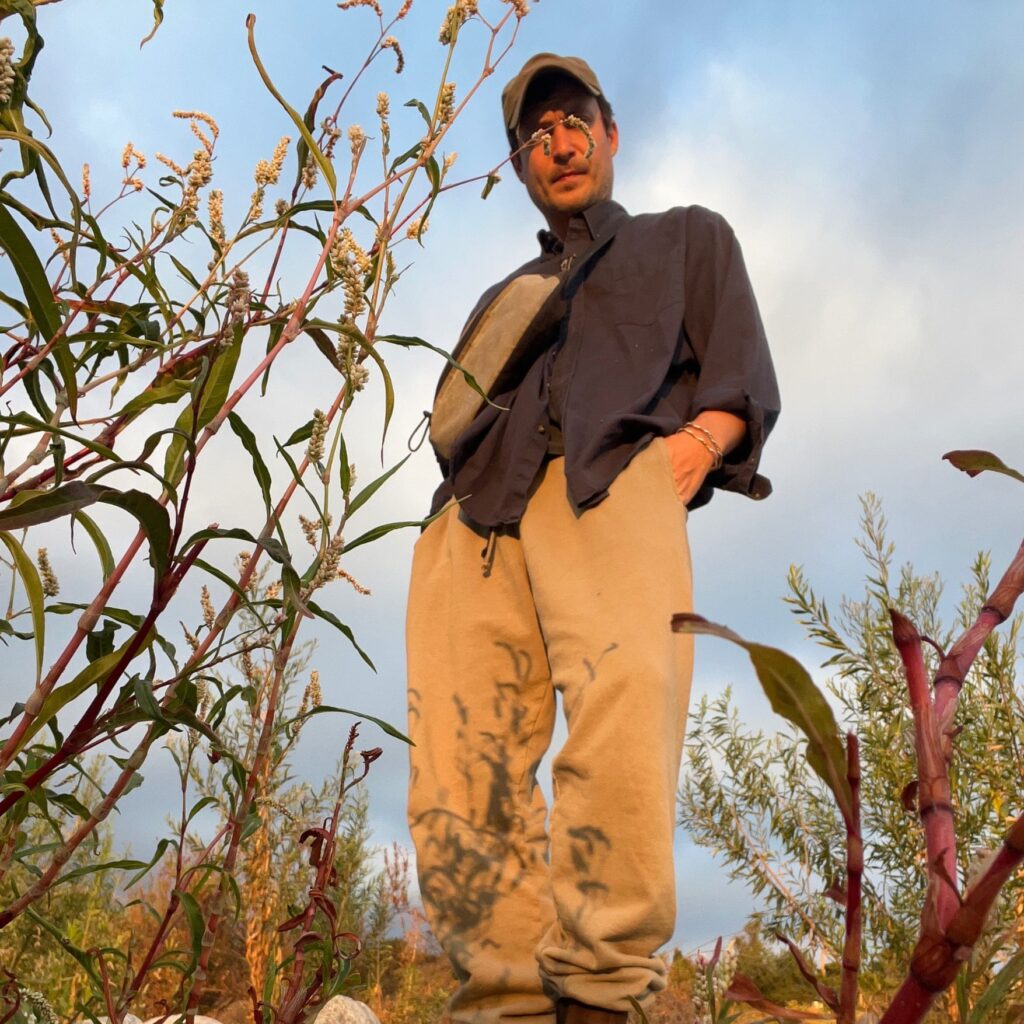
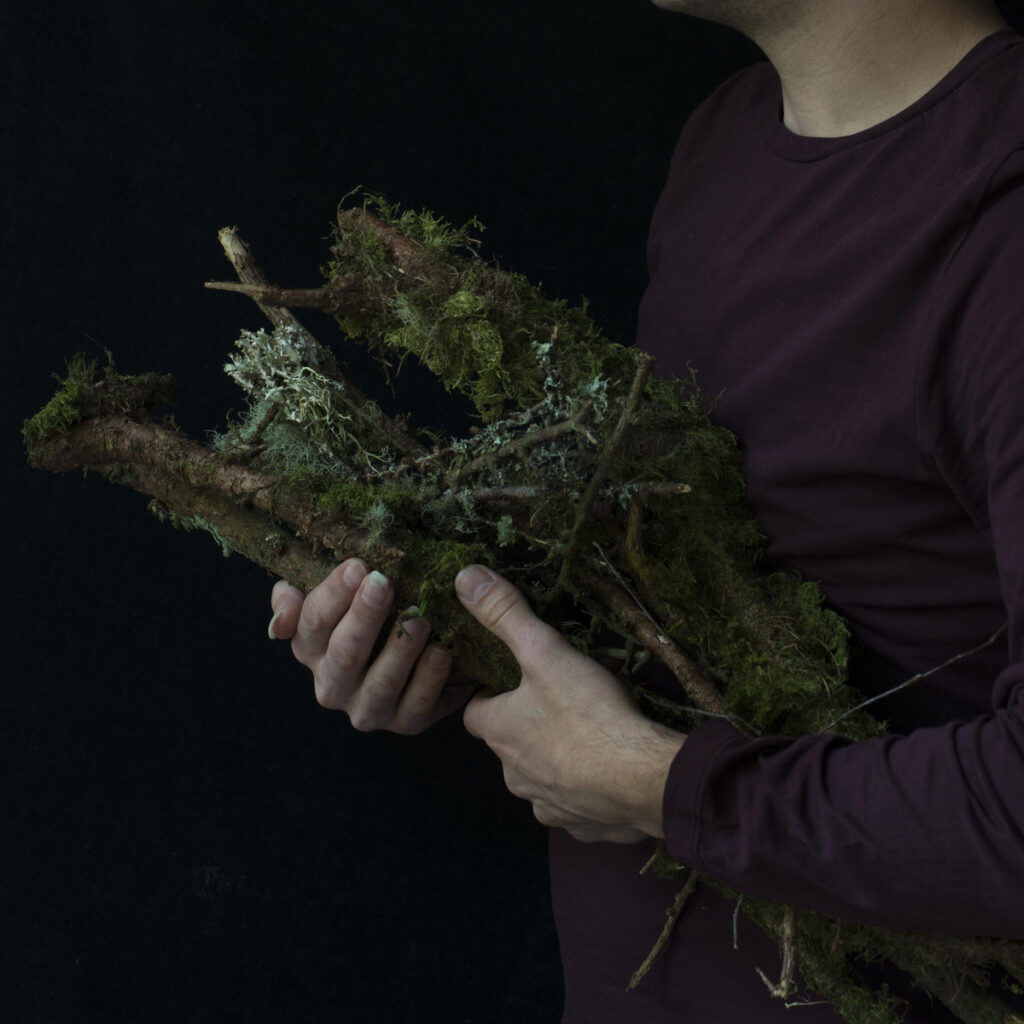
    Zander Raymond sees the world as an archive—where objects, sounds, and memories gradually gather meaning through time and context.


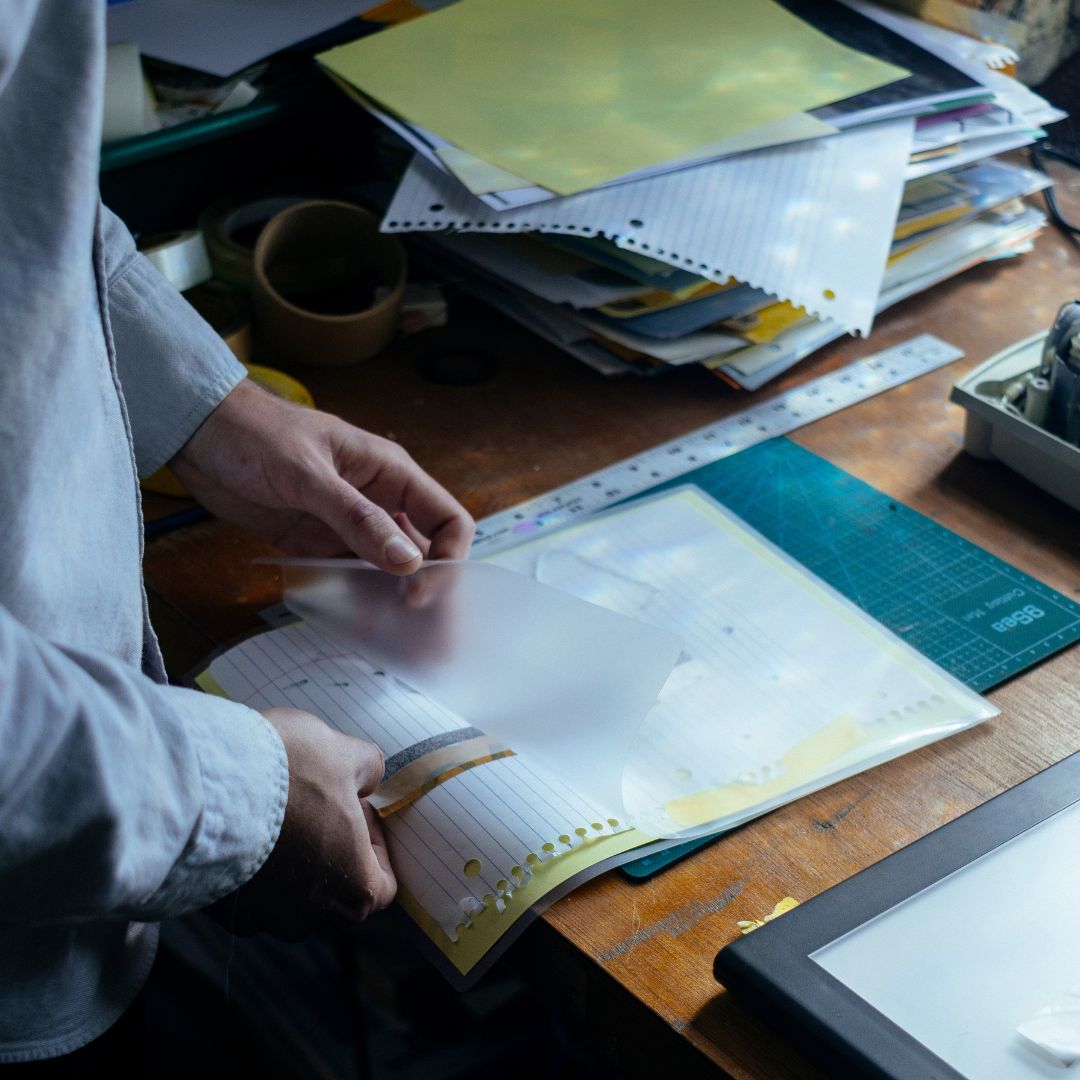
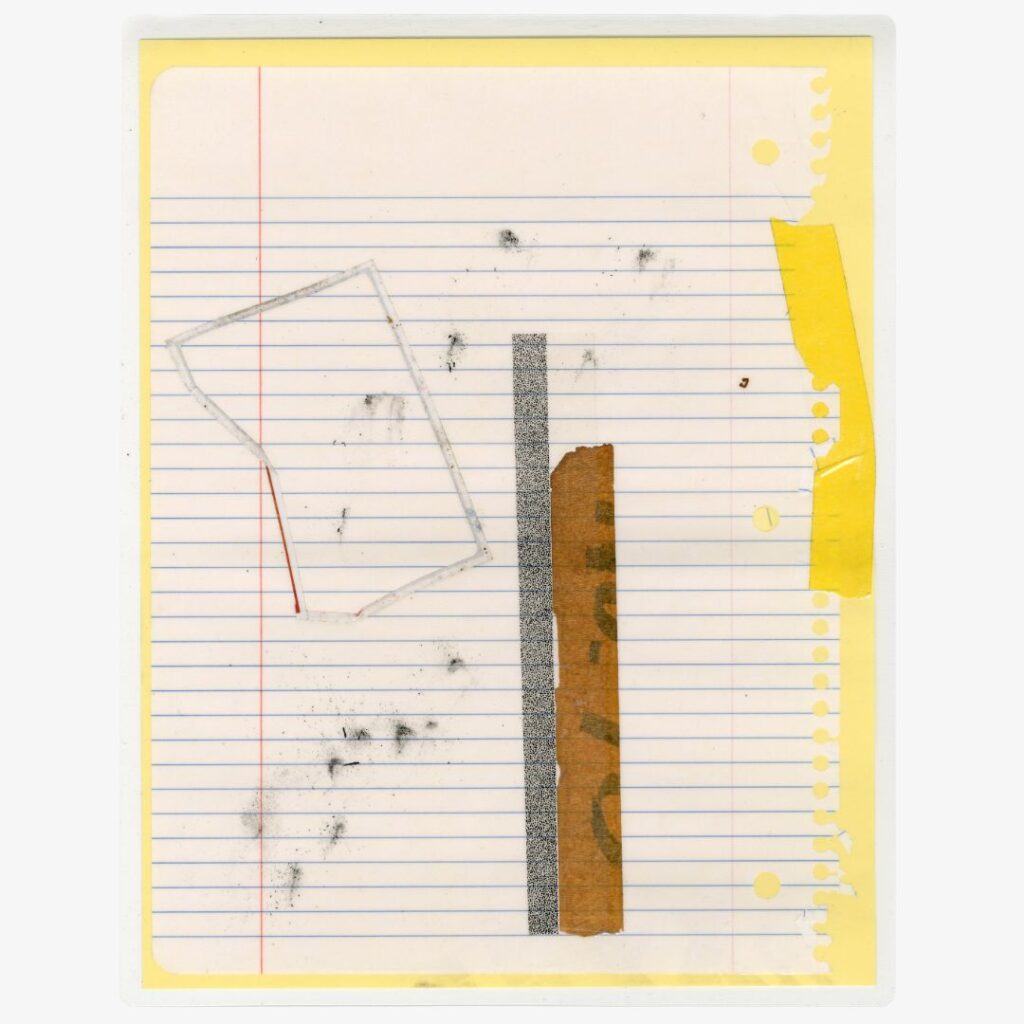
    In both his sound and visual work, Zander Raymond collects overlooked materials and fragments from his surroundings, layering and reworking them through a process that’s both intuitive and deliberate. Material, sound, and autobiography fold into one another, often blurring where one ends and another begins.⁠


    A year after releasing courage left in a tree, Zander reflects on how his practices overlap, how he works with sound, and what continues to draw him to the everyday.


    There’s something open in his approach that makes space for serendipity and uncertainty, leaving room for things to unfold without a fixed direction. It’s a way of paying attention that moves from passing details to bigger questions—and can shift how you look at things too.

    You move between sound and image—between sculpture, collage, and music. How do those practices relate or influence one another?


    I think the output exists in different ways, but many of the same compositional techniques in my collage work also appear in my music-making. I’m interested in texture and layering, and I think that’s evident in both areas of my practice. Sometimes it feels like the lines between the two are blurred, but in my studio, there’s actually a wall that separates where I make collages from where I make music. Even with that separation, there’s always a “door” between them. They share the same air.

    Mood Talk - Zander Raymond

    Do you have a certain routine when you head to the studio?


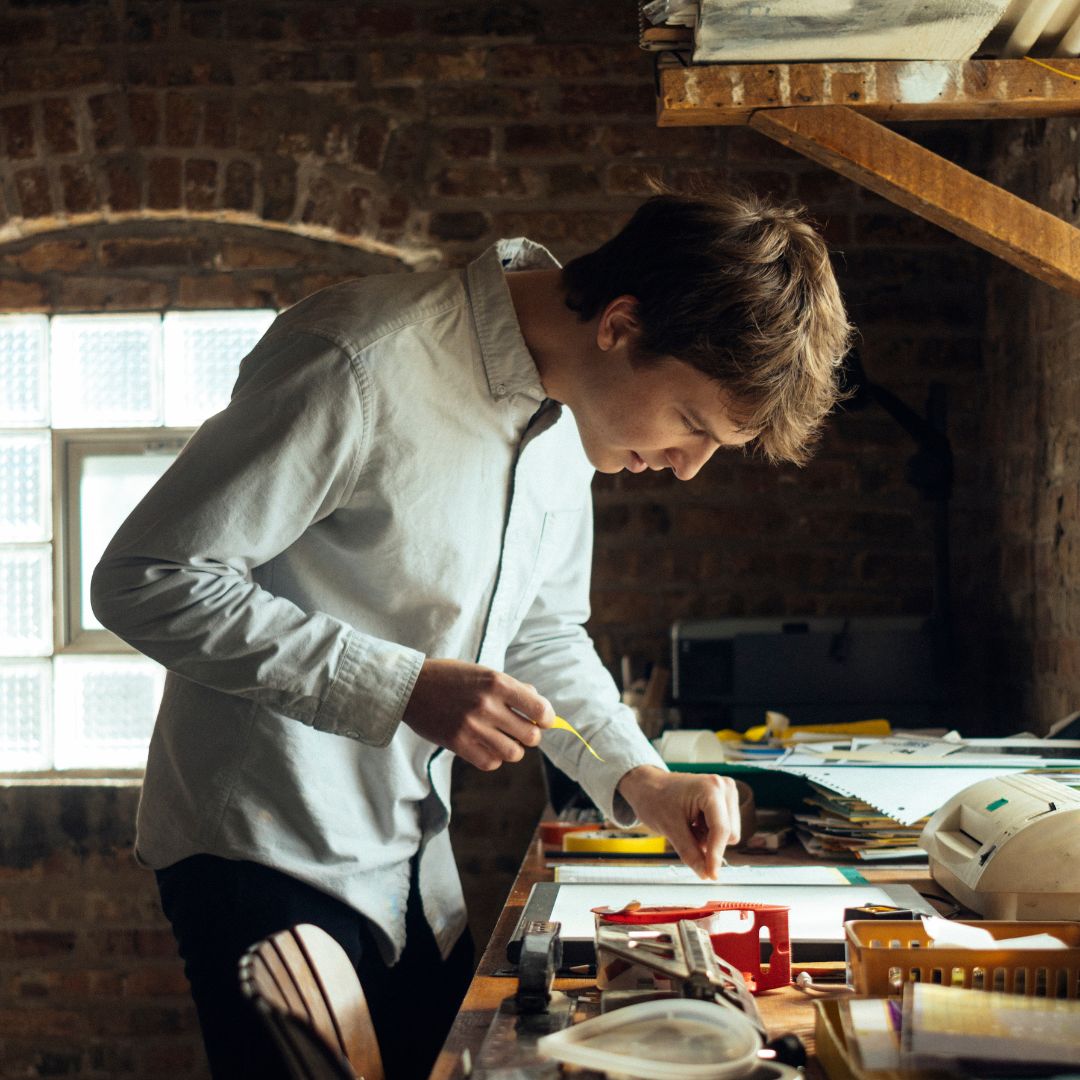
    I go there every day for at least half an hour. It’s around the corner from my house, so it’s very easy to get to, and it’s had a big impact on my work. It’s on the second floor, with insulation above and below me. In the summer, I open all the windows, and it feels like I’m in this strange treehouse in the middle of the city. 


    Sometimes I go back and forth between making music and making collages. Sometimes I stick with one thing—it always changes.

    There’s a huge archive of your collages on your website. Do you consider archiving to be part of your practice?


    I’ve been archiving my entire life. I have binders full of childhood drawings, all numbered and sleeved. I’ve been scanning and documenting every drawing and collage for as long as I can remember.


    In the same way I use old field recordings, I also incorporate old collages and drawings into new work. I’m constantly referencing my own archive. Everything is just layers. It all feels sedimentary, like things settling again and again on the same plane. My favorite part of making—whether it’s music or collages—is when that sediment gets disrupted and resurfaced. That’s where the making really happens.

    Objects & Sounds - Mood Talk - Zander Raymond

    It sounds like your process is less about starting from scratch, and more about responding to what’s already there. Can you tell me more about your approach?


    I think that embedded in every material is a question. Every single object around me holds millions of questions. And that question is always: What’s possible? That’s where the thing begins. I’m listening, looking, reacting, and responding to the pre-existing qualities of that object, or sound, or whatever it is. 


    I never scrap anything, and I only ever do one take. If I don’t like it, I won’t redo it—I’ll just make a new one. Or maybe I’ll set it aside and come back to it later. I think failure and mistakes are the work.

    What inspires you at the moment?


    I’m obsessed with saunas and steam rooms. There’s something inspiring about the strange silence, the buzzing, the condensation. Sonically, steam rooms and saunas are so weird—that feels kind of exciting.


    I’m also intrigued by how I can integrate new forms of storytelling. The autobiographical aspect of my work is already there, but I’m curious about exploring new narrative forms, like experimental opera and the use of repetitive or non-repetitive language. I’m interested in obtuse storytelling.

    Is there something you’re trying to capture in your work?


    I think a common thread running through my work is an interest in weaving in mundane things—like a field recording of me biking home from work, or a scrap of paper I found on the street. These little elements find their way in, and the work becomes a record of time, like an autobiography.


    I use a really small conference recorder to make field recordings, and I never take the files off it. There are no file names, only numbers, and it’s become this ongoing, random archive. I’ll skip through these while performing live or recording and end up making music with a version of myself from two years ago. A sound from the past becomes part of the present.

    It’s almost like you’re in conversation with your former self.  Do you consciously make recordings with that in mind?


    Yeah, I think that’s definitely part of it, but my impulse to make recordings is also rooted in a discomfort with certain sounds in the world.


    I recently worked next to a loading dock where trucks would back in and unload. There was constant booming, creaking, garage doors opening and closing, people talking—all these overwhelming, loud sounds. A lot of my field recordings over the past six months have captured that—all these abrasive noises. By recording, I can shift my mental perception of those uncomfortable sounds. Suddenly, they become music in that moment, just through the act of recording. I like the idea that everything is music.

    Mood Talk - Zander Raymond

    Do you see a distinction between sound and music?


    I’d like to believe they’re the same. Chaz Prymek and Matt Sage made this bumper sticker that says, “Keep honking! I’m listening to aleatoric music, and it’s your turn to take a solo.” I love the thought that everything is music—or at least that music is always happening, ever-present.


    Like right now, I’m sitting here talking to you, but I’m also listening to a pot bubbling quietly behind me. And in a way, that’s the music—I’m too much of an active listener for sound to ever just be in the background.

    Do you try to make space for that kind of listening in your work, too?


    Over the past few years, I’ve been experimenting with what I can slip into music that will encourage listeners to lean in. I’ve also been thinking about the moments before a show as part of the performance. I recently made a recording of myself brushing my teeth and taking a shower before leaving, and then played that recording back during the set. I love moments like that—when I can fold in something personal, something so ordinary that everyone in the audience has experienced it too, and then notice when people recognize it.


    That’s really the thread that runs through both my music and my art—pointing to overlooked things. I love pushing that as far as I can.

    Mood Talk - Zander Raymond

    You seem to work really intuitively and spontaneously. How long do you usually sit with a project before you know it’s finished?


    I tend to make collages quickly, but I just wrapped up a new album, and it actually took a very long time. I kept leaving it, coming back, tweaking one thing, thinking it was done, and then returning. My life also felt much slower—especially in contrast to the period when I was making courage left in a tree—and it’s the first time I really gave myself that much space to work on something.


    Sometimes I feel like I’m improvising my way through. I don’t have it figured out yet, but I think intuition is always there. I’m eager to know what my music will sound like 10 years from now.

    You talked about how different life felt when you were making courage left in a tree. What do you remember about that time, and how do you feel about the album now?


    Listening to it brings me back to a very specific time. I had just finished school and was working four different jobs on opposite sides of Chicago. It’s a huge, sprawling city, and one night, while cycling home late, I put my field recorder in my sock so it was close to the spokes of my bike and the mechanism that makes a clicking sound. That’s what you hear in the opening track of the record.


    It was a very disorienting, confusing time, and I continue to feel connected to those emotions and to the experience of moving through a place. I’m still just as confused now—but more at ease than I was back then. I think being confused can be a good thing. It’s more like a state of being.

    listen to zander’s music

    continue reading

  • Harvesting the sounds of nature with Felbm
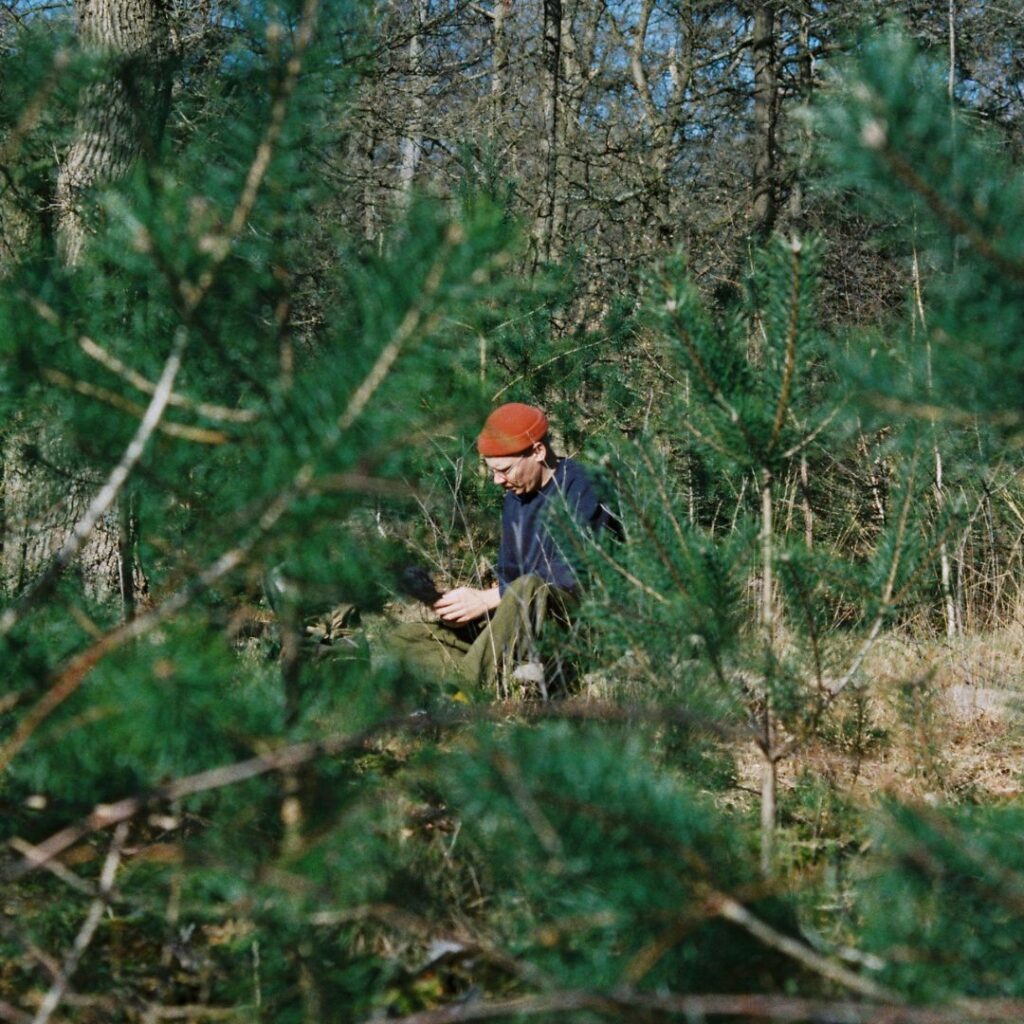
    Harvesting the sounds of nature with felbm

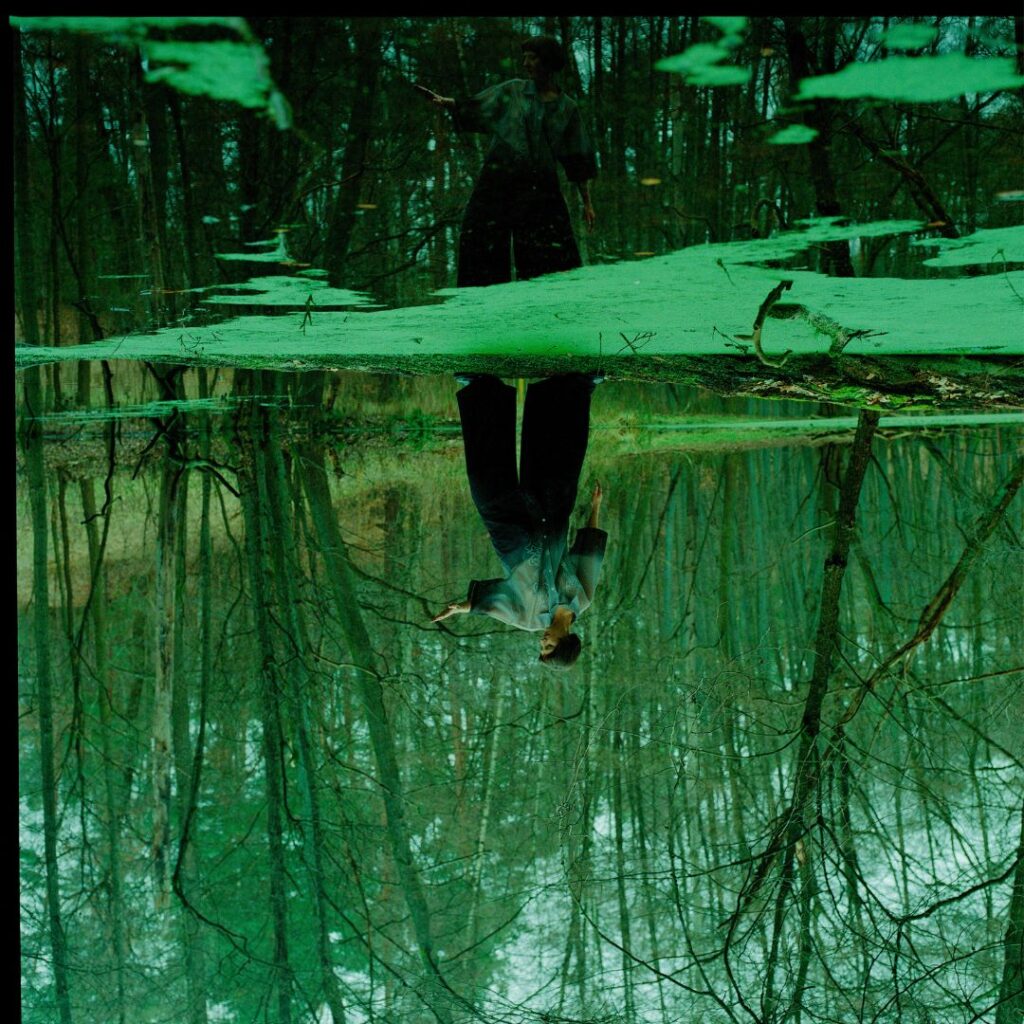
    Like the cycles of the Earth, Felbm’s compositions unfold at their own pace, always moving, yet never in a rush. Documenting the subtle shifts in the seasons, he creates a contemplative space where music isn’t just something we hear, but something we inhabit.


    Talking with Eelco reminds us that we, too, are part of nature’s rhythm—continuously evolving and metamorphosing. He offers this perspective not as a lesson, but as something he’s come to accept through surrendering control and letting go.

    winterspring/summerfall draws inspiration from the cycles of nature, which is a theme that has appeared before in your work. Where does this interest in the natural world come from? 


    I was first drawn to this theme about eight years ago, during a period of burnout. That’s when I started taking more walks in nature, noticing the small changes and observing how everything moves in cycles. It sounds cliché, right? But it pushed me to look inward—asking myself, “What’s causing this? What patterns am I repeating that aren’t sustainable or healthy?” That’s how I started recognizing patterns in my behavior and the cycles of life. That was the starting point for cycli infini, my previous album, where I came to understand that everything is always cyclical. That realization kind of stuck with me for this album, too.

    The album is based on the Japanese calendar. Can you share more about how it works?


    The first key difference is that the seasons don’t begin where they are typically marked in Europe or the Western world. We consider the 21st of March the beginning of spring and the 21st of June the beginning of summer. However, in the Japanese calendar, these dates are actually the midpoints of the seasons. Summer, for example, centers around the longest day, with the period before and after forming the season—which, if you think about it, makes sense, right?


    Then there’s a division into six smaller periods, at least in the calendar I follow. In Japan, they have microseasons, dividing time even further—into 72 periods in total. These are three-day periods, but the calendar I use has six periods per season, each lasting about 15 days. I documented these over the course of one year to make winterspring/summerfall.

    Do you think in sound, or does it come as a response to other forms of documentation?


    I usually make music at the end of each season. I gather material throughout—I take photos, record sounds, write about what’s happening in nature, and sometimes film a little. It’s mostly about taking everything in, so by the end of the season, I have a clear sense of how I can translate it into music. Sometimes I’ll play a little guitar or jot down an idea for a specific moment, but it doesn’t always turn out that way. It’s more about collecting throughout the season and then harvesting it all at the end.

    Objects & Sounds - Mood Talk - Felbm

    That’s a nice metaphor. Is that your general process for making work, or was it specific to this project?


    This is probably the most structured and disciplined I’ve ever been. Normally, my process is more associative, free, and spontaneous. But I’ve been working more and more from a concept, and I like to divide my process into different phases.


    I think there needs to be an open, exploratory phase first, where there is room to collect ideas, impressions, and materials. Then there’s the phase where things start becoming concrete—turning ideas into blueprints—and finally, the phase where they become finished works.

    Are there other themes that appear in your work, or that you would actively like to explore?


    At the moment, my approach is shifting more toward the contemplative aspect—something that can serve as a form of meditation. It’s something that keeps coming back and something I want to create—a space for contemplation through my music. That also parallels my interest in nature, as my time spent outdoors is also about creating space for my mind to meditate and contemplate.

    Do you have a desire, then, for your work to be experienced in a similar way, or in a particular environment or frame of mind?


    I think creating a space for contemplation or meditation—creating mental space, in a way—is something I aim for. I try to make my music feel pleasant and gentle. I’m interested in the soothing space it can create. Especially with cycli infini, I tried to shape a kind of space or dimension where the listener can really drift off and, you know, be somewhere else for a little while. 


    I think I long for that space myself, and I also feel like it’s something many might need or could benefit from. It’s not that I make music for that reason, but it’s always in the back of my mind. I try to make it inviting, so it can evoke that feeling.

    There’s definitely a relationship between nature and escapism. Or maybe it’s the opposite of escapism—it’s about returning to yourself, in a way. From your experiences, what do you think nature can teach us?


    I mean, these things can sound a bit cliché—mindfulness, Buddhism, whatever—but it’s true. Once you see that nature is always changing, you start to realize that everything is always changing. I became very aware of the fact that we’re all just matter, right? In a way, we’re like plants. We came from nature. We are nature. We’re all just matter, evolving, metamorphosing. If something is unpleasant, it will eventually change. Everything is changing all the time. At some point, you stop trying to control it. You just let go and let the process happen.


    I feel like I’m just repeating a lot of what I’ve been reading, but it’s only because I really feel it too.

    Objects & Sounds - Mood Talk - Felbm

    It seems like you read a lot about these topics. Do you have any recommendations?


    The first book that comes to mind is Walden by Henry David Thoreau. I read it a long time ago—it’s about the author living in a cottage in nature and reflecting on his life there. 


    Right now, I’m reading a book about actually living with the seasons, based on the Eastern calendar and its rhythms. I’m not sure yet if I’d recommend it, but it’s quite nice.


    I also read a series by Knausgård, a Norwegian writer. He structured it around the seasons—starting with Autumn, then Winter, Spring, and Summer.  It seemed like a daily practice for him—writing short pieces, observations, small reflections. That kind of got me thinking in this direction, or at least nudged me toward this idea. Now that I think about it, that series probably influenced this album more than I realized.

    You’ve also done a variety of collaborative projects, including G, A & D. How does this way  of working compare to your solo practice?


    I started out playing in bands, but gradually transitioned to working solo because I just wanted to do my own thing. I’m quite a control freak, which is probably why I ended up with a solo music project. Collaborating requires being open to other people’s input—accepting that you can’t control everything and that it might not turn out exactly as you envisioned. 


    For me, as a control freak, it’s a great learning experience. It makes you appreciate what others bring to the table. When I make something on my own, I know every detail inside and out. I’m so close to it that I can get bored of it or catch myself repeating the same tricks. But when I collaborate, someone else’s work introduces an element of surprise—something I could never create on my own. And that’s really valuable.


    It also makes it easier for me to listen to the music we create together because there’s always an element I don’t fully understand. With my own music, I hear myself so much that, after a while, it’s not as interesting to listen to.

    It sounds like you’re drawn to the sense of the unknown in collaboration. Do you still experience that in your solo work? Is there something you’re still searching for?


    I think it’s more about wanting to explore a new theme, a new set of instruments, a different space, or a different kind of sound. I’m always searching, always longing for something new. And when it comes to that element of music that feels beyond my grasp—because it comes from someone else’s artistry—I want to keep bringing that into my work. 


    On winterspring/summerfall, I worked with Nana Adjoa, a bass player, songwriter, and singer. She played double bass, which is something I could never do myself. It’s something I can’t replicate on my own, and I can’t get bored of it because it’s not mine. I think I’ll always try to make space for those kinds of contributions from others.

    How would you describe your sound?


    That’s probably something best left for others to describe. But if I had to, I’d say… organic. Maybe gentle. Sometimes I call it “instrumental intimism,” which feels fitting because I’m drawn to intimacy in sound. I don’t want to impose on the listener—I want to create an intimate space and invite them in. 

    Objects & Sounds - Mood Talk - Felbm

    You’ve brought up spaces and environments quite a bit. Do you think sound is always a spatial or environmental experience?


    Yeah, at least for me, it is. Sound has been my main focus in music for a long time. I used to think of myself more as a producer, but recently, I’ve come to see sound as a projection of space. It comes out of the speakers and creates an environment. If there are a lot of high frequencies, you might imagine a high ceiling or hard walls. And if the sound is more muffled, it gives a rounder, warmer, softer texture—like the walls absorbing it.


    I think projecting sound into a dimension inevitably creates a space for the listener. Sometimes that happens on headphones, where the projection is entirely within the listener’s mind. But otherwise, it happens in the room, right? For me, it makes sense to see it that way.

    Acoustic elements have been a recurring part of your recent projects. Has that been a conscious choice?


    The conscious part is that I choose a specific set of tools for each record. I always decide on the instruments in advance to keep the sound coherent. But at the same time, it’s also unconscious, as it’s just a result of where my interests lie.


    For Elements of Nature, since I wanted to make something inspired by nature, I felt I had to use acoustic instruments. For me, it just doesn’t really work to do that with a synthesizer or digital sounds. It doesn’t feel natural, you know? I felt that for my last albums, acoustic instruments were necessary to make the sound a true reflection of nature itself. 


    I mean, I’m in love with my bamboo flutes—because it’s just bamboo and air. Nothing more.

    Objects & Sounds - Mood Talk - Felbm

    It sounds like having a clear structure—whether through a defined concept or a specific tool set—is something you enjoy. Are there projects you’d like to explore more in the future?


    I’d like to do more residency projects because I’ve realized I really enjoy working on location and within a limited timeframe. I actually like timestamps—capturing a specific period in a way. Setting clear parameters, like “I’ll start here, I’m working in this space, with this tool set, and it has to be finished by then,” makes the process very straightforward, and I enjoy that. And I can usually live with the results.


    Elements of Nature is a reflection of a two-week residency. It’s far from perfect, but I still released it because, in the end… it is what it is, right? It’s an honest reflection of that time.


    For G, A & D, it also really helped Louis and me to have a fixed time frame of a week. There’s something freeing about just working with what’s available at that moment. It works well for me, and I’d like to shape all my future projects—or at least my next albums—around that idea: defining a location, a tool set, and a dedicated period of time, and then fully committing to it.

    That doesn’t sound very control-freak-like to me.


    When it comes to making music, I’m not too rigid about accepting what comes out. If I listen back to my earlier work, I have so many thoughts on what I could have done better. But at the same time, I can accept it and embrace the fact that it’s simply what I created at that moment. And I like that—it holds a different kind of value.

    listen to felbm’s music

    continue reading