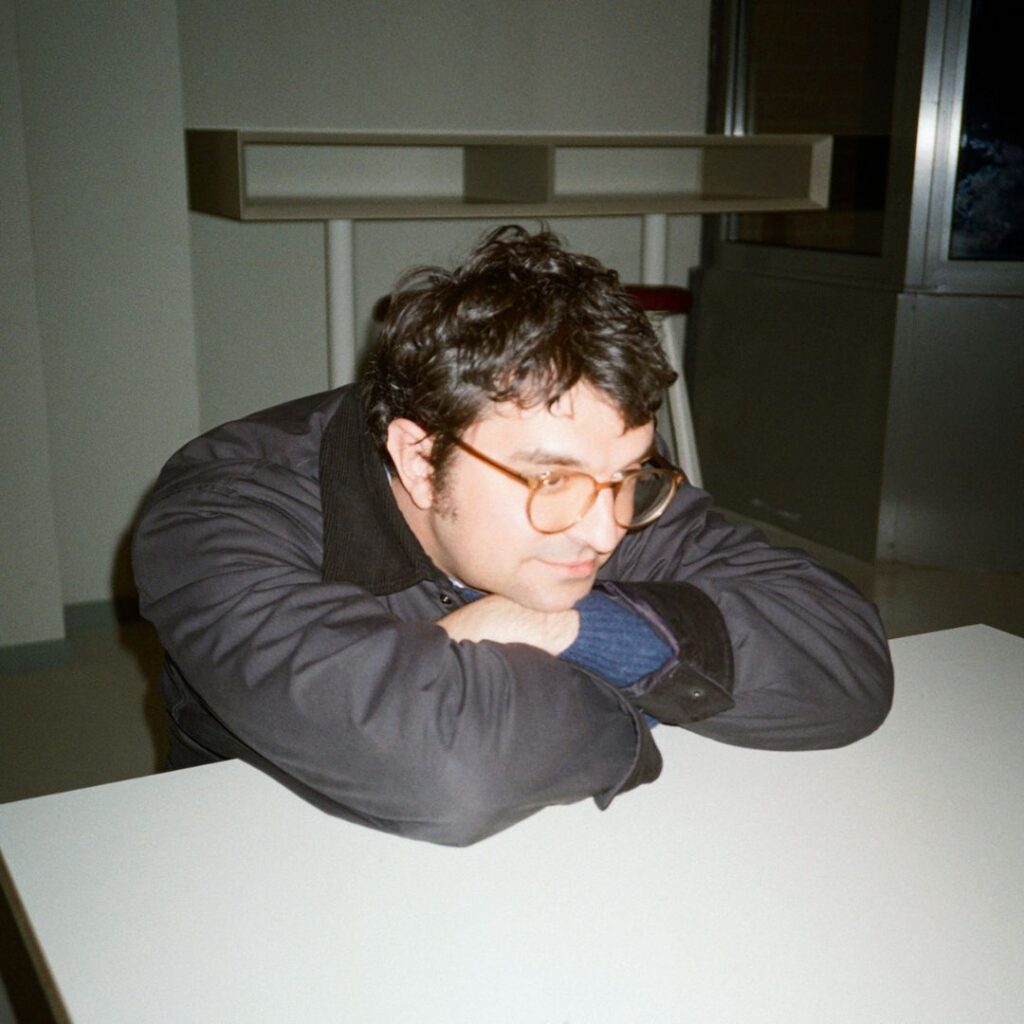
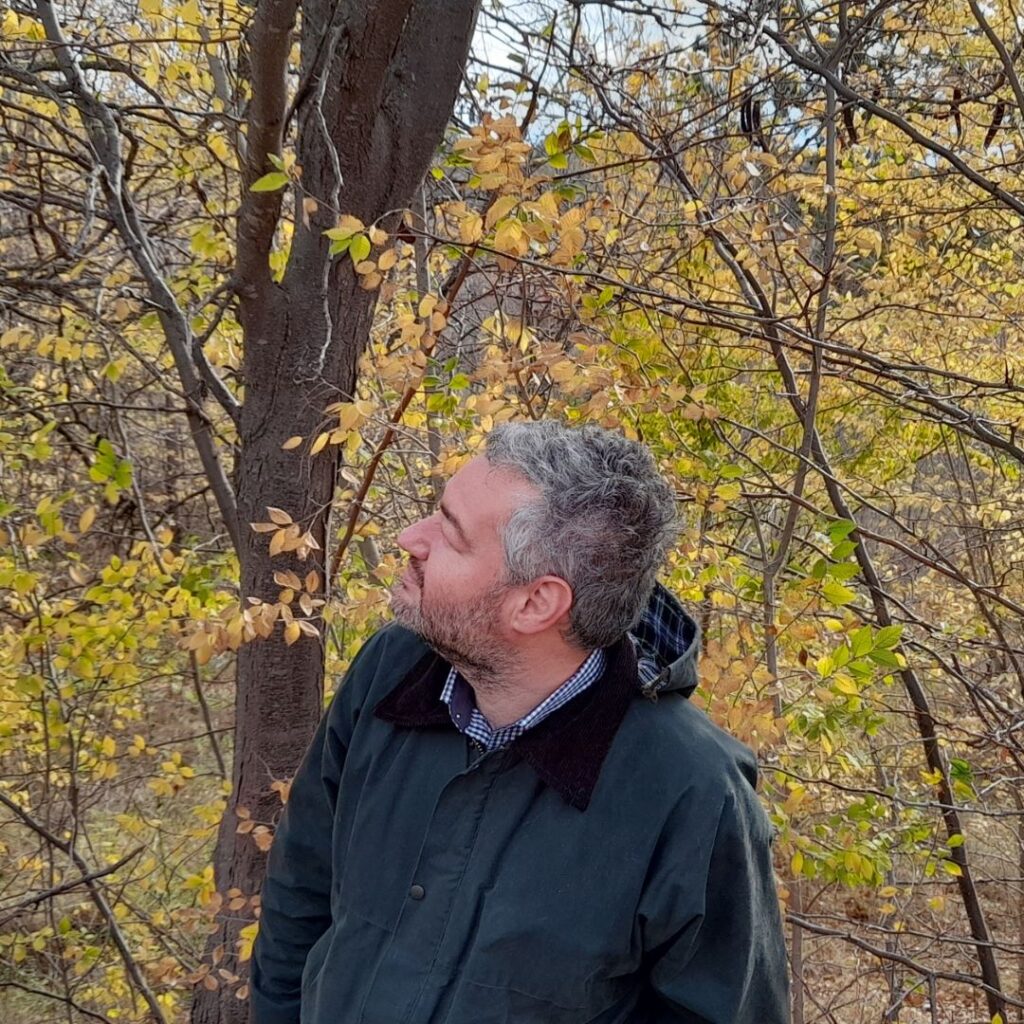
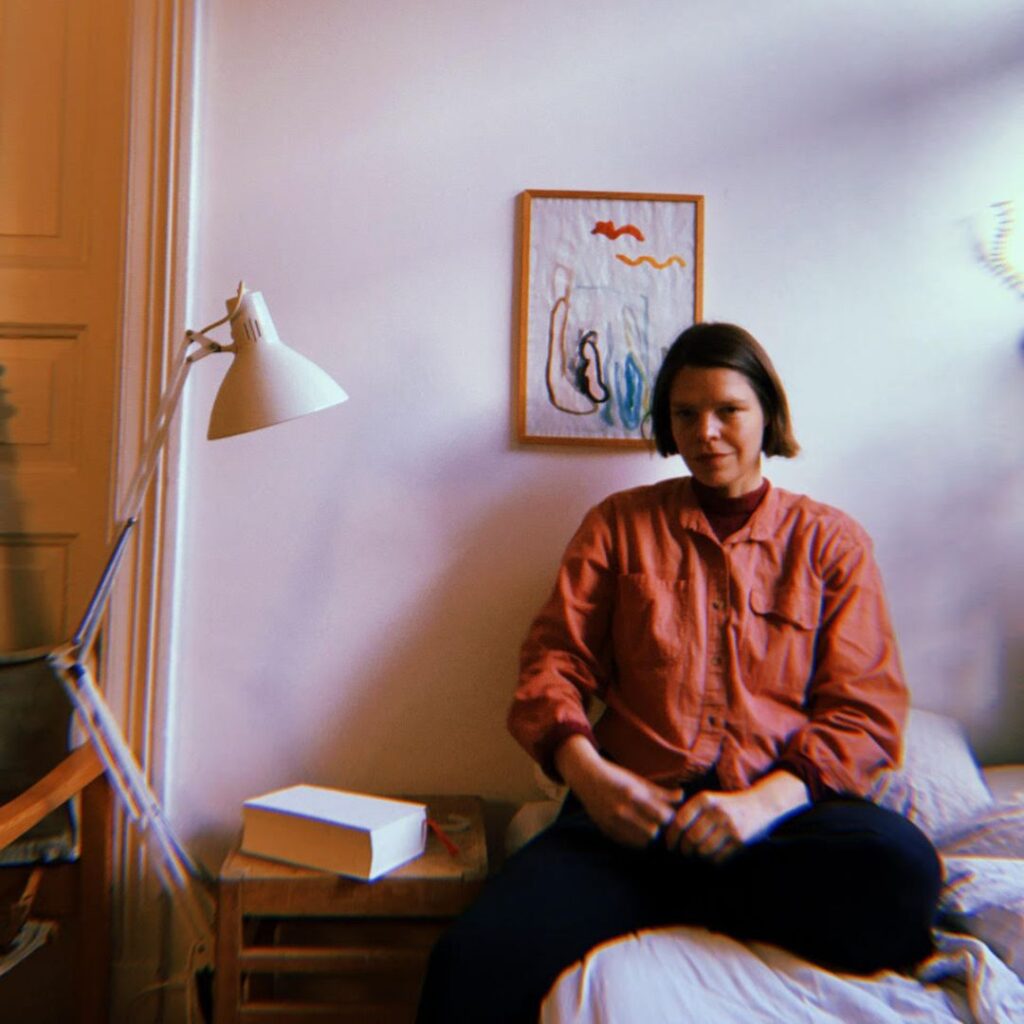
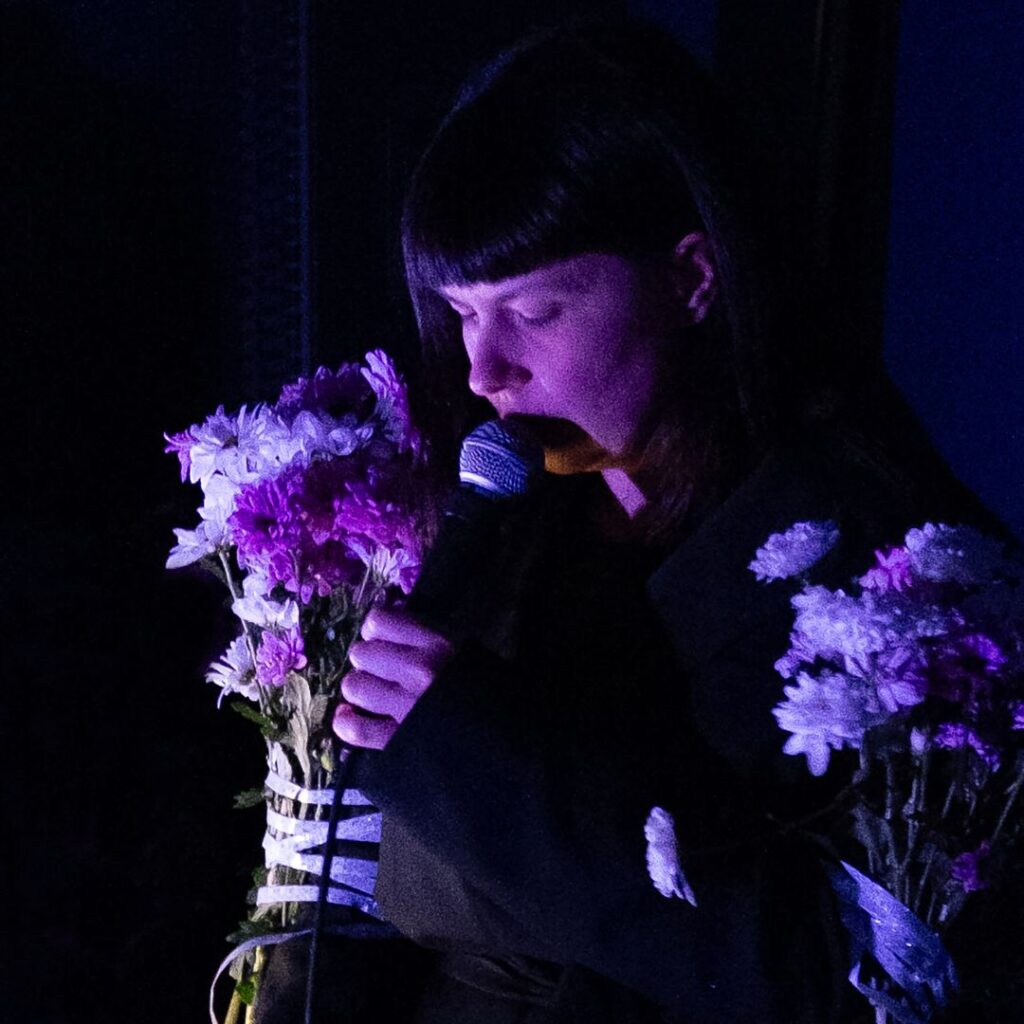
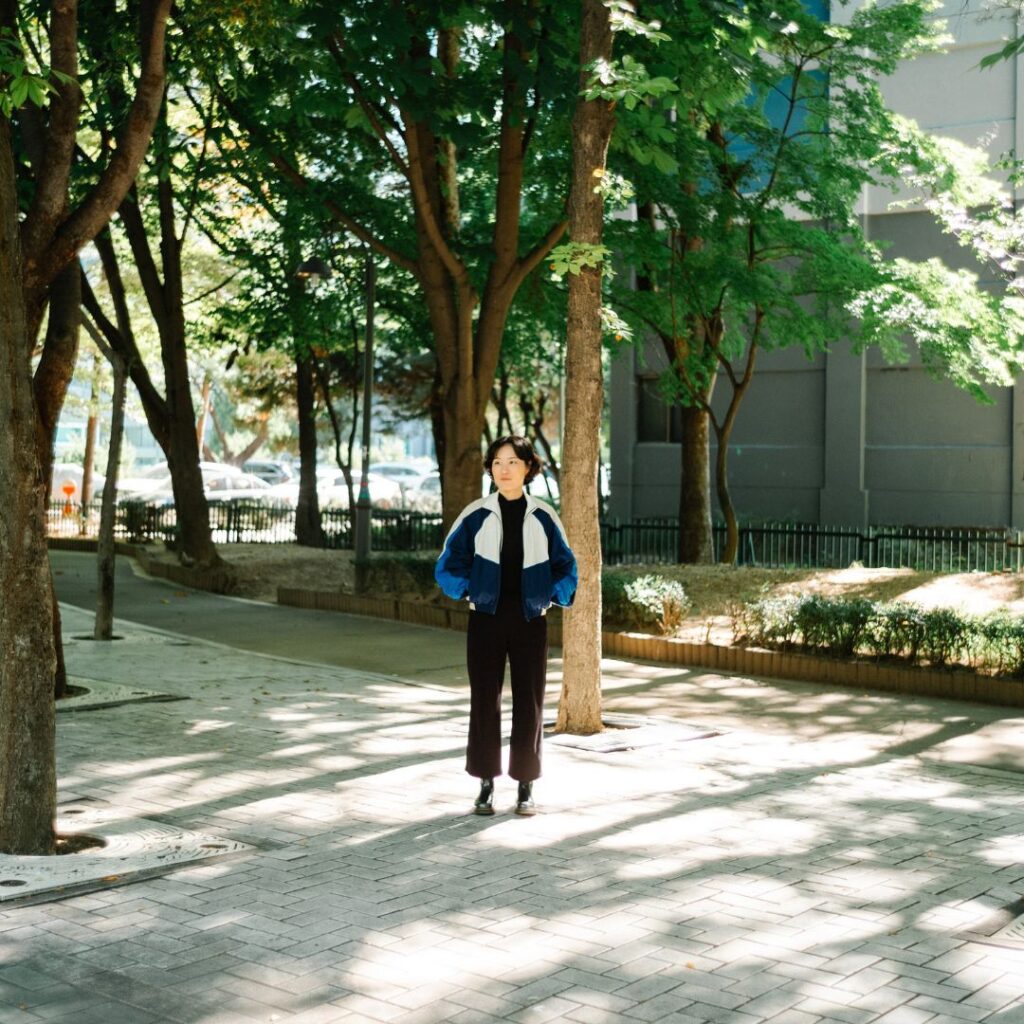
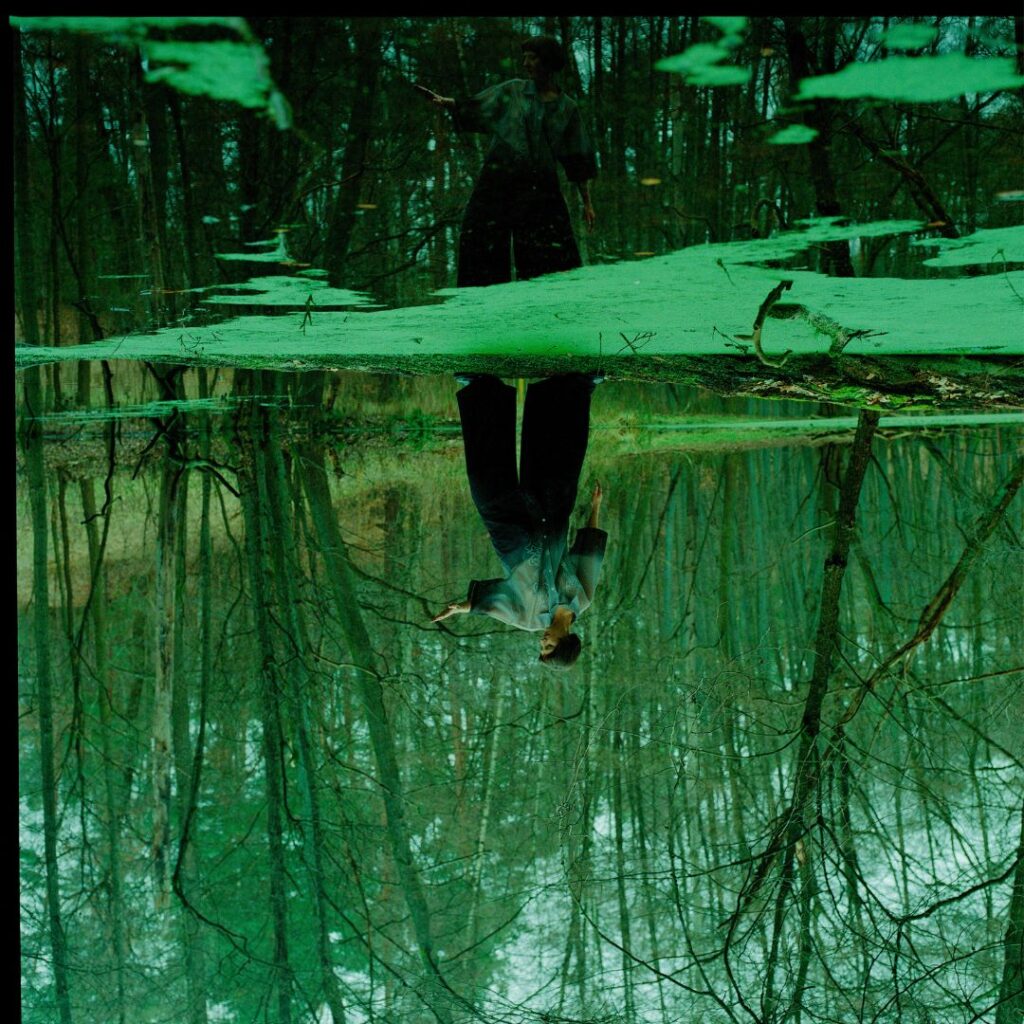
Since his teenage years, Will Yates has been making music as memotone, building a practice rooted in composition, improvisation, and experimentation.
Across collaborations with a wide range of artists and labels, his work shifts between different sounds, methods, and ways of working instead of settling into a single approach. What connects it all is a trust in process, in learning, and in not always knowing where something might lead. There is an openness in the way he makes and shares music, always making room for uncertainty, change, surprise, and play.
Throughout our conversation, Will spoke about the importance of knowing a system well enough to challenge it from within. That way of thinking runs through his music, which continually changes direction while remaining grounded in the same curious and exploratory impulse.
You’ve been releasing music as memotone for over 10 years now. When you look back, how has the way you make music changed?
In a way, it’s very similar. I’ve always learned through playing, and that’s still how I work.
The sound has definitely changed, though. It’s actually closer now to what I wanted it to be when I first started making music as memotone. I just didn’t have the gear or experience back then.
The name has existed since I was 16. Somehow, even then, I knew it was the right name for this project. I just knew what memotone was supposed to be.
Where do you think that came from?
I was listening to a lot of strange stuff when I was a kid, mostly through my dad or on the radio. I’ve been listening to Late Junction since I was 11. It’s got some pretty weird and wonderful stuff on there.
How important is concept or narrative to your work?
It’s not always part of my workflow, but sometimes it’s there.
With O.G. Jigg, for example, it was entirely concept-driven from the start. When I first had the idea during lockdown, it was like I went mad. I completely lost myself in this character and the world I was building around it. In a total flurry, I wrote nearly two albums in about two weeks.
Can you share more about who O.G. Jigg is?
O.G. Jigg is based around this troubadour character, one of those medieval multi-instrumentalist poets who would travel around performing for kings and peasants alike.
Where I grew up, on the Dorset-Wiltshire border, there’s still a strong connection to pagan heritage. Folk festivals and strange rituals were always happening around me, and they definitely seeped into my brain. Eventually, I wanted to do something with that and ended up making weird neo-medieval music.
What does O.G. Jigg allow you to explore that memotone doesn’t?
It’s very different from my memotone stuff, but it’s also a deeply entrenched part of my psyche. It’s nice to have this little valve you can open to let out a completely different energy.
Are there non-musical practices, rituals, or habits that feed into your creative process?
Most of my inspiration actually comes from outside music. I read a lot, watch a lot of films, read poetry, and talk to interesting people. I have a word-based brain and a constant inner narrative. It’s mad to me that some people don’t have that.
That’s interesting, considering voice has started appearing more in your recent albums. Was that something you consciously wanted to explore?
I think so. For the last few years, I’ve been building the memotone project towards a point where I could do whatever I wanted with it. That was always the goal. I feel like people understand what it is now, so I can start pushing it a bit more.
It’s almost like learning the rules in order to break them. Do you set certain limitations for yourself when making music?
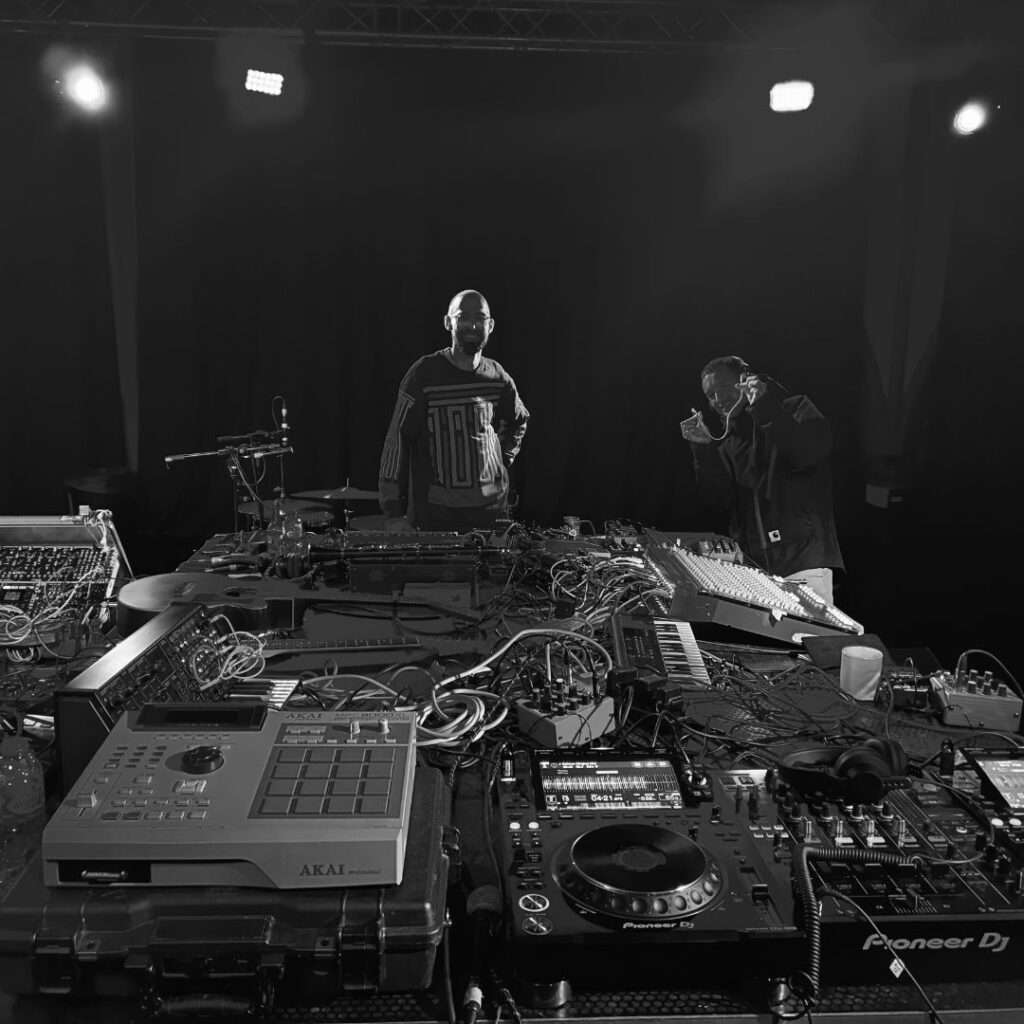
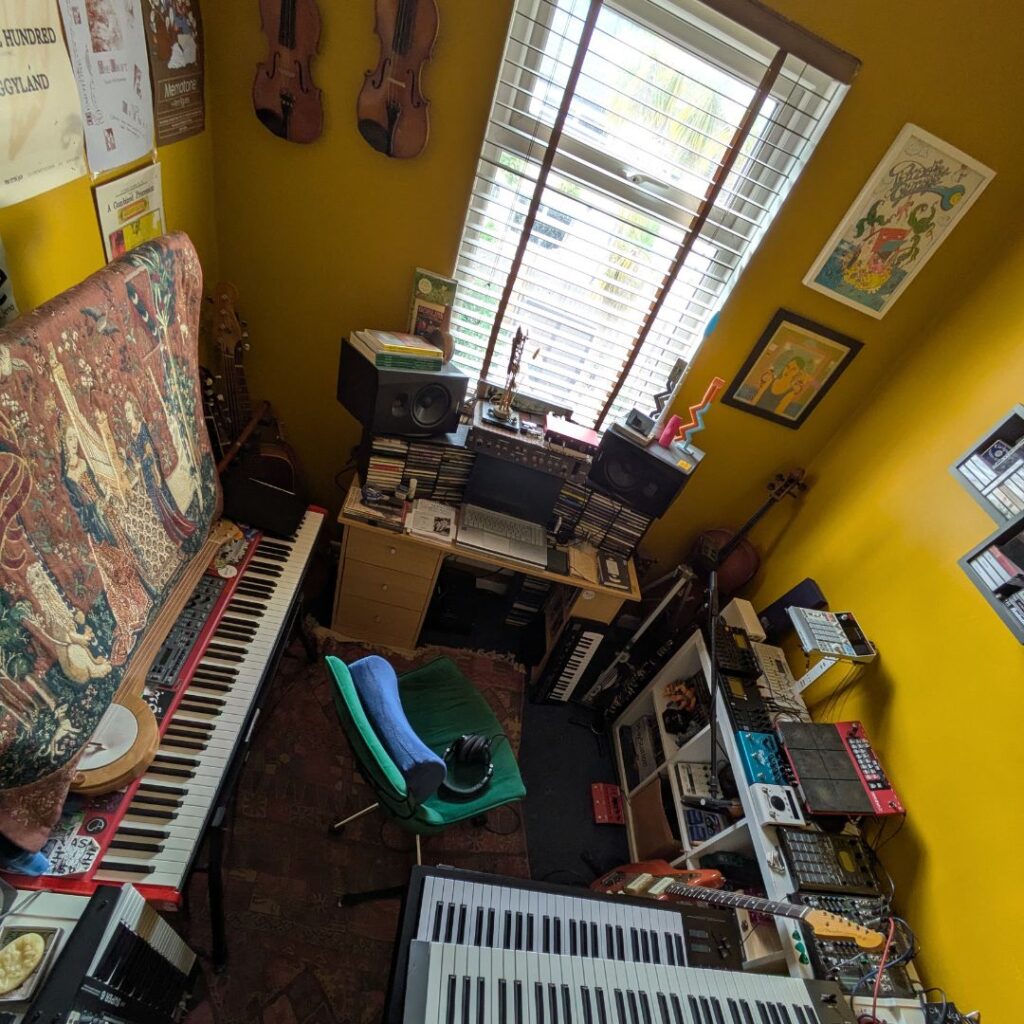
When I first started, I didn’t even have a computer, so it was more of a live project than a studio one. At that point, I was very strict about the live aspect. No samples, no borrowed sounds. Everything had to be created in the moment. I was almost purist about it.
I’ve relaxed a lot since then, but I think that original mindset is still there. Even if the project seems to move in lots of different directions, I still try to impose certain limitations or conditions. It helps me realize the idea. Otherwise, it could become anything.
What do those limitations usually look like in practice?
This is always changing, depending on the music. Sometimes it’s just a limit on the number of instruments or even tracks, say a maximum of five channels for a piece. It can be fun and make you work in a different way.
Other times, it’s more to do with the approach. Maybe a piece has no edits, for example, so each part is a complete “play-through” in the traditional sense, with no cut-up sections or loops.
There’s no limit to the scope of limitation, haha.
Collaboration seems to be an important part of your practice, and you’ve worked with a wide range of artists and labels. Has that always been part of your approach?
I’ve always valued collaboration because it exposes you to completely different ways of thinking and working. Sometimes it reinforces your instincts, and other times it completely changes how you understand something.
I’ve probably played with more people who haven’t had formal musical training than people who have. What’s interesting about that is it forces you to communicate music differently. If someone isn’t working through theory or technique, you have to find a more direct or intuitive way of making things together, and I think that can lead somewhere really pure.
Being open to different ways of thinking or listening seems deeply connected to your process.
Yeah, I think so. I had quite strange parents and was exposed to a lot of unusual music and ideas when I was young. Those early experiences really shaped how I think about the world.
I feel some responsibility towards younger generations in that sense. I’d like to create situations where kids can stumble into something unexpected in the same way I did.
That’s partly why I’m trying to organize this village hall tour. The idea is that we play early evening shows in smaller rural places where families and younger people can come. In cities, you can accidentally encounter strange and inspiring things all the time, but in rural places that’s much rarer.
It’s not that everyone has to love weird experimental jazz music. It’s more about knowing that this kind of thing exists. Maybe a seed gets planted for someone, and that can open up all sorts of other paths, not even necessarily musical ones.
Looking ahead, what kinds of projects would you like to explore more?
I’d really love to write for a full orchestra. The variation of textures and dynamics you can get from an orchestra feels almost limitless. What interests me isn’t necessarily traditional classical composition, but the possibility of taking that very rigid form people think they already understand and then completely pulling it apart.
If you weren’t doing music, what do you think you’d be doing?
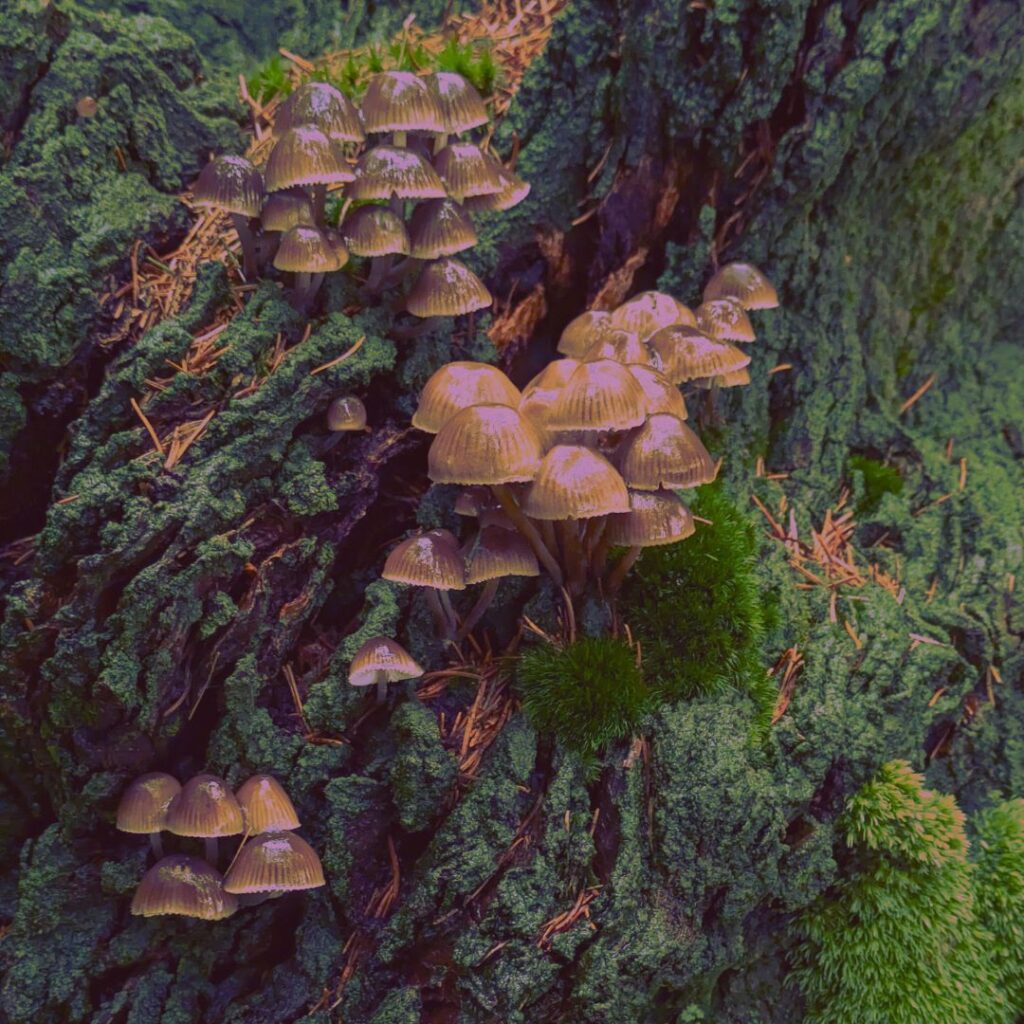
Ecology, definitely. Music is my creative obsession, but my deeper love is probably the environment. I would have worked in conservation or focused on native species in some way.
How does that interest show up in your work or life?
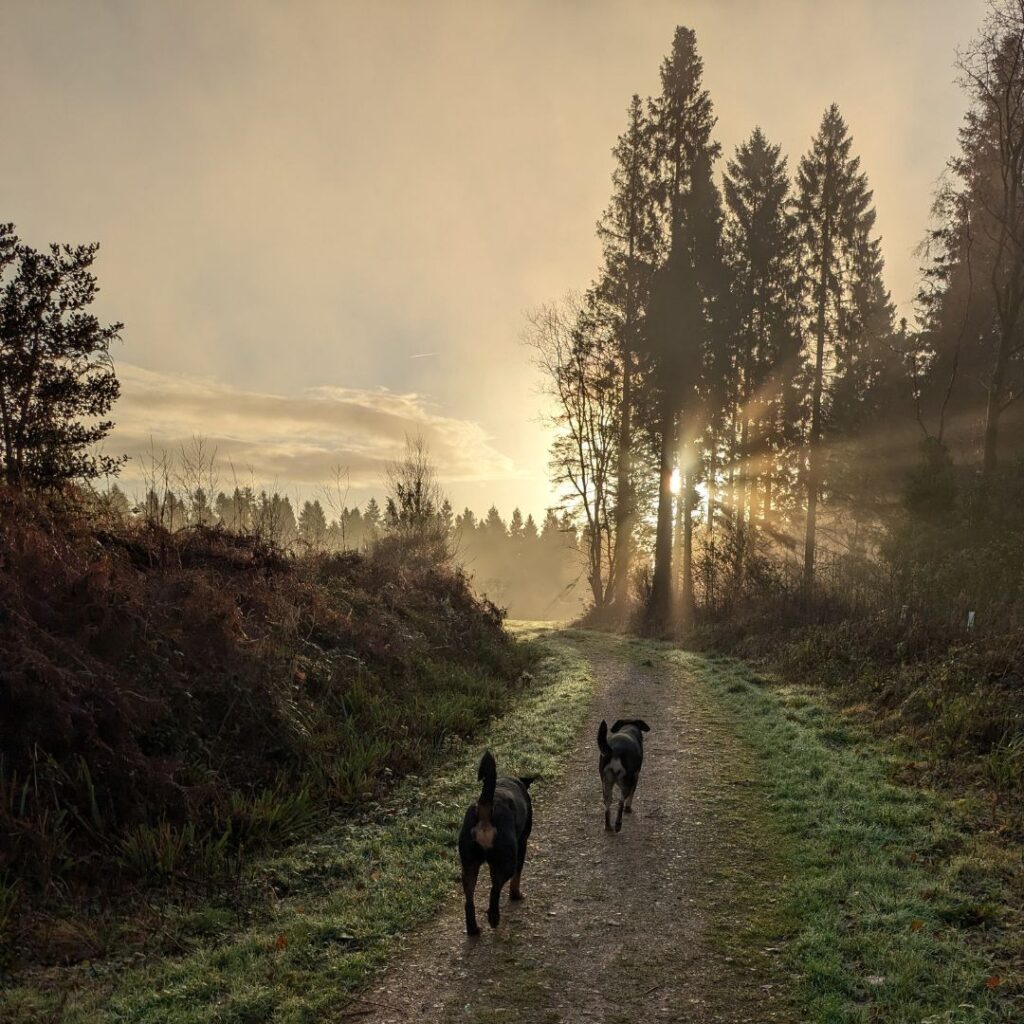
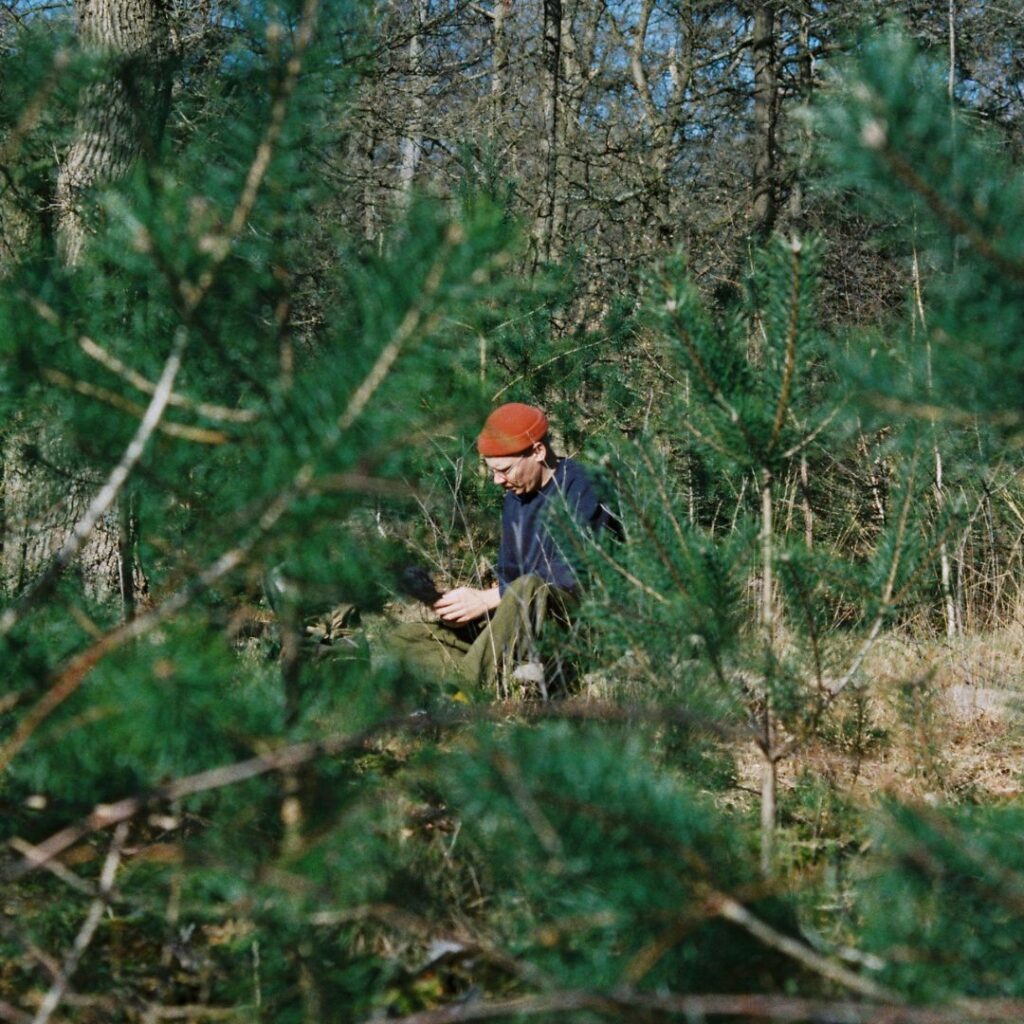
I walk in the forest close to where I live every day. It’s there that I report sightings of rare reptiles or birds of prey to people doing surveys and conservation work. One of the nice things about ecology and environmental science is that you can contribute meaningfully as a citizen scientist. You can go as deep into the knowledge as you want.
I’m especially interested in birds and reptiles. If there’s a bird singing nearby, I can usually tell you what it is.
In general, I believe the truest form of knowledge is not knowing. There’s this idea that once you name something, you lose the ability to really know it. I understand that instinct, but I also think that if you want to understand how things connect within a broader ecosystem, you need language and naming.
That deeper knowledge can actually intensify your feeling towards something. And from that comes care, which is something we need more of.