26,00

only 4 left

about the record

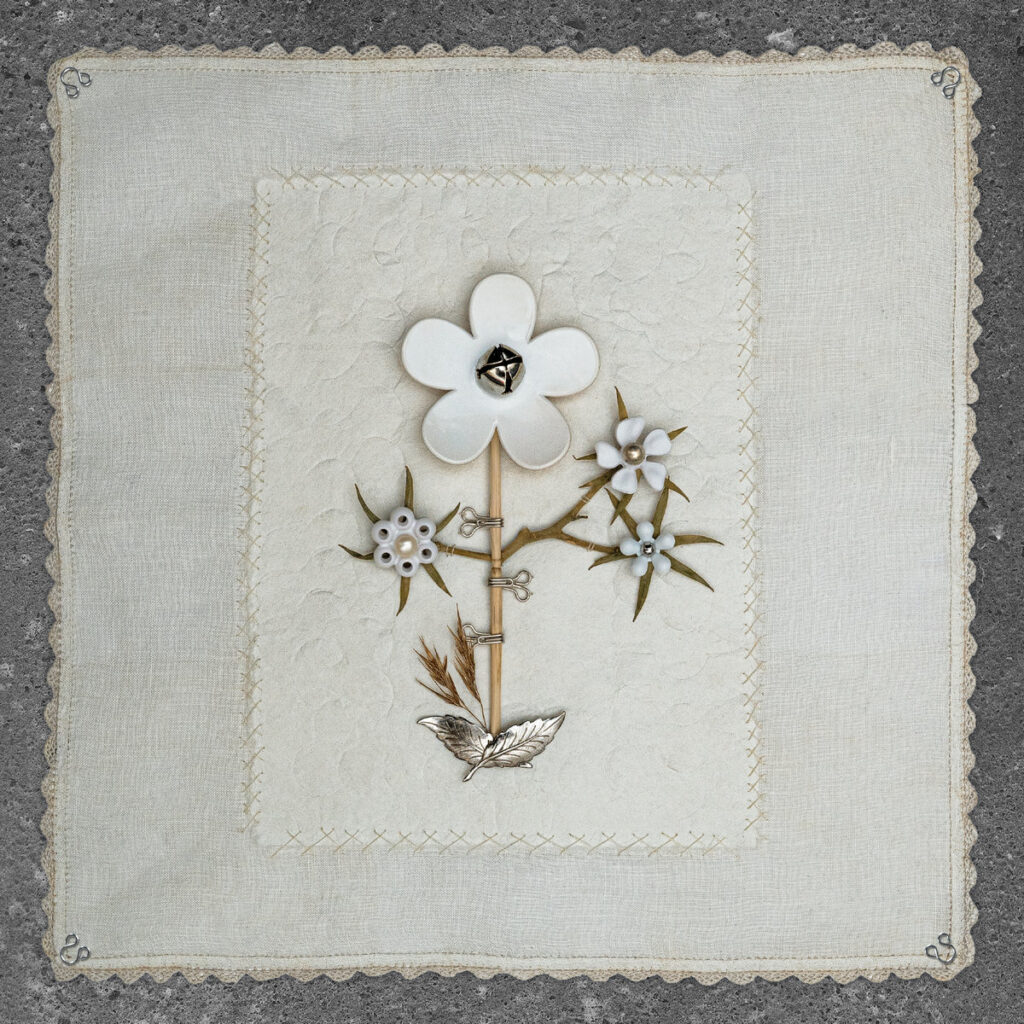
Guest Bartender Deborah Toyota is the collaborative project of Julia Shapiro and Samur Khouja, two artists whose long-running creative dialogue shaped Music for Babies, an instrumental record built on tenderness, experimentation, and restraint. The band name was inspired by a poster for an event in Hydra, Greece, featuring โ€œguest bartender Maria Nissan.โ€ The idea of a guest bartender sparked an inside joke between the artists, eventually inspiring a project name that reflects the spirit of the music: odd, playful, and not too self-serious.

The album grew out of a shared curiosity: what would it sound like to make something genuinely new for the very beginning of listening? Designed so that it could be a babyโ€™s first encounter with sound, the album inhabits a space that is both nascent and cutting-edge. It treats infancy not as a novelty but as a conceptual constraint, one that deserves care and curiosity. The result is music that functions simultaneously as lullaby, ambient composition, and quiet experimentation.

Both artists arrive at Guest Bartender Deborah Toyota with distinct but complementary histories. Shapiro is known for her work in Chastity Belt, where understatement and melodic clarity often mask emotional weight. Khoujaโ€™s projects, including Conscious Summary and his production work with artists such as Cate Le Bon, lean toward textural precision and left-field pop architecture. Music for Babies is not a departure from those paths but a parallel oneโ€”quieter, slower, and deliberately unguarded. If those other projects speak outward, Music for Babies listens inward. It is the sound of two people choosing tenderness as a method and experimentation as an act of care. A record made not to impress but to accompanyโ€”to exist in the background of early life, shaping a listener before language, before memory, before expectation.


  1. 1 - First Steps 04:04
  2. 2 - Baby in Love 03:20
  3. 3 - Naptime 03:57
  4. 4 - Bathtime 03:03
  5. 5 - Playtime 04:08
  6. 6 - Baby's Second Dream 02:14
  7. 7 - Golden Earring 04:56
  8. 8 - Fingertips 03:44
  9. 9 - Teething 03:24
  10. 10 - Everlasting Breath of Love 02:24
  11. 11 - Gingerly Scoot 03:11

26,00

only 4 left

  1. 1 - First Steps 04:04
  2. 2 - Baby in Love 03:20
  3. 3 - Naptime 03:57
  4. 4 - Bathtime 03:03
  5. 5 - Playtime 04:08
  6. 6 - Baby's Second Dream 02:14
  7. 7 - Golden Earring 04:56
  8. 8 - Fingertips 03:44
  9. 9 - Teething 03:24
  10. 10 - Everlasting Breath of Love 02:24
  11. 11 - Gingerly Scoot 03:11

about the record

Guest Bartender Deborah Toyota is the collaborative project of Julia Shapiro and Samur Khouja, two artists whose long-running creative dialogue shaped Music for Babies, an instrumental record built on tenderness, experimentation, and restraint. The band name was inspired by a poster for an event in Hydra, Greece, featuring โ€œguest bartender Maria Nissan.โ€ The idea of a guest bartender sparked an inside joke between the artists, eventually inspiring a project name that reflects the spirit of the music: odd, playful, and not too self-serious.

The album grew out of a shared curiosity: what would it sound like to make something genuinely new for the very beginning of listening? Designed so that it could be a babyโ€™s first encounter with sound, the album inhabits a space that is both nascent and cutting-edge. It treats infancy not as a novelty but as a conceptual constraint, one that deserves care and curiosity. The result is music that functions simultaneously as lullaby, ambient composition, and quiet experimentation.

Both artists arrive at Guest Bartender Deborah Toyota with distinct but complementary histories. Shapiro is known for her work in Chastity Belt, where understatement and melodic clarity often mask emotional weight. Khoujaโ€™s projects, including Conscious Summary and his production work with artists such as Cate Le Bon, lean toward textural precision and left-field pop architecture. Music for Babies is not a departure from those paths but a parallel oneโ€”quieter, slower, and deliberately unguarded. If those other projects speak outward, Music for Babies listens inward. It is the sound of two people choosing tenderness as a method and experimentation as an act of care. A record made not to impress but to accompanyโ€”to exist in the background of early life, shaping a listener before language, before memory, before expectation.

fits in the mood

more by Mystery Circles

see more

sign up to our newsletter

follow along for new arrivals, upcoming events, and the occasional rumination.