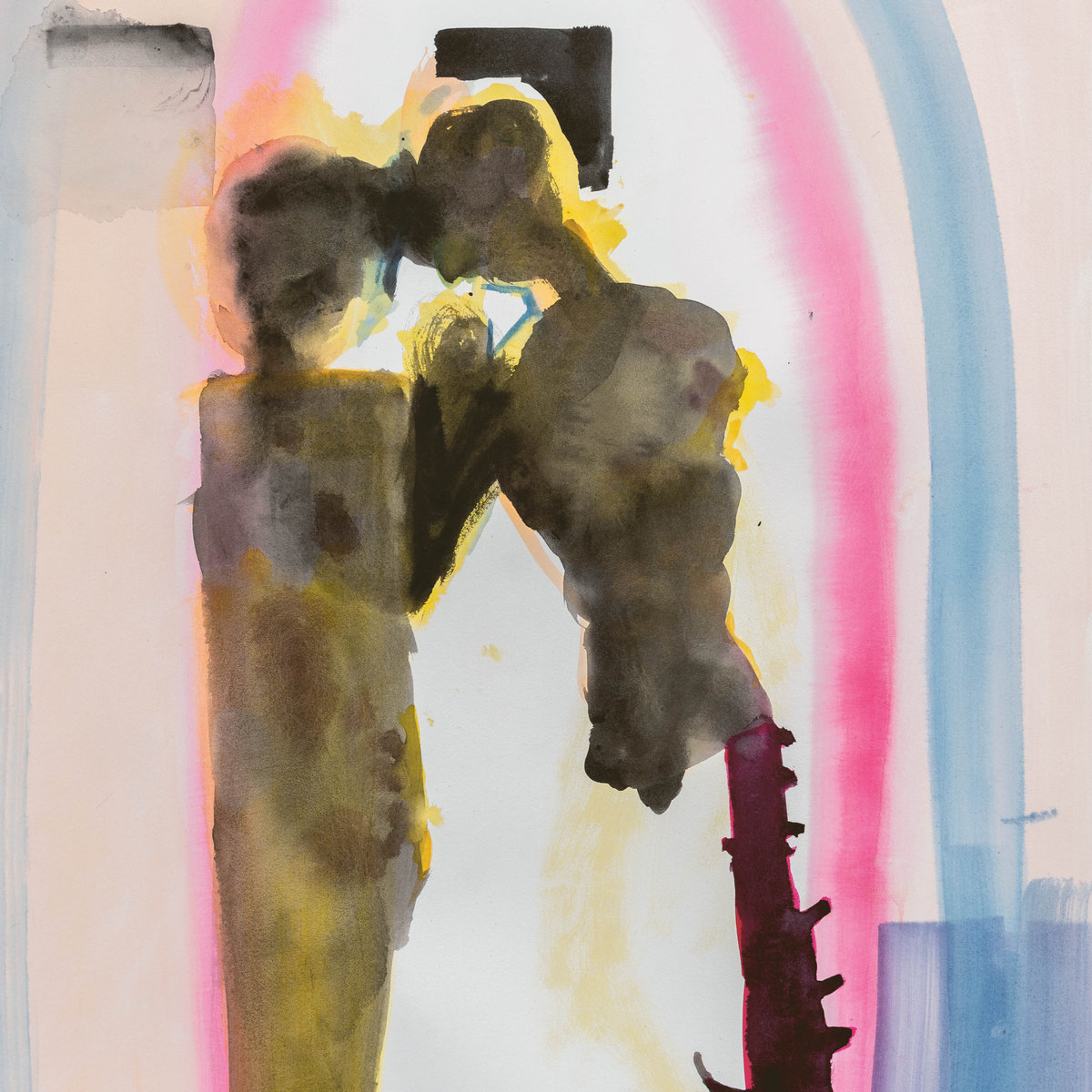
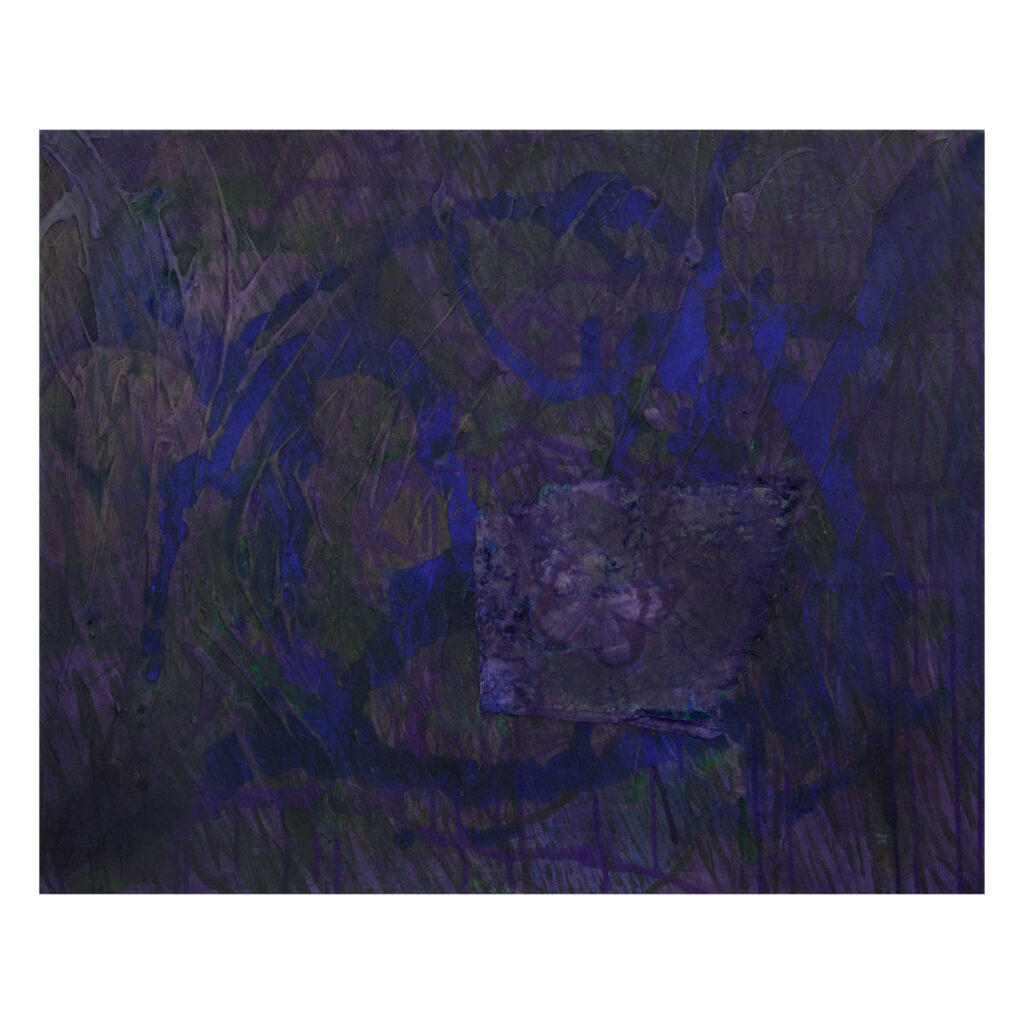
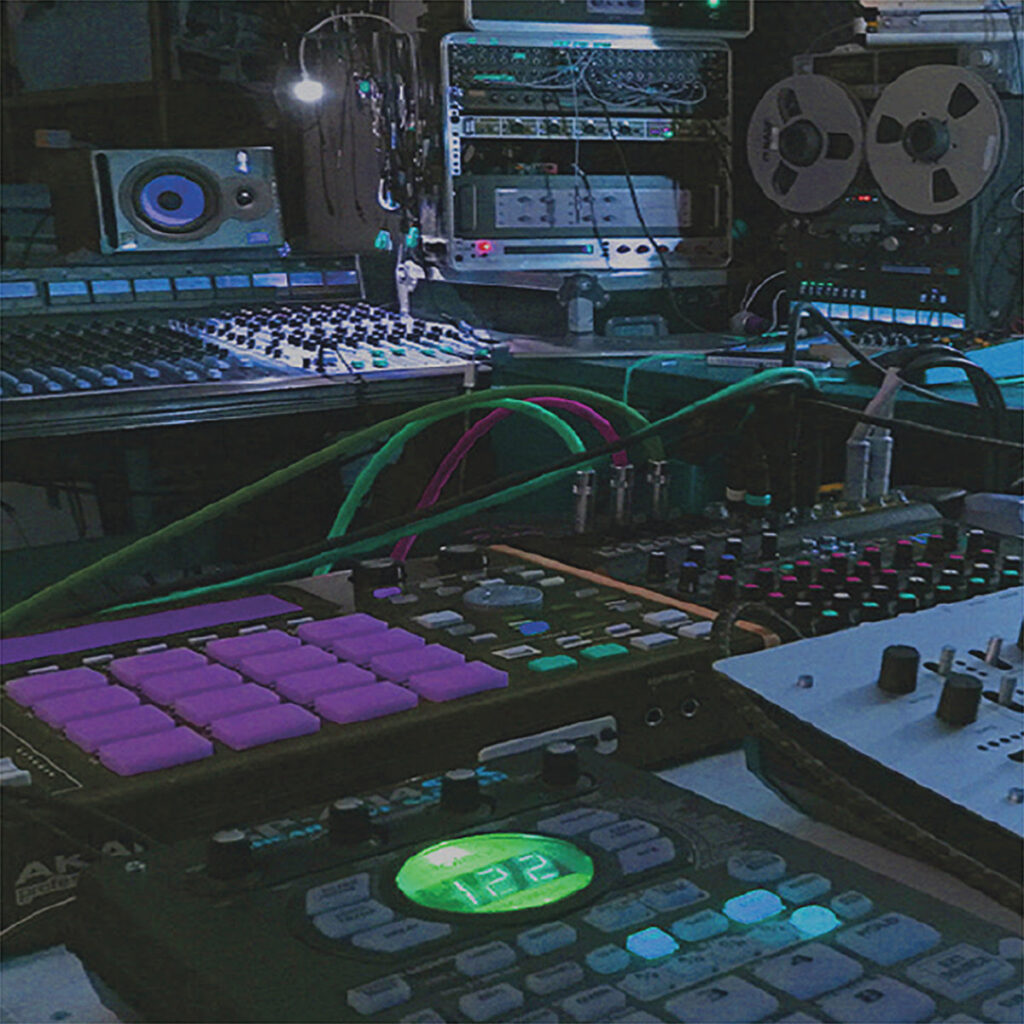
Edge Games is the first collaborative album from Jules Reidy and Sam Dunscombe, two artists whose sympathetic aesthetic tendencies converge in a rigorous yet generous exchange. Across two expansive, mind-bending excursions, Reidy’s microtonal guitar lines intertwine with Dunscombe’s dense, unstable synthesis, clarinet, and field recordings, creating a rich, mutable soundscape that constantly straddles and blurs boundaries.
Dunscombe’s “post-Romanian-spectralist” approach—building churning clouds of sine waves that creep and shift according to pitch relations—is deftly subverted by Reidy’s ornate, adjustable-fret guitar lines, which float atop and burrow within the tumultuous electronic foundation. Neither musician adheres to fixed roles, intentionally smudging and testing borders, giving the album its name both literally and conceptually. As Dunscombe notes, their “edge games” reflect a negotiation with a complex, often hostile world.
Despite its conceptual depth, Edge Games is viscerally immediate: ambient in texture but far from background music, the record moves with volcanic force, precariously balancing on the brink of sonic collapse. In its mutability, curiosity, and refusal of boundaries, the album embodies a profound commitment to discovery and the uncharted possibilities of sound.