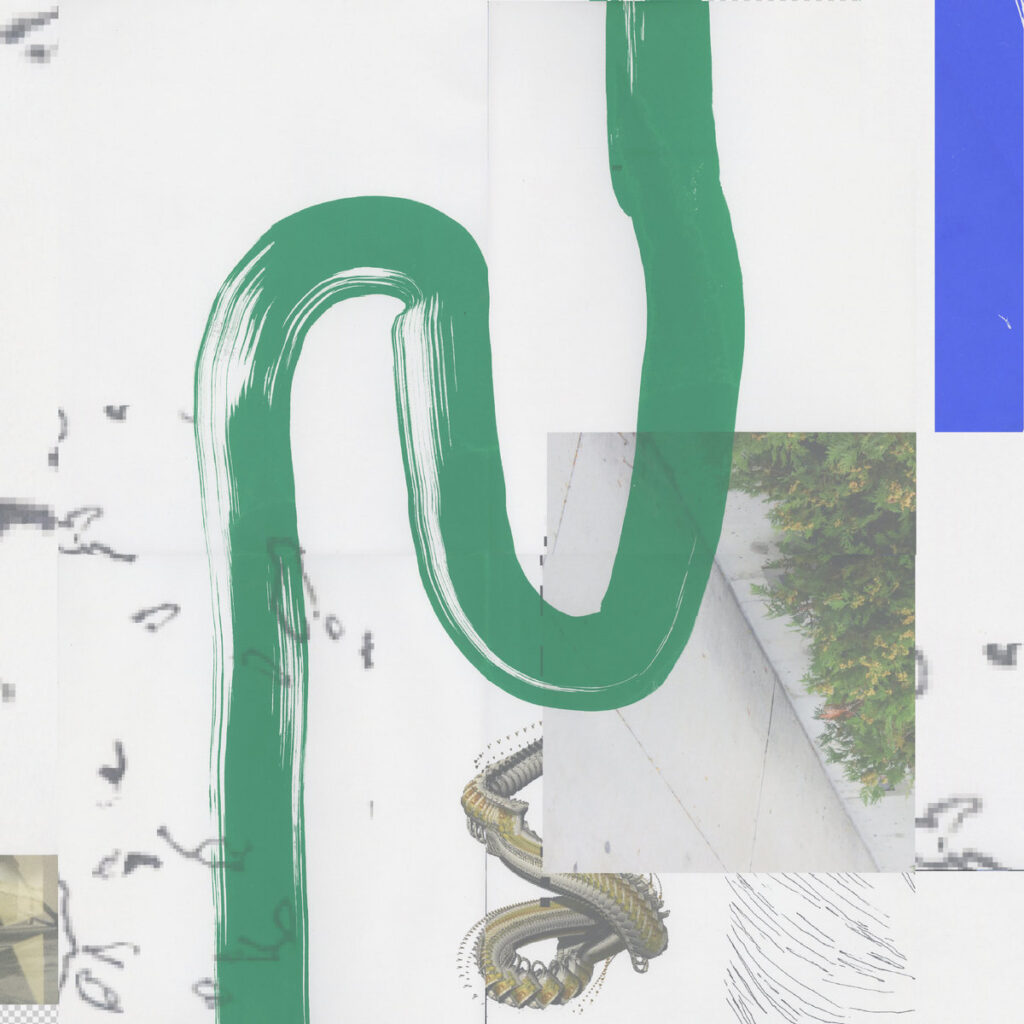
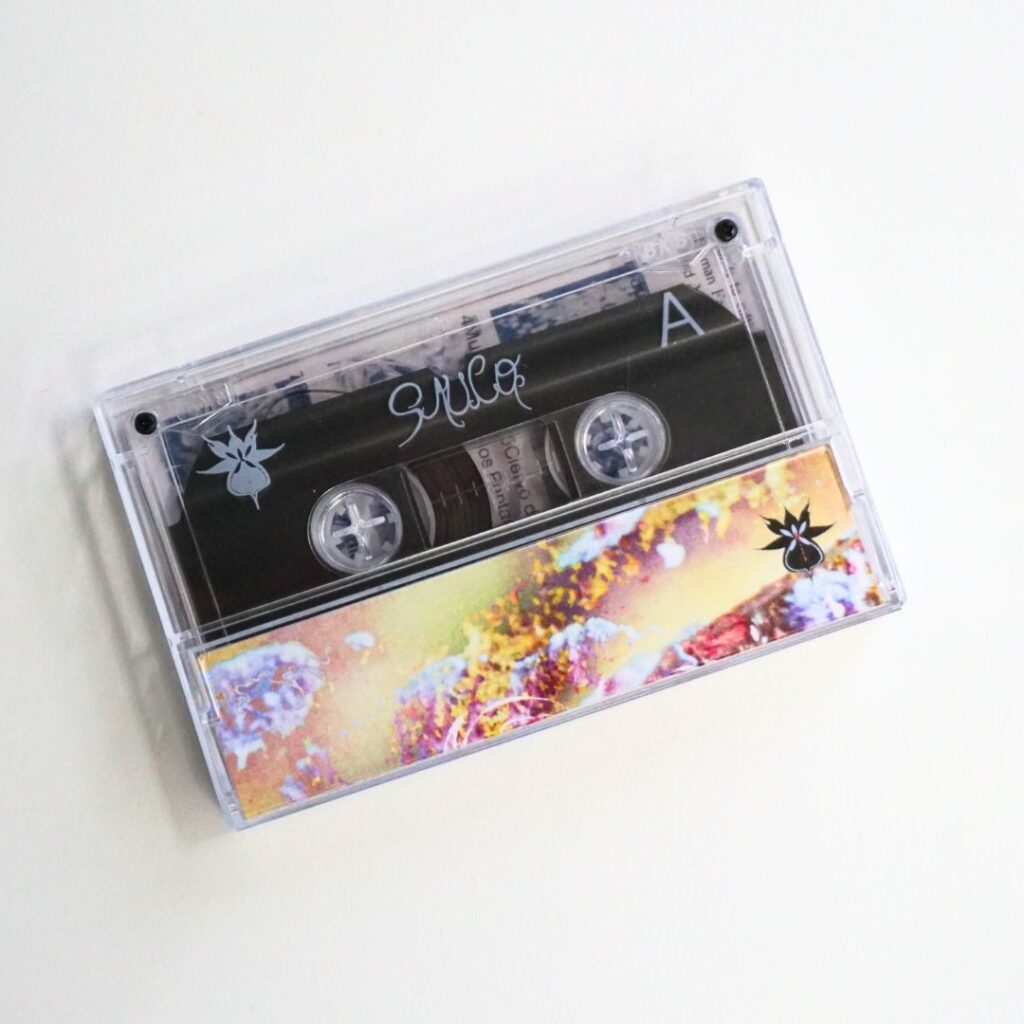
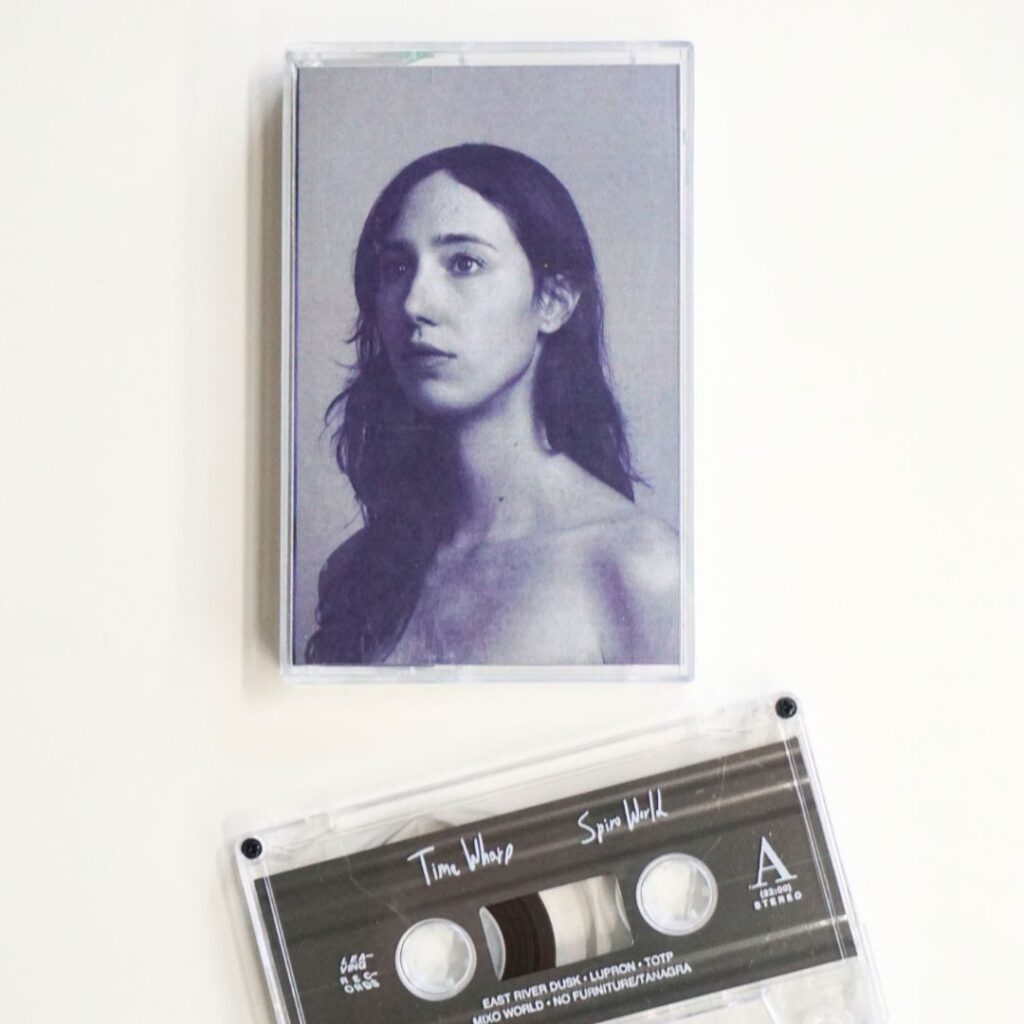
The endlessly prolific and unpredictable Richard Youngs releases Modern Sorrow on Black Truffle. As any Youngs fan knows, one of the great pleasures of following his career lies in the impossibility of predicting what the next entry in his inexhaustible string of releases will bring. Unaccompanied voice? Country songs? Shakuhachi? Guitar pieces played with his feet? Shredding fuzz bass layered over hyper-speed distorted drum machine beats? Continuing his long-standing exploration of new techniques, instrumentation, and approaches, while bringing to all of them his unmistakable touch, Modern Sorrow offers two sides of twistedly elegiac, radically stark takes on contemporary pop production.
The side-long title track is built from a piano sample, synthetic bass notes, organ swells, and an iterative blurt that seems to have wandered out of a 1990s jungle track. Eventually joined by a shuffling drum machine, the track moves slowly through a sequence of chords, each delayed long enough that its arrival feels momentous. Above this, Youngs’ heavily pitch-corrected voice emerges. The processing paints his signature wandering melodic improvisations with shades of contemporary R&B, while also slicing their natural swoops and glides into rapid microtonal trills, giving his voice a quavering, Middle Eastern inflection. Unfolding languorously over more than seventeen minutes, the track’s final passage opens into an extended, drumless coda that returns to the stark palette of its opening moments.
On the second side, the two parts of “Benevolence” push this minimalism even further. The first half consists of little more than a remarkably slow drum machine hit, bass-heavy chords, and a pitch-corrected voice so heavily processed that it begins to resemble a shawn solo. In the second part, the harmonic foundation drops away as two additional voices enter. At moments, the voices pause entirely, leaving only isolated, metronomic drum hits. While Youngs has previously explored sound worlds associated with dance music and contemporary pop, here these elements are radically reduced, foregrounding a meditative bed of silence with a boldness equal to that of more academically inclined contemporary composers. Embracing the accessible digital tools of contemporary music production with the same openness that might lead him, elsewhere, to pick up a kazoo, Modern Sorrow uses simple DIY means to generous ends, producing formally radical music that remains free of pretension and deeply moving.

€32,00
in stock

The endlessly prolific and unpredictable Richard Youngs releases Modern Sorrow on Black Truffle. As any Youngs fan knows, one of the great pleasures of following his career lies in the impossibility of predicting what the next entry in his inexhaustible string of releases will bring. Unaccompanied voice? Country songs? Shakuhachi? Guitar pieces played with his feet? Shredding fuzz bass layered over hyper-speed distorted drum machine beats? Continuing his long-standing exploration of new techniques, instrumentation, and approaches, while bringing to all of them his unmistakable touch, Modern Sorrow offers two sides of twistedly elegiac, radically stark takes on contemporary pop production.
The side-long title track is built from a piano sample, synthetic bass notes, organ swells, and an iterative blurt that seems to have wandered out of a 1990s jungle track. Eventually joined by a shuffling drum machine, the track moves slowly through a sequence of chords, each delayed long enough that its arrival feels momentous. Above this, Youngs’ heavily pitch-corrected voice emerges. The processing paints his signature wandering melodic improvisations with shades of contemporary R&B, while also slicing their natural swoops and glides into rapid microtonal trills, giving his voice a quavering, Middle Eastern inflection. Unfolding languorously over more than seventeen minutes, the track’s final passage opens into an extended, drumless coda that returns to the stark palette of its opening moments.
On the second side, the two parts of “Benevolence” push this minimalism even further. The first half consists of little more than a remarkably slow drum machine hit, bass-heavy chords, and a pitch-corrected voice so heavily processed that it begins to resemble a shawn solo. In the second part, the harmonic foundation drops away as two additional voices enter. At moments, the voices pause entirely, leaving only isolated, metronomic drum hits. While Youngs has previously explored sound worlds associated with dance music and contemporary pop, here these elements are radically reduced, foregrounding a meditative bed of silence with a boldness equal to that of more academically inclined contemporary composers. Embracing the accessible digital tools of contemporary music production with the same openness that might lead him, elsewhere, to pick up a kazoo, Modern Sorrow uses simple DIY means to generous ends, producing formally radical music that remains free of pretension and deeply moving.

we write about records, events, and other small discoveries.