€30,00
in stock

DUMB TYPE is a Kyoto-based multimedia performance art collective, formed in 1984, that remains at the forefront of Japan’s avant-garde scene. Since its founding, Toru Yamanaka has primarily handled music production, while the late Teiji Furuhashi translated Yamanaka’s compositions into stage direction. Building on earlier groups ORG and R-STILL, their collaboration fused New Wave, progressive rock, and the work of Laurie Anderson, Meredith Monk, and Robert Wilson, combining minimal music, avant-garde performance, and early sampling and house to define DUMB TYPE’s groundbreaking sound.
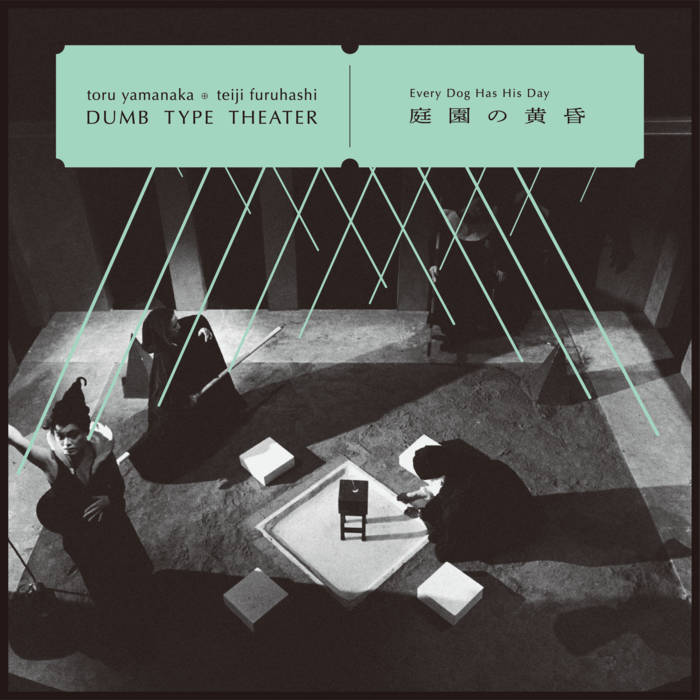
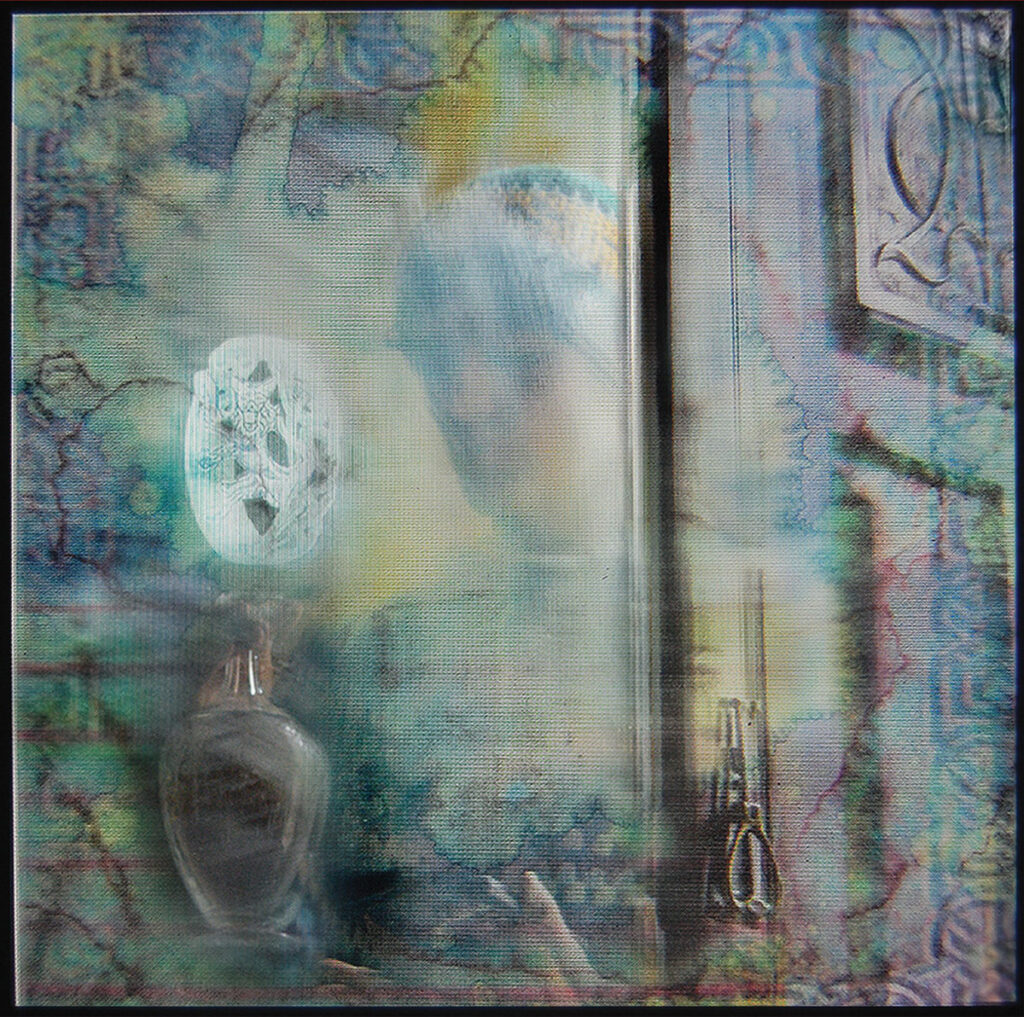
Every Dog Has His Day (1985) marks a defining moment in DUMB TYPE’s sonic identity. Minimalist tracks combine repetitive, striking piano and synthesizer phrases with transformed concrete sound samples, layered into beats and enveloped in carefully crafted effects. Rhythms—including waltzes and shuffles—fuse reverence for past music with modernist experimentation, establishing the group’s iconic early sound. Driving noise, electronic textures, and telephone signals intertwine, creating dynamic, shifting soundscapes that rise, fall, and transform before the listener’s ears.

€30,00
in stock

DUMB TYPE is a Kyoto-based multimedia performance art collective, formed in 1984, that remains at the forefront of Japan’s avant-garde scene. Since its founding, Toru Yamanaka has primarily handled music production, while the late Teiji Furuhashi translated Yamanaka’s compositions into stage direction. Building on earlier groups ORG and R-STILL, their collaboration fused New Wave, progressive rock, and the work of Laurie Anderson, Meredith Monk, and Robert Wilson, combining minimal music, avant-garde performance, and early sampling and house to define DUMB TYPE’s groundbreaking sound.
Every Dog Has His Day (1985) marks a defining moment in DUMB TYPE’s sonic identity. Minimalist tracks combine repetitive, striking piano and synthesizer phrases with transformed concrete sound samples, layered into beats and enveloped in carefully crafted effects. Rhythms—including waltzes and shuffles—fuse reverence for past music with modernist experimentation, establishing the group’s iconic early sound. Driving noise, electronic textures, and telephone signals intertwine, creating dynamic, shifting soundscapes that rise, fall, and transform before the listener’s ears.

we write about records, events, and other small discoveries.