€30,00
in stock

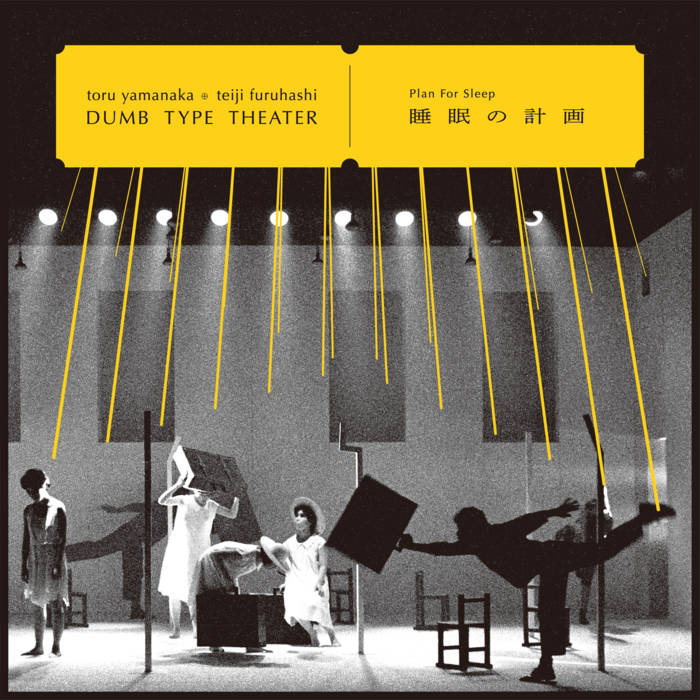
DUMB TYPE is a Kyoto-based multimedia performance art collective, formed in 1984, that remains at the forefront of Japan’s avant-garde scene. Since its founding, Toru Yamanaka has primarily handled music production, while the late Teiji Furuhashi translated Yamanaka’s compositions into stage direction. Building on earlier groups ORG and R-STILL, their collaboration fused New Wave, progressive rock, and the work of Laurie Anderson, Meredith Monk, and Robert Wilson, combining minimal music, avant-garde performance, and early sampling and house to define DUMB TYPE’s groundbreaking sound.
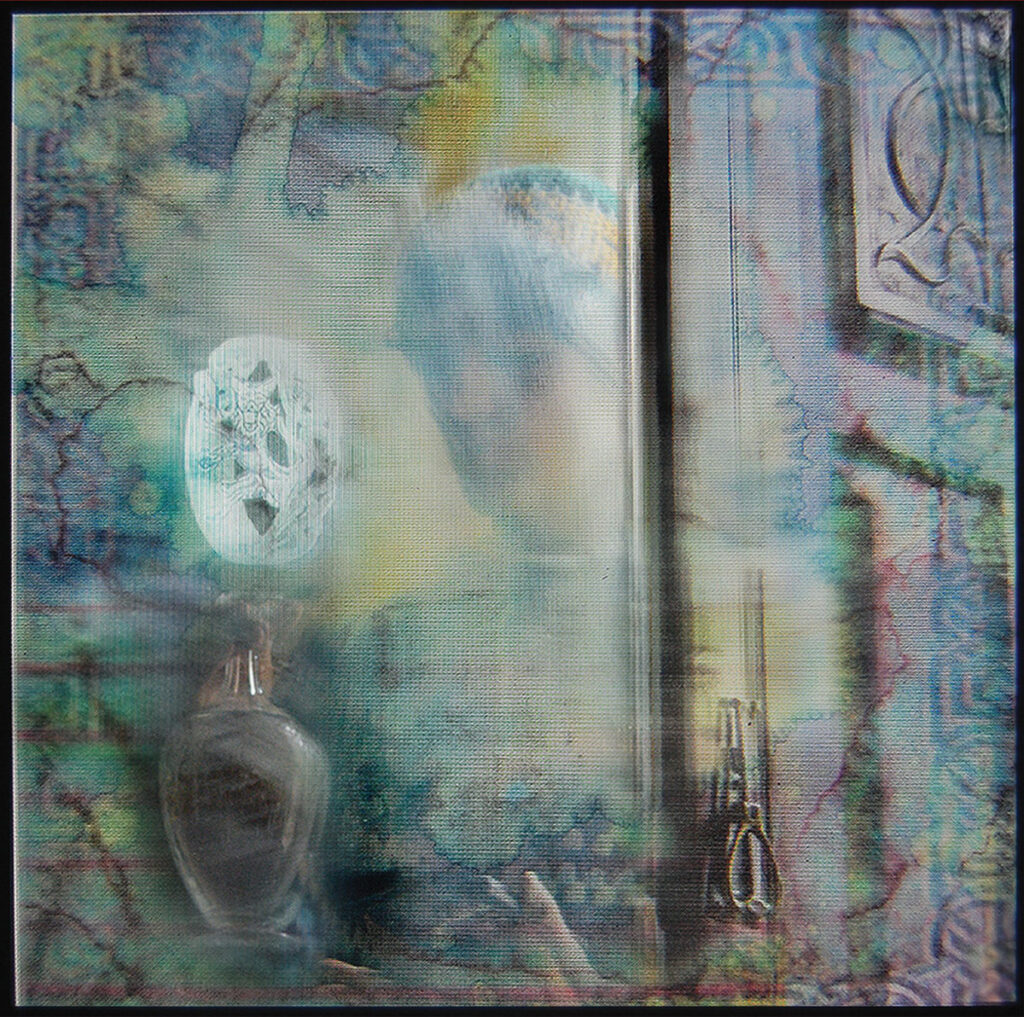
In Plan for Sleep (1986), created alongside Every Dog Has His Day (1985), Yamanaka oversaw sound operation. The performance begins with a minimalistic piece where electronic organ tones and syncopated piano and saxophone phrases drive forward, gradually giving way to industrial beats and drifting sound fragments. Typing sounds are transformed into rhythm, demonstrating experimentation with then-novel sampling technology and a close integration with the performers’ physicality.
Influenced by film music, Yamanaka also weaves melancholic melodies spanning secular jazz and other sources, creating a rich sonic palette that evokes a variety of scenes. The result is a sophisticated and original artistic vision that stands out within the global canon of postmodern avant-garde performance.

€30,00
in stock

DUMB TYPE is a Kyoto-based multimedia performance art collective, formed in 1984, that remains at the forefront of Japan’s avant-garde scene. Since its founding, Toru Yamanaka has primarily handled music production, while the late Teiji Furuhashi translated Yamanaka’s compositions into stage direction. Building on earlier groups ORG and R-STILL, their collaboration fused New Wave, progressive rock, and the work of Laurie Anderson, Meredith Monk, and Robert Wilson, combining minimal music, avant-garde performance, and early sampling and house to define DUMB TYPE’s groundbreaking sound.
In Plan for Sleep (1986), created alongside Every Dog Has His Day (1985), Yamanaka oversaw sound operation. The performance begins with a minimalistic piece where electronic organ tones and syncopated piano and saxophone phrases drive forward, gradually giving way to industrial beats and drifting sound fragments. Typing sounds are transformed into rhythm, demonstrating experimentation with then-novel sampling technology and a close integration with the performers’ physicality.
Influenced by film music, Yamanaka also weaves melancholic melodies spanning secular jazz and other sources, creating a rich sonic palette that evokes a variety of scenes. The result is a sophisticated and original artistic vision that stands out within the global canon of postmodern avant-garde performance.

we write about records, events, and other small discoveries.