Aoki Takamasa’s beats sketch a loose framework, while Tujiko Noriko’s voice moves freely through it. The music is nimble and hard to pin down, sounding as open and alive now as it did in 2005.
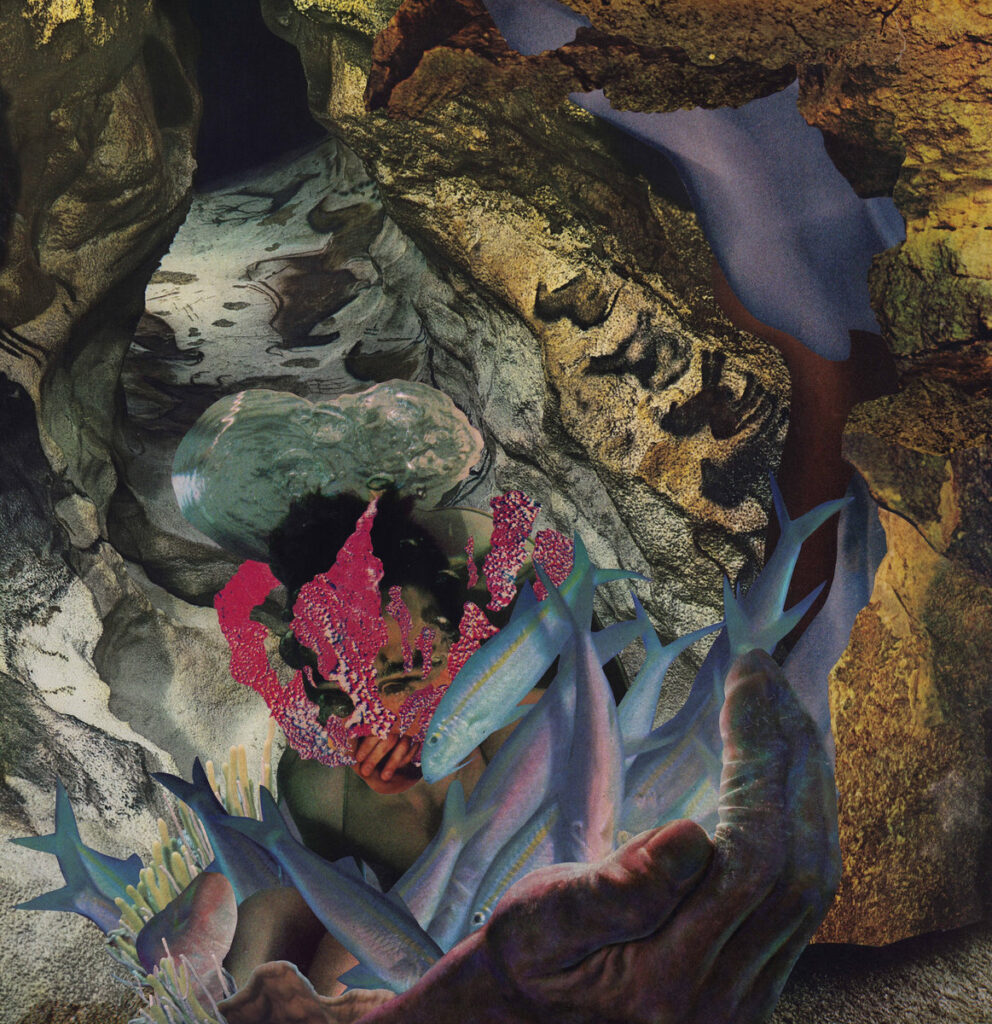
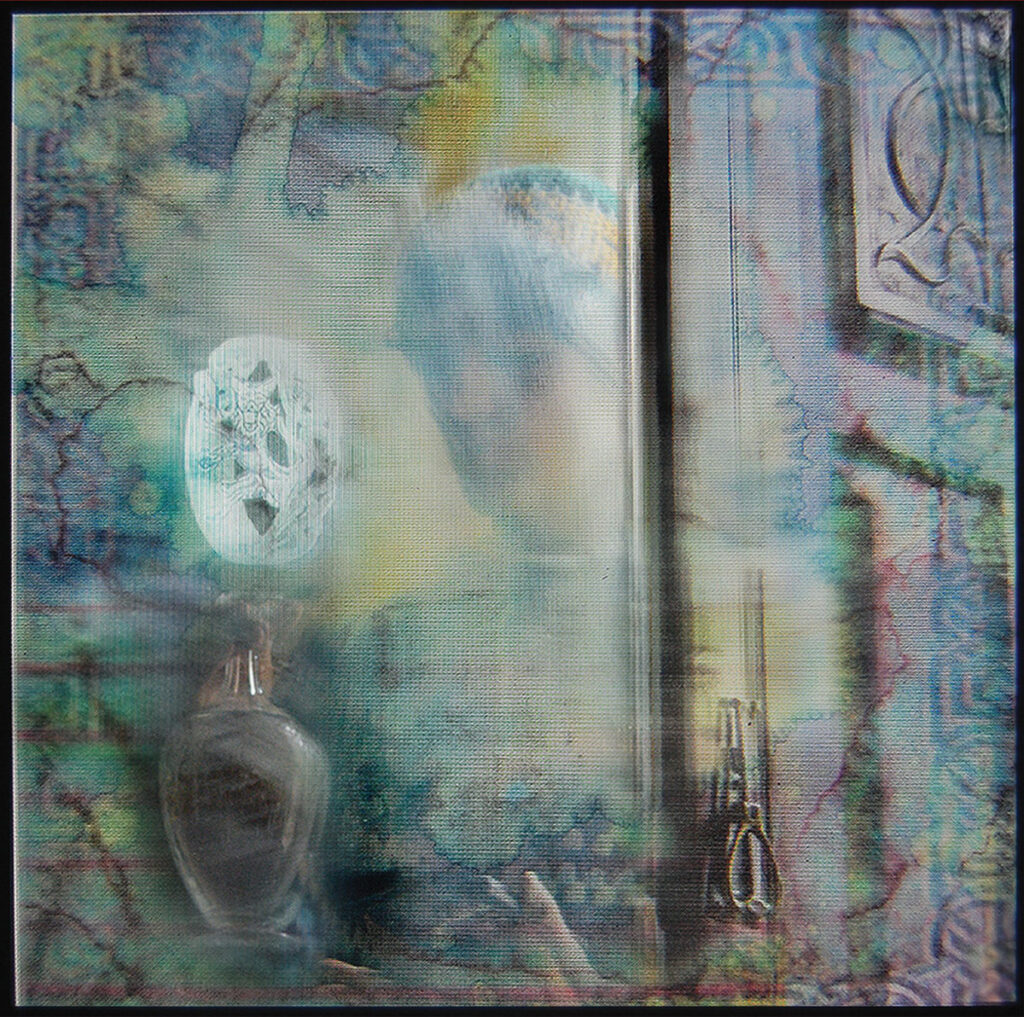
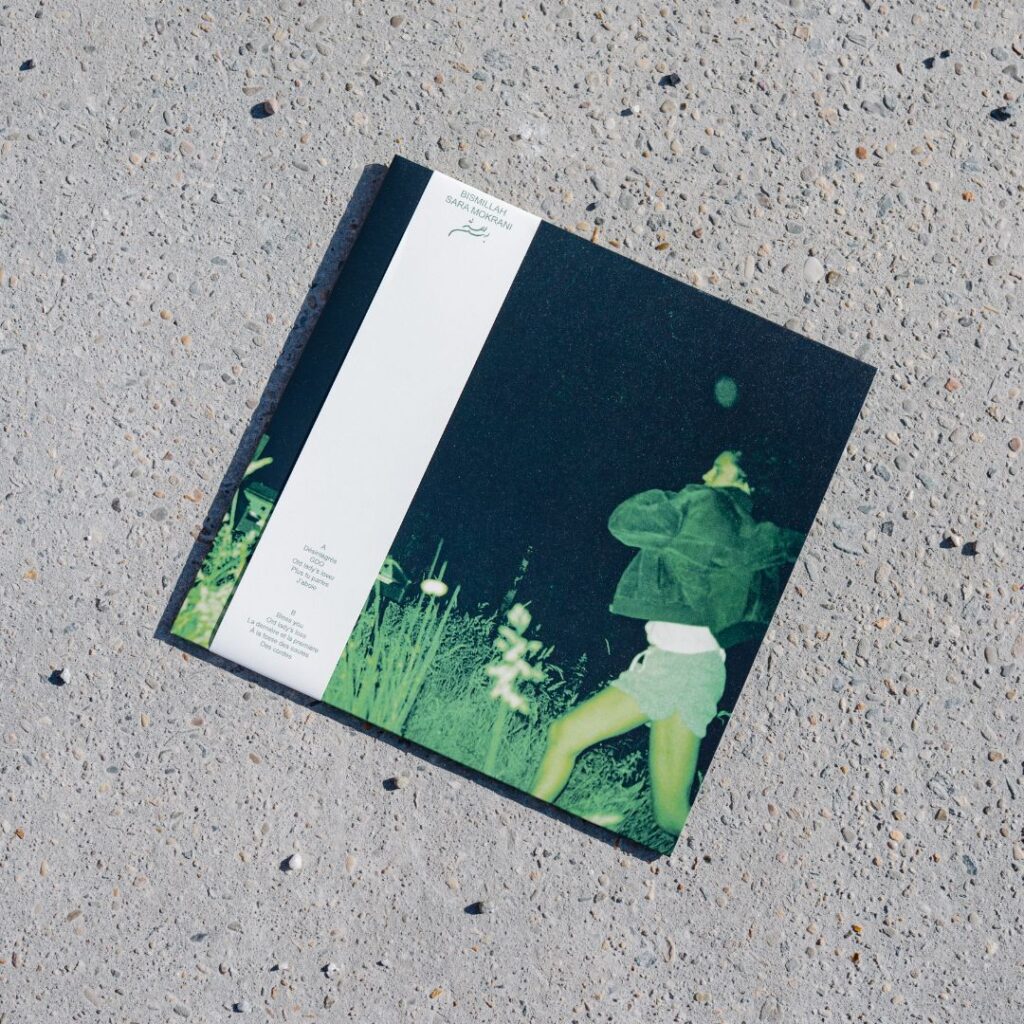
Aoki Takamasa and Tujiko Noriko’s 2005 album 28 has become a cornerstone in both artists’ discographies. Twenty years after its original release, the album is available on vinyl for the first time via Keplar. Created over a three-year period, 28 brought together the sound artist and the avant-pop singer-songwriter in a collaboration that defied easy categorization. Their approach to electronic experimentation and pop songcraft turned 28 into an enduring fan favorite and paved the way for a new generation of artists. Remastered by Stephan Mathieu, the reissue comes with new artwork by Joji Koyama and a revised track listing, authorized by Takamasa and Tujiko and adapted for a single LP. The digital version remains identical to the original release.
Tujiko and Takamasa first shared the stage shortly after the turn of the millennium. Both were emerging solo artists at the time, with Takamasa a mainstay on the Progressive Form label and Tujiko developing a relationship with Vienna-based Mego. “I simply liked Noriko’s voice and music, and since we often performed at the same events, it felt like a natural progression for us to start working together,” Takamasa recalls. They first collaborated in 2002, with performances at the Fondation Cartier in Paris and at SonarLab in Barcelona. Their first joint piece was a reworking of Tujiko’s “Fly” from Hard Ni Sasete (Make Me Hard), which appeared as “Fly2,” the opening track on 28.
Following this, Tujiko, then based in Paris, and Takamasa, still living in Osaka, worked sporadically and remotely on new material. During the early years of their collaboration, they met primarily around live performances or during Takamasa’s visits to Paris, exchanging hard drives and occasionally mailing CDRs. “Aoki made beats and sounds that complemented my music perfectly, building the foundation on which my voice could float,” Tujiko says. Takamasa used hardware such as the Nord Modular, Korg Z1, and Korg ER-1, alongside different software and plug-ins, as well as Logic. Tujiko worked in Cubase, with an Akai MPC as her preferred piece of gear at the time.
After Takamasa relocated to Paris in 2004, the duo was able to finish the album together in person. From its subtle use of glitches to its almost anarchic approach to song structure, 28 emerged as an incomparably intricate album. Twenty years on, it remains resonant for its articulation of early 2000s electronic ideas alongside an idiosyncratic but accessible pop sensibility. Both artists look back on the album fondly, though not uncritically, with Takamasa noting a sense of youthfulness in his contributions to a record titled after their shared age at the time. “Maybe we should make 51 now?” Tujiko jokes.

€32,00
in stock

Aoki Takamasa’s beats sketch a loose framework, while Tujiko Noriko’s voice moves freely through it. The music is nimble and hard to pin down, sounding as open and alive now as it did in 2005.
Aoki Takamasa and Tujiko Noriko’s 2005 album 28 has become a cornerstone in both artists’ discographies. Twenty years after its original release, the album is available on vinyl for the first time via Keplar. Created over a three-year period, 28 brought together the sound artist and the avant-pop singer-songwriter in a collaboration that defied easy categorization. Their approach to electronic experimentation and pop songcraft turned 28 into an enduring fan favorite and paved the way for a new generation of artists. Remastered by Stephan Mathieu, the reissue comes with new artwork by Joji Koyama and a revised track listing, authorized by Takamasa and Tujiko and adapted for a single LP. The digital version remains identical to the original release.
Tujiko and Takamasa first shared the stage shortly after the turn of the millennium. Both were emerging solo artists at the time, with Takamasa a mainstay on the Progressive Form label and Tujiko developing a relationship with Vienna-based Mego. “I simply liked Noriko’s voice and music, and since we often performed at the same events, it felt like a natural progression for us to start working together,” Takamasa recalls. They first collaborated in 2002, with performances at the Fondation Cartier in Paris and at SonarLab in Barcelona. Their first joint piece was a reworking of Tujiko’s “Fly” from Hard Ni Sasete (Make Me Hard), which appeared as “Fly2,” the opening track on 28.
Following this, Tujiko, then based in Paris, and Takamasa, still living in Osaka, worked sporadically and remotely on new material. During the early years of their collaboration, they met primarily around live performances or during Takamasa’s visits to Paris, exchanging hard drives and occasionally mailing CDRs. “Aoki made beats and sounds that complemented my music perfectly, building the foundation on which my voice could float,” Tujiko says. Takamasa used hardware such as the Nord Modular, Korg Z1, and Korg ER-1, alongside different software and plug-ins, as well as Logic. Tujiko worked in Cubase, with an Akai MPC as her preferred piece of gear at the time.
After Takamasa relocated to Paris in 2004, the duo was able to finish the album together in person. From its subtle use of glitches to its almost anarchic approach to song structure, 28 emerged as an incomparably intricate album. Twenty years on, it remains resonant for its articulation of early 2000s electronic ideas alongside an idiosyncratic but accessible pop sensibility. Both artists look back on the album fondly, though not uncritically, with Takamasa noting a sense of youthfulness in his contributions to a record titled after their shared age at the time. “Maybe we should make 51 now?” Tujiko jokes.

we write about records, events, and other small discoveries.