Tique’s picks for a world in flux
As part of our ongoing exchange with Tique, we asked them to share a few books that sit close to their way of thinking. A belief in art as something that can guide both personal and collective transformation runs through their selection, moving between who we are, where we find ourselves, and how we move forward.
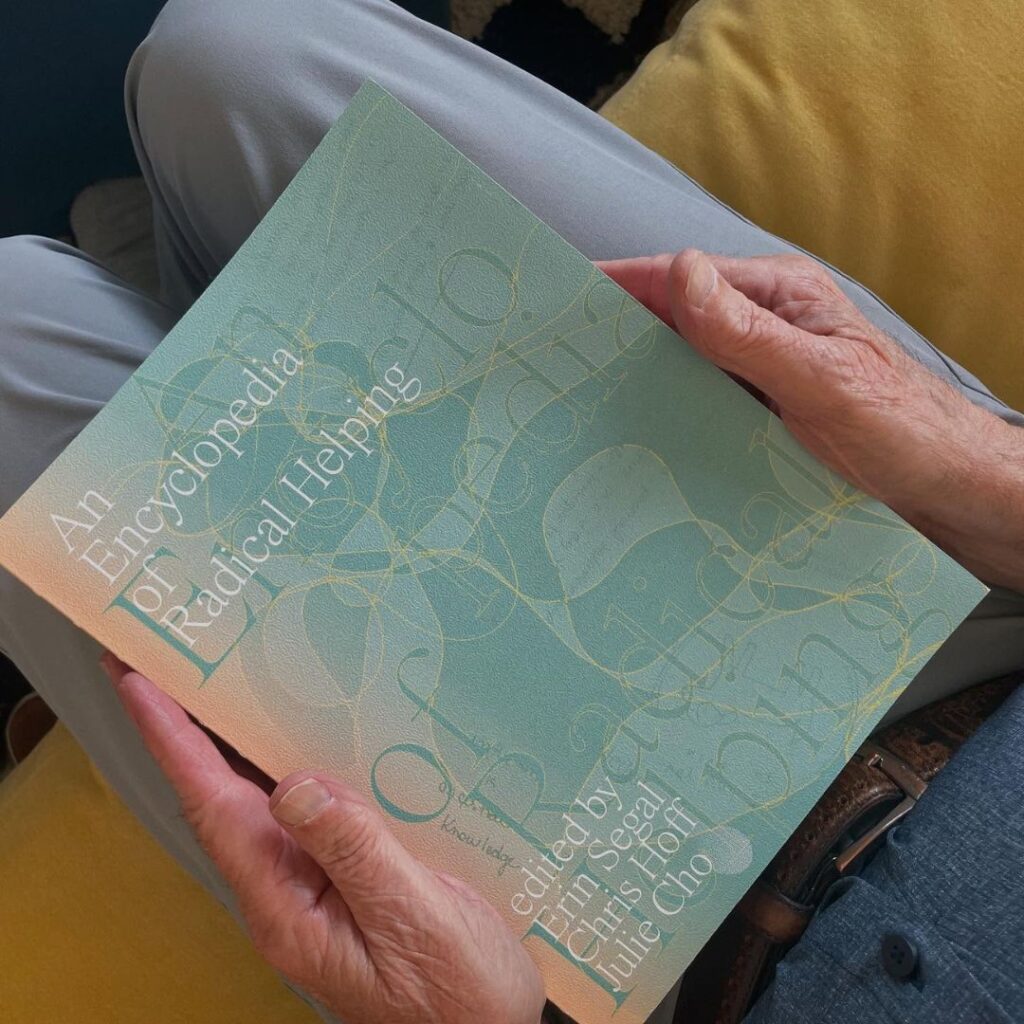
An Encyclopedia of Radical Helping – Erin Segal, Chris Hoff, Julie Cho (eds)
A collection of interconnected entries on helping and healing, featuring contributions from over 200 practitioners across social work, family therapy, art and design, bodywork, organizing, and beyond.
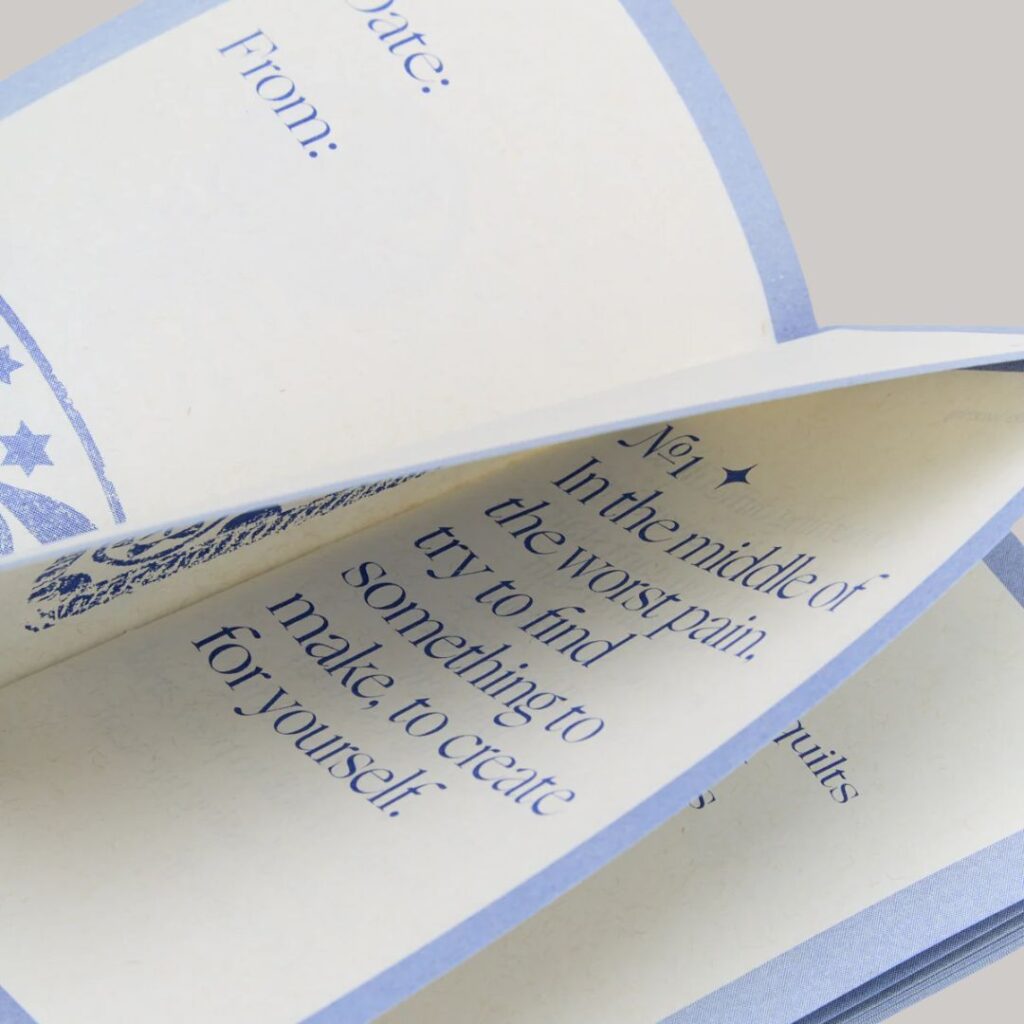
Efemmera Reissue #5: A Witch Recipe for Grievers – Selma Miriam
Originally published in 1984 as the final recipe in the Bloodroot Collective feminist vegetarian cookbook, this essay has been reimagined as a ritual object to be given to a friend in mourning.
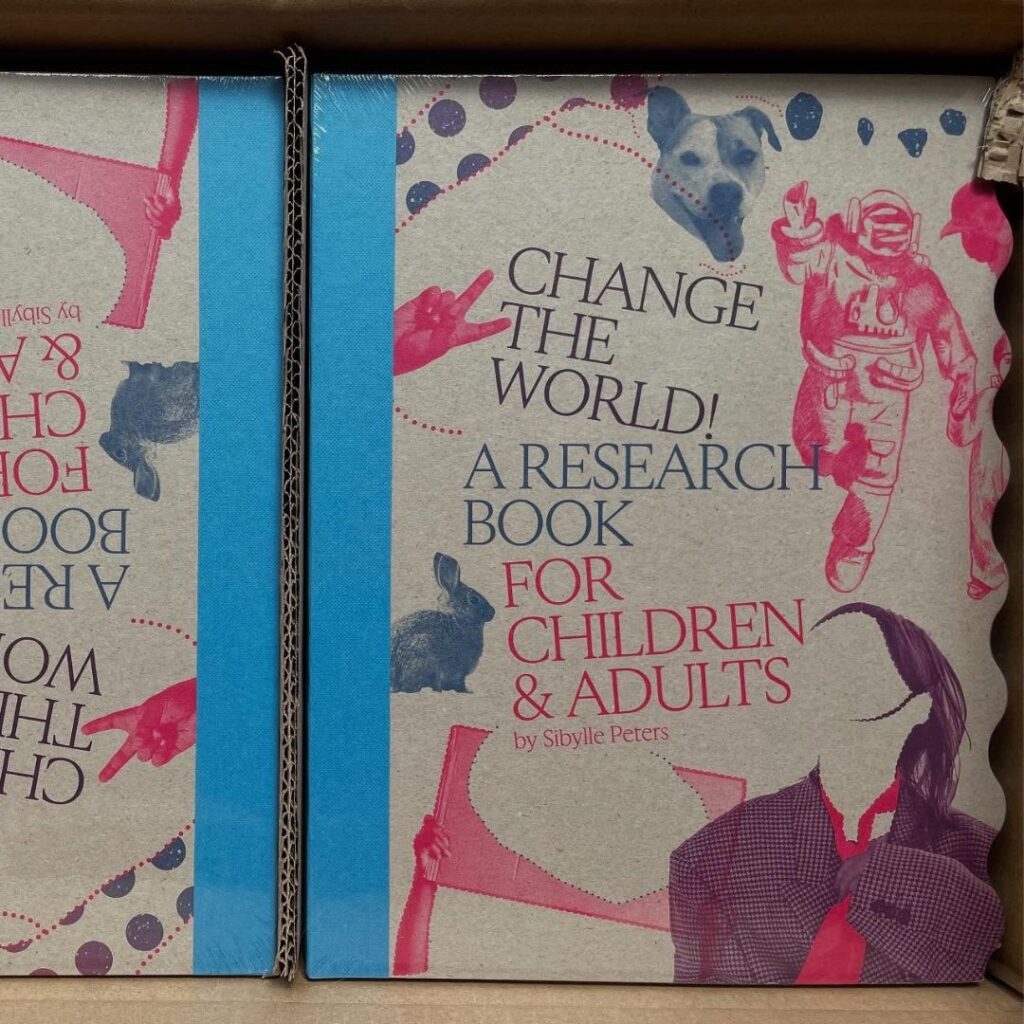
Change the World! A Research Book for Children & Adults – Sibylle Peters
Drawing on 20 years of performance-based research and guided by children’s wishes and concerns, this book offers at-home experiments that explore how play can change reality.
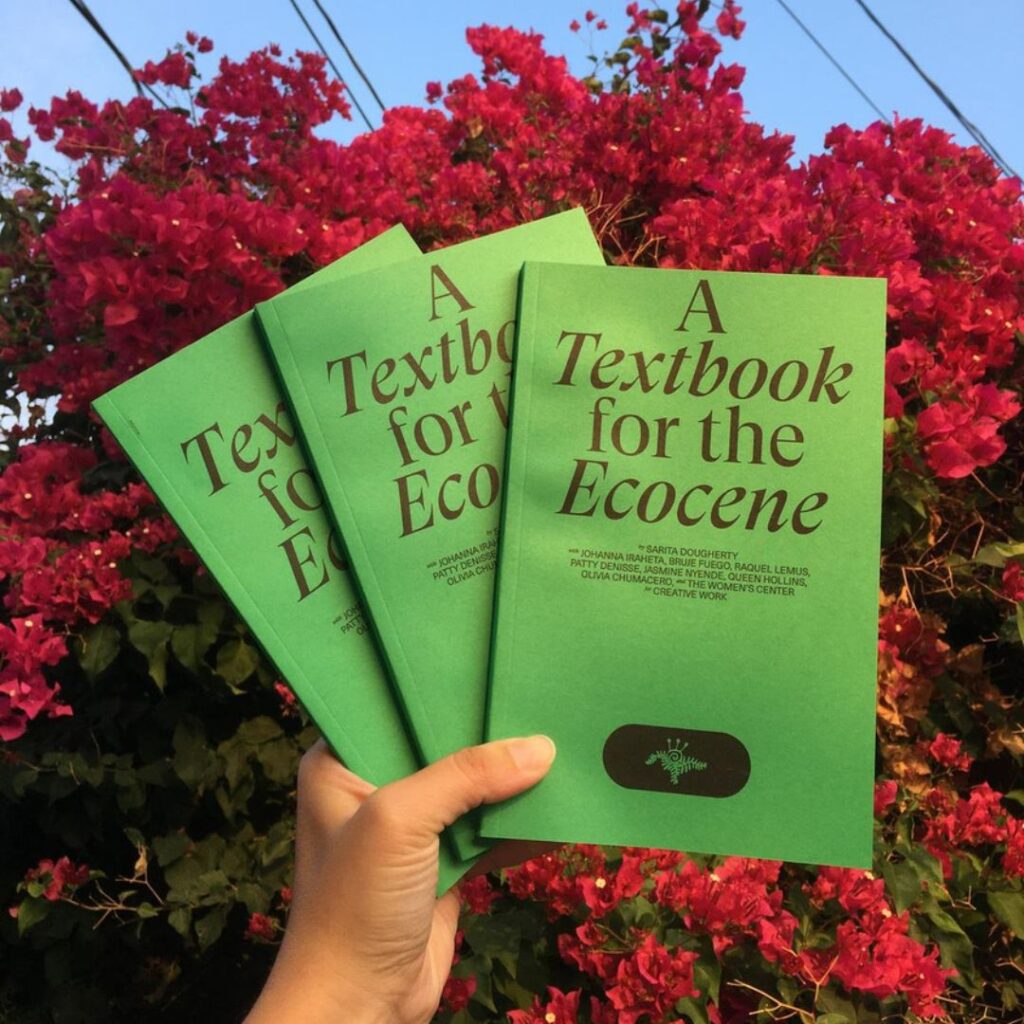
A Textbook for the Ecocene – Sarita Dougherty
| ||
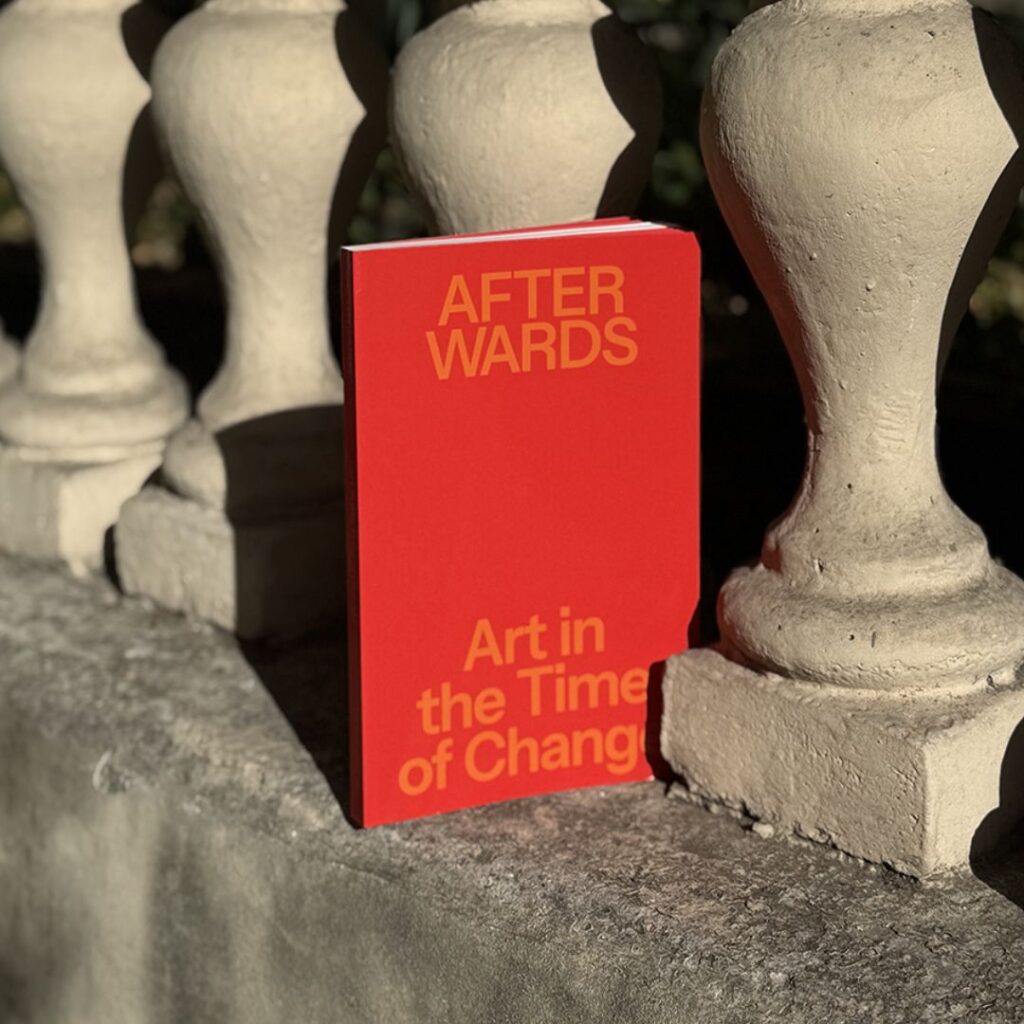
Afterwards – Art in the Time of Change – Valentino Catricalà (ed)
What is the role of the artist in shaping the future, and how do artistic practices evolve in response to technological acceleration and societal transformation? This book explores these central questions through a collection of essays and interviews that reflect on the future through the lens of artistic thought and action.
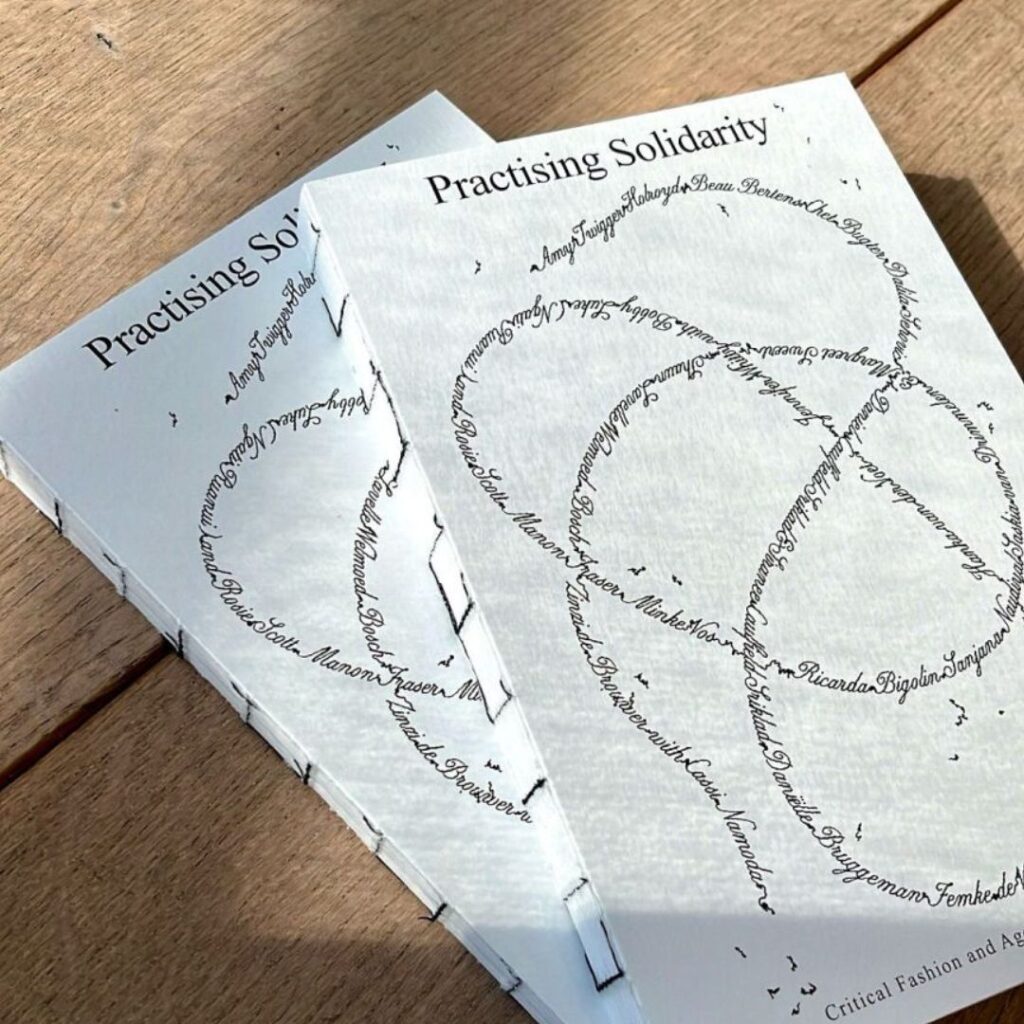
Practising Solidarity. Critical Fashion and Agency that Matters – Daniëlle Bruggeman, Chet Bugter, Hanka van der Voet (eds)
This book asks how we might cultivate radical visions and reimagine fashion systems grounded in solidarity.
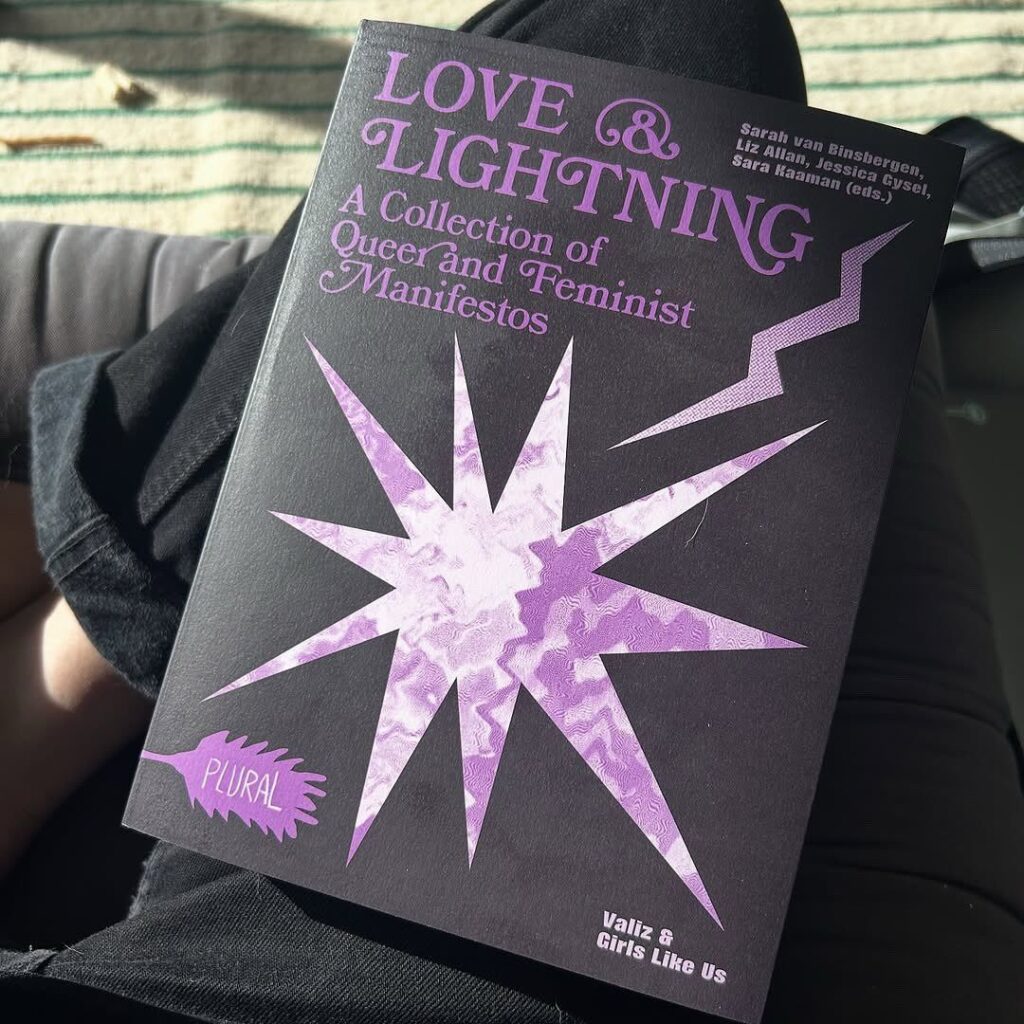
Love & Lightning. A Collection of Queer and Feminist Manifestos – Sarah van Binsbergen, Liz Allan, Jessica Gysel, Sara Kaaman (eds)
A thematically organized, open-ended collection of queer, feminist, and queer-feminist manifestos, showcasing the diverse forms a manifesto can take—from classical activist formats to poetic, associative texts. This publication not only offers fresh insight into the manifesto as a form, but also invites readers to imagine and propose their own revolutions, whether big or small.