











• moving on and feeling good with Michael Hentz

    moving on and feeling good with Michael Hentz

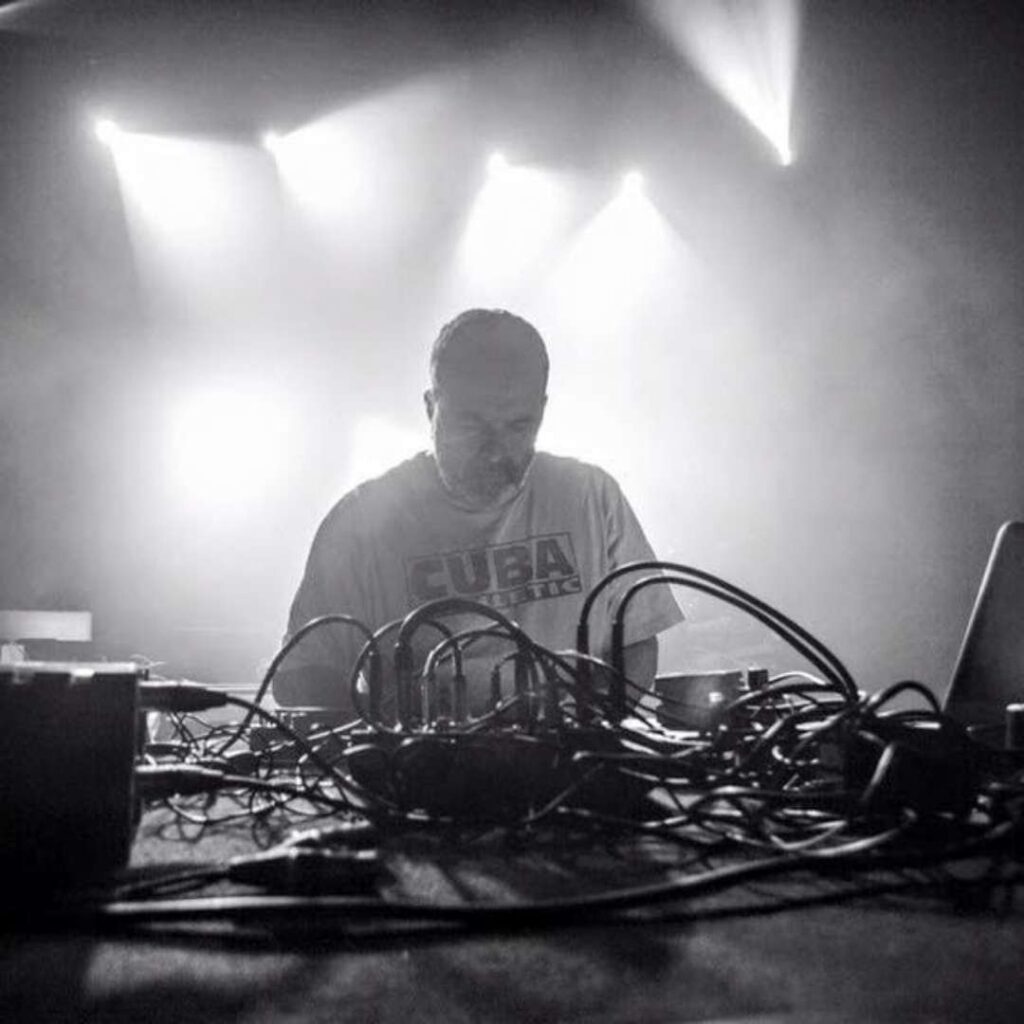
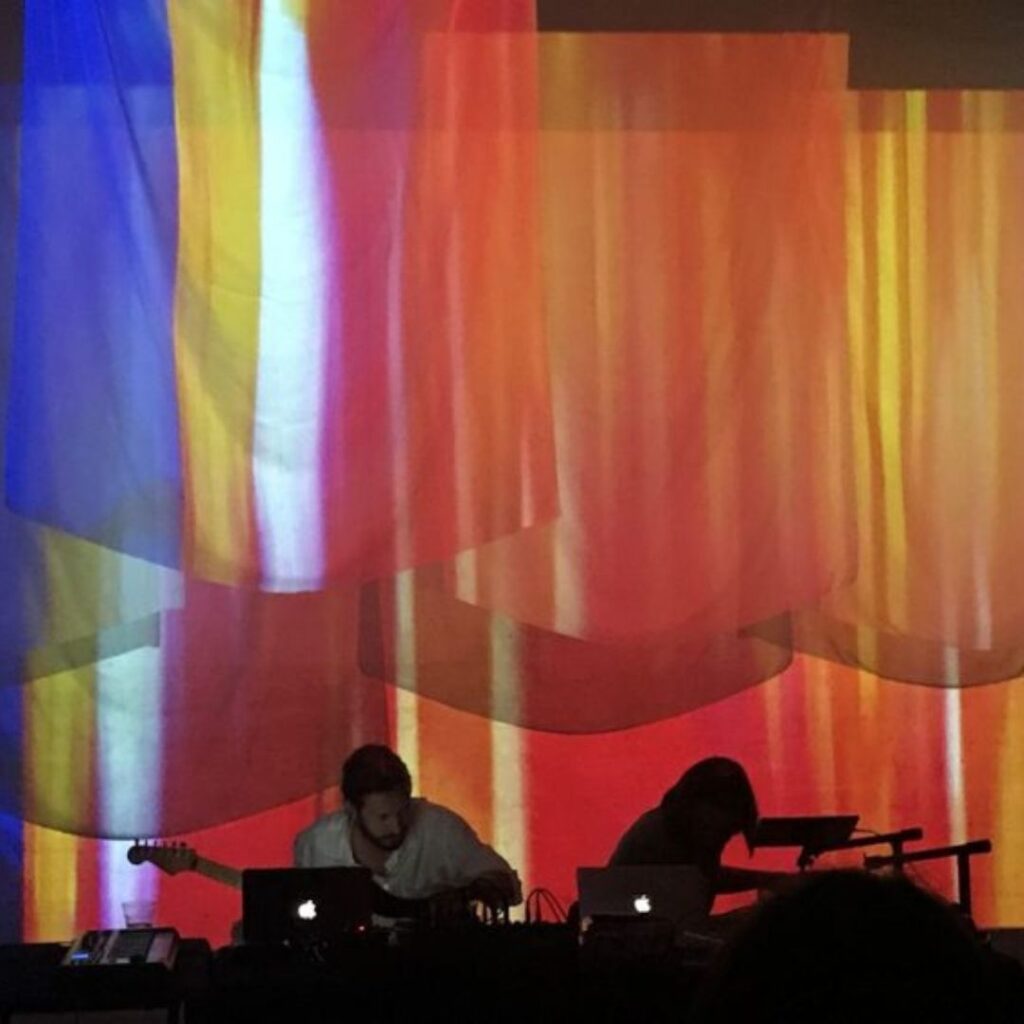
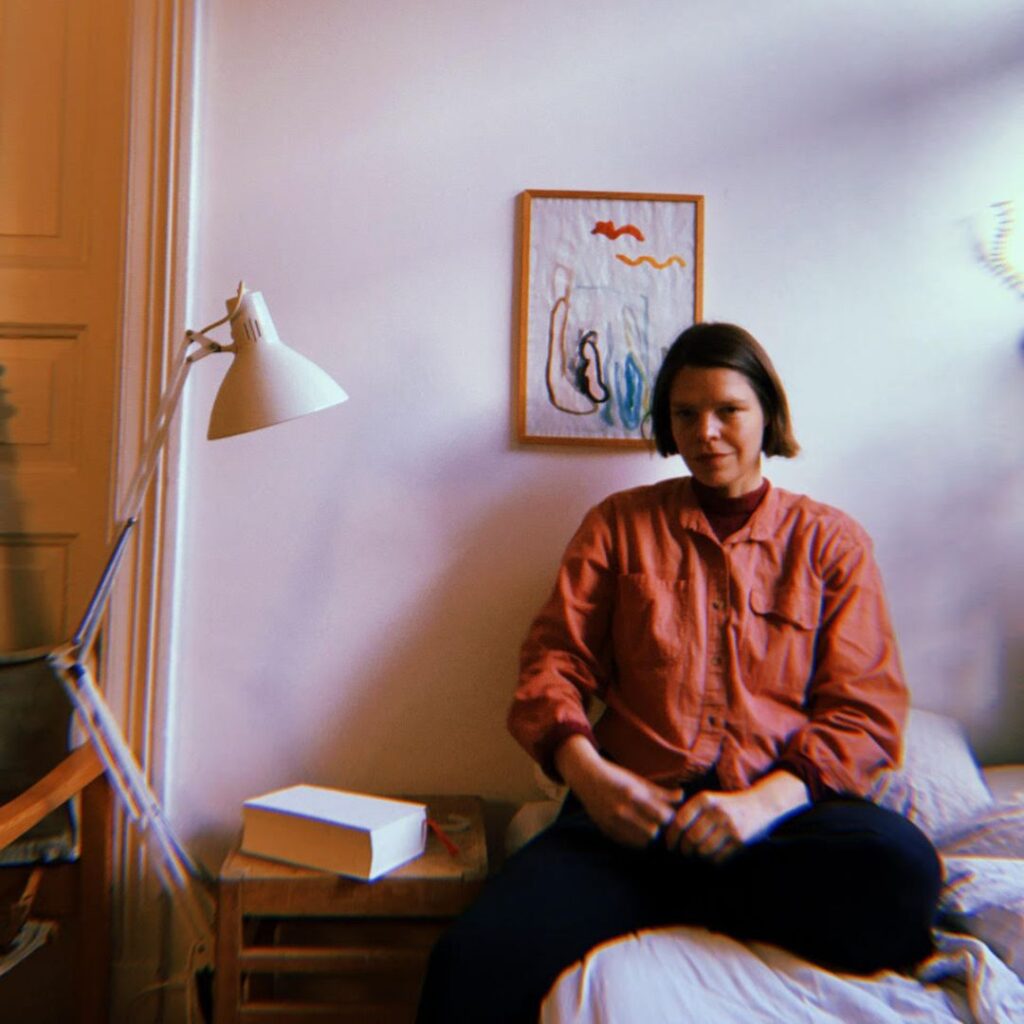
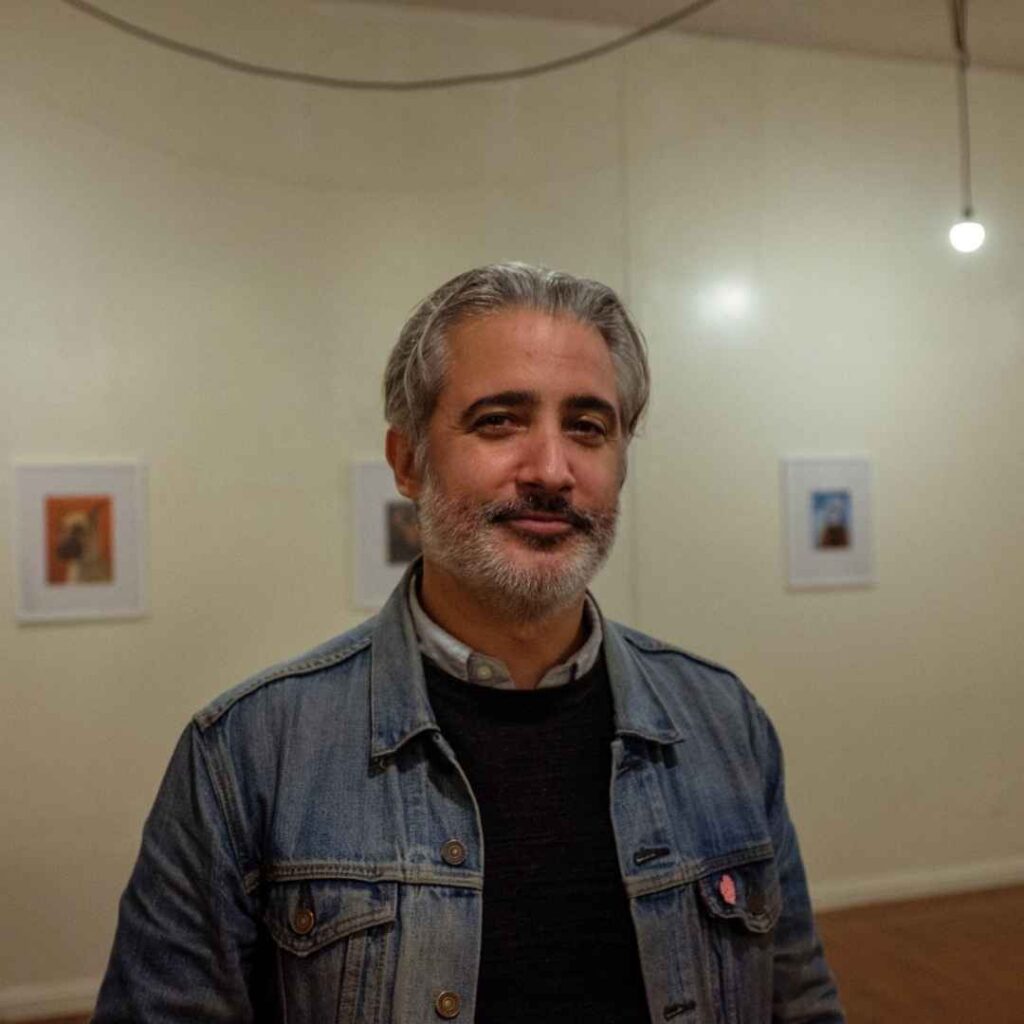
    Michael Hentz is an all-around creative from Los Angeles. He’s not only an avid collage maker, he also runs the limited tape label auasca and he is a guitarist & vocalist for Secret Flowers. Every month, he airs a monthly radio show called Quietudes with George Jensen on Dublab.


    With the year coming to a close, we asked Michael to share with us his sentiments with a mood list. This is what he shares:


    “This year, and for a lot of other people, the past four years have been some of the most uncertain years of my life. But as events unfolded and are still unfolding, our election in America really gave a lot of us a feeling of relief and content with the results. With that, I think it was the first time I was able to really sleep well when the results were finally tallied. I don’t enjoy that some of our collective grief came from one man, but to know that he will not be in that position anymore really allowed me to reflect and to finally get into some feelings about moving on and feeling good. This mood list is a collection of albums to help you reflect on where you are and where you will be going.”

    Michael Hentz | Auasca
    Federico Durand ‎– Pequeñas Melodías

    These feel like little miniatures and ideas that could be expanded upon, but they feel so weightless in moments that they stand well on their own. A real lovely gem. The design from the label is also of note.

    Jason Kolàr ‎– Modified Perspectives

    Kolàr’s album really resonated with me when I first heard it. I couldn’t stop playing it. It has so many moments of hopeful melodies. Stroom always turns me on to new artists on their roster and this one was no different.

    Raul Lovisoni / Francesco Messina ‎– Prati Bagnati Del Monte Analogo

    This record makes me think about looking out of the window of a plane as you move along the tops of the clouds. It always gets me, as soon as the piano comes in: I’m gone. Such a lovely gem that more people need to hear if they have not already. 

    Matthew Halsall ‎– Oneness

    Sometimes a very simple and powerful designed cover can really make me turn the cover to dig deeper. I think that the concept for this record was perfectly encapsulated with the title and then to hear the arrangements and instrumentation, you know you are in for a treat. Like Alice Coltrane’s “Satchidananda” era covering Miles Davis’s “Recollections”, slowed down.  Sit back and enjoy all the harp. 

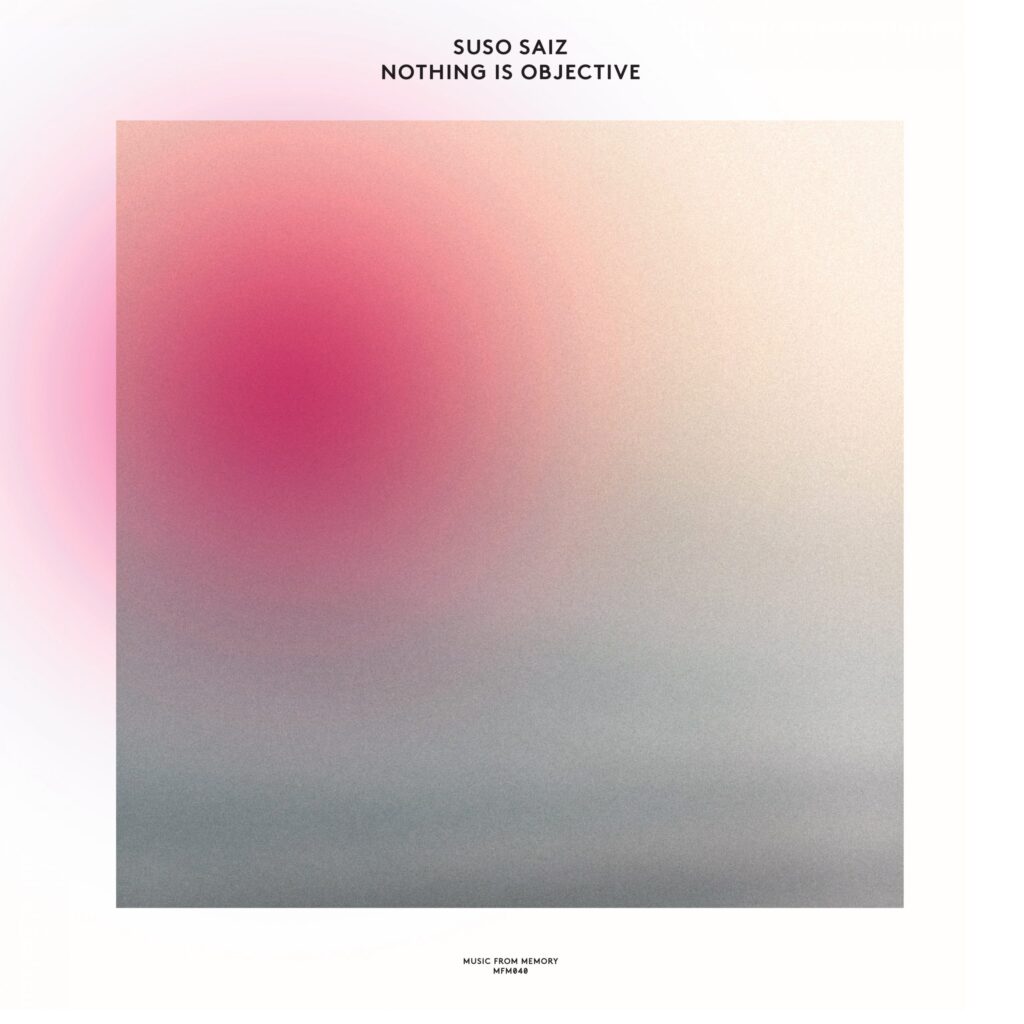
    Suso Saiz ‎– Nothing Is Objective

    I feel like Saiz’s work has been getting stronger as he is getting older, and I love every new thing that he puts out. This album on Music From Memory really should have been on so many year end lists when it came out. I love the track “Nothing Ends 2018” and if you listen closely, you can hear him moving about and breathing and rocking in the background. When you listen to this track with your eyes are closed, it feels as if he’s right there. 

    Harold Budd – Pavilion of Dreams

    If I ever need to recenter, this record is the one I would put on. I see Budd as one of the godfathers, but this record is what really got me started. More harps, a chorus, and Marion Brown?!? Incredible. 

    Gigi Masin & Jonny Nash ‎– Postcards From Nowhere

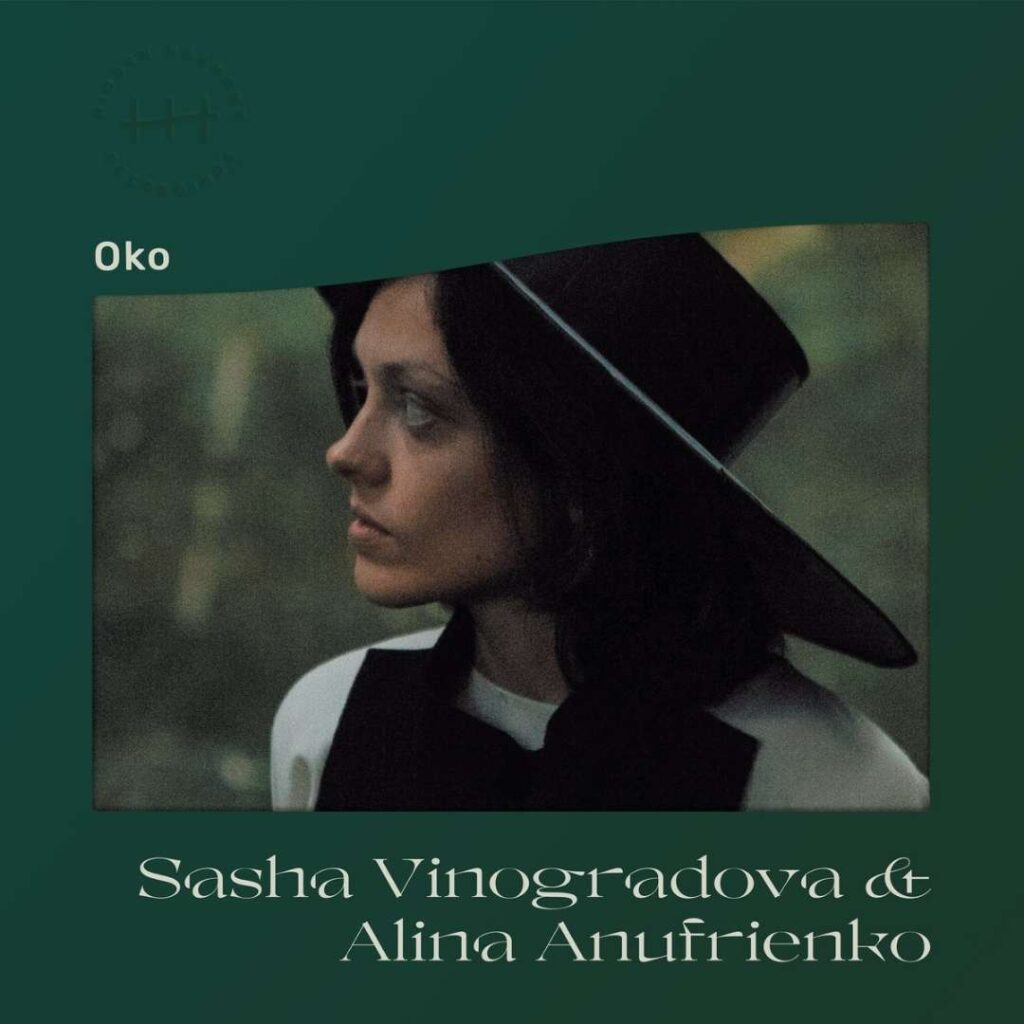
    I had the privilege to interview Gigi Masin this year and was able to talk to him about this session with Jonny Nash. We talked about how the children would come up to him while he was on the piano. I love the rustling of the feet of patrons of the gallery walking around while they play. 

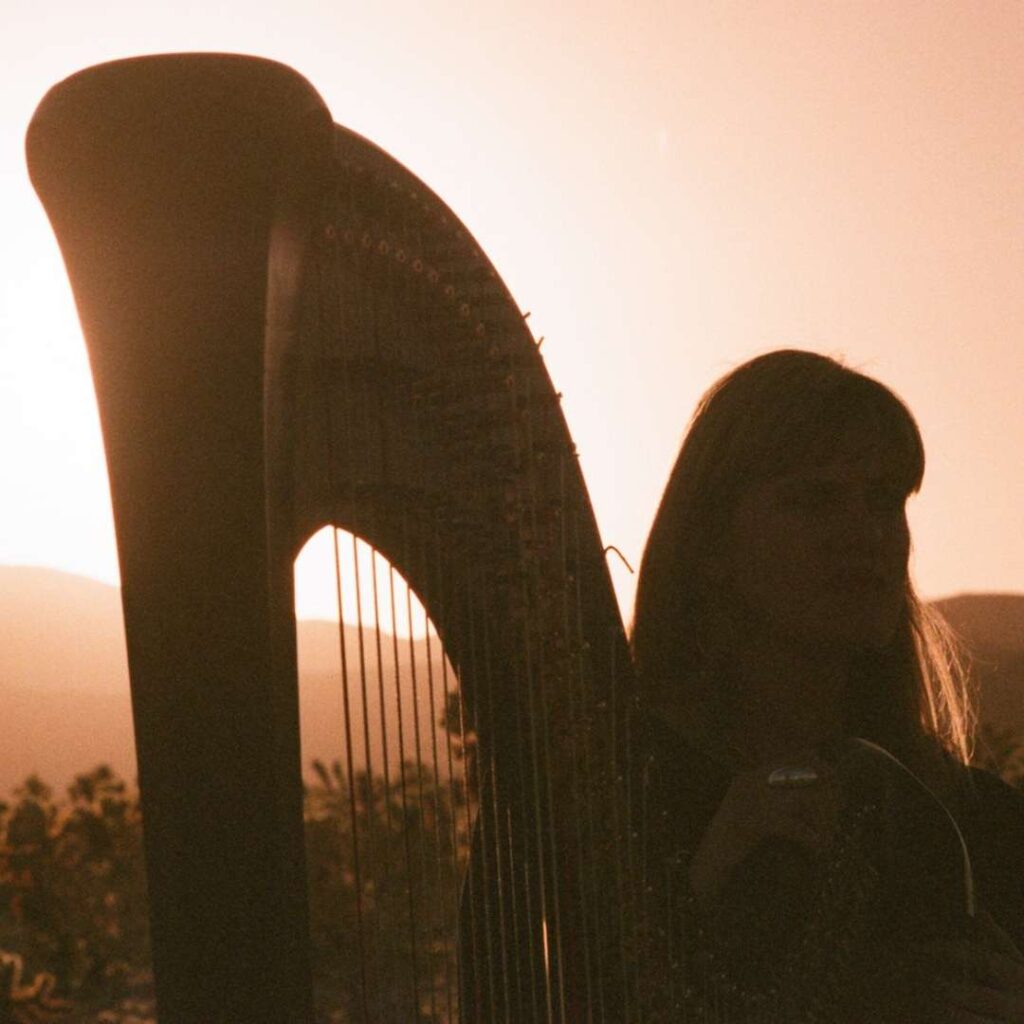
    Mary Lattimore – Silver Ladders

    Mary on harp and produced by Slowdive’s Neil Halstead? Where do I sign? 

    Andrew Wasylyk ‎– Fugitive Light And Themes Of Consolation

    Luckily I had the chance to quickly chat with Andrew recently and he was very happy that his music has been reaching ears in Los Angeles. I feel like his music should be listened to all over the world. This album has been on serious repeat with me, and everytime I like one song the most, it turns into another one on this album. It’s so playful but not rowdy, and his vision is so clear.  Cheers, Andrew. It’s a masterpiece. 

    Jatinder Singh Durhailay & David Edren ‎– Tea Notes

    Another favorite label of mine, Ekster, with their impeccable design and direction. This was one I didn’t hear about until it was released and I was pleasantly surprised how diverse the arrangements were.  

    John Also Bennett – Erg Herbe

    JAB has put out some really incredible releases, especially with his duo with Christina Vantzou, or in the project Forma, but this one always stood out for me as it was nice to hear him solo after the duo outing, and to hear him more on flute. Worth grabbing and I’m always looking forward to hear what he puts out next. 

    Dawn Chorus and the Infallible Sea – Alpha

    Dawn Chorus and the Infallible Sea is a collaboration project between Marc Ertel, Zach Frizzell and Damien Duque. Frizell also runs the amazing ambient label Past Inside The Present, of which this album ‘Alpha’ was released on. I really enjoy this trio as they can tug on a lot of heartstrings on some songs and really express both sense of hope and hopelessness. It recently went out of print but I saw it will be reissued soon. They have a full length LP out this year as well, but this one really got me when I first listened to it. 

    discover Michael’s picks in store

    continue reading

  • finding beauty in impermanence with Ann Vincent

    finding beauty in impermanence with Ann Vincent

    As we love to set the mood, we teamed up with multidisciplinary Ghent-based artist Ann Vincent to complement a few of our favorite records with her hand-sculpted candles. With their organic shapes and soft earthy tones, they almost look too perfect to burn. But the magic is in the burning.


    Just like a good record comes with its own unexpected twists and turns, the candles slowly change in shapes and forms as they burn. What better way to enjoy listening to a record than with a candle slowly burning both steadily and strong. An invitation to take your time, listen closely and give your full attention to the littlest details.

    Tell us why and how you decided to start making candles.


    When I was studying photography, I made a scale model with wax and I found myself very intrigued by both the look and feel of the material and also with its transformative nature. The way it melts and hardens before my eyes in a matter of seconds.


    With the leftovers of the material, I started experimenting. I wanted to create a sculptural object that can enter people’s homes as a functional object. 


    Candles don’t require a commitment to permanence, which make them very accessible. They can be art for as long as you want them to be. 

    Ann Vincent

    What’s the inspiration behind their dreamy shapes and the forms?


    I find it hard to pinpoint this, but I’m very attentive to shapes and materials.


    Materials inspire me a lot. I like feeling them, photographing them, trying to model them, playing around with them and seeing what I can do with them.


    I think the warm soft feeling and look of the material of wax inspired me to make the organic shapes. And while I’m quite impulsive when it comes to creating a new shape, I do really find it important that they complement each other. The next shape is definitely always influenced by the previous one. 

    What role does mood play in your work?


    I definitely have to be calm or nothing good will come from it. It all depends on the day. Sometimes I can’t be creative for weeks. And then other times, I have to cancel all my plans because I feel like ‘today is the day.’

    How do you get in the mood to create?


    I can’t create this mood on purpose. I have to wake up and feel it, so to speak. I do feel like whenever I’ve been away from my studio for a while that I feel the urge to go back and start fiddling around again. At the same time, I feel very blocked if I spend too much time in my studio. Going away on a holiday helps my creativity.

    Ann Vincent

    What sounds do you like to listen to when you want to be creative? How about when you want to decompress? 


    I find it hard to work in silence, which is something I honestly would want to learn. I mostly listen to very calm soothing music, preferably instrumental.


    I greatly resonate to floating on clouds as a mood. It’s very tranquil yet comforting but with some energetic impulses to keep me stimulated while I’m working.  

    What are you currently working on? 


    Currently I’m making candles 24/7 and I hope to take some time in January to reflect and start making some new things.

    Anything in the future that you’re most looking forward to?


    Mostly I’m looking forward to start creating some new things. I have some vague ideas and really want to start experimenting.


    Next to that, I’m very curious about how my studio is going to evolve. Curious for the people I might meet or what new collaborations might happen.

    discover our record & candle pairings

    continue reading

  • reinterpreting music for a new generation with Nosedrip
    reinterpreting music for a new generation with Nosedrip
    Long before the rise of online multimedia radio platforms as we know it, Ziggy Devriendt, aka Nosedrip, already dabbled with an experimental radio show that combined visual art with music that falls between the cracks. It was an innovation at that time, the first of its kind in Belgium and a foretaste of what was yet to come.


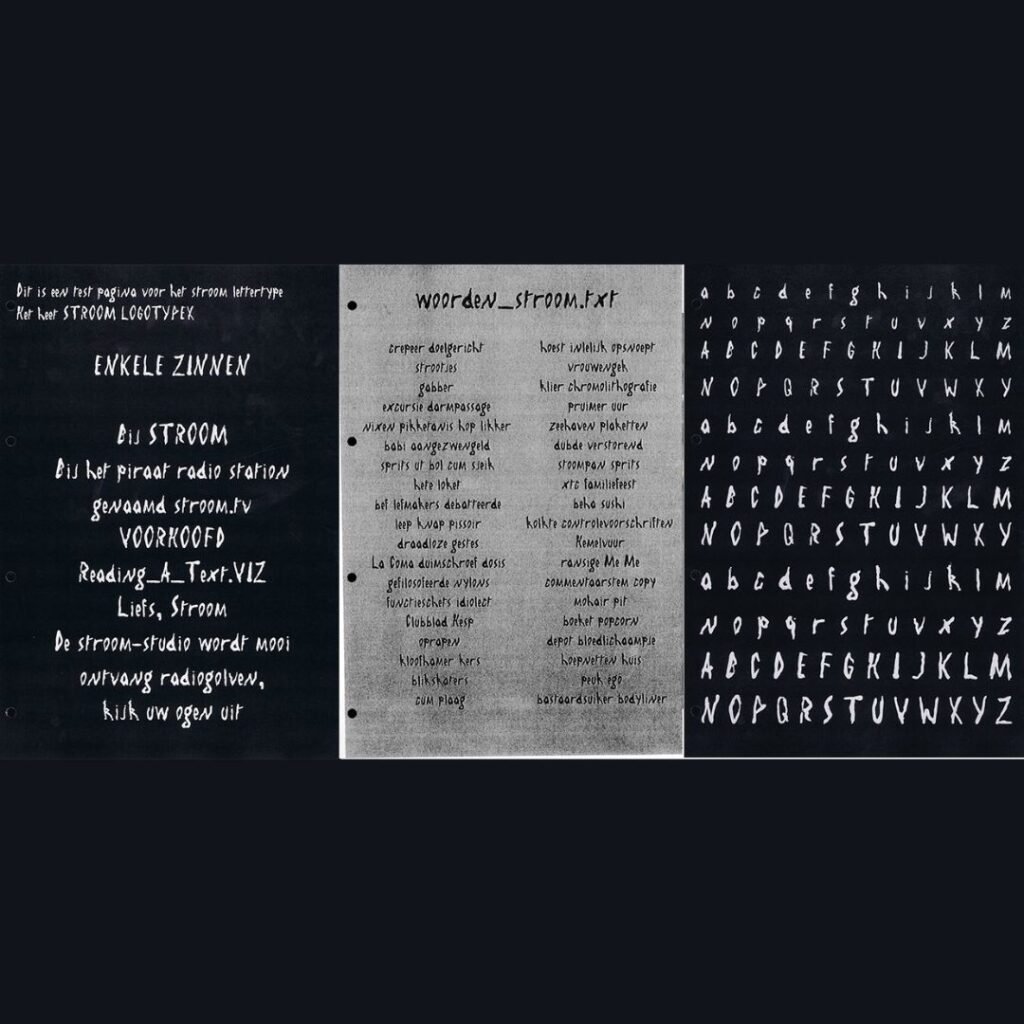
    Now in its fourth year, Stroom is 46 releases deep and is easily one of Belgium’s most influential labels. But Stroom is not just a Belgian success story. In fact, they’ve done a very good job in putting Belgium on the map. All credit goes to their razor sharp vision and distinct aesthetics. Whether it’s an archival compilation or a contemporary album, Stroom continues to surprise – release after release.


    Ziggy recently invited us to his coastal hometown in Ostend for a casual spaghetti lunch and a visit to the Stroom studio. With absolutely no pretension and no holds barred, he shares with us his joys and frustrations of running the label and his never-ending search for oddball musical genius that continues to define what Stroom is: it means stream in Dutch and it’s an unpredictable one at that.

    How would you describe the Stroom sound? 


    11000 Dreams by Jan Van Den Broeke comes close to defining the signature Stroom sound. You can feel from his music that it really came from within. He was making music with no audience in mind, so there was no one to please. It’s more self-expression than anything else, like shouting in an empty room. Looking back at our catalog, it’s that amateur vibe of making music that makes our releases special. 

    You have a knack for discovering lost projects. How do you find the artists for your releases?


    It goes even further than that. A lot of the projects were never really there in the first place. Take for example, Cybe. He was hoping to be a pop music sensation with the super vague ambient music he was making. That’s really weird to me and it’s so naive if you really think about it. But maybe it’s the naivité in the music that attracts me to it. 


    I mostly find the artists on Facebook. It used to be quite challenging. Sometimes it took me months to even convince an artist to release a record on Stroom. But as the label grew, it got a lot easier. People know what we do now, so there’s always someone that knows someone that would fit on the label. Maybe a part of the fun is gone a bit now. 

    Objects & Sounds - Mood Talk - Nosedrip

    When you put out a release, do you always start with a concept in mind? How does it come about?


    It all starts with sifting through the tracks in an artist’s archive and making them fit into a coherent storyline. Sometimes a concept pops up like that, but other times there’s no concept at all and then it’s just the artist’s work over a period of time which makes for the concept.


    With the Jan Van Den Broeke album, there was definitely no concept. It was just music Jan made between now and the early 80s. Interestingly enough, it was the wildest combination we’ve ever done. It has recordings from 2011, but also from 1982. With Vazz, it was the same. We combined piano tracks from 2016 and post punk tracks from 1983-1984. We also did the same for Pablo’s Eye. It doesn’t sound so special now, but I think we were the first label to do something like that. We wanted to show that if music comes from deep within, it doesn’t really matter what period the music comes from. I like it when projects like that happen. I’m always extremely excited about them. 


    In the end, it’s always difficult to predict what release would work well. Sometimes the weirder the artist, the more the release gets picked up. Music moves in really weird ways. You have no control over it, even if you want to have some control.

    When we listen to the Pablo’s Eye albums specifically, it almost feels like the music could have been made in the same year.  


    For you as a listener, yes, the compilations totally make sense. But you have to realize that for them it was ten years of material. They did six albums between 1989 and 1999 with each of them having its own unique concept and vibe. Imagine all of a sudden a young person like me comes along and just shakes it all up. It took quite some convincing to make that work, but I was really excited about that collaboration. 


    When I went through their tracks for the first time, I was really into their darker “heroine kind of vibe” music. I actually skipped a lot of tracks at first, because they sounded a bit too poppy, too sunny and too happy for my taste. When I re-listened to the tracks, I realized they were also really good, so I combined a little bit of both in my first selection. I was 99% sure that it would work, but I had 1% doubt.


    When I presented it to them, they didn’t like it all. They thought the sounds were too far apart.  As a compromise, we decided to do two albums. The happier sounds went onto the Spring Break album which we released in spring, while the darker sounds went to the Dark Matter album which we released in the winter.


    I’m still very happy with how that turned out, but you can only pull off these things if the synergy is good. You can’t imagine how much back and forth went into the making of those records. That’s exactly the reason why those records turned out so great.

    Objects & Sounds - Mood Talk - Nosedrip

    The theme of seasonality often recurs in your releases and playlists. What role do seasons play for you?


    I have always been very much into the season of when something comes out, because it contextualizes a lot. For me, the best period to listen to music is between September and December. Everything just sounds different in the summer because maybe I’m just not a summer kind of guy.


    Sometimes we also time our releases with the holidays. This year, we coupled a release with a Valentine’s dinner in an Italian restaurant. It was just 40 people and it made no sense, but it was really nice. It keeps it fun.

    So, who’s we? Can you tell us a little bit more about who’s behind Stroom?


    Stroom as a label is basically a triangle between Nana, Mathieu and myself.


    Nana has been the artistic director and also co-owner of Stroom from day one. She was instrumental in defining the visual language of the radio. Nana also does all the cover designs for the label. She doesn’t want to box Stroom to a certain style, so she always approaches every release as its own unique project. Her process mostly starts by thoroughly studying the projects. From there, she either works with what’s already there or starts from scratch completely. She’s really good at giving an identity to something.


    Mathieu is our sound engineer. He does all the mastering, restoration and everything in between. He is the sound technical part of Stroom. As for me, my biggest skill is that I know how a good album sounds. That’s why I’m very much involved in the building of a record. You can actually make a good album with average music, as long as you can find the storyline and the artwork that makes it work.


    We all have our responsibilities and vetos towards things. For example, if Mathieu thinks it’s technically not possible to make a good record out of an artist’s archive, then the project doesn’t happen.


    Aside from the three of us, we also work with frequent collaborators like Ijf who took over the radio from me back in 2015 and Victor who was our first intern. We released his first singles (Vanderschrik & Prutser) on Stroom and now we do the production of his own label Kontakt.

    Objects & Sounds - Mood Talk - Nosedrip

    How involved are the artists in the whole process? 


    As a label, we know what is best for our audience. Sometimes it’s good to let an artist be involved in every stage, but sometimes it’s not so good. A lot of the times they find it really weird that young people are interested in their music that never worked in the first place. Often, that fireworks makes them overly excited and they want to do their own artwork, but then we have to remind them that their ideas are not going to work for a new generation. We are not selling music mainly to friends of their own age. It’s only a small percentage of their own age that gets it, so we need to rewrap it for a new generation, and that is the crowd we know. So, we always expect some kind of freedom in everyone’s best interest. 

    How much does the label feed into your DJ sets?


    It’s mostly the other way around. The label is totally an extension of what I was already doing before. It’s an expression of what I like, just as I was also playing what I like. Both on my DJ sets and on the radio show. Running a label is actually like a radio show that gives back. The spirit of sharing music is still there, just with an added business angle to it. It’s sometimes less fun to think about margins and that kind of stuff, but it’s definitely a healthier and more sustainable way to support the music I like and the artists behind it as well.

    Since we’re big on moods, can you share with us how your mood influences your curating process?


    It’s definitely connected to my mood, for sure. I can still vividly remember the release we did when I became fully independent. It was an epic trance record from the 90s by Lhasa. The label is kind of like my diary. There’s a story connected to every release. I can look back at every album and exactly remember in what mood I was in that moment.

    Objects & Sounds - Mood Talk - Nosedrip

    And what’s next for Stroom, Ziggy?


    We’re now working on jewelry and kitchen knives together with artists who we just really want to support and work with. We’re approaching these projects just like how we work with vinyl. Each of these objects will come with a story – complete with artwork and liner notes.


    Stroom is also turning 5 next year and we want to do a new age festival in the dunes here in Ostend. It won’t really be like a birthday party as you know it, but it’s mostly going to be a celebration for ourselves. 

    Last question. Tell us about your dream collaboration.


    Hmm, maybe a boat?


    Difficult question, I don’t know. But I’m definitely sure it would not involve music. If it’s a dream thing, I don’t want to say something that’s possible.


    Imagine if you can build a boat, that would be funny. A building would be cool too, like what 2manydjs did with their Studio Deewee. It was actually a release on their catalog with an own number. I would definitely not do that, but imagine we find an old amazing house that would fit in the Stroom aesthetics. What if we can turn that into a museum or a gallery that people can visit? That would be cool and it would be really fun for Nana and everyone involved with Stroom too.

    discover our stroom favorites

    continue reading

  • leading parallel lives with Gigi Masin

    leading parallel lives with Gigi Masin

    Our next mood talk takes us all the way to the floating city of Venice, home of well-respected Italian composer Gigi Masin.


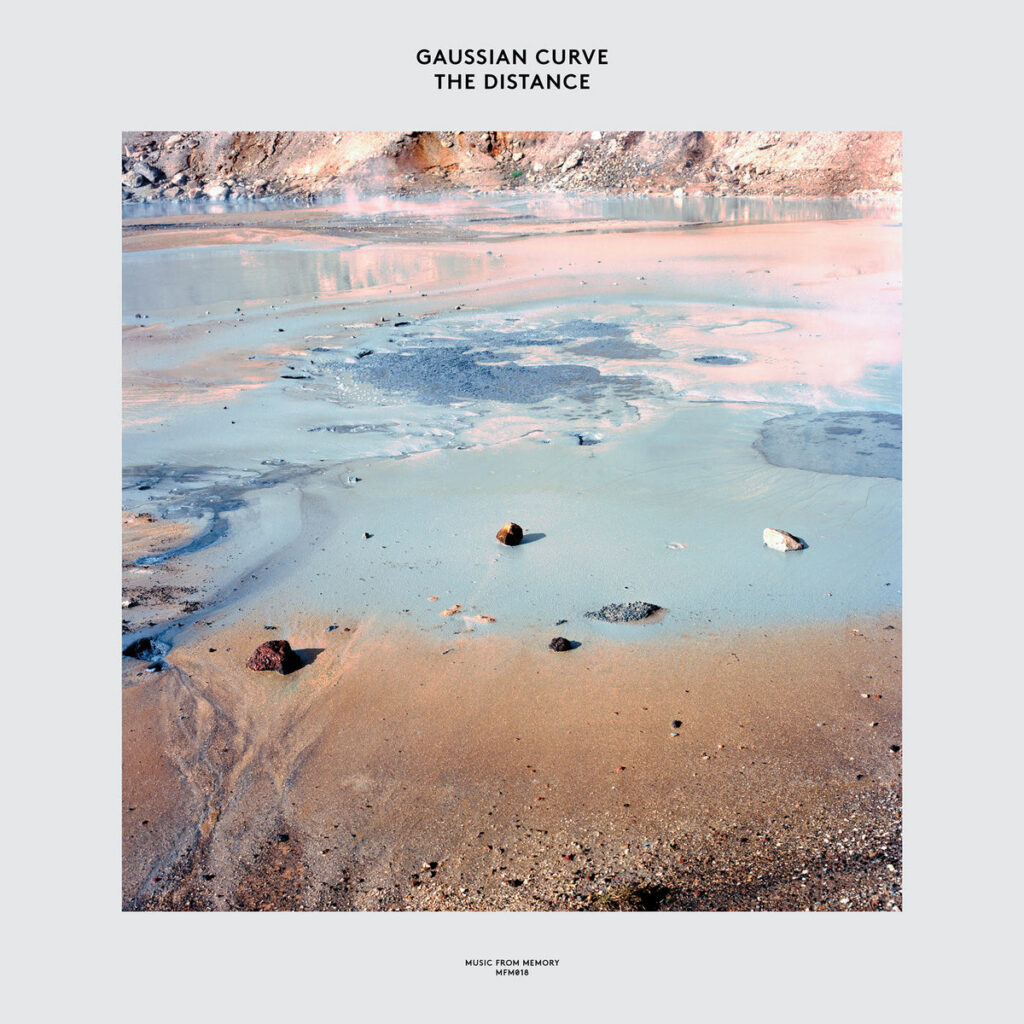
    In the last five years, Gigi has been making waves in the ambient music scene touring the world both as solo musician and as a member of Gaussian Curve, a trio with Jonny Nash and Young Marco. Yet Gigi is no stranger to making music. In fact, he had already been making music for more than three decades. Although for the most part, his music was privately pressed and sold only at small concerts in the Italian electronic underground scene.


    After his music was sampled by artists such as Björk, Nujabes and To Rococo Rot, Gigi’s work quickly became well-sought after collectors’ pieces. But it wasn’t until 2014 when Music From Memory released the compilation Talk To The Sea that Gigi got the critical acclaim he deserves.


    In an open-hearted conversation, Gigi gave us a glimpse of his inspiring journey and tells us more about the language he wishes to express.

    Hi Gigi, how are you doing today?


    Good good, I can’t complain. How is it over there in Ghent? I played there twice and I really love the city.

    Happy to hear. The Gaussian Curve concert at the Vooruit was still one of the best concerts we’ve ever been.


    Your city is so charming, especially with the canals.

    Gigi Masin | Gaussian Curve

    You seem to gravitate towards water a lot, even in your releases. Does water play a big influence in your life?


    If you were born in Venice, you have water everywhere. It’s natural. I actually live better when the sea is close to me. I can’t explain it. Maybe it’s something very primitive, but when I see the water, I feel at home. It’s incredible.


    A friend once told me that “for a Venetian, the water is a way of flowing because it’s free, the water is free.” You can’t block the water, you can only flow in the water.


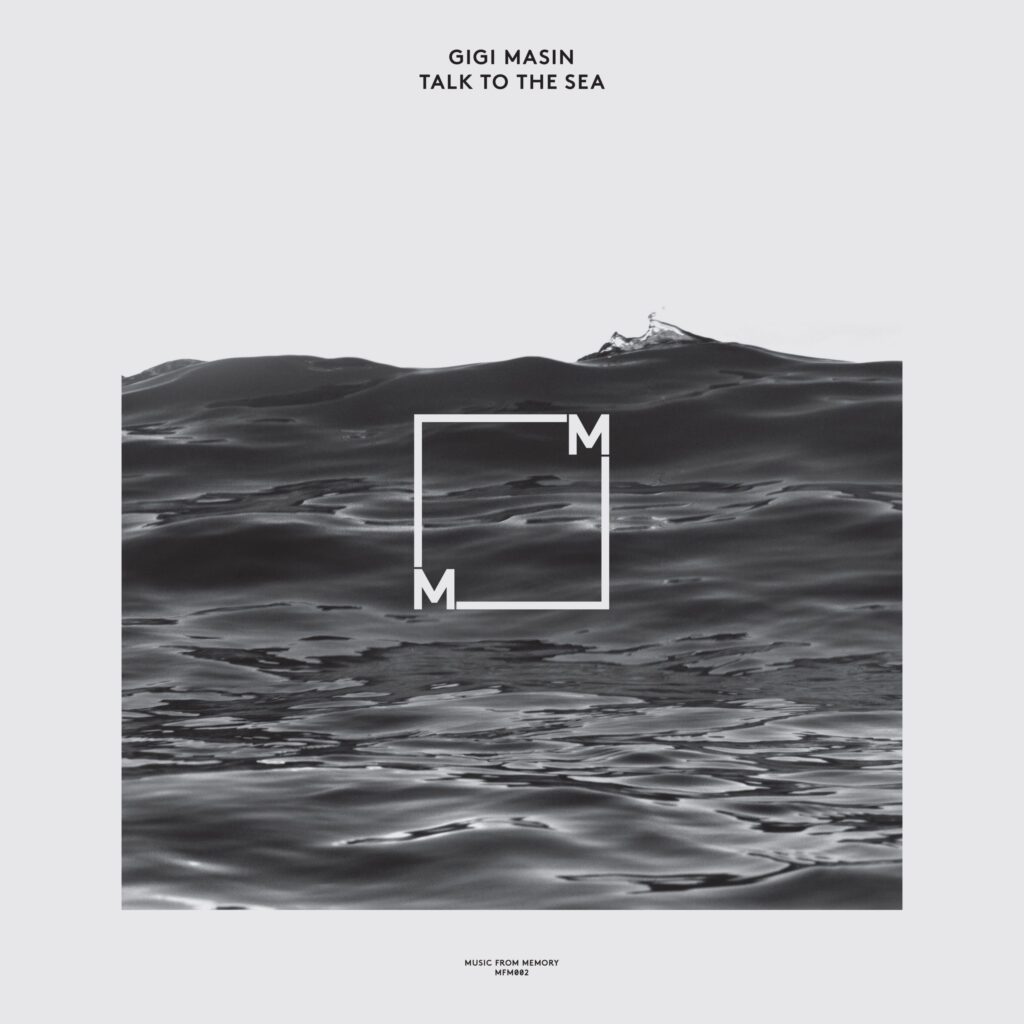
    As for my music, it’s not something I directly think about. It’s more something I have inside of me. The album title Talk to the Sea was actually chosen by the guys from Music from Memory. It wasn’t intended to be like that. In hindsight, I think it was really the right title and I like it.


    It’s wonderful how I get to understand myself better through the work of other people. It’s only now that I understand that my music was influenced by water. When I was making those records in the eighties, I thought I was making jazz music. Now I understand they were rather ambient records.

    So interesting to hear that thought you were making jazz records. What is ambient music for you then?


    In the past century, there was music for chambers. It’s entertainment for rich people who didn’t work. They had a lot of boring afternoons, so it was nice to have some chamber music with a violin or a harpsichord. I am not sure if what we call ambient music today is the same as chamber music.


    For me, ambient music is different from the music you hear in concerts. It is a more personal and intimate kind of music. Ambient music is a sort of impossible island. It’s a strange place because it’s a flux of music that stems from many different kinds of music.

    And how would you describe the music you make?


    If someone were to ask me what music I play, I wouldn’t know what to say. I think music is simply a language that we use to talk to other people. It’s something that changes year after year. You’re exploring your own language and you discover that the music that you release and play in a concert resonates with people.


    No musician makes music for himself. It’s like playing chess. Nobody wants to play chess alone. You want somebody else to play it with. It’s the same with music. Music is a connection, so I am constantly searching for something that’s more a language than just music. That’s at least what I am trying to do. Not sure if I can do that, but I try.

    Gigi Masin | Gaussian Curve

    You’ve been making music for 30 years. Has your relationship with music changed throughout the years?


    I come from a nation that is famous for its music, but it’s not usual for people to call themselves musicians. I have lived most of my life with this hidden part of me. It’s something I share with millions of musicians. It’s a part of you that you hide in a corner, because it’s not accepted by society as something you can do.


    Many people think making music is a hobby, like something you can do in your free time. But it’s not just something you can do for an hour in an afternoon, you know? In fact, I am my music.


    It has been very difficult for people in my social life to accept the fact that I am really a musician. I’ve lived two parallel lives and when you try to make one life out of two, you have to decide what part of your life is going to be closed.

    Did that parallel life influence how you make music?


    I decided to let my music be free to explain itself. I did not let my music be corrupted from the social life. It’s a flower I have inside of me. It’s not my life. It’s only fantasy. It’s something that grows inside me and I have to channel it towards the music, not into reality.


    It’s not so easy to be a musician. I think that it’s still not a job that’s considered noble. Even now, people play a record without really caring about the musician or the composer behind it. At least not in the same way people do with books, movies or paintings.

    Perhaps even more so now in the age of streaming.


    Music is more used like a commodity. If you want to read a book, you sit down. If you want to see a movie, you go to the cinema. But if you want to hear music, you can do that anywhere, even in an elevator. It’s just made to fill the room you are in. People can do everything while listening to music: cooking, cleaning, shopping. It’s almost used like furniture.

    That being said, we feel that the music you make is very special and the people that appreciate your music don’t see it as a commodity.


    I consider myself very fortunate. I grew up knowing a lot of other musicians, but I am a lonely survivor. Many people my age made a lot of wonderful music, but now they don’t care anymore. I am fortunate because it never occurred to me to stop.


    If my music goes around the world, it’s not mine anymore. Every song is like a feeling that is growing and evolving, and the feedback from the people is like a song coming back to my home. That is the main reason I am doing music. That feeling is wonderful.

    Gigi Masin | Gaussian Curve

    And what inspires you to make music now?


    I always try to do something new. I can’t repeat the same concert twice, because I am the first person who has to enjoy it. It’s the same with the music I release. I have to be happy with it. If I can listen to a song that I’ve made for more than five times, that’s when I know it’s good. Also when I make something and I don’t like it, I don’t put it aside and revisit it in the future to finish it. No, I forget about it and I try to do something new.


    I get a lot of inspiration from people who come to the concert, buy my record, talk with me and shake my hand. Sometimes it’s so heavy to my heart because people come to me and tell me that my music helped them in a difficult time in their life. That situation is very hard for me. I don’t know how to react. It’s too strong for a musician. It’s something very private, it’s something very intimate. You have to be respectful for situations like this because you are holding a treasure in your hands. People are opening their hearts to you and you are nobody in that situation. You’re just a face, just a musician, just the man behind the music.

    You do a lot of collaborations. How does this complement the language you want to express?


    When you work with other musicians, you share experience, intuition and new ideas. But you also learn from them and most importantly, you need to listen. That’s fundamental for me.

    Do you have to be in a certain mood to make music or can you make music every day?


    I prefer to make music at night when the house is silent and there aren’t many cars on the roads. I can’t just sit down in a chair and say to myself You have to make a track’. It’s not so easy. I really need to be wanting to make music. But when I want to do something, it’s also not a long process.


    I can do a track in less than an hour, no more than that. It’s something very easy and very intuitive. It’s just an expression of the moment, something that explodes from the mind.

    Gigi Masin | Gaussian Curve

    Did you always do concerts from the beginning as well, or was that something that grew in a later stage?


    In the past, I often played guitar or piano during readings with writers and poets. It’s something we used to have a lot in Italy. It was really nice. It was also the only possibility for musicians like me to play in Italy. But in the last five years, I have had a lot of concerts. I am really fortunate. I travelled the world with my music. It’s impossible to explain that feeling.

    It must have been very special and nostalgic to revisit work you did in the past.


    Yes, but the problem is that all I want to do is play new tracks all the time. I’ve made tracks for 30 years, so I have a lot of things left in the past. But to me, it was the expression of that time. I don’t look back to the past. I like to try new things. This is the language that I want to express now.

    What are you looking forward to in the future when it comes to your music?


    I am sure I will take the plane again in the future and go all around the world to meet new people, play amazing concerts and start new collaborations. But I can wait to do concerts. This year was a time for me to take a step back. Just to stay at home, be with my cat, read old books, see old movies, and connect with friends.

    Your journey is a very nice reminder that doing things from the heart never goes unnoticed.


    If you let something of yourself free in the world, it’s like giving a gift to the world. It’s something that comes from you and it’s a gift for somebody who cares.

    Gigi Masin | Gaussian Curve

    What a beautiful philosophy. Do you now feel that your social life finally appreciates your hidden life as a musician now?


    Not really. They still wonder. It’s so strange for them that I take the plane so often. I tell them that my music is a language for all the world, not only for Italy. And still they wonder and they look at me strangely. They don’t know if it’s true or if it’s a lie. My younger self would have suffered more from that, but now I don’t care so much anymore.

    Do you have a tip to share on how people can connect deeper with music?


    Embrace how music can be intimate and dangerous at the same time. You don’t understand certain emotions until you find the right track that makes you open up and cry. Music is powerful, but you have to discover what music can talk to your heart.

    Our last question. What is your favorite sound in the world?


    I love the sound of whistling trees. It’s such a wonderful sound. I also like the sound of crying babies, but I am probably too Italian to mention that.

    That’s a good one! Thank you so much for taking the time, Gigi.


    It was a pleasure. Thank you for listening to my stories and strange ideas. Hope to be back in your wonderful town of Ghent once again soon.

    listen to gigi’s music

    continue reading

  • tearing down musical borders with Hidden Harmony Recordings
    tearing down musical borders with Hidden Harmony Recordings
    This mood talk takes us all the way to Tallinn, Estonia. We spoke with Valentin, a dedicated record collector, globetrotter and driving force behind the recently-launched Hidden Harmony Recordings. The artists featured in the label’s roster so far hail from Canada, Russia and Argentina. A proof that music knows no borders. But Valentin and his team are just getting started, always scouring the fringes in search for one-of-a-kind artists in places most people wouldn’t even think of looking.

    How did you get into music? 


    I’ve always listened to a very broad range of music in every kind of genre: from ambient and early electronics to jazz and soul, all the way to classic psychedelic rock. I have been drawn to music all my life. I simply can’t imagine myself not listening to music daily.


    The fascination all began by listening to the big names such as Pink Floyd, The Beatles and  Miles Davis. As time went by, I felt the natural need to explore different genres. I also became part of a very tight knit community of friends involved with different fields of art here in Estonia. It’s a fun bunch of musicians, designers and photographers all sharing with each other their love for art and music. This inspired me to do what I do today and it gave me the drive to establish an independent music label.

    What’s the inspiration behind Hidden Harmony Recordings?


    Together with a good friend in Tallinn, we started a label several years ago called RR Gems . We are both dedicated record collectors and we wanted to create a vinyl-oriented record label that would release musical “rare gems”. Music we considered very special and free of any fixed boundaries. The conceptual idea behind RR Gems was to make releases that we’re proud of and other collectors would like to get their hands on.


    My friend’s taste was mostly geared towards jazz music, while mine was more focused on experimental electronic music. We genuinely believed that both styles are essentially rooted in improvisation but just in a different dimension and musical realization. So, the vision was to combine releases of both styles under one label. But eventually and naturally, it gravitated towards a jazz crowd. 


    We had a couple of successful jazz releases by artists such as Muriel Grossman & Brahja and that just made it more difficult to release non-jazz music in the context of RR Gems. In a way, I felt that some boundaries were created once again and some alternative was needed to fulfill the initial idea and concept. 


    That’s when I decided it was time to start my own label to really focus on music without borders — both physically and artistically. I envision the label to be a platform where people will know that they’ll encounter interesting non-standard music. This is the main goal for me. I’ve always been a believer that vinyl is a powerful vessel to share music, as it does incorporate musical, visual and tactile components and all these components combined lead to more synergies between different art fields.

    Hidden Harmony Recordings

    The hidden aspect seems very crucial to the label. Can you share with us the mindset behind this?


    Hidden Harmony aims to be a platform for hidden artists hailing from the deepest and darkest corners around the world. My role is to shed light on music and art that did not get the proper attention it deserves. To me, I envision Hidden Harmony as a platform where artists will finally receive the well-deserved recognition they might not have gotten before. 


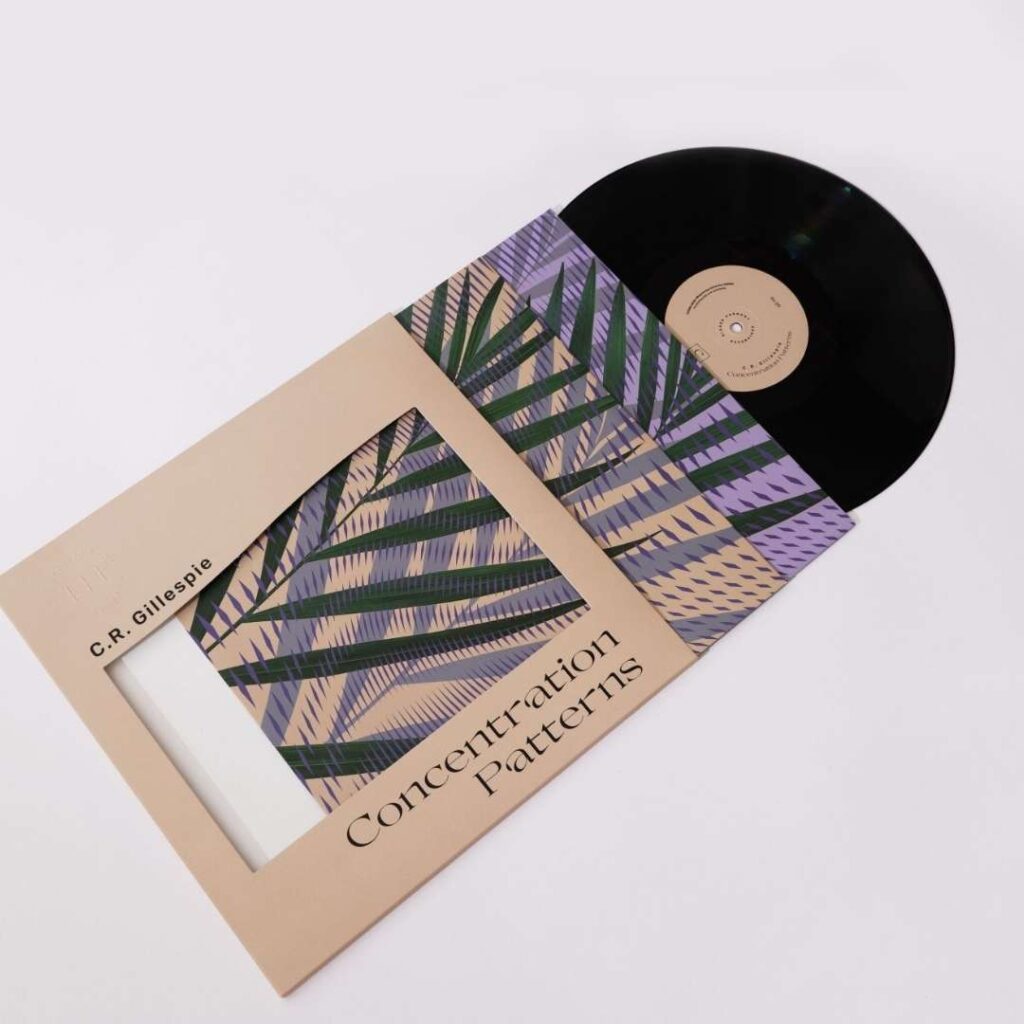
    Next to the music itself, there are a lot of hidden design elements as well in the vinyl releases. First of all, our logo is embossed and hidden in the artwork. All the releases also have a die-cut window in the outer sleeve front cover, so it reveals merely a hint of what you can expect to find when you pull out the record. The inner sleeve also serves an additional space for visual and graphic expression.

    As the visual element plays a very important role for  the label, is the artwork design mostly coming from the artist or is it mostly influenced by the label?


    For each release, we always ask the artists to propose their preferred designers to work with. We’re very open to this as a label, as we enjoy collaborating with other creatives. Our small team of 3 consists of two designers, who are my good friends Anastassia and Ilja. They both greatly contribute to the label’s design aesthetics.


    Regardless of the designer we work with, the process always starts by proposing a few different design options to the artist. The final design is always a compromise in the end, as our ultimate goal is for the artist to be happy. If an artist is not happy with the end result of the vinyl release, they won’t see the release as his or her own “baby”. The latter might sound trivial, but working on a limited-edition vinyl release makes each minor detail matters, especially for the artists.

    And how do you find the artists you work with?


    Colin had previously released a mesmerizing synth-work album called Seance Works on RR Gems, so we’ve become good friends and always kept in touch. He shared a snippet of Concentration Patterns on his SoundCloud and when I first listened to it, I immediately liked it and felt: “this is it”. I’m a big fan of music that helps with concentration & focus, and I was convinced that it would be the perfect first release for Hidden Harmony. 


    We also live in a modern world where you can easily communicate and collaborate with people from everywhere around the world. The releases come almost naturally.  I find the artists while exploring YouTube, SoundCloud or on mixtapes, and then I just write artists with my vision and ideas for a possible collaboration.

    Hidden Harmony Recordings

    The first release by the Canadian artist Colin Roy Gillespie was very calm and soothing.  The second release by the Russian artist Maria Teriaeva is a little bit more percussive and has an upbeat tone. How did the collaboration with Maria come about?


    The collaboration with Maria dates a few years back already. Back in 2017, she did her first solo vinyl release, which had a very ambitious conceptual idea on the design. As a collector, I wanted to get a hold of this record for my collection and decided to write Maria a message. 


    I noticed that the record’s design wasn’t in line with the original ambitions, so I asked her if we at RR Gems could help her in realizing her initial plans. The design she had in mind was very special and in a way it was a sneak peek of what was to come with Hidden Harmony a couple years later on. It also featured a die cut in the front and an inner sleeve with hidden artwork, so it’s closely related to the concept we have now with HHR and it really shows how one idea can influence many others to come, and how natural healthy influencing and networking can be achieved inside an independent musical community. 


    Since then, I’ve always wanted to work together with Maria again on another project. Her music is really unique and special. Music coming from Russia nowadays is often very nostalgic about the past, but Maria’s music is very modern and very worldly. She creates something entirely new and is not afraid to explore visionary ideas.


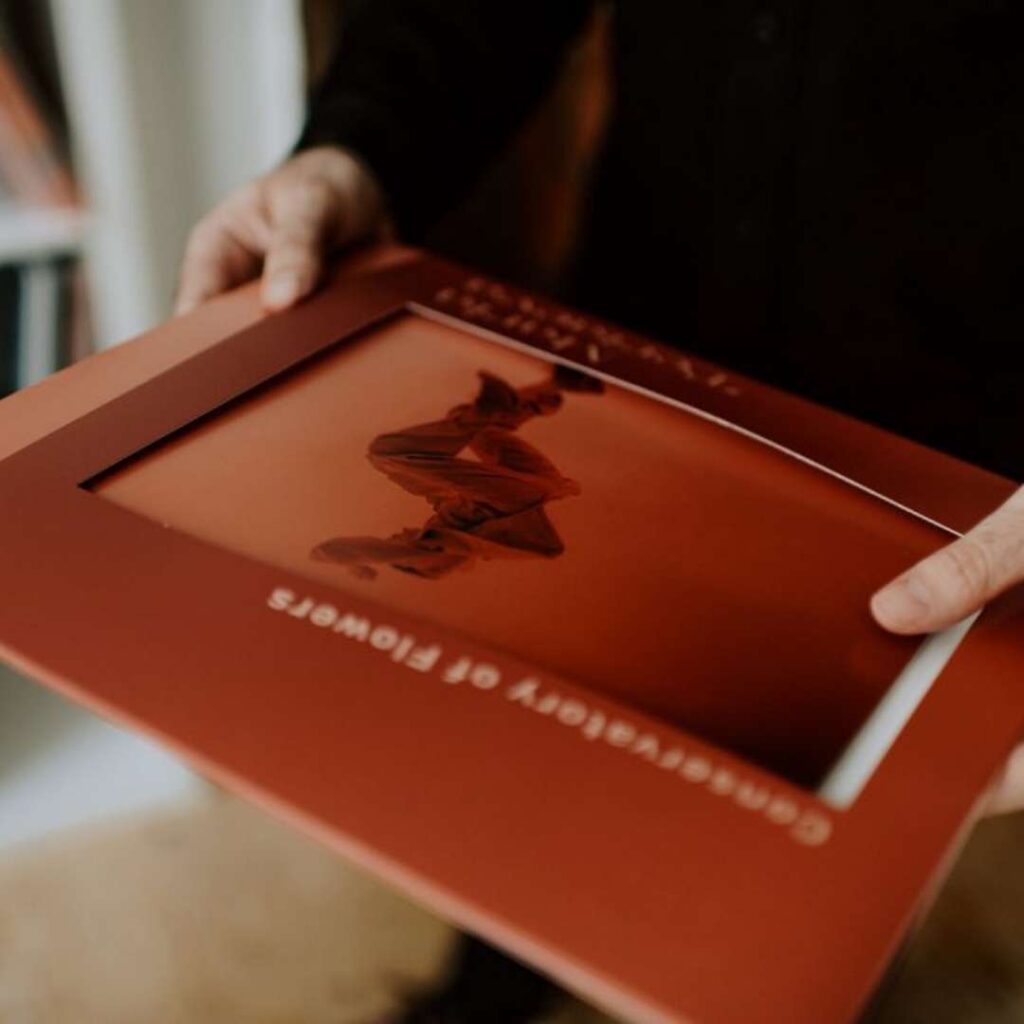
    Timely enough, when I started Hidden Harmony, she was also looking for a label to release her new work Conservatory of Flowers. That was a very nice coincidence and very glad we did HH02 together.

    Do you have any future releases in the pipeline?


    We have just released HH03 by Morita Vargas, which I am very excited about. Morita is from Buenos Aires and she painted this really magical world on her new album “8”, using  an imaginary made-up language. It’s a beautiful album and unique music from an Argentinian artist, which we believe will be a true find for many vinyl collectors and music lovers.


    We have also started to work on two other releases for 2020-2021 with new artists we haven’t worked with before.

    Your releases seem to be a reflection of the music you listen to. Can you tell us a bit more about your personal record collection? 


    My record collection has grown a lot over the years. I believe I started to collect vinyl back in 2013, even without first having a record player to listen to and steadily, the collecting hunger only increased. 


    One of the pleasures of running a label is that you can trade records with other independent labels. Unfortunately, as I am away from home so often for my work, I rarely have the opportunity to listen to all these new records. So lately, I am mostly listening to music digitally.


    If I were to put a number to it though, my collection would be 40% electronic and experimental music, 30% jazz and the remaining 30% is all kinds of world music, indie music, classic rock, psychedelic, indie and what not. The experimental section is growing steadily now.

    Hidden Harmony Recordings

    It seems that you travel the world digitally to find interesting music. Do you also travel a lot in real life? 


    I’m in the field of aviation. This means I’m often living in a different country a few months at a time. The benefit for the label is that I can always take some records with me and sell them in physical record stores all over. As a new label, this definitely helps us to spread the word around. 


    Frequent travelling abroad also helps to perceive the world geographically from the independent music standpoint as one tight-knit community. Meeting artists and other labels, going to different venues, and visiting interesting record stores worldwide offer an invaluable opportunity to meet other vinyl aficionados and music enthusiasts. This means and gives a lot.

    And what’s next for Hidden Harmony, Valentin?


    Currently, we are working on several intriguing projects: an experimental ambient LP by an artist from France, an experimental indie-folk LP infused with electronic elements from an American artist, and a couple of multi-genre 7” single releases. 


    At the same time, I have been working on one voluminous project for almost two years now. It is a full 2xLP version of conceptual album “OCEAN” made by an experimental Soviet/Estonian avant-garde music pioneer Valentina Goncharova. A deep and philosophically-saturated work of art. This is a big project for us, as it requires not only the restoration of the original master tapes, but also extensive archival study and material gathering.


    OCEAN is a very important project for us as a label and for Valentina as an artist. This is the reason why each stage is being given the highest attention to detail. We are close to finalizing the work and the record should be ready by the end of 2020, latest beginning of 2021. For this purpose, we are launching a separate line under HHR called “Hidden Harmony Lost Tapes Series”. This is reserved for special projects and will have an “archival” aesthetic and approach to releases. 


    Hope this small conclusion acts as a “teaser” for those who are curious about HHR as a vinyl record label and our prospect projects.


    discover hidden harmony

    continue reading

  • lifting the spirits with Maria Teriaeva
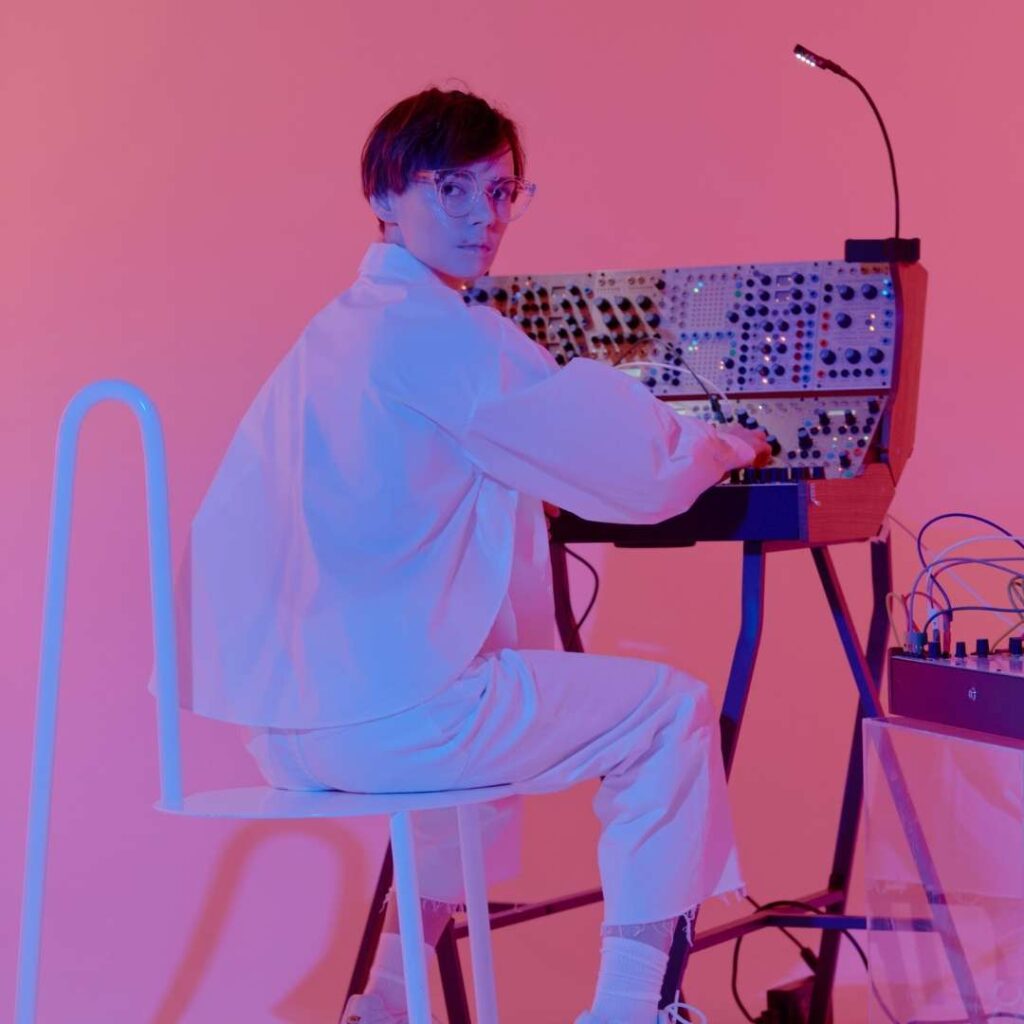
    lifting the spirits with Maria Teriaeva
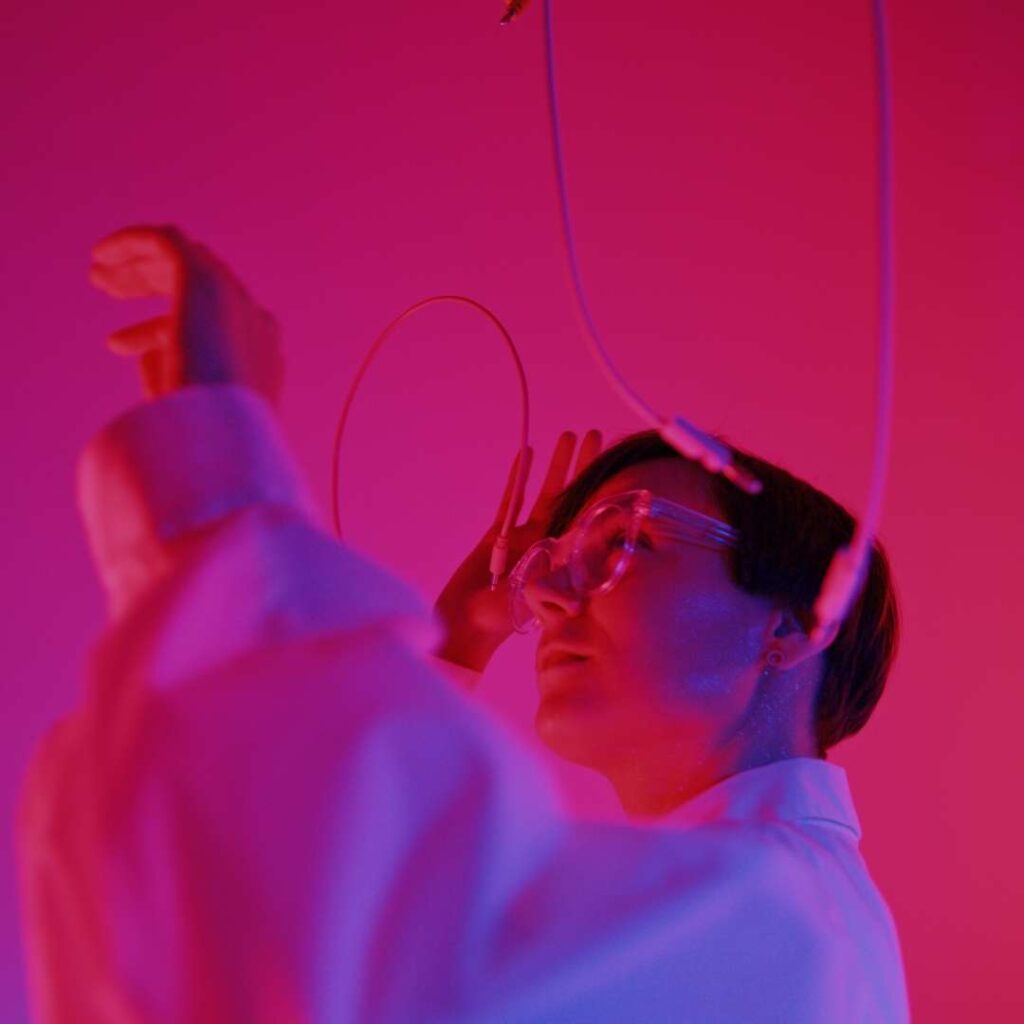
    For our next mood talk, we spoke with Siberian-born, Moscow-based musician and composer Maria Teriaeva. In June, she released her second album called Conservatory of Flowers, which is a culmination of a three-year-long period of experimenting with the revered Buchla instrument. The result is a light and vibrant sound, which according to Maria perfectly resonates with summer. We talk about her inspirations for the album and got a sneak peek to her record collection.

    Congratulations on your newest release! What is the idea behind your latest album Conservatory of Flowers?


    The Buchla was still a relatively new instrument for me and I was interested in further exploring its possibilities. In the process of working on the album, I understood that my previous experiences of playing the guitar in different bands for a long time still had an influence on my musical mind and soon my Buchla sketches started getting the form of songs. I decided not to resist it and kept on going, until eventually the album was there.

    The cover photo is quite exceptional. Can you tell us more about it?


    The cover photo was made during the filming of the SØS video. We didn’t actually plan to shoot a cover photo for the album. That was purely random. After a few days, I got the picture from Arabec who was the director of the video saying “Look, it looks like an album cover”. It had been about six months before the release of the album. During that time, I realized that it really perfectly matched my music.

    Maria Teriaeva

    What is the best way for anyone to enjoy this record?


    When I was planning the release of the album, I wanted to do it in spring or summer, because in my opinion this is the best period to resonate with this music. Nature wakes up, warmth is all around, you spend more time outdoors and you lift your spirit. I would say it works both ways: you can enjoy the music when you have the right mood for it, or you can create the mood by just turning it on. Some music takes time and space.

    What sounds are inspiring to you?


    I live in the center of Moscow and hear a lot of annoying sounds like road repair works, weddings under the window, a dog that is left at home and plenty of whines. I think that I strive for silence, which I enjoy greatly.

    Are you a vinyl collector yourself?


    Unfortunately I don’t have a vinyl player, but despite this fact I keep a small collection of records. In general, these are gifts from friends who are musicians and vinyls from trips. From Belgium, I brought home with me: André Stordeur – Analog and digital electronic music #2 1980-2000 and Serge Prokofiev – Ivan le terrible.

    What artist or record or track are you digging the most at this moment?


    I’m really into Maggi Payne – Gamelan, Hiele – Music These Days pt.1, and the music of Valentina Goncharova.

    Maria Teriaeva

    You also did a limited edition version of the album with an olfactory element. What is the relationship for you between sound and smell?


    Smell is a powerful thing. It can take us back or evoke any bright memories from our past. At the same time it’s also very personal for everyone. I thought it could be quite adventurous to try and offer one scent – you never know the reaction. I was interested to invite an olfactory artist to create a special scent influenced by the music of the album. I like the result. It adds an interesting facet to the perception of music.

    What role does mood play in your creative process?


    I think the mood in my music is one of the main aspects, plus it is also my message. If we talk about the mood at the moment of creating music, any mood works expect for a bad mood. That really isn’t a resource for me. While working on music, I tend to finish tracks right away or in a short time, otherwise it could be difficult to go back into that particular mood.

    How would you describe your music?


    I once described my music like this: my music is peace, warmth, nature, a freshly baked bun, fresh air, hot sun. It is also a picnic in the forest, or a trip to the countryside for a city dweller.

    listen to conservatory of flowers

    continue reading

  • Le Motel’s top 10 all-time favorite contemplative albums
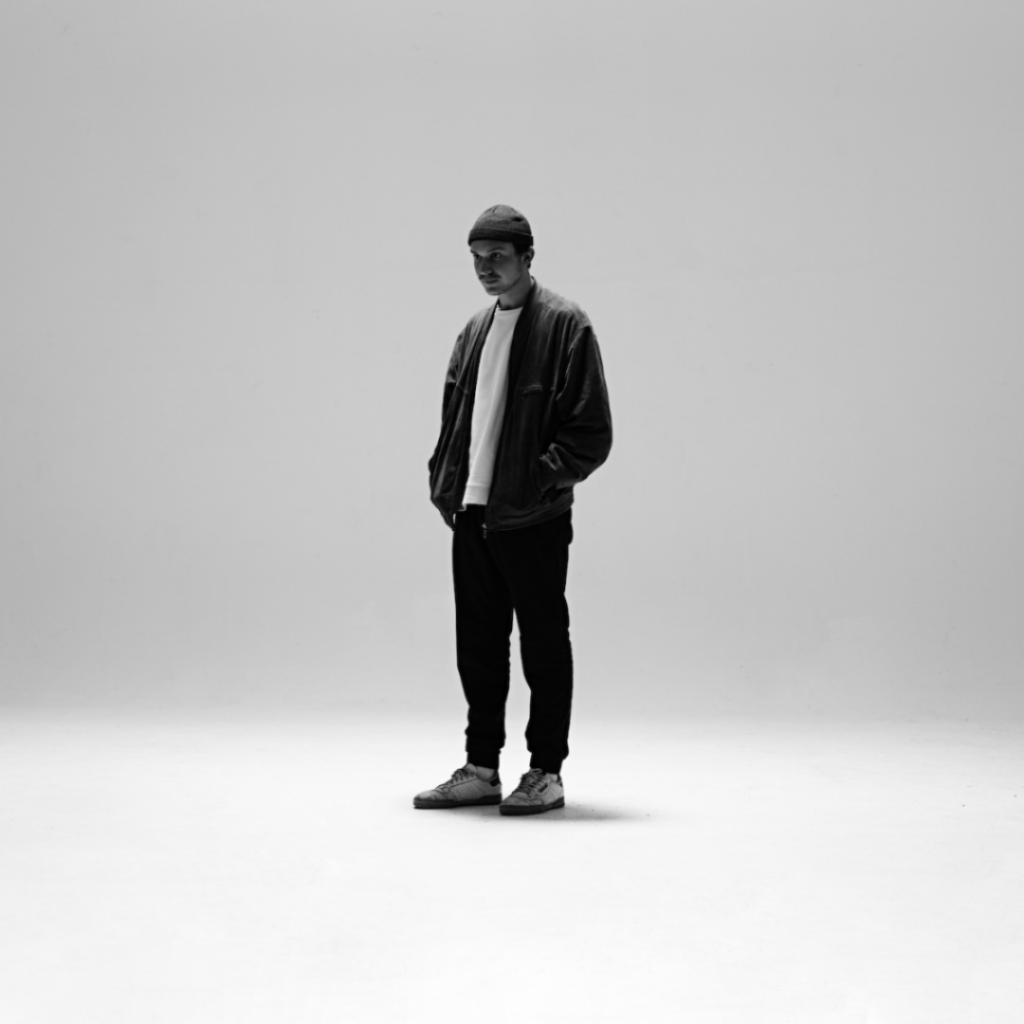
    Le Motel’s top 10 all-time favorite contemplative albums

    In our new mood list series, we ask artists, labels and creatives to share with us a list of tracks or albums that are inspired by a lingering mood, state of mind or a persistent thought.


    Hailing from Brussels, Fabien Leclercq – a.k.a. Le Motel – has been a driving force of the Belgian underground scene.  As a music producer and film composer, his versatility has taken him to festivals and clubs in every direction, as well as podcasts and films that evoke a wide range of emotions. 


    Aside from his discography that captures a wide array of styles and scenes that Le Motel moves between, he also recently started his own label, Maloca Records, to give upcoming artists from different corners of the world a platform to share their music. What they all have in common: a strong fascination for mixing different (and oftentimes contradicting) influences to create their own unique sound and voice.


    A few months ago, Le Motel also collaborated with Mirror Minds & Åntøine De Schuyter to build a 31-hour playlist called “rest your ears”. It was a collection of calm and contemplative tracks that were put together for a friend who has a hearing problem. Inspired by this, he put together a mood list of his top 10 all-time favorite contemplative albums:

    Le Motel
    Hiroshi Yoshimura – Music for Nine Post Cards

    Music For Nine Post Cards is the debut studio album of Hiroshi Yoshimura, released in 1982. The album was home-recorded with a keyboard and Fender Rhodes. Yoshimura was inspired by “the movements of clouds, the shade of a tree in summertime, the sound of rain, the snow in a town.” All the tracks are so simple but every note and every element hit the right spot. Very nice harmony work also!

    Kali Malone – The Sacrificial Code

    Kali Malone is one of my favorite artists. I can’t really describe what I feel when I listen to her music but it’s pretty addictive. We invited her last year for les garages numériques in La Bourse and it was an amazing experience. It’s very minimalistic and powerful and I always imagine different images on her music. I can’t wait to see her again in Gent. 

    Suzanne Kraft – Talk From Home

    This is a very classic album which I listen to a lot. I never get tired of it. Mellow, emotional and intelligent. I love the way he mixes acoustic and electronic elements.

    William Basinski – The Disintegration Loops

    The Disintegration Loops is a series of four albums by American avant-garde composer William Basinski. The recordings consist of tape loops that gradually deteriorated each time they passed the tape head. The completion of the recording coincided with the 9/11 attacks, which Basinski witnessed from his rooftop in Brooklyn.


    Basinski is a huge inspiration for me. I’ve been experimenting with tape loops the last few months, thanks to his work. This album is like a floating bubble, but it’s also very good to keep you focused while working.

    Mort Garson – Mother Earth’s Plantasia

    Another classic. No need to explain why I like this album. Pure love for you & your plants. I also highly recommend Six Songs for Invisible Gardens album by Green-House.

    FUJI​|​|​|​|​|​|​|​|​|​|​TA – iki

    I first heard this track on one of Kali Malone’s NTS shows and I instantly felt very deep and strong feelings while I was discovering it, especially because of the pitch modulation. You should definitely follow FUJI||||||||||TA on Instagram to understand the fascinating process behind his music. 

    Young Marco – Bahasa

    I’m very fascinated by the gamelan, so this album naturally got me curious. I love the way percussion can become a melodic element in a track. 10/10! 

    V​/​A – mono no aware (compilation by PAN)

    This is my favorite ambient compilation album. All the releases from PAN have something interesting, but this one is very important for me. The Kareem Lotfy track is so beautiful and there’s a PNL sample hidden in there somewhere.

    Meitei – Komachi

    Meitei is one of my favorite producers. He just released a very beautiful album, but this track from his previous project remains one of my favorites. He has a very hiphop / mpc way of producing with a very personal and ambient approach. You can feel he gives a lot of himself into his music.

    Kuniyuki Takahashi – Early Tape Works 1986 – 1993 Vol. 2

    Also from Japan, Early Tape Works covers the Japanese producer’s early material from 1986 through 1993. I randomly discovered this record in the amazing record shop rare groove in Osaka. I instantly felt in love with the melodies and textures. “Your Home” reminded me of Twin Peaks’ BO Timeless.

    discover fabien’s picks in store

    continue reading

  • living the garage band dream with Suzanne Kraft
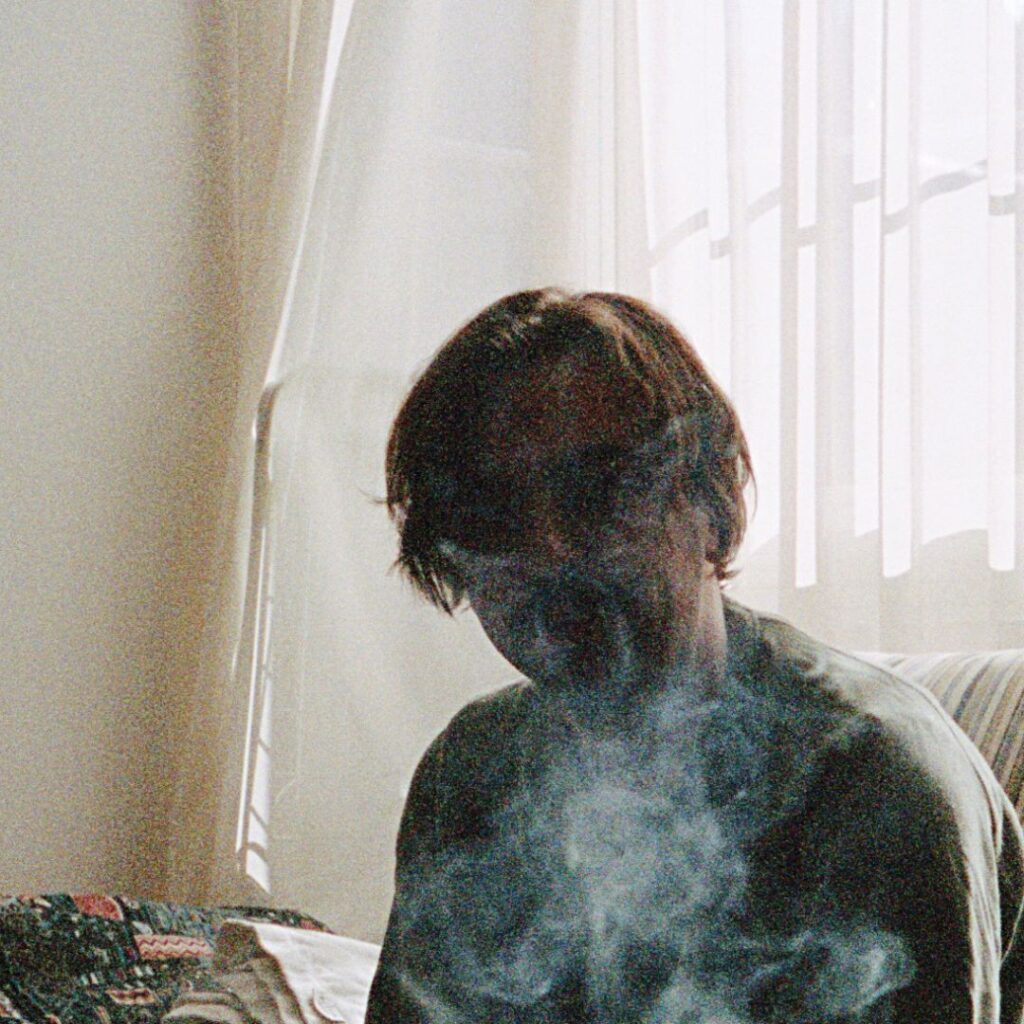
    living the garage band dream with Suzanne Kraft
    Little disclaimer: we don’t have the answer as to why Suzanne Kraft. The most we can promise you is at least you’ll know why not. 


    We spoke with Diego Herrera about his dreams of being in a band and how much of the music he makes is driven simply by his desire to experiment and try new things. We have much to thank dublab for paving the path. Since then, it’s been surely a hell of a ride. 

    How about we start with what you’re listening to for the moment?


    Now I’m using this surplus of time to revisit the rock stuff I flirted with at a younger age but never got into. Grateful Dead, Tim Buckley and The Pretty Things have been very big for me the last couple of weeks. I am also listening to new stuff from Christelle Bofale, Westerman, ML Buch and Protect​-​U.

    You travel over the spectrum it seems! The music you make is also so varied yet so distinct. What gravitates you towards the music you make?


    I’m not sure what it is but I’ve heard people say it before. The thing is: the sound I make is a result of me trying to figure out doing what I like in other records. I’m always trying to change it. I’m never satisfied with it. Perhaps it’s just a result of trying not to get stuck in a pattern. But then again, if people say I have a distinct sound, then I must be stuck in some kind of pattern that people recognize.

    Is that something that bothers you when people say you have a distinct sound?


    No, it doesn’t bother me. It’s really nice actually. It’s so much better than “oh, you sound like everyone else.” For me, it’s definitely a good reminder to never stop working and never stop trying to change.

    Objects & Sounds - Mood Talk - Suzanne Kraft

    Does your mood affect the music you make?


    As far as life goes, all I do is just make music. I couldn’t say: When I’m feeling this way, I like to make this. There’s no direct connection with what I feel and the music I make at all. Sometimes I could be happy but make music that’s dark and aggressive, just because it’s fun. But I wouldn’t say there are necessarily obvious connections.

    So the music you make is purely based on experimentation? It doesn’t start with a feeling you want to express in sound?


    Most often, it starts from me wanting to try a new effect or wanting to get a guitar part done. Through the process of it, it will affect my mood. So they definitely inform each other in the moment. It will either encourage me or discourage me from exploring.

    How has your music making evolved over the years?


    Cool, I never think about these things!


    I grew up playing music in school. My parents made me. It was almost like a requirement to have a creative pursuit outside of school. Then in high school, I got my first laptop and I started to do just very basic recordings. After high school, I started working at dublab here in LA.  Going to dublab was like my university of recorded music and experimental music. That’s when I really started getting interested in samplers, sequencers, and how to make the stuff I was listening to.


    Even when I was living in my mom’s garage, I had a studio set up in there and I would try to record things in the most basic way. I would tinker with the guitar, or the bass, or try singing even. It was like living my garage band dream. It was mostly for fun, but I think the fascination for recording came from always wanting to be in the band. It’s always been my dream to have a really fun tight band to play with. I’ve just never been in the right situation, so recording was my way of putting a band together. I just play all the parts and then there’s a band.


    As far as early releases go, I was mostly doing house records. Eventually when I moved to Amsterdam, Jonny and I got a studio space together almost immediately after he moved and that was like the next phase of it. Having a dedicated studio to go to everyday and start seeing making music as a job. 

    Objects & Sounds - Mood Talk - Suzanne Kraft

    Did Amsterdam influence the way you make music?


    Amsterdam I’d say no, but the whole move itself of me now committing to doing music as a full-time thing did. My income in the last 5 years has just been mostly from DJ gigs that only happen on the weekends. All of a sudden, I was faced with nothing but creative free time. That freedom certainly has had an impact on things. 


    Of course, the positives of moving to Amsterdam also come with negatives too. The trends are much more pronounced here. Everyone has their taste but everyone wants to hear the same thing, so that sometimes also feels saturating and discouraging. Last year, I was really burned out from all the wave stuff that I used to love. All of a sudden, you just can’t escape it. Even during the sunniest festivals, they would just play that kind of music in the middle of the day. Trends blind people to context, really.

    Since you DJ a lot, do you prepare for your sets or are you more of an improviser? 


    I’m kind of both. It really depends on my mood and the seriousness of the gig. The most fun yet most stressful time I had preparing for a DJ set was for Giant Steps in London. That remains my best example of preparation paying off, as the crowd was really receptive to it and you just knew they were there because they want to hear good music whatever it is.

    That must have been a fun evening. When it comes to your music, you’ve released on different labels too. Do you choose which label to release on depending on the music you make?


    I don’t have conscious decisions of being in this label or that label. It’s mostly just personal connections. I don’t think I ever released anything on a label where I don’t know the person behind it personally. Because of that, they kind of always know what I’m up to, so  it’s more just a matter of plugging in the right things at the right time. 

    How involved are you with Melody as Truth?
     

    Jonny and I make so much music together in the studio, so inevitably my ideas seep into parts of the label. But Melody as Truth is really Jonny’s thing. He has total control over it and I’m just happily entrenched in it.

    Objects & Sounds - Mood Talk - Suzanne Kraft

    Do you also have plans to start your own label?


    I started a small side-label called P&D a few years ago with Parker (P Relief) who’s a good friend of mine. We release music we make whenever we feel like it, leaning more towards electronic and club music.

    You release under different aliases as well. How do you decide which alias to use for a release?


    The records I release do not come with any genre or label attached. With Suzanne Kraft, I’ll release a club-oriented record this month for example and the next month I’ll be releasing something more ambient. It’s never really been a question of meeting expectations or being aware of what people are looking for. To me, they’re just little sonic experiments. The SK U Kno is a more recent thing that came about casually, so I think of it as a new little play area with a more casual approach to things. 

    It seems you’ve been doing a lot of collaborations lately. How do your collaborations come about?


    I usually don’t know what to say when someone I don’t know reaches out to me for a collaboration. I like my collaborations to be as natural as possible, but there are some exceptions of course.


    For example, the new album with Suso Saiz was a collaboration constructed on behalf of Music from Memory. We got along immediately as friends, which I guess is the biggest indication that something will work out. If you feel comfortable with someone, how could it not work out? Even if nothing comes out of it, it will still be a better experience than working with a complete stranger.

    Objects & Sounds - Mood Talk - Suzanne Kraft

    Do you have a preference of what format to release your music on?


    I’m not a purist at all, so I wouldn’t say that vinyl is the only way. But as far as my work is concerned, I would like to have a physical version of it. Something that can’t be deleted accidentally, whatever that may be. That’s something I’m very aware of when putting a record together. I have a standard in my head that it shouldn’t be a waste of plastic and shouldn’t harm the planet because of some ideas I had on guitar. It just should be good enough to come into the world.

    What is your favourite concert setup?


    When I perform live, I get the impression that the audience needs to see something happening for them to enjoy the experience better. I’ve never had that impulse. To me, the act of observing something changes the experience fundamentally. Your thinking is instantly changed once you see how something is done, for better or for worse. So I’d much rather not be seen and just have some kind of visual representation in the form of projections or stage design. Something that influences how you listen, but can also be interpreted in your own way.

    Lastly, why Suzanne Kraft?


    I’ve never answered that question publicly, so I will have to pass on that one again. I do have my philosophy around it. My favorite thing in music or in the presentation of music is not knowing everything about it and still being kept wondering. I guess that’s the main thing.

    listen to diego’s music

    continue reading

  • talking about memories and landscapes with Mary Lattimore
    talking about memories and landscapes with Mary Lattimore
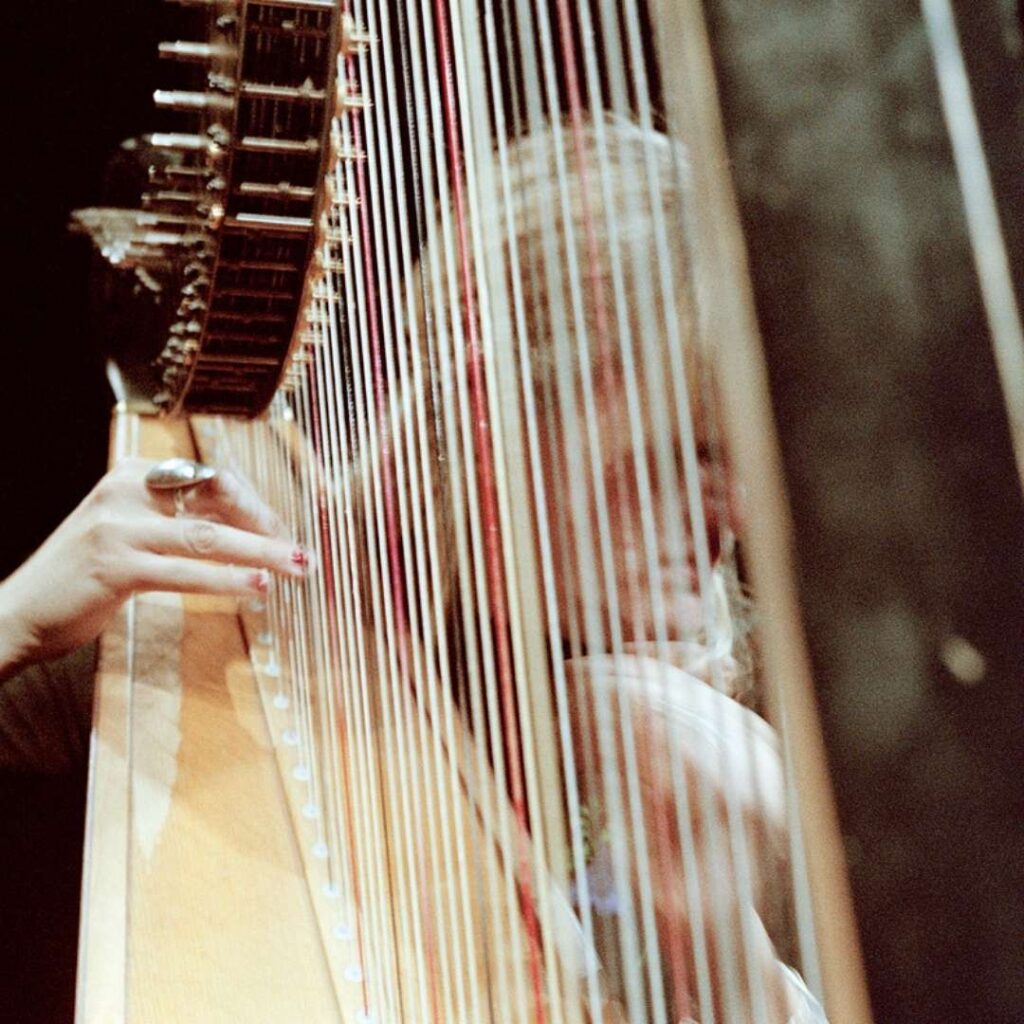
    Our next mood talk takes us all the way to sunny Los Angeles where we spoke with harpist Mary Lattimore about her inspirations and creative process. Making music out of landscapes and memories, she expresses all sorts of moods with her harp, almost making it sound like a language of its own. Next to being a musician, she is also a new loving cat mom to Jenny and a serious jigsaw puzzle solver. Her dream is to score a full-length film and one day we’re already looking forward to her collaboration with William Basinski.

    What sparked your fascination with the harp?


    My mom plays the harp. She was practicing for hours on end when I was in her womb. She was working for an orchestra at that time. As her belly was right next to the vibration, that’s basically how I learned. Just kidding.


    I started learning how to play the harp when I was 11 years old. I took lessons from a friend of hers. I didn’t want to practice so much at that time, but it paid off. The harp wasn’t just my mom’s thing anymore, but it also became my thing too.

    Do you also play other instruments too?


    I learned how to play the piano when I was 5. I can improvise with it pretty quickly. In general, I like the idea of knowing how to play a bunch of different instruments. Recently, I also started taking guitar lessons from my neighbor and friend next door.

    Have you been making music a lot during this period?


    Inspiration hasn’t really come. It’s too intense of a time and my brain is simply just too preoccupied with what’s going on.

    When do you make music?


    I mostly play the harp when I’m thoughtful, pensive or quiet or sad. You know that feeling then you’re really sad and you just can’t get it out? When I find myself in that feeling, I just know that playing the harp is my only solution to making myself feel better. It’s like a language almost and it offers a cathartic release.


    I never play the harp when I’m really happy. I simply just don’t gravitate towards the harp when I’m in need of a spontaneous release. I just go for a walk or listen to rock and roll.

    Mary Lattimore

    Memories and landscapes play an important role in your music making. Can you tell us more about this?


    I often think about the compositions I make as souvenirs for my future self.


    My album Hundreds of Days is a perfect example of that. It was a mixture of melancholia and the sheer poetry of being in this remote place in Northern California with 11 other artists. During the day, we were in solitude, just fully alone and deeply absorbed with our craft. At night, we would all gather together for dinner. Aside from how inspiring and unifying that was, it was also really just a magical place with lighthouses, whales and the fog rolling in almost every morning.


    In a way, I made that music to preserve that feeling. It’s my way of crystallizing the feeling of being there.

    What does music mean for you?


    My songs are up for interpretation and everyone can somewhat take it to their own place. To me, I make music as a way to connect with other weirdos. I show them the messiness of my songs, of being human, and hopefully they can also relate to it in their own way.

    Speaking of weirdos, tell us your dream collaboration. Sky’s the limit. Shoot!


    One person I really love as a person and as a musician is William Basinski. Our processes are very different but I feel like it would be interesting to explore playing together. We’ve both been on tour so much the last years, but we catch up with each other once in a while. We even met each other once in Sydney, Australia. Hopefully, if there will ever be a time that we won’t be able to tour and just hang, we could make the collaboration happen.

    Mary Lattimore

    What’s your favorite concert setup?


    Definitely music in art experiences or enjoying music in an experiential way!


    One of my most memorable experiences is playing on a James Turrell Skyspace. Imagine walking in in a building with a perfect rectangle hole cut very sharply into the ceiling. You lie in the floor and you watch the outside sky turn crazy colors of purple, olive green or brown. It’s almost like a psychedelic trip or an optical illusion. I got to play in one of those experiences and I got to improvise and respond to the colors.


    There’s also this bridge in Austin, Texas where hundreds and hundreds of bats take off every sunset. I got to play as the bats were flying. That was really amazing.


    In general, I enjoy music when there is a visual component to it, so it becomes more of a multi-sensorial experience.

    Talking about visuals, can you tell us more about the artwork in your albums?


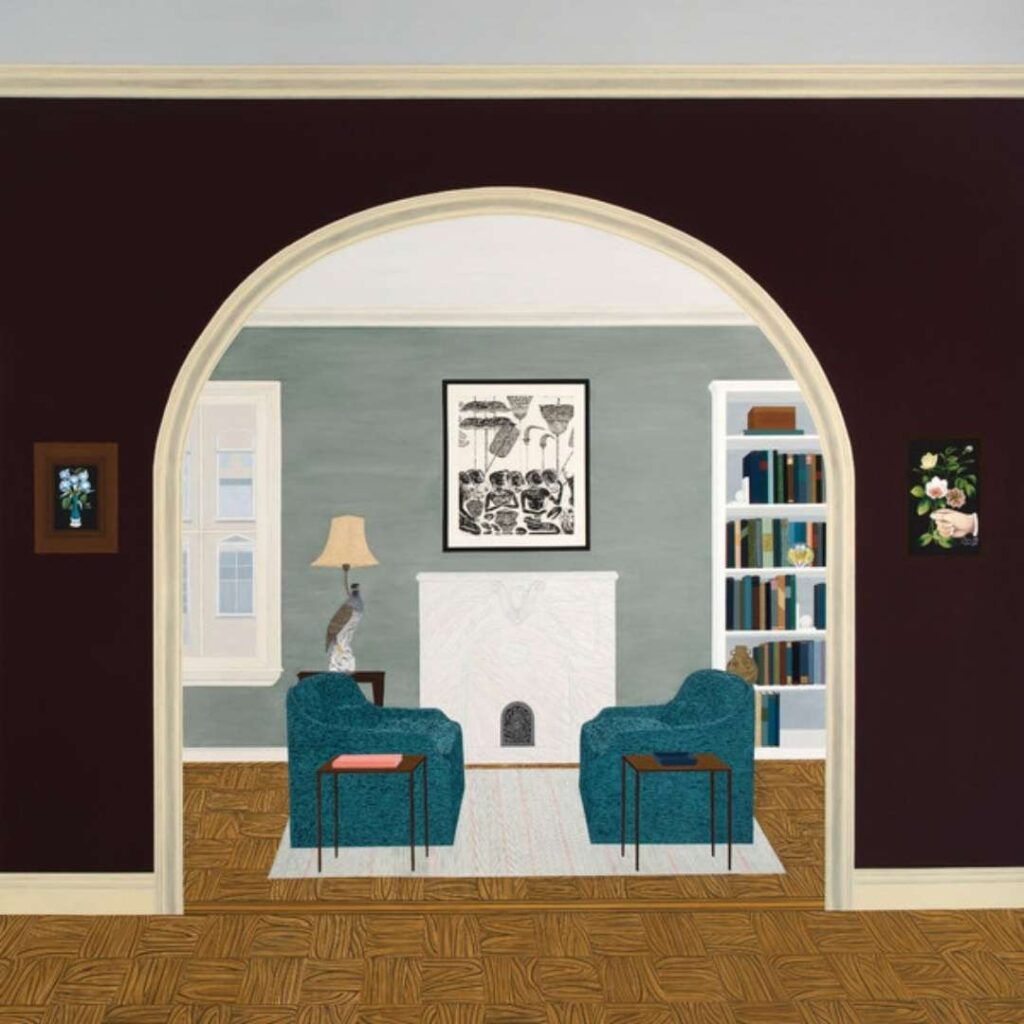
    I’m very lucky I get to use the paintings of my amazing friend Becky for every single one of my work. She makes these huge paintings of interiors from floor to ceiling and she mostly started painting houses out of her memory.


    There’s been a recent shift in her work after doing therapy. She now paints from her imagination instead of her memory. From painting what’s concrete and what has existed to painting literally anything she wants and sky’s the limit. I found it very powerful and amazing.


    The cover of Slant of Light is a painting she made based on her memory of her grandparents’ mid-century house and Hundred of Days is a painting she made purely from her imagination.


    The cover of the new record, Silver Ladders, is based on a series she’s now doing inspired by children’s books. It is inspired by the book, Cheaper by the Dozen, of a family with 12 kids living in a house with a lighthouse attached to it.

    How has your music making evolved over the years?


    In the beginning, my first albums were completely improvised. One of my long-time collaborations, Jeff Zeigler, had a studio in Philadelphia. He would just let me come in, press record and I just jam. Now, I’m doing a lot of different songs and different pieces incorporating different instruments. Just being able to do both and not be pigeonholed into anything is an evolution.


    Also, the newest record that’s coming out was my first time working with a producer. Working on a studio, having someone else taking parts out, and giving up full control is definitely a whole new learning experience as well.


    I will still continue to record by myself but I’m very open to making another record like we did. I think Neil and I are going to work together again. We just had a really great rapport and we became good friends very quickly

    Mary Lattimore

    How do you maintain the integrity of your work in your assignments?


    I view them all as different bodies of work that all contribute to the same thing. It doesn’t take away my music, it just adds to it. Plus, I also have the luxury of not saying yes to assignments I don’t want to do. Being able to say no has a power and I value that very dearly.

    Looking at the future, are you already thinking of new concepts or future releases?


    I’m now working with this band called Growing. The two guys are based out of New York and Washington, so we’re just passing files back and forth, like penpals almost. Usually when I do collaborations, we’re all in the same room and we’re feeding off of each other. But it’s always fun to try something new.


    Other than that, I really want to get into scoring. I played on a lot of scores that other composers have written, but I would just really love to be given a whole film and score it from start to end, on my own.

    Last question: What kind of film would you like to score?


    A love story between a human and an alien. That would be cool.

    continue reading