• using music to express a strong fascination for nature with r beny

    using music to express a strong fascination for nature with r beny

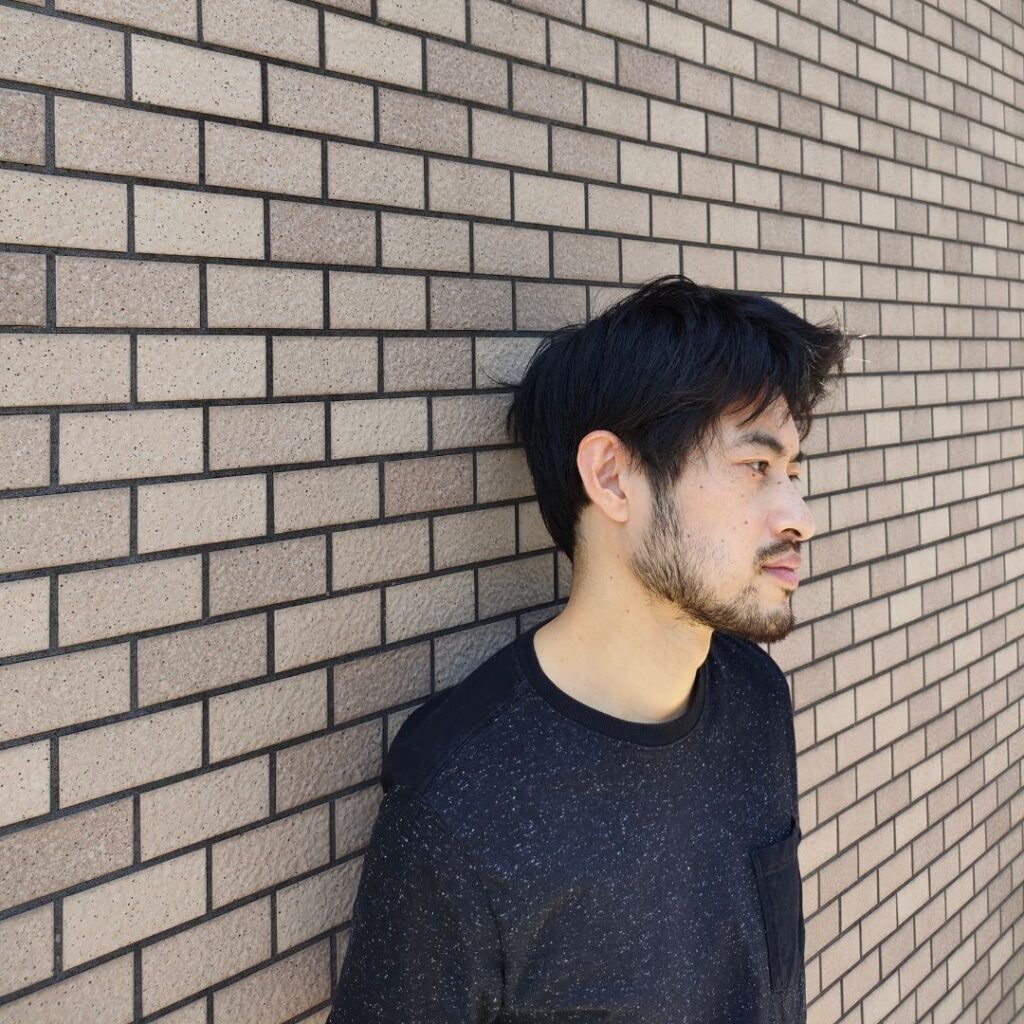
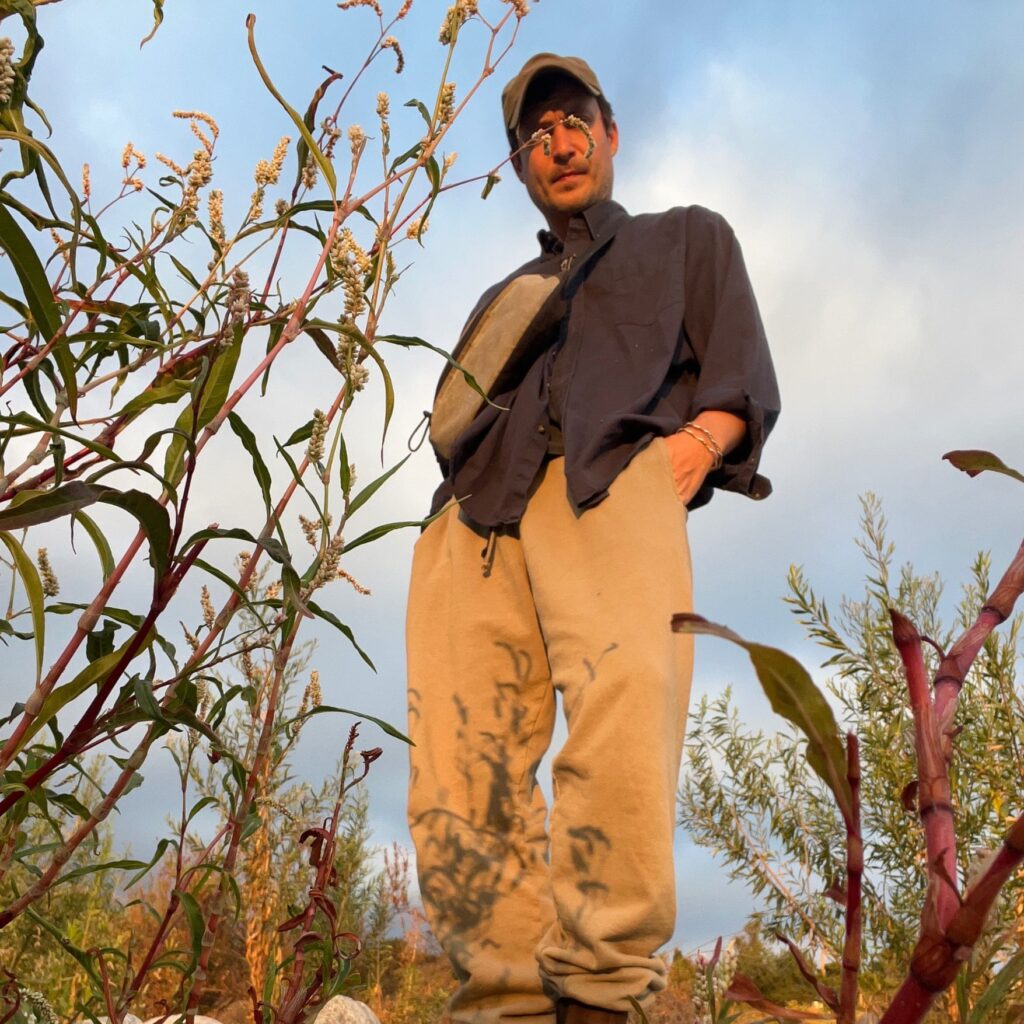
    Our next mood talk takes us all the way to San Jose in California. We spoke with Austin Cairns who releases music under the pseudonym r beny. After his first encounter with a synthesizer a few years ago, he started a YouTube channel focused on gear tutorials. That gave him the platform to share the music he makes and loves, which is greatly inspired by the surrounding forests and the nearby ocean. We talk about the profound ability of music to express and the sound of elks in rutting season among others.

    Tell us about your music.


    I think everything comes from loving music and being obsessed with music. That’s the main driving force. The other thing is that I also love being able to express myself through art. I can’t express myself through painting or poetry. Music is the art form I connect the most with and in which I can express myself in the most meaningful way. 

    What inspires you to make music?


    I have been creating music basically my whole life. 


    I grew up playing the guitar and I’ve played in a lot of bands until my mid-20s.  I would be the guy sitting in my room with a looper making ambient loops. Though, I never really felt like I was creating anything at the level of the stuff I was listening to and was inspired by. I just really liked to be in a band, rather than making meaningful music.


    When I discovered synthesizers, that was a really big deal for me. That’s when I started doing the albums I am doing now. A lot of it has to do with my love for instrumental music. With instrumental music, an artist can make it sound in a certain mood, but in the end the listener has to fill in the blanks of how they are feeling when they are listening to it. 

    Do you still integrate the guitar into your work?


    Yeah. Every once in a while I will break out the guitar. I used to have 5 or 6 of them but I sold them all. I just kept one, which I still use.

    When you make music, do you have to be in a specific state of mind or does it mostly stem from experimentation?


    My process is always changing. Sometimes the process starts on a technical level where I am just trying to learn an instrument and finding sounds that I like. Other times, it starts off with feeling the emotion that I want to express in music and I’ll try to find the sound that fits with it. I make music mostly to express feelings that are not expressed through words very easily.

    r beny | Austin Cairns

    Does the mood you are in affect the music you make?


    I definitely have to be in the mood to create. But the temperament of the music I create can be different from the temperament I am actually in. I could be happy or sad and wanting to make music, but I could also be happy or sad and not wanting to make music. 


    When I want to make music in a certain mood, I’ll definitely try to get in that headspace a little bit and try to channel a different feeling than what I am actually feeling. It’s almost like acting in a way.

    What does the name r beny mean?


    When I started my YouTube channel, I couldn’t think of a name. At that time, I was really into this photographer, Roloff Beny. That’s why I decided to go for r beny. It doesn’t have any meaning besides me liking Roloff Beny as a photographer. People came to know my work under that name and eventually it became too late to change it.

    You released quite some works on the Belgian label Dauw. How did that collaboration come about?


    At the start, I was mostly focused on self-releasing and wasn’t working with any labels. It came to a point where I had a bigger reach than most of the labels contacting me, so it didn’t really make sense to me to put something out on a label.


    Pieter of Dauw got hold of me and we started emailing back and forth. Eventually, he convinced me to do a release with them. I know Dauw released music from Benoît Pioulard as well. As I am such a big fan of Benoît, I took that as a good sign that I should be releasing with this label. 


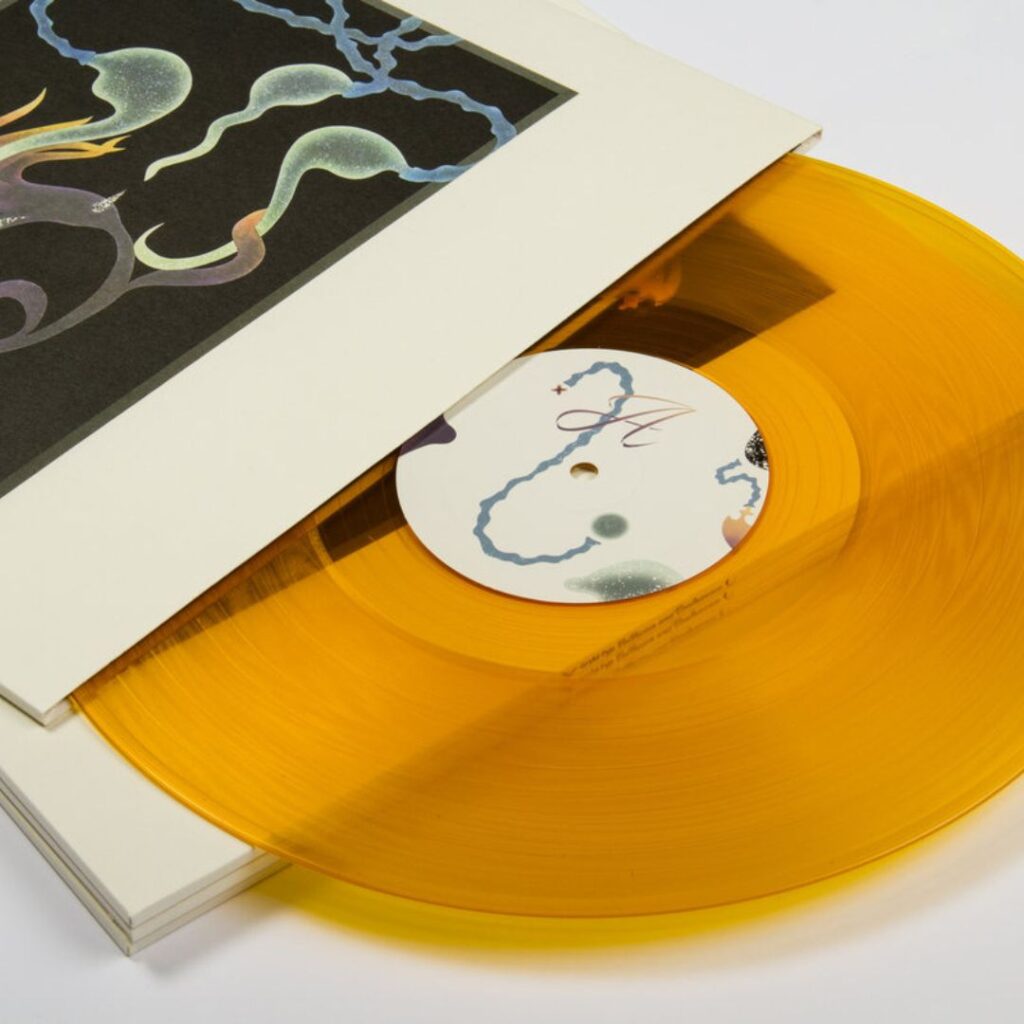
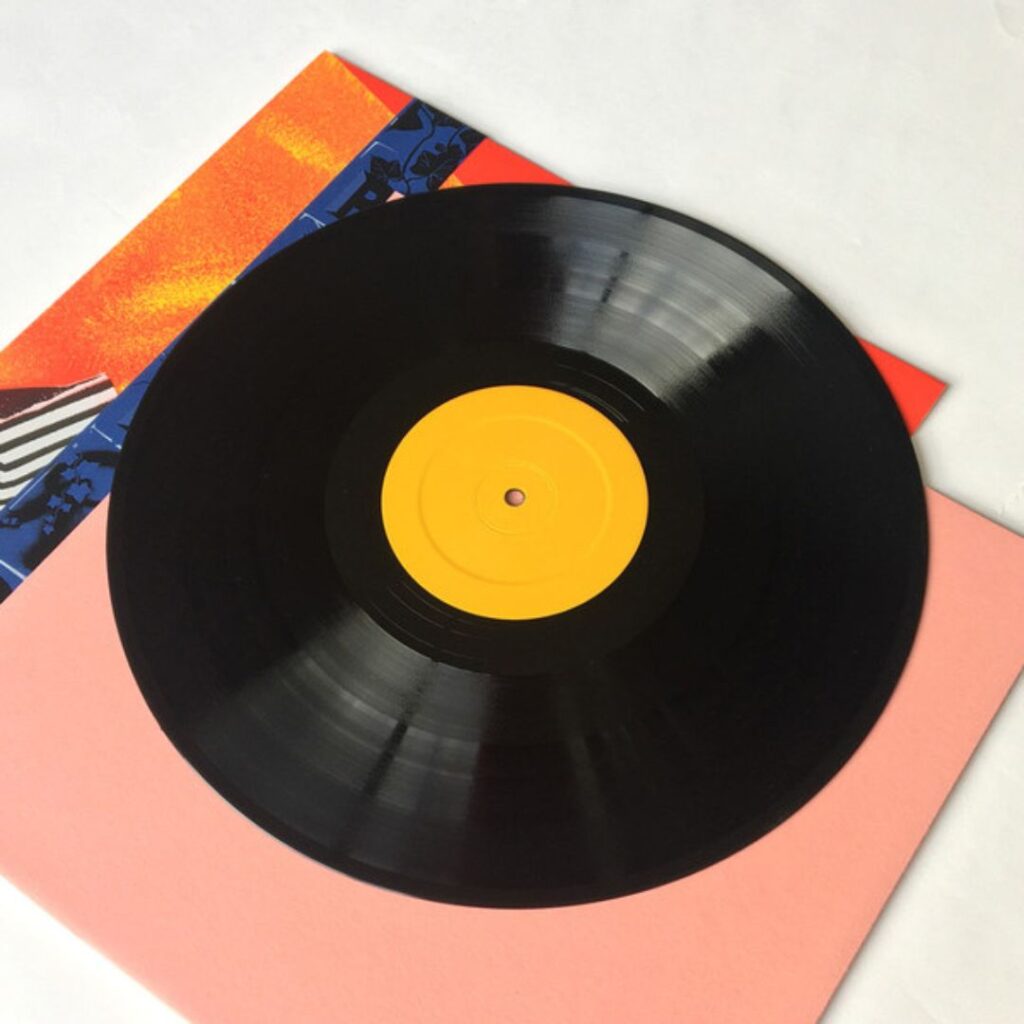
    We agreed to do something together and my third album Saudade was released on Dauw as a tape. A little bit later, we even re-issued the earlier albums I did as a complete vinyl box set.

    How did the reissue go — switching from tape to vinyl?


    I was a little bit worried about how it would sound honestly. It’s very lo-fi music, so I wasn’t quite sure how it would sound on a higher medium. But I think it worked out pretty well. Our mastering engineer Ian Hawgood did a really good job on prepping the music for vinyl.

    We also really love the artwork of the vinyl releases too. How involved were you in it?


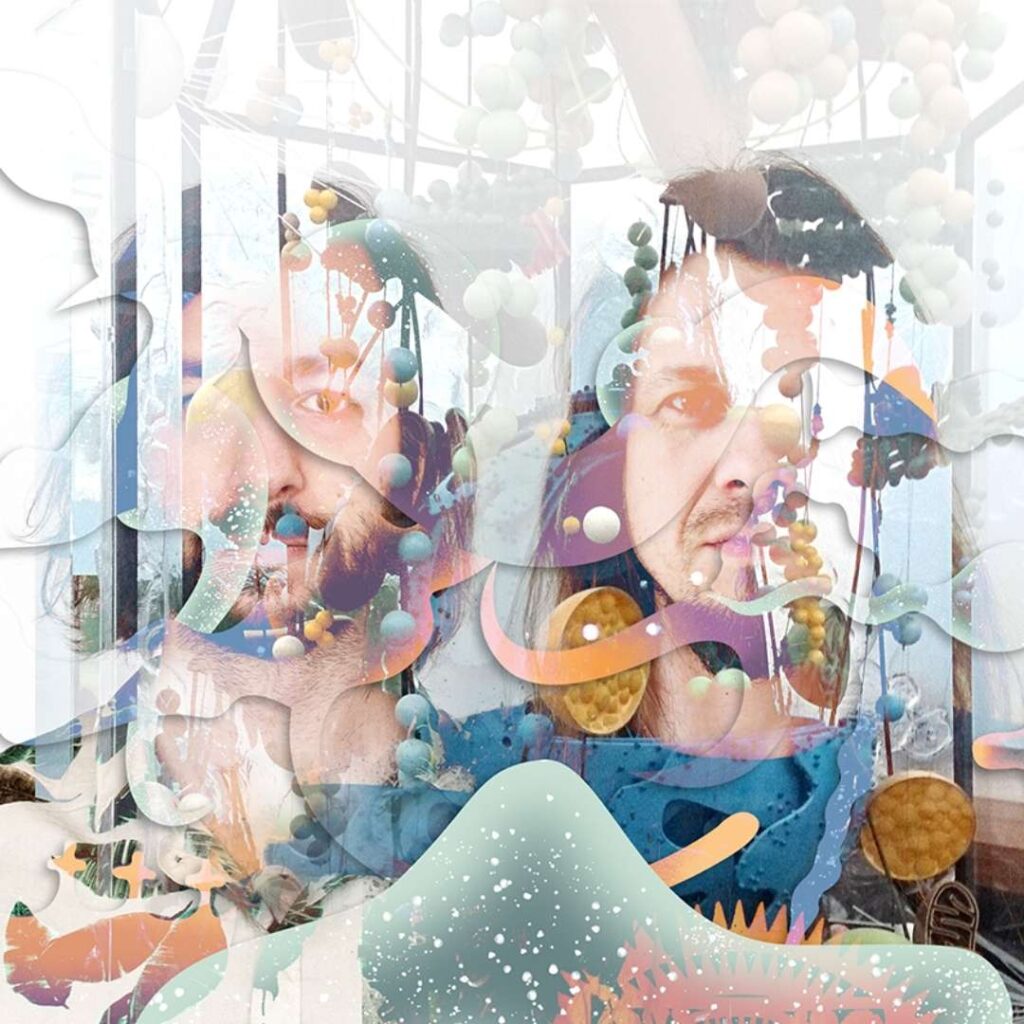
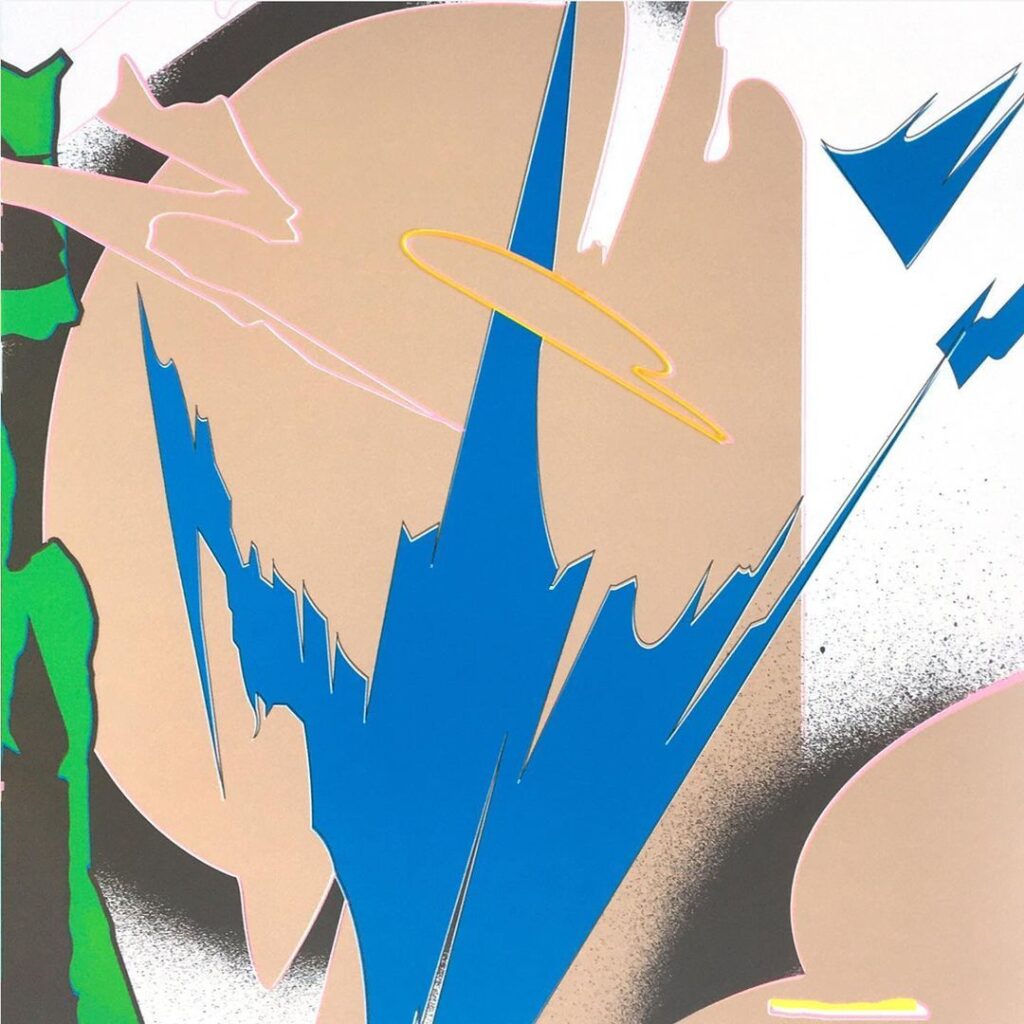
    I just trust Pieter completely and I’m not involved with it at all. It’s actually quite flattering to see what the visual artist comes up with based on the music. It’s almost like their own interpretation of the art in some way. The covers really do match the music, and sometimes they even reveal things that I didn’t know were there.


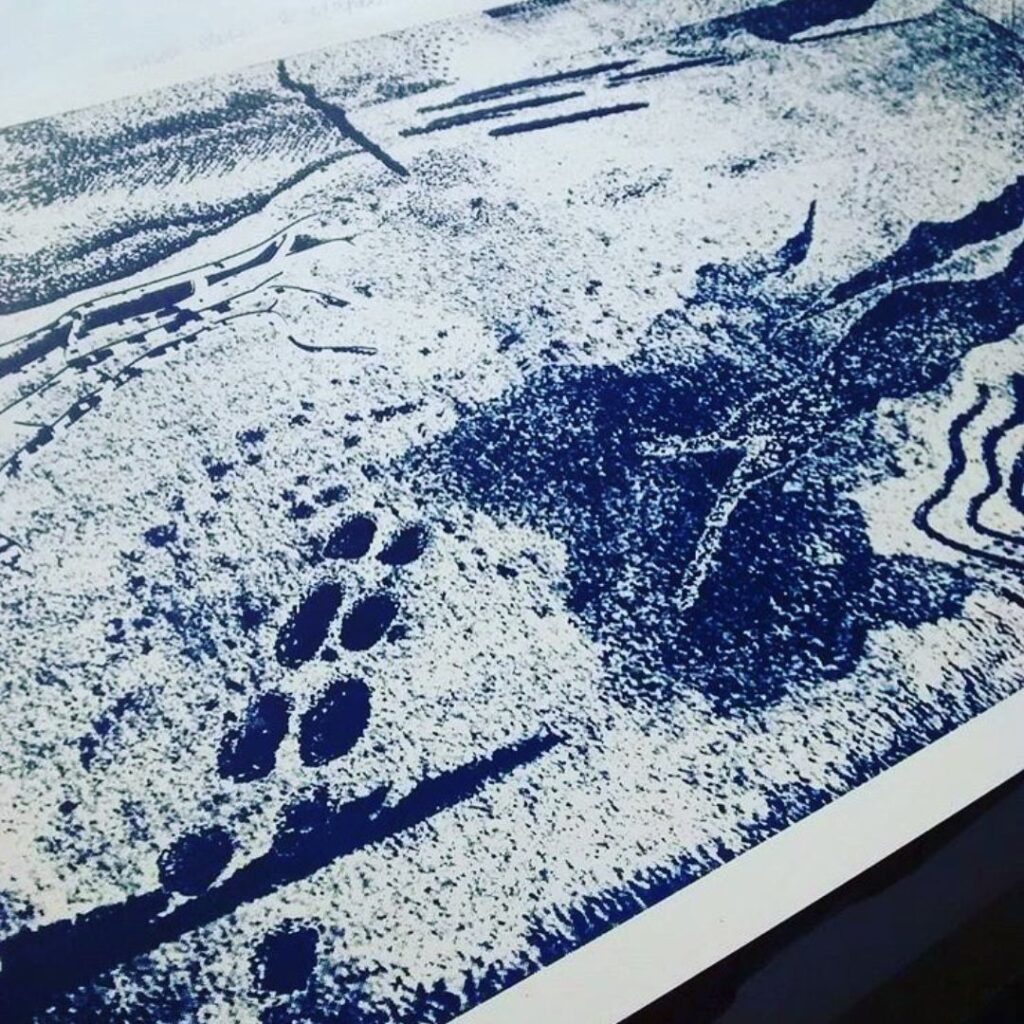
    Especially with Dauw, the artwork is very abstract and I think that it is similar to the music I make, where it’s kind of loose and not in some sort of grid. It’s rather floating and you can make your own interpretation of it. So it does fit with the music very well.

    r beny | Austin Cairns

    How did you manage to grow your following that eventually reached Belgium?


    A lot of my following came through my YouTube channel. I wasn’t actually planning on releasing any albums. I was just doing tutorials of instruments. The thing with having an online community is that it’s very global. It exists out of people from everywhere. My local following came afterwards once I started playing shows. I didn’t actually start playing shows until I was already a couple of years into it.

    Do you have a specific preference for vinyl or tape?


    I like both experiences but I mostly have tapes in my own collection.


    There’s something about the sound I really like. It’s quite nostalgic and it does color the sound. That’s not always the best for high-quality audio, but I appreciate both for their own qualities. 


    Tape is just more convenient because I can take it with me and listen to it portably on a walk. It’s a fine medium between streaming on your phone or being tethered wherever your turntable is. 


    Vinyl is just a whole different experience. You put something on and you are really focused on it. You have to engage physically with it. You have to get the album out of the cover, put the needle on, flip sides and so on.

    What music are you enjoying at the moment?


    Lately, I have been getting into more rhythmic electronic stuff that’s still kind of minimal. I really like the latest record of Vladislav Delay. I’m also into the work of Hania Rani. Her new album is just incredible. I have been listening to it on repeat. 

    r beny | Austin Cairns

    What’s your favorite sound?


    Difficult question. I don’t know if I could pick one. I definitely like the sounds of water. Waterfalls, rain, rivers, lakes, the ocean, waves crashing. Anything water, really.


    I also really love the sound of harps. As far as instruments go, the harp is probably one of my favorite instruments. I’ll listen to anything with the harp. Sometimes I try to fake the sound of the instrument with the synthesizer by making patches that sound like harps.


    Another rather uncommon sound I love is the sound of elk in the rutting season. The male elks make high-pitched flute-like sounds. After that, they fight each other with their antlers. I was camping once in the middle of a forest and I could just hear these whistling sounds with the elk running all night long and their antlers crashing. That was definitely one of my favourite sound experiences.

    Any tips you’d like to share on how we can enjoy your music even more?


    I think it’s best enjoyed on a walk out in nature. Simply because of the big influence nature plays in my music. I also had people telling me that the music I make is ideal for working, probably because there are no vocals to latch on to and there are not a lot of rhythmic elements to dictate how you should be feeling.

    listen to r beny’s music

    continue reading

  • Grykë Pyje on building a mystical world through email

    Grykë Pyje on building a mystical world through email

    We sat together with Johannes (Baldruin) and Jani (Uton) to get an insight on their collaborative project Grykë Pyje. With their latest joint album Collision And Coalescence released on the Slovak label mappa, they’ve created an intriguing set of recordings that go way beyond typical song structures and sound more akin to vibrant field recordings made on a mystical, otherworldly world. In this mood talk, we get to know the origin and nature of their collaboration and dive into both of their personal inspirations.

    How did you guys meet and come up with the concept of Grykë Pyje?


    Jani: If I remember right, it started out as a split tape between my wife’s music project Sunhiilow and Baldruin, the solo project of Johannes.


    Johannes: Maybe my brain fools me, but didn’t you discover my Schatten & Lichter album and got in contact afterwards?


    Jani: Probably yes, but it could have been any of your other releases as well. I remember listening to quite a lot of Baldruin’s music at some point and feeling some mysterious connection. One day, I just decided to ask if Johannes would be interested in working together, and he was.


    Johannes: Jani is definitely a kindred spirit and as we have a similar musical vision. I was excited to see how a collaboration would work out between us. As he lives in Finland and myself in Germany, we didn’t manage to meet for recordings. We actually haven’t even seen each other in person yet. The Grykë Pyje sound as we know it from our latest recording Collision and Coalescence has been organically developed over the years.


    Our first release sounded way more calm and collected, but you could already sense what the future might bring. In our recent album, we tried to create a highly detailed sound map by including not only organic sounds, but also digitally-created noises and strange effects. Tracks can change direction from one second to another. It’s a morphing, breathing, restless sound sculpture, including all sounds which seem to make sense in this alternate reality to build an outlandish sound universe.

    You just released Collision and Coalescence. Any tips to fully enjoy it?


    Johannes: Maybe before listening, it helps to set a right mindset of how to approach our music: to fully dive into the strangely bewildering sound cosmos and take a step back from what you learned to expect from a song or genre. Try to open yourself up to all noises of your surroundings and gauge how they come together to form lively, rich eruptions of sonority. Throw yourself in the ever-changing stream of atmospheres. It could happen at first listen that the clash of different sounds is too overwhelming, but you will keep on discovering new details and be rewarded at each spin.


    Jani: Technically I don’t know the best way, as it depends so much on the listener, on when and where. There are plenty of ways to listen. With headphones you can go probably more into details, but that doesn’t mean that it would be “the best” way. There are many possibilities, like with any music really. Our music is not exceptional in that sense.

    Objects & Sounds - Mood Talk - Hugh Small + Brian Allen Simon

    The track titles almost seem to form a poem and the artwork is pretty special too. What’s the importance of these aspects in the whole concept for you?


    Johannes: I think the titles help to underline our musical vision and create visual settings as a starting point for the listener’s mindtrip. Each one opens a little story chapter, like ”Shrunken Friends From Tiny Dens”, which could be the beginning of a chilled hangout or a surreal day trip with some creatures living in their microscopic world on a you-name-it planet.


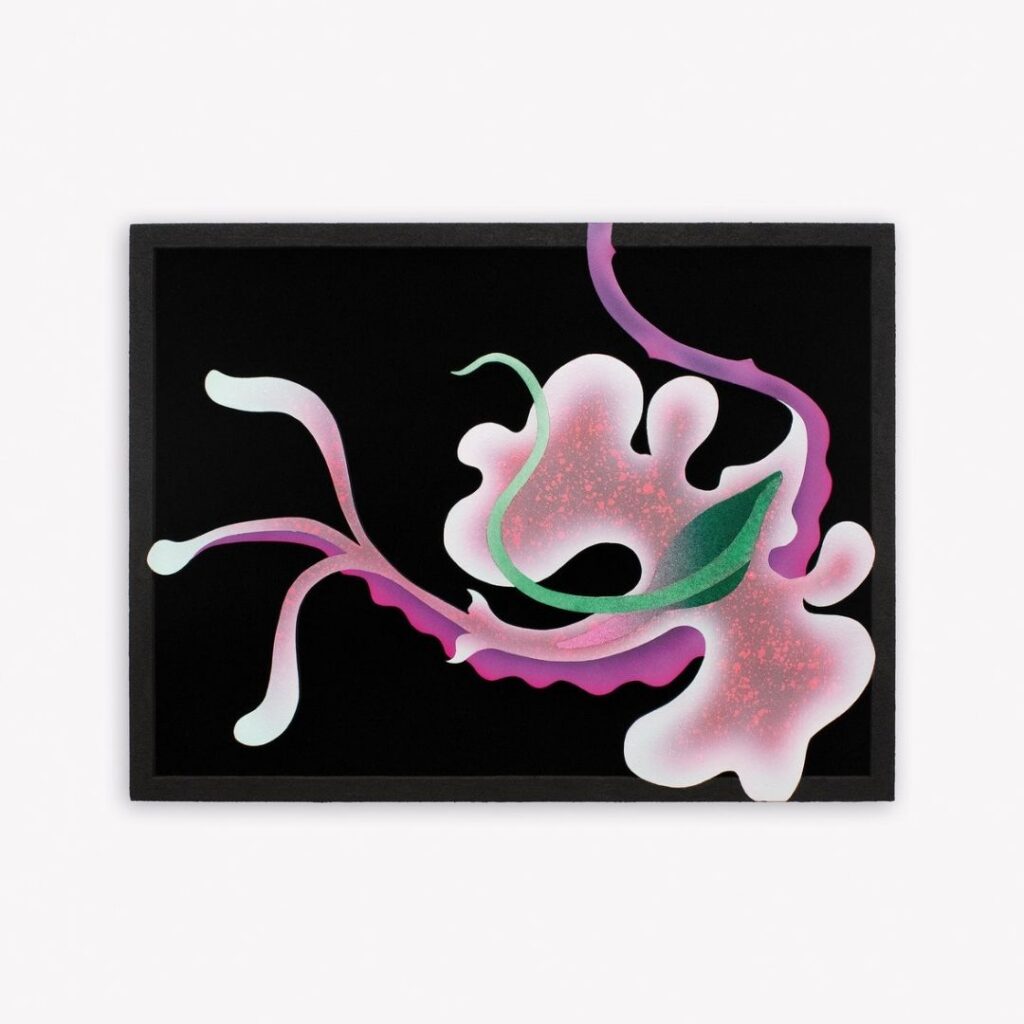
    The artwork by Mevlana Lipp is showing a strange, exotic plant, which is agile and seems somehow alive. Also some of its forms remind me of sperms. You could interpret it as a living being, which recreates itself through passing its seed, helping its offspring to spread. We thought that the motif with its stylistic realisation of the artwork, the clear shapes and the vibrating colours, which especially emerge in front of of the black background, resonates very well with our music world, as it could be a soundtrack for the plant-creature’s planet.


    Jani: We don’t struggle too much with the titles. Usually we have some rough visions or ideas which we share together, and then we might modify the titles a bit until we are both fine with it. This goes usually very smoothly. We don’t much speak about the concept, but I am sure we both feel the concept, because it’s in the music. So we just continue working intuitively.

    Do you have a record collection? How do you classify records or music you are listening to?


    Jani: Yes. I have a bit over 1,000 records, tapes, CDs, etc. So I also have many types of music. Experimental, krautrock, grunge, psychedelic, noise, free improvisation, ambient, new age etc. I think I am influenced a lot by all of that. Some moments I might be more into new age, and the next month I’ll be more into rock. It’s often possible to listen to all kind of stuff during the day also, but mostly I like some sort of special psychedelic, experimental or spiritual vibration, which you might probably hear in Grykë Pyje, as well. Even though I feel that I like a lot of different types of music, I must admit that there’s also plenty of music in the world, which I don’t like to listen to at all.


    Johannes: I have a small ”trading” collection, as I only swap records with like-minded and befriended musicians. I’m always searching for unique sound visions from artists, who have their own musical language. The best music for me comes from bands or musicians that have a sound which seems hard to classify and is filled with unusual ingredients.

    What’s your favorite way of enjoying music?


    Jani: Closing the inner & outer chatter helps.


    Johannes: Not letting music be something you only listen to while working or doing different activities. Instead, fully open up to the music and try to focus on it attentively. By listening in an active way, you feel the music is able to give you so much more. Next to music being merely a supportive fellow, it might even help you get better through life. Also, try to take risks and open yourself up to all kind of different sounds without judging upfront. It could enrich and widen the way you perceive music.

    Objects & Sounds - Mood Talk - Hugh Small + Brian Allen Simon

    How much would you say the mood you are in affects your creativity?


    Jani: Surely it’s connected directly, but first of all your mind has to be clear, open and inspired enough to even start to make music. When the sounds finally start to appear it will open the vibrations, which are leading to the directions guided from your inner wishes. These directions create a map while travelling and diving into details.


    Johannes: I think first of all, it’s the artistic vision you follow that defines the creative output. For me, mood is not completely decisive for my work, but it might push or demotivate the production. I think the art you produce is more a reflection of your personal character, your attitude towards life and your life philosophy and concepts.

    To end, how does your mood affect the music you are listening to?


    Johannes: If something in my life is causing trouble or makes me feel insecure, I avoid listening to emotional music, as it intensifies the feeling which is too overwhelming for me. But on the other hand, when everything goes smooth and easy, I tend to listen to much more personal and intense music, that sinks deep. So it seems that I need a fair amount of soul scratching input in life to find an inner balance.


    Jani: I usually start to listen to some record which fits to the current mood, but to describe that really carefully would need a much longer analysis.

    listen to their music

    continue reading

  • navigating the musical panorama with Stefan Schneider

    navigating the musical panorama with Stefan Schneider

    Our next mood talk takes us all the way to Düsseldorf. We spoke with Stefan Schneider, the driving force behind the multi-faceted label TAL. He also makes music himself as Mapstation and was part of the influential Berlin band To Rococo Rot.


    With TAL, Stefan has literally travelled all around the world in search for sound — from sparking collaborations across cultures while recording folk music in Kenya & Venezuela all the way to reissuing music from Germany & Japan.

    TAL has a wide variety of releases, which makes it nearly impossible to box TAL into a certain category. What is the story behind TAL and what’s the goal you want to achieve with the label?


    In the early 2010s, I was often in Kenya for various recording sessions. I was involved in a project initiated by the Goethe Institut in Nairobi together with two producers, George Ouma and Tabou Susa. The idea was to bridge a gap between producers from Europe & Kenya and the goal was to record folk music in rural regions of Kenya.


    The music I recorded in Kenya was totally fascinating. It was music I hadn’t heard before. A lot of the music we recorded have never been documented. We would sit for hours on end on a motorcycle with our recording equipment to meet talented female singers and male percussionists from very remote villages.


    We did a few of these sessions, which were released by London-based label Honest Jon’s Records. After two releases with Honest Jon’s, I decided I would start my own label to release those recordings and that was the start of TAL. Ogoya Nengo and the Dodo women, a Kenyan group, was the first release. 

    What struck you the most about your visits to Kenya?


    The recording process was always completely fascinating. When you record music in rural Kenya, you have to be really fast in order to capture the best takes and the best music.


    At one instance, we had set the microphones up and recorded one song. Suddenly, the musicians swapped instruments in front of the microphone. Next thing we knew, the drummer was already using two larger drums.


    To capture the best sound, we had to quickly change the positioning of the microphones. We were still in the middle of our sound check but the musicians already started playing. We wanted them to stop and start from the beginning for the actual recording, but they just kept playing for 10 minutes straight.


    Because we missed the very beginning of the recording, we asked them to start again. But every time, they would play a totally different song.


    Stefan: But it’s not the song you played before. Could you play that one again?


    Group: It’s the same song, only a different version.


    It ended up in laughter with everybody, but this experience really taught us to be extremely fast in recording.


    There was also one time we were invited to a secondary school in Siaya, a village close to the border of Uganda. The 14-year old school kids presented three songs to us. They said, “When our teachers told us you are interested in folk music, we had no idea what that meant.” Unlike many of us who could simply just look this up on the Internet, they went back to the villages and learned how to play the music & the rhythm patterns themselves. It was one of the most touching experiences to record the interpretation of young school kids of the folk music of their own country.

    Stefan Schneider | Mapstation | Hinosch | TAL

    What an interesting story! Clearly, TAL developed to be a label that is so much more than folk music recordings. Did you have any roadmap for the future of TAL when you first started out?


    At that time, I had no idea even what the second record on TAL could possibly be.


    I had no concept for the label. It’s not because I was lazy or not interested in it, but I thought I would trust myself that the label will grow like a conversation and then it will naturally flow in the right direction.


    Although I must say, from the beginning, I knew what I did not want to do. I didn’t want to run a label that has a clear topic or theme. In the end, I thought that the program for the label should be similar to a radio show of John Peel.


    I grew up listening to John Peel as a teenager. Düsseldorf was the headquarters of the British Rhine Army, which meant we had access to BFBS. As a teenager, I was listening to John Peel once a week. It was so interesting to me because he was able to combine the strangest music you had ever heard and give it a coherent story. What he did made total sense given his personality.

    What does the name TAL stand for actually?


    It is simply the name of the street next to my studio. It was the first thought that came to mind when I was about to think of a name for the label. I did not not want to have a name that has any connotation towards music. It is short and catchy like NEU!, DAF, PLAN and other legendary music projects that came from Düsseldorf. 

    You did some reissues as well. What sparked your interest to go down this route?


    The fourth TAL release is by NON BAND and that was my first reissue. Just like the other releases that came before, it had a story behind it.


    Back in 2016, I was in Osaka and I visited a fantastic record shop called Forever Records. I was on the hunt for Japanese noise records and the store owner recommended a brand new book to me about Japanese underground music. It was written by an American who has lived in Japan since the 1980’s and he probably knows more about Japanese underground music than anybody in Japan himself. 


    There were a few records in the book that I immediately found fascinating just from the descriptions alone. One of them was the record of NON BAND. I started looking and found just only one track of that album on YouTube. Only with that one song, I knew I wanted to buy the record. Unfortunately, I could not get hold of it. 


    A friend of mine in Düsseldorf runs a second hand store for many years, and I asked him if he knew where to get the record. He has never seen it before and I thought, “Well ok, if I cannot buy that record, maybe I should reissue it.” 


    My girlfriend is Japanese and we were able to find a NON BAND blog. We wrote the owner of the blog in Japanese and Non (Noriko Hosaka), the singer and bass player of NON BAND, replied in total excitement that I would release their record again. 


    Thanks to the reissue, the band got back together again, and now they are frequently playing. They are even thinking of doing a second album after 40 years. When I saw their record release show in Tokyo, I must say it was fantastic. Reunion concerts aren’t always particularly great, but this one was really good. 

    Stefan Schneider | Mapstation | Hinosch | TAL

    Next to reissues and recordings, you also produced quite some music, often in collaboration with others. One of these early collaborations was with Koshiro Hino from Osaka. Can you share more about how this collaboration came about?


    I met Hino back in 2016, and we played a concert together in Kyoto and Kobe. He asked me if I could organize a concert for him in Düsseldorf. I said “Of course”. Together, we ended up playing a few concerts and eventually doing a short tour.


    These concerts always consisted of a solo set from both of us with an improvised duo set at the end. The duo sets became longer and more interesting every night. At some point we decided to translate these duo sets into an EP. A bit later we also did an album. 

    Recently you started performing and putting out releases under the solo moniker of Mapstation. Was this a conscious decision to focus on your solo work? 


    Back in 2009-2010, I was actually very active with Mapstation and played a lot of solo shows. I decided to stop playing solo shows for a while because I was simply fed up with all the traveling by myself. That was not the only reason, but definitely one of the reasons back then.


    I am over that period, and I actually enjoy playing solo and traveling by myself again. 


    I actually had some difficulties getting started again as Mapstation. I had some legal issues with regards to my previous works released in 2009. Because the label had gone bankrupt, I could not get hold of the rights of those records. In 2018, I finally got the rights back for those records and I decided to play again as Mapstation.

    Oh wow – you had to fight for your own music rights? 


    Yes, it’s quite complicated. You have to find a lawyer that writes to another lawyer and so on. It was a very long process, although there was hardly any money involved. Luckily it’s all solved now.

    Stefan Schneider | Mapstation | Hinosch | TAL

    You mentioned that there’s a story to every release. The artwork is also quite unique. The Hinosch EP cover looks quite intriguing and special to me, how did it come about?


    Thanks! It was a collaboration with a fantastic Japanese fashion designer from Düsseldorf called Yoda. He created a record bag for the release. I knew the guy and he’s a big music lover. He came to a few solo concerts I played and he also came to a few Hinosch concerts. He was so fascinated with the music that he told me,  “I am about to design a record bag that holds 10 to 12 records and doesn’t look like a DJ bag. Maybe we can do a limited edition with the bag and the record.“ And so we did.


    The bags are all handmade in Japan. He gets all the fabrics in Japan, and they are made in a very small workshop. There was an initial edition of 40 of those bags that came together with the 12″ of Hino and myself.


    The design of the cover I did myself. The silk screen print on the sleeve consists of photocopies of the first dummy model of the bag. I just put the bag on the Xerox machine.

    It seems you have a strong link with the art world. One of the collaborations you also did before Hinosch was with the renowned visual artist Katharina Grosse. Did she design the cover of your collaboration release ‘Tiergarten’?


    Yes, it’s actually a painting of hers.


    When we were thinking about the cover, Katharina told me that whenever she tests her spray paint gun, she directs it to the floor which is covered with cardboards and that this sometimes leads to really interesting patterns. We went up to her studio to see a few of these cardboards which she had prepared in the size of a record and that’s how we chose the cover.


    At some point, we even had a conversation about personalizing the record covers:


    Katharina: What’s the edition of the record?


    Stefan: 500.


    Katharina: I have plenty of those cardboards. We can use 500 originals.


    Stefan: That would be 500 original works by you and there’s probably going to be some art collectors who will buy the whole edition at once and then you will find them for 10,000 dollars on the art market and that’s not the idea of the record.


    She very much agreed with that statement. 

    What’s next for TAL?


    Just like everyone, we have to deal with Corona. But in general, I am keen to explore new things. Whenever there’s a crisis, it opens up possibilities for new ways of doing things.


    In terms of the Corona crisis, I’m not so negative about it. I think it’s quite interesting because you have to think of new ways of bringing works or products of music across listeners. 


    I also took the time to work a bit more on the online marketing of the label. Often, I feel certain promoters are limited to a specific record industry. For labels such as TAL, that’s very difficult because of the diversity of the releases. The release of the record is also never the end of the project. I see it almost as the beginning. It leads to talks, film evenings or concerts and so on. That message also needs to be brought across.
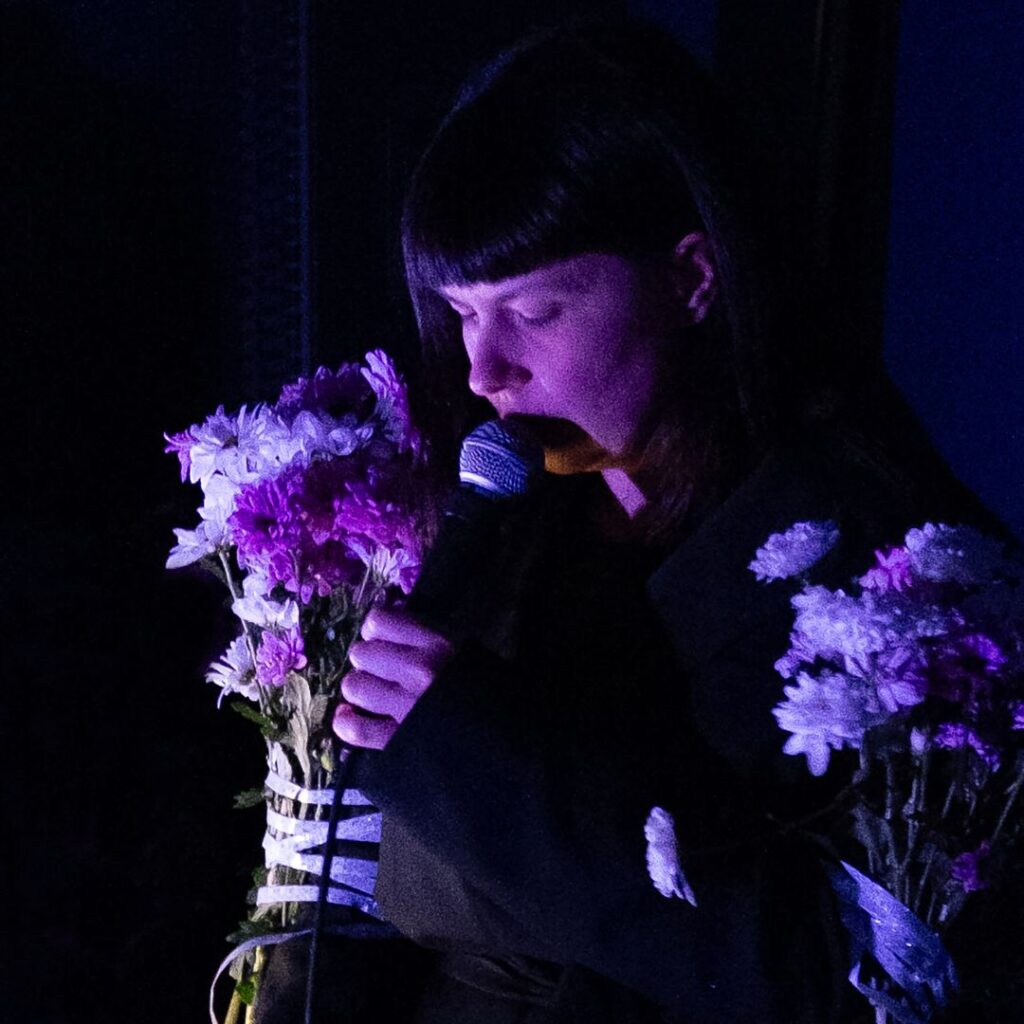
     

    The next release on TAL will be a remix record of Japanese artist Tentenko. I hope that she can come to Germany given the situation. There’s a festival in Leipzig which is not yet cancelled. Hopefully she can play there and we can organize a few more shows.


    Oh and lastly, I actually opened a little temporary record shop recently. I have a studio with a very small cellar of 10-12 square meters. I never knew what to do with that cellar. In March, I decided to clean it and convert it into a record store. I never worked in a record shop before and I thought it would be fun to open its doors every two months or so.

    Stefan Schneider | Mapstation | Hinosch | TAL

    How did you organize the records in the shop?


    Oh, in a very classical way—Jazz, Reggae, Electronic, Techno. On the first day, though, I did have one section called “New & Beautiful.”

    Thanks for all the stories you’ve shared with us. Final question: do you have any listening tips you can share with us?


    Listen to music without headphones.


    Listen to techno from outside the club.


    Listen to the electric hum of a high-voltage landline on a field.


    Listen to the hum of a fridge, of almost any model.


    Listen to frogs in a pond. 


    Listen to rain on a roof. 


    Listen to the arpeggiator of a Novation Bass Station I. 


    Listen to the guitar sounds of the band Television. 


    Listen to the trumpets of Miles Davis on “Get up with it.”


    Listen to the voice of Noriko Hosaka on the album “NON BAND.”


    Listen to the music of the riverboat scene in the film “Night of the Hunter.”

    discover our favorite tal releases

    continue reading

  • stealing conversations with Richard Greenan

    stealing conversations with Richard Greenan

    For our second mood talk, we spoke with Richard Greenan, passionate radio host and driving force behind Kit Records — an eclectic and playful label hailing from London. 


    We talk about his undying love for radio and community, seagulls wrecking chaos in town and stealing conversations.

    You’ve been running a fortnightly radio show on NTS Radio for close to 10 years and you have also released music of over 50 artists on Kit Records. How did it all start? 


    The radio show came first in 2011 and the label grew out of that in 2013. People were sending me music to play on the radio and I started meeting musicians and interviewing people. It was quite a natural progression for it to turn into a label. It’s something that has happened to quite a few other radio shows on NTS as well, like Alien Jams and others. It kind of makes sense because you accumulate all this network and it is a really good platform combination as well.


    I remember in 2013 I got sent an unreleased album by this guy that lives in Brighton. He said “Oh, do you want to have a listen to this?”.  We met in the pub and had some beers. I really liked him and we got on. He had been struggling finding a label to release it and then we decided to just make it on our own. We just made hand-decorated tapes and it just became a label like that. It wasn’t really my plan. The label started quite slowly, but now it has almost been 8 years going on. 

    I can imagine running a label is quite some work. Did starting the label influence your activities as a radio host?


    No, not at all. The label didn’t eclipse the radio show, it’s rather all part of the same thing.


    Radio is like releasing anyway. It goes online, lives online, and people listen back to it and stream it, so it kind of lives digitally on the internet. I find it a really good way of playing unreleased music, testing things out and seeing how the audience reacts to new music. When I do a radio show, I kind of see it as a release in itself. 


    Both channels share a feeling of community and mostly involve people hanging out and meeting. Recently that is obviously quite difficult as all our events got canceled. But the basis of the label and the radio show is definitely this kind of community aspect. Being internationally located in London makes this even stronger, as a lot of musicians get to pass through and come into the studio and so on. 


    If I really had to choose though, I will definitely choose radio. It’s the thing I enjoy the most. Whether or not I will always make vinyl, I’m not sure. I really love creating things and making things, and I enjoyed learning about it. But there’s also only so much vinyl that can exist in the world. I have done a lot this year and I’m admittedly starting to think, “Shit, I’ve made too much”.  It’s quite overwhelming so I’m going to have a few months off to think about where to go from here.

    Richard Greenan | KIT Records | HESITATION

    Do you still do your radio shows live at the moment during COVID-19? 


    No, it’s mostly pre-recorded. Some are live but not sure when we’ll be able to go back into the studio again. It’s complicated. Because everyone’s fiddling with the same buttons. I think they would have to spray everything with disinfectant between each show. 

    Have you still been able to recreate the same dynamic without playing live?


    I do like making pre-recorded mixes, but they take ages. Playing live is more messy and chaotic. Stuff goes wrong and is kind of more funny. You simply can’t go back to a moment in time and fix it. Everyone hears your mistakes, which makes it more human. I have always been a bit sloppy as well and I try to make it not too slick. I like the live radio feeling.


    I also like going in the studio and doing it there. You’re standing up, chatting and having a drink. The studio is in Dalston – a part of London with a lot of Turkish restaurants. Afterwards I usually have a meal, so it’s just a really fun routine. I do miss that aspect of it.

    How did the show evolve over the years? Do you prepare certain themes for the show or do you improvise a lot?


    It has been getting more and more conceptual over the years. I have also been getting a lot more guests. Sometimes NTS even provides me with interesting guests that they think might fit my Sunday afternoon show. We do an interview and that becomes the theme of the show. I simply choose music that fits with the mood. 


    I generally like to talk on the radio rather than only doing a mix. I like the guests to feel relaxed, so I give them a beer and make them laugh. You can not really plan that at all and that makes the shows more entertaining. If it’s too planned, the guests can’t really relax, so I do my best to deformalize it. 


    Sometimes there’s no theme at all though and it’s just me choosing music that I enjoy. That’s how the show started and that’s the whole point, anyway. It’s a curational taste thing and I need to keep in touch with that, otherwise the show might lose its identity.


    That’s a really nice thing about vinyl, by the way. Records are like books. They might get bent or covered in dust, but they are still physically there. You can always refind them after you completely forgot what they sound like. With digital music, it’s kind of more fleeting. Things can get moved or deleted really quickly. 

    Richard Greenan | KIT Records | HESITATION

    You use a lot of conversations or film snippets in your show. What’s the idea behind these?


    It’s kind of documenting what it is like to live in an urban environment. A lot of it is about London as well in particular.


    I did a show recently that had lots of conversations of people who live together in a building. It’s from a short film I watched and it’s all recorded in an elevator. Very 90s. It’s quite comic, but also quite human and moving.


    I just generally like the idea of a radio show being part documentary, part music. If it’s just music, I really don’t get what’s the point. I like for my shows to have some kind of human element to it. Radio needs that, I think. Some of the releases have them as well actually. The tracks are instrumentals layered with urban recordings.

    Next to having an inspirational network of musicians and artists, you also often collaborate with writers. Do they ever write pieces of dialog for your radio show?


    No, not really. It’s more for the releases. Often we include little extras such as short stories or poetry.

     

    For some releases like Martin Glass or Electric Capablanca, I worked together with my friend Jack to create a lot of written materials. We did a backstory, the PR campaign, as well as the  interviews and booklets. For UNDERMEDVETENHETEN, the Swedish record, we spent so long thinking about ideas and spent ages writing the press release. We even created a little board game to go with it. 


    We haven’t released any book, but I would quite like to do that. I’d like for the releases to have some kind of extra dimension. Something that makes it a bit more than just a record. 

    The records are quite varied in sound, but the covers even more so. How are they conceptualized?


    We work together with different artists for the covers. It started off with a single illustrator called Sarah who did the first three releases. For the Plinth – Wintersongs record, the cover was a linocut which we did by hand. It represents some kind of winter-y pastoral English countryside scene with rolling hills and trees. It almost looks like an old-fashioned book cover from the 1930’s. For the next record, we used paint. In the beginning, there was definitely a kind of analog DIY aesthetic. Later on, I moved on to do designs myself and I tried to keep true to this DIY aesthetic. Over time, I started to meet other artists and I started incorporating their work.


    There used to be some kind of thread. Now the thing mostly holding it together is that they are all different. I used to be very particular. I was scared to let the visual side go off into different directions, but now I mostly don’t care. As a whole, it looks great. If you look at it all at once, it looks quite mad – almost like a mosaic. Some of the artwork is rather amusing or ironic, while other stuff is more uplifting and colorful. I definitely think the visuals are almost as important as the music for the label.

    How involved are the musicians with the design?


    The music and the design go together. It’s very hard to find a musician that is not interested in the design. I found it’s the other way around, as well. I’ve released music by designers like Cosmic Neighbourhood from Adam Higton. He doesn’t really think of himself as a musician. He thinks of himself as a designer first and foremost. He’s actually a very successful illustrator doing work for NY Times and stuff. His music is very interesting as well. He often incorporates collages in his work and that’s also how he composes music, in quite a primitive way.


    Adam’s presence on the label is really important. His music is a big cornerstone for the label, as it kind of shows that you don’t have to be a virtuosic musician to create really wonderful music. His stuff is great, as he’s free from all the anxiety a trained musician normally has. He’s got great ears and he knows what he likes. He records his stuff almost by accident. I love the irony to that, as other musicians can be in great agony over the tiniest elements of sound I can’t even hear. 
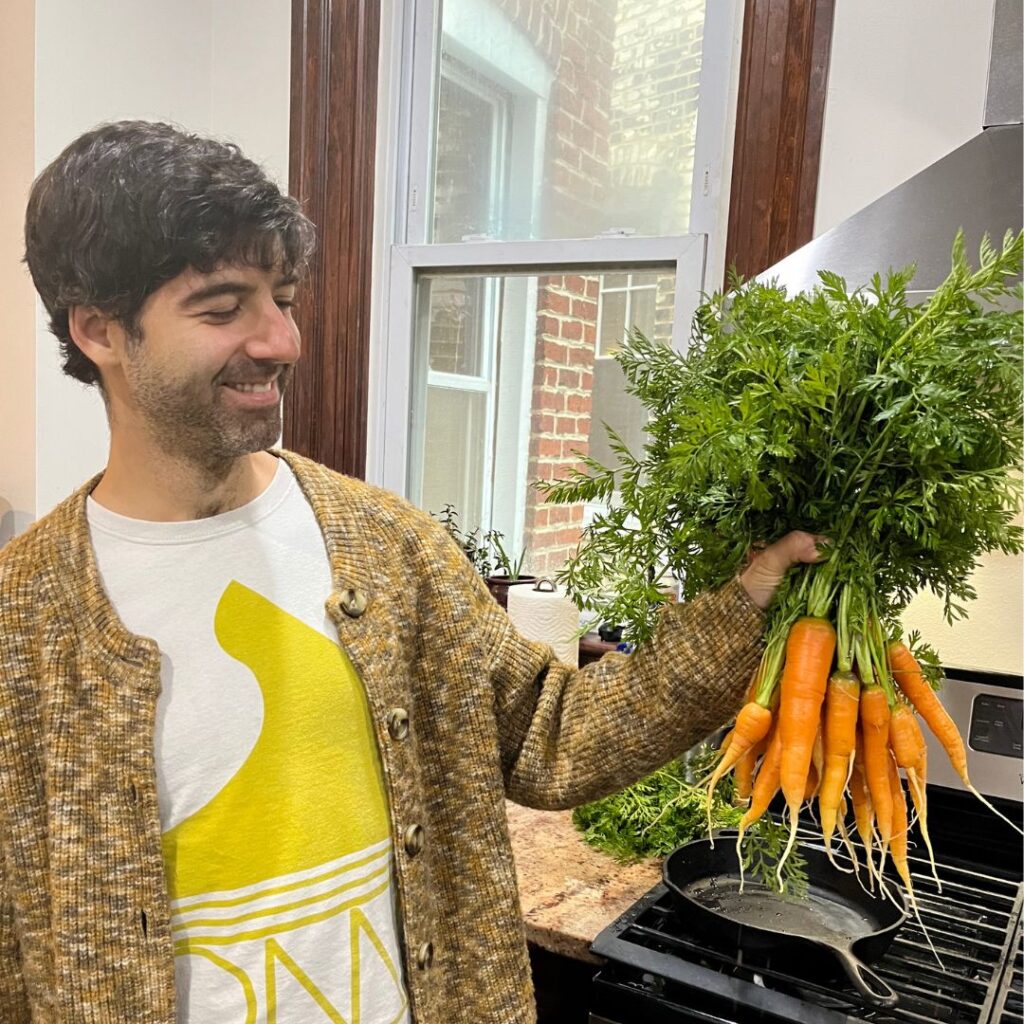
    We have one more question for you. What is your all-time favorite sound?


    This might sound cheesy, but I really love bird sounds and I have been recording them often. 


    I recently moved back to the seaside and I have been enjoying the sound of seagulls. It’s kind of an ugly sound as they are not really the prettiest birds either. They also behave quite horrendously. They destroy rubbish and create chaos in the town. But still people really have an affection towards them. There’s just something about them that’s quite funny and lovable. 


    There’s some good birds in London, as well. The black birds are probably the best singing birds in the UK. They’ve got the biggest repertoire of songs and make a lot of different noises. They don’t just do the same call over and over like a broken record, but they have 7 or 8 different tunes. Back in the 70’s, some tropical birds were also released in London. They sound quite out of place, but it kind of suits London as a multicultural place. 


    Aside from birds, I also like the sound of people talking. Shops in London are a good source. I like the conversations between shopkeepers and buyers. I like to steal that. I also record in other countries every now and then. Just capturing voices even if I don’t know what they are saying. I like the way people speak in Norway. There’s something about the way it goes up and down. It’s very lyrical and almost melodic. We actually used a Norwegian voice on the album Kystwerk of Roméo Poirier. Not a lot of people get it, but i love it.

    discover our favorites from kit records

    continue reading

  • exploring the space between the dancefloor and the living room with Ruben Verkuylen

    exploring the space between the dancefloor and the living room with ruben verkuylen

    We are fascinated by mood and music, as you can probably tell. In our brand-new mood talk series, we sit down with various artists, labels and creatives to explore the relationship between mood and music in great detail. Talking about life, fascinations, sounds and so much more, this mood talk aims to shed light on their rituals and creative processes with the hope that you find new ways to appreciate music.


    For our first mood talk, we spoke with Ruben Verkuylen of BAKKa Dutch label based in The Hague. In 2016, BAKK launched a series of releases called Plafond. Plafond openly defies genres and often initiates collaborations between artists from whole different sides of the musical spectrum. Next to running BAKK, Ruben has many creative outlets. As a graphic designer, DJ, passionate cook and occasional producer, Ruben can be considered a creative all-rounder.

    What is the inspiration behind the Plafond series?


    BAKK started out as a label geared towards club music. At some point, we wondered what happened if the main label’s artists would make something else, not per se clubby? This inspired the idea to start a new series called Plafond.


    Plafond is not restricted to any fixed genre, as that would limit the artistic freedom of our artists. The only encompassing theme is that Plafond features music that explores the space between the dancefloor and the living room.

    Who’s behind BAKK?


    BAKK is run by three people (Nic, Thomas and me) and we all met each other at the art academy in The Hague. We studied at different departments but had a shared interest in electronic music. This kicked off with organizing both small and big events and translated eventually into the record label BAKK. I am a graphic designer moonlighting as a DJ on the side. Every person is more or less in charge of one part of the label, but we always discuss every aspect together and bounce back ideas back and forth between each other.


    Next to BAKK, we also run a separate label called Rubber. Under this label, we feature music that is more industrial, wave and odd in nature. We felt this didn’t fit nicely under the BAKK umbrella, therefore we decided to create a separate label altogether.

    Objects & Sounds - Mood Talk - Ruben Verkuylen

    As all Plafond releases are collaborative in nature, how do these collaborations come about?

    As a label, we aren’t all that interested in already finished products that we just need to design and press. We really prefer to be actively involved in the creative process early on with the artists. That’s the fun part for us, as we all come from various creative backgrounds.


    Often an artist presents different sketches to us, and together we explore different concepts that could work. Once we’ve found a concept we’re convinced about, the next step for us is to figure out which other artists could complement the sound of this initial idea. Whenever we suggest possible collaborations among artists, we do our best to concretely explain why we think this certain collaboration seems interesting.


    So far, we have six releases and all our suggested collaborations have been realized. Needless to say, we are very happy with the outcome.

    How does your mood influence your creative pursuits?


    Whenever I design something or have an upcoming DJ set, I always start from a certain mood in mind.

    For DJ sets specifically, it often starts with a feeling. Sometimes I want the set to be a very heavy, angry one. Other times, I’m compelled to make it a smoother one. I often find a key track that underlines that feeling perfectly, and I use that as a starting point to collect music leading up to the gig.


    I don’t work from A to B, as it’s impossible to know how the set will pan out exactly. I prefer to start in the middle and work my way from there. Of course, it doesn’t always work out on the moment itself. Sometimes I come up with a selection which I disregard completely on the night itself and I play something completely different. But yes, I do think that mood is a quite important factor in the process. It’s a guideline.

    With graphic design, it’s harder to put in words. Mood also plays a role here, but in a more abstract way. It’s a very intuitive process. It just kind of flows naturally. Sometimes it doesn’t flow at all, then I have to stop for a moment and let it rest and pick it up later.

    Objects & Sounds - Mood Talk - Ruben Verkuylen

    In your DJ sets, do you ever imagine a sort of evolution of moods or do you prefer to stick to one main mood?


    I often prepare my DJ sets in parts. If there’s a certain moment in the set where I feel like I want to drop down the energy level, I activate a different part. Also when I really have the feeling that the crowd is completely on track with what I am trying to achieve musically, and I feel I have the freedom to push some boundaries, then I have another part prepared for this. 


    Preparation is quite important for me. It helps to be flexible in the moment and have the freedom to move around in different musical directions, without having the feeling of being lost in the story.

    Our next question is a bit more abstract, but we’re curious. What’s your all-time  favorite sound?

    The sound of rain is really magical to me, especially if you are indoors and you have a very thin roof. In my bathroom, there’s a small roof window. When it rains and it’s late and dark in the evening, I really find myself sitting in a cocoon of sound. The sound is very 360 degrees because the rain hits everywhere, and that is one of the most fun sounds to me. Very soothing.

    And how about smell, do you have a favorite?


    I am quite a fanatic cook and I am often in the kitchen. There’s one smell I find quite spectacular: the smell of seroendeng, an Indonesian side dish made with fried coconut flakes.


    I first smelled it when I was working at an Indonesian restaurant. I always had a very good relationship with cooks and they have taught me a lot of things. One of the things is this simple dish. It’s basically grinded coconut mixed with sugar and salt, which you then burn so it caramelizes. Once it burns, the most amazing smell arises, an intense coconut smell that really lingers in your home for an hour.

    Easy to make and delicious when combined with your morning oatmeal or a hearty evening meal. Definitely highly recommended.

    Objects & Sounds - Mood Talk - Ruben Verkuylen

    Out of curiosity, can you share with us how you categorize your music collection?


    I mostly categorize alphabetically based on the last name of the artists. I don’t have a very big record collection. In fact, I have less than a thousand records, so it is still manageable to do it like this.  


    I do have roughly three very broad categories, namely clubabstract minimal ambient and others. Club for me is really straightforward electronic music. The other two categories are more oriented towards listening. Sometimes it happens that I listen to my records again and switch them around different categories. 


    If I would have a bigger collection, I might feel the need to categorize further, but for now alphabetic is the best approach. It helps me to not think too much in boxes.

    Is there a reason you prefer to keep your record collection rather small?


    If I buy physical records, I mostly do it when I really find the artist or label unique or interesting. I mostly buy a lot of my music digitally. Some labels are doing very nice things, but sometimes don’t have physical releases. In a way, I became a bit more selective over time and the records I do buy are mostly for listening. I hardly buy club releases anymore in a physical format. Everything just fits in one closet now and that’s perfect for me. Sometimes I also sell some records, just to not let the collection grow too much.

    Which labels are you listening to yourself at the moment and why?


    I am a big fan of the NYC-based label RVNG. Queeste here in The Netherlands is also doing a lot of interesting stuff. London-based label AD93, formerly called Whities, is also very interesting.


    Generally, these labels approach music in a very holistic fashion. Every little detail is just super spot on: the artwork, the music, the materials used. Many labels do have a certain style or sauce, but when you look at the full picture of the releases, there’s just something lacking.


    The best thing that can happen, in my opinion, is that it gets to such a level that you would buy releases almost purely based on the artwork alone. And then when you listen to the music, you realize the release is even way better than you ever imagined it to be. The biggest compliment to us is to hear that people sometimes buy our releases based on the artwork alone, only to realize at home that they enjoy the music greatly as well.

    Objects & Sounds - Mood Talk - Ruben Verkuylen

    The artwork for the Plafond series is quite unique. Can you give us some insight into this process? Do you sometimes also design covers yourself as a graphic designer?


    From day 1 of BAKK, Mike Kokken, with whom I share a studio with, has done a lot of the designs together with me. After our eighth release, I distanced myself a bit from the design part to focus more on the label itself and Mike took over the full design process. Being actively involved in the design and the label at the same time was getting a bit too complex.


    From then on, Mike has done almost all the designs for BAKK. For Plafond, Mike collaborates with another designer Tim Badoux. Mike designs the Obi strip, while Tim does the covers himself. They do align with each other, but only after they each have made an independent design first. For the last Plafond release, I exceptionally designed the cover myself as Tim was caught up in other projects, but Mike still did the Obi strip.


    Another fun aspect for us — just because we have worked closely with the same few designers — is that you see the evolution in their artwork as well. In a way, we give trust to the designers to come up with something on their own but we also expect a lot.

    At what moment in the process do the designers start their artwork? Does the concept come first, or is the music always first?


    The designers are involved quite early on. We often have a rough idea of what the release is going to be like. Somewhere between the first sketch of the tracks and the finished ones, we call upon the designers. It can happen that sometimes some things change in the production, but the direction/mood is clear for the designers to work with it.


    Only when we as a label are convinced with the design, that’s when we share it to the artists. By now, the artists have quite some trust in us as a label and often really like the artwork we put out, so they mostly leave us in charge of this part while they focus on the music.

    How do you communicate the concept to the designers?


    Often we communicate some key words or ideas to Mike. From there, it goes quite fast. Mike usually has an idea of what direction to take from there, and the artwork itself evolves so much sometimes that it’s hardly still linked with the original idea. It kind of gets a life of its own. We actually often think in colors, as well. We sometimes check which colors we have not yet used in previous releases and what color would fit the artists we’re working with.


    A key part is that we never think of our releases as vinyl releases. We approach them maybe more as works of art. So far, it has always turned out as a vinyl record, but we always try to start from the concept and then see where that takes us. It’s very possible that a future edition won’t be a vinyl at all. In a way, because we really approach the concepts as works of art, the results often transcend the format of a typical vinyl record.


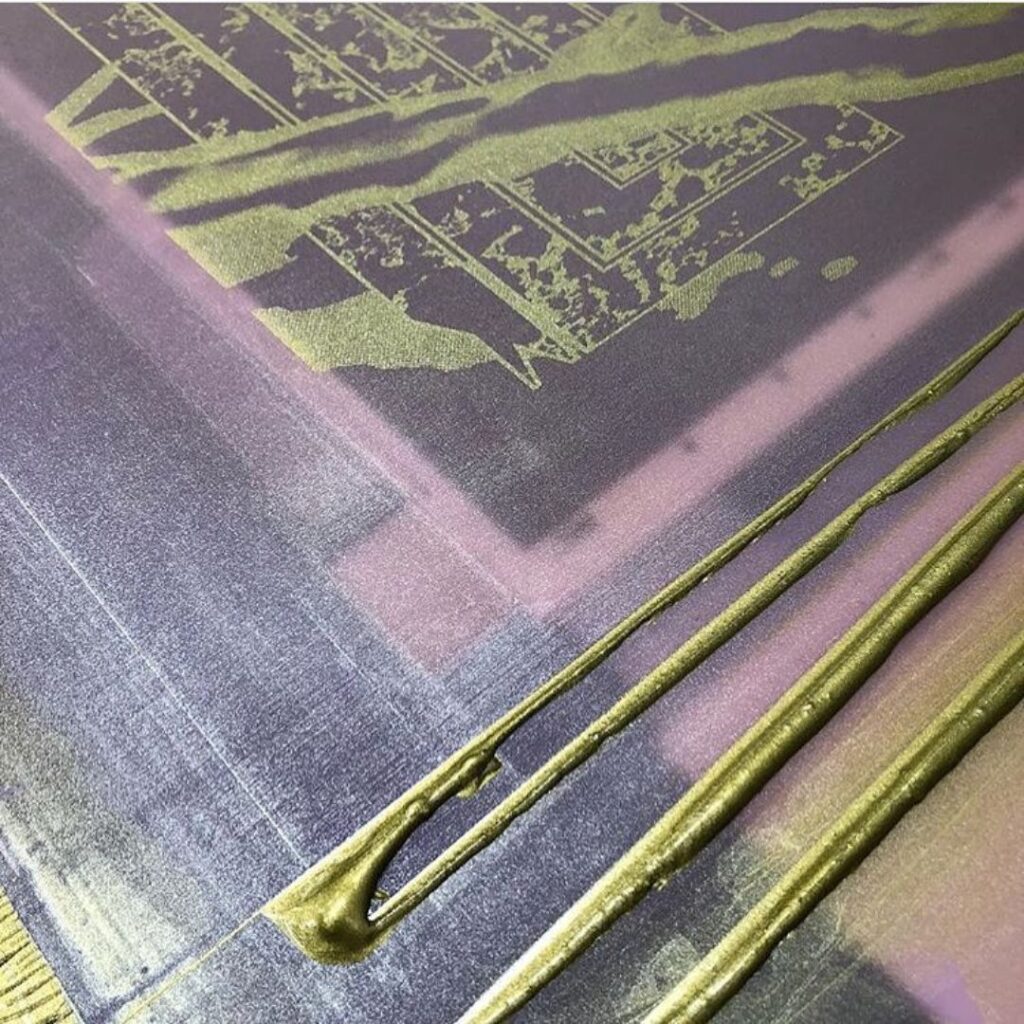
    One detail that’s also very important to us is the quality of the printing and the ink. So much so that we print all releases for BAKK on our own. It’s the best way for us to stay on top of the whole process and to keep control of the specific colors of the ink. We have never printed a release just with standard CMYK.

    Objects & Sounds - Mood Talk - Ruben Verkuylen

    Last question. As Plafond explores the space between the living room and the dancefloor, what is your advice for an ultimate listening experience?


    The best way is to sit down on your sofa at a good distance from your speaker, so you can really hear the sound spatially. Serve yourself a quality tea or coffee, or even open a good bottle of wine, and then just listen attentively.


    In my viewpoint, a good track is one that lends itself to many situations. Maybe first listen to it with your full attention, then listen to it in the background, then listen to it on headphones and so on. The main concept behind the series is that it’s music that can be enjoyed in a deep listening session at your home, but would also still fit a DJ set. Not just an ordinary DJ set, but a DJ set of a DJ that would have the guts to try something special.


    With the Plafond series, we release music that is also interesting for deep listening. Haron for example is so incredibly skilled in the way he makes music very tactile. Especially in how he plays with textures and sounds in such a way that they get very unique structures that you can almost feel – a big sound, a small sound, a round sound, a pointy sound. He has a certain way of transforming just one hit on the piano into a whole array of loose sounds using all sorts of special reverbs and delays. These fine nuances can be really appreciated if you listen attentively to the work and also really take the spatiality of the music into account. It’s really something I appreciate a lot in music.


    I am also a huge fan of the latest release of Beatrice Dillon called Workaround. She masterfully uses a lot of loose little sounds, but there’s also so much space in that release, even though it’s still an energetic club record with a lot of movement and dynamism. That’s very interesting to me. 

    listen to plafond

    continue reading