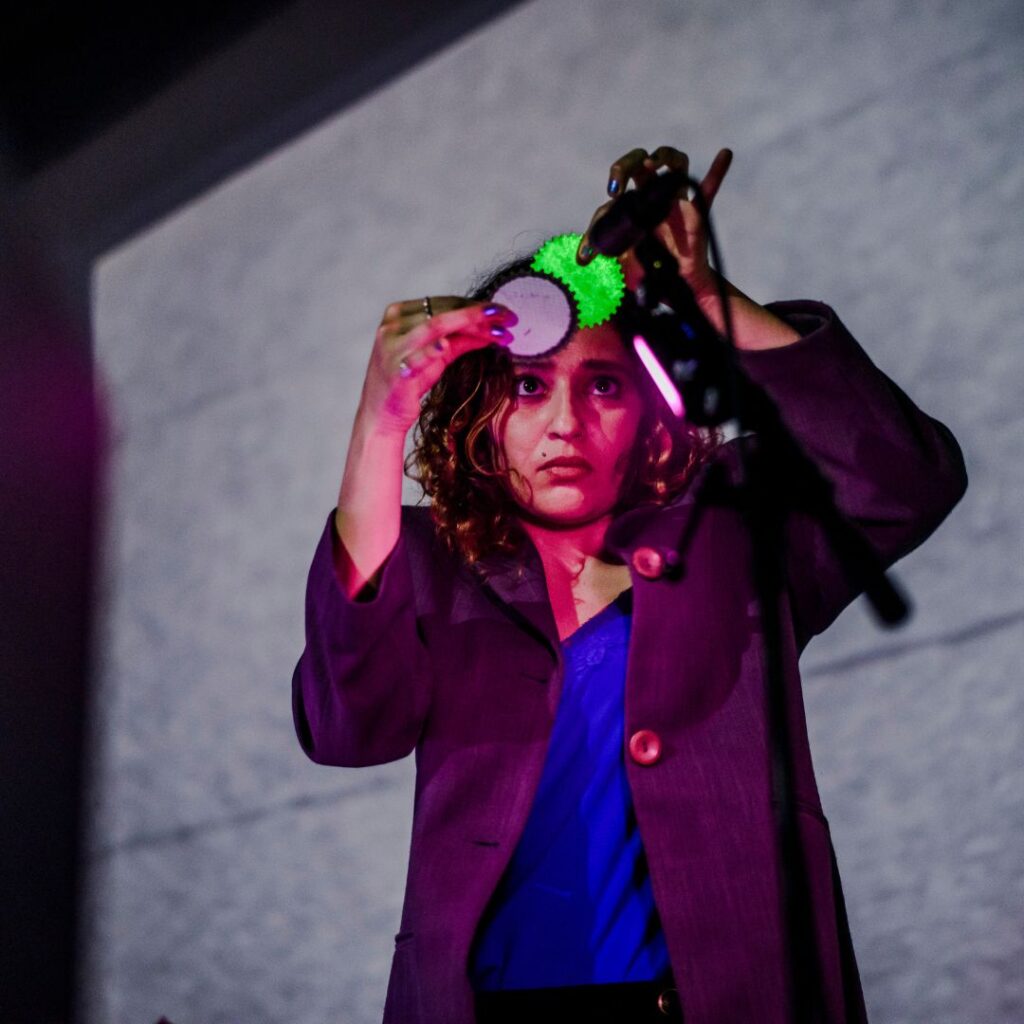
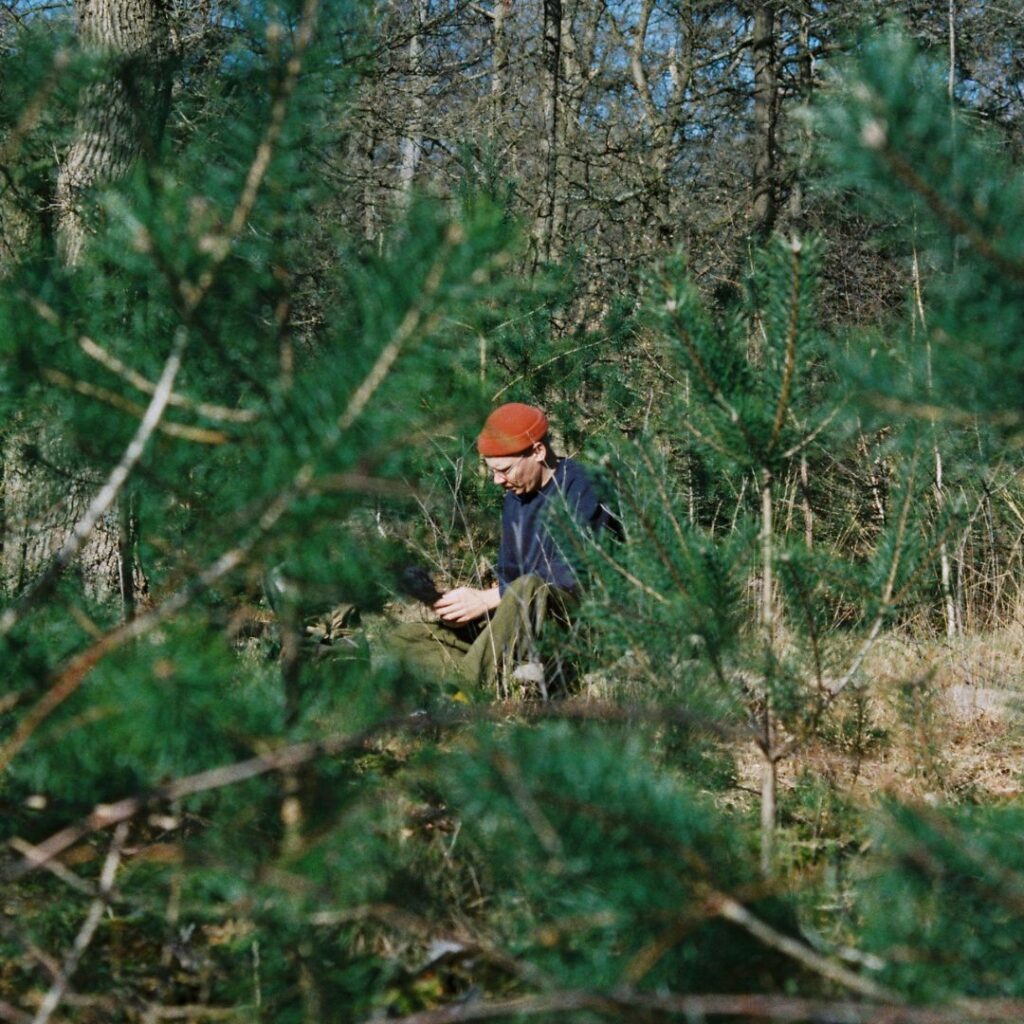
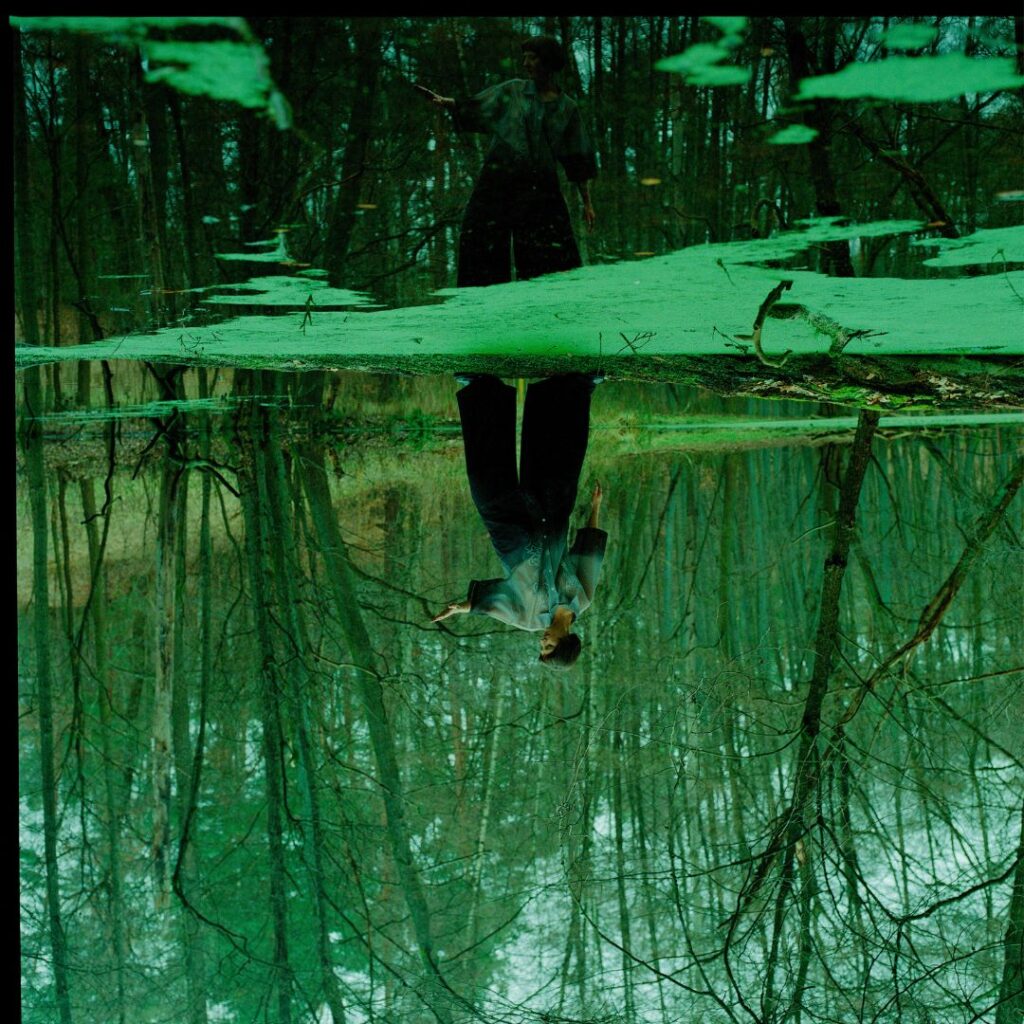
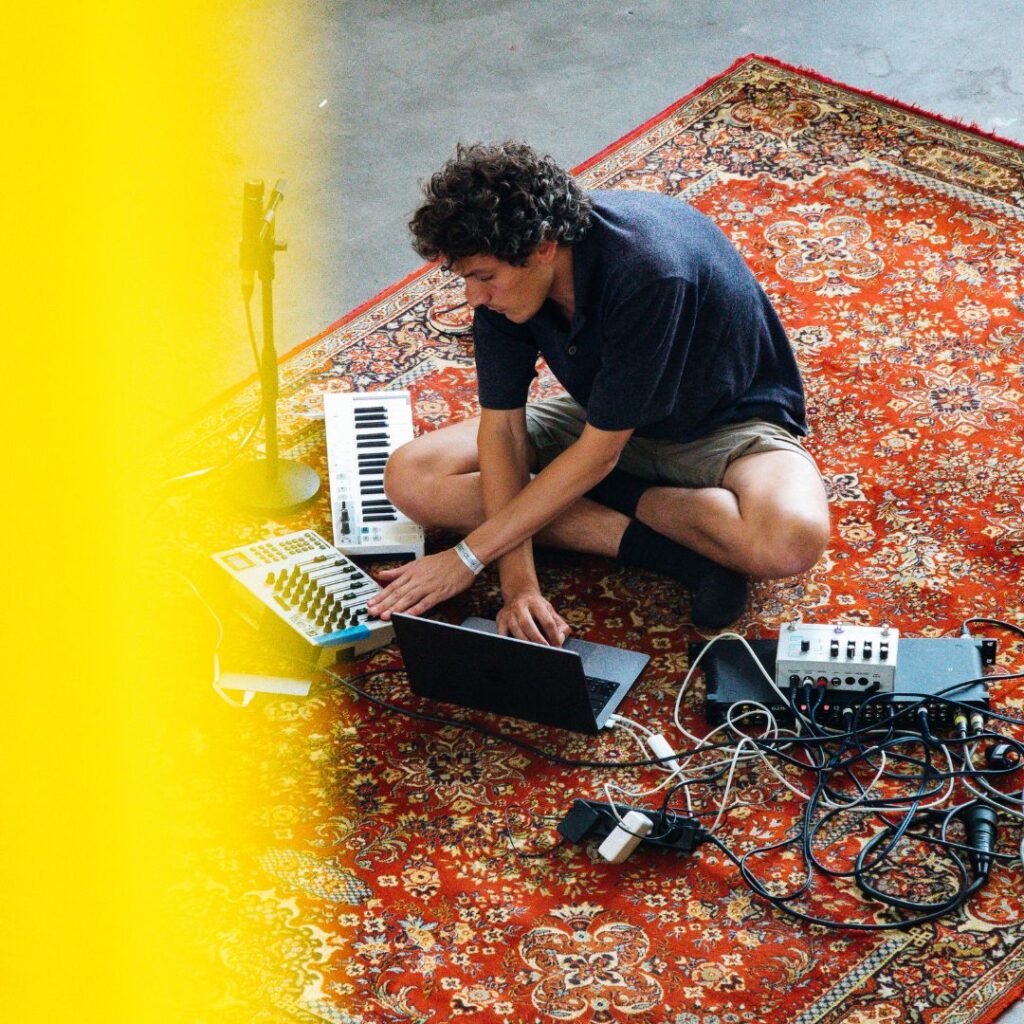
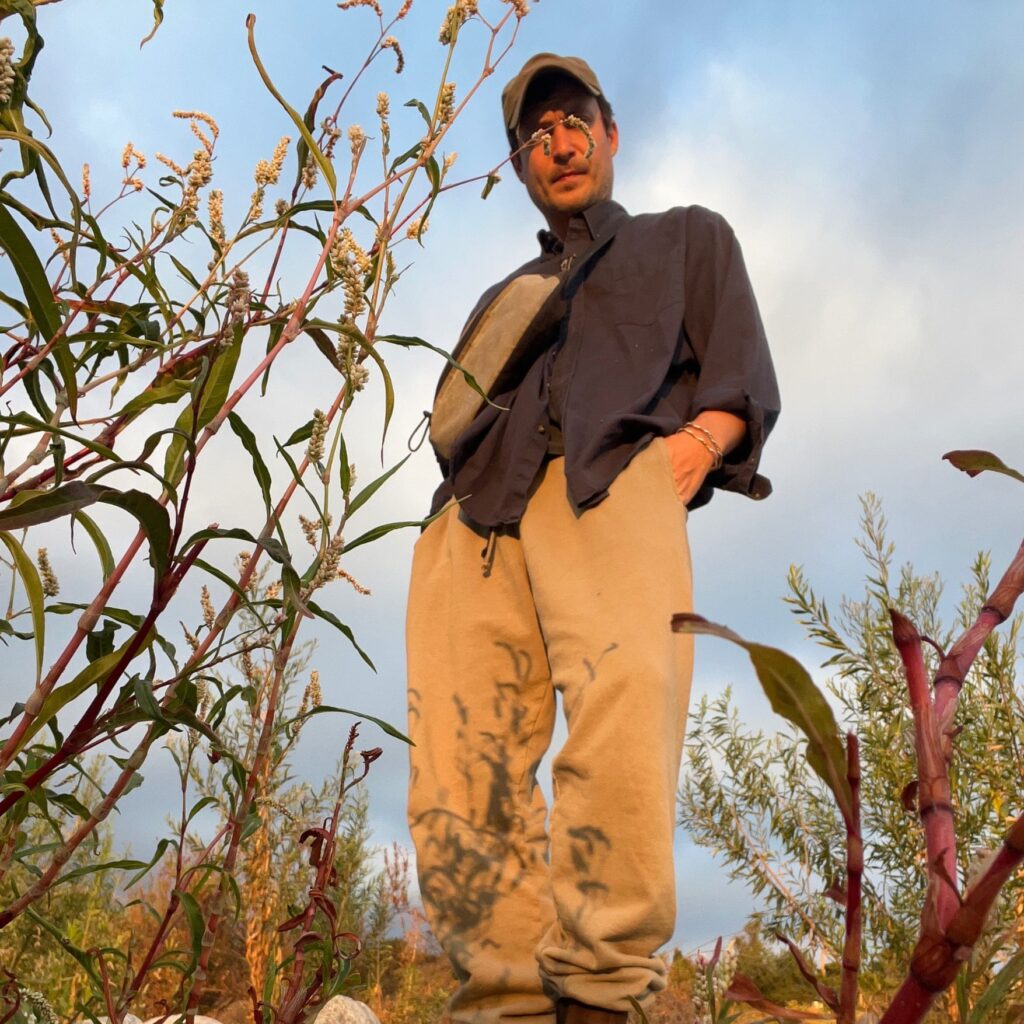
There’s something in the way Mona Steinwidder works that remains deliberately open.
Working as Museum Of No Art, she moves between sound, installation, sculpture, and performance in a practice that sits somewhere in between: between solitude and exchange, impulse and reflection. For her, making is less about arriving at a fixed form than responding to an open-ended question. Meaning is never entirely stable in her work. It shifts with space, context, and attention, leaving room for interpretation, ambiguity, and association.
As she reflects on her process and practice, she touches on its fragmented quality, on atmosphere and gesture, and on the liberating potential of music to help us let go of the tangible.
Where does the name Museum of No Art come from?
The name “Museum of No Art” emerged in correspondence with a friend, when we started creating acronyms from our names in the signatures of our letters.
I appreciate both the personal origin and the ambivalence it carries. The negation prevents a fixed categorization, while opening a space for experimentation, new perspectives, and playing with expectations.
For me, “No Art” doesn’t mean “no art”. It is more about constantly questioning what art can be.
Do you see Museum of No Art as a character, a methodology, or simply a container for your work?
Museum of No Art is less a fixed thing than a flexible concept. It is simultaneously a kind of character, embodying a certain attitude or mood, and a methodological approach that allows experimentation, improvisation, and crossing boundaries. At the same time, it serves as a container for my diverse works—music, sound installations, visual experiments—without forcing them into a single category. It’s a mix of character, method, and container all at once.
How do your sound and visual practices intersect, and where do they remain separate?
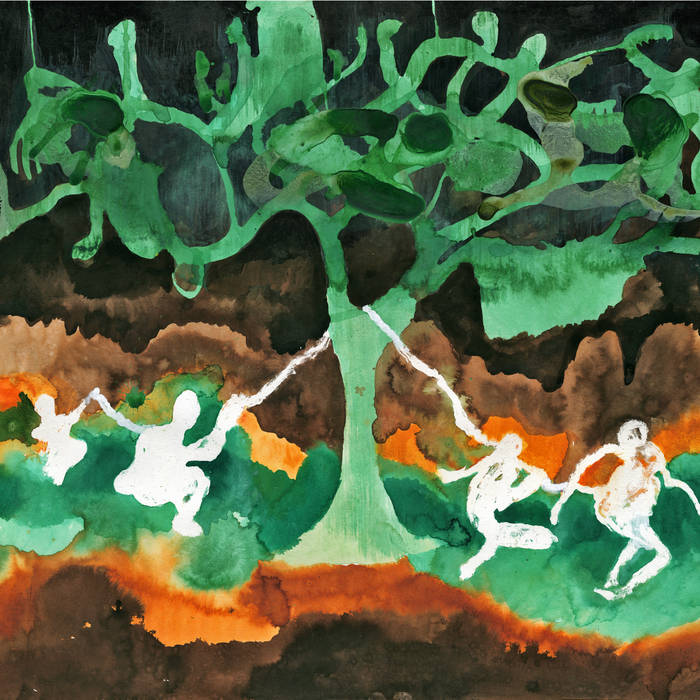
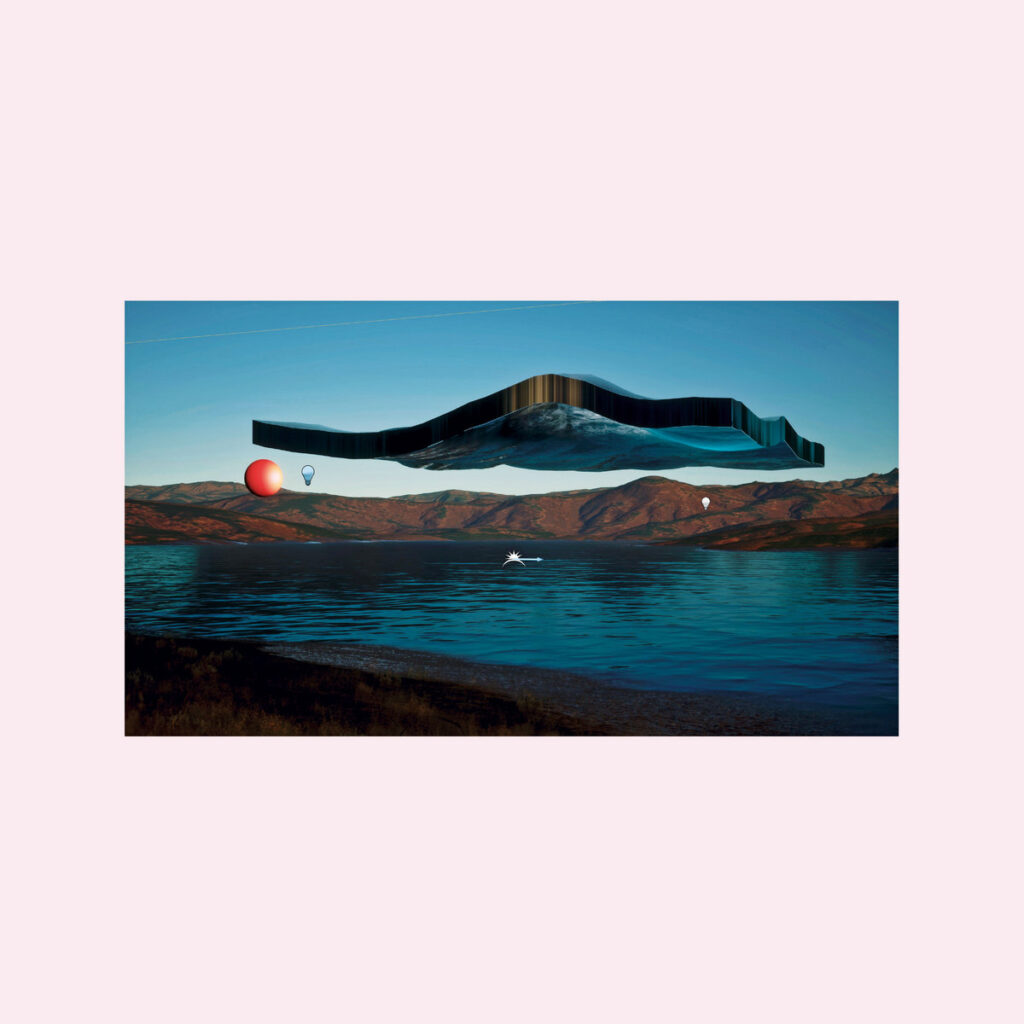
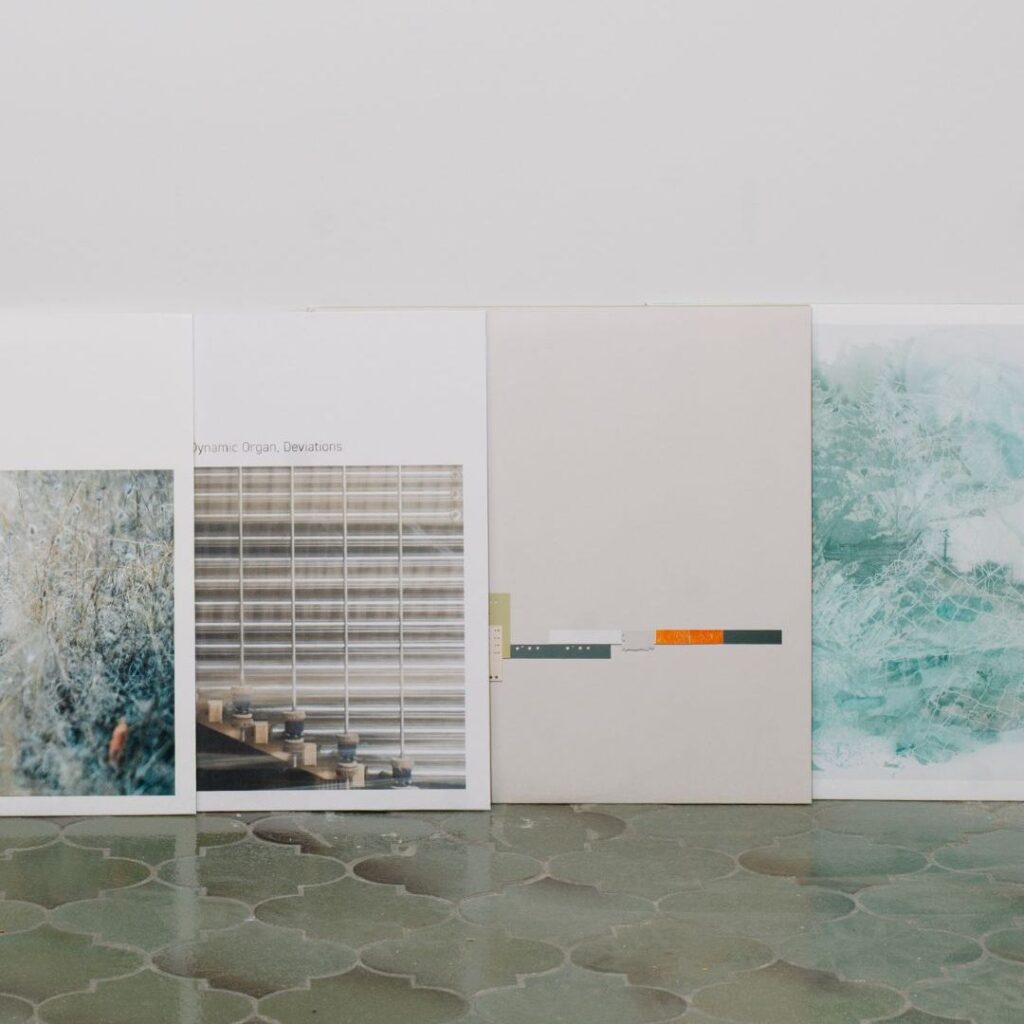
I see myself as a very visually oriented person. Music gives me the chance to let go of all things tangible, which I find liberating, so it often stands fully on its own. At the same time, I love letting it communicate with other forms: painting, performance, light, space, or text. It is about exchange and creating connections, which can open entirely new perspectives. For example, an album cover feels like a portrait, or a translation of the music into a visual form.
Your music seems to draw out the poetry and beauty in everyday details, while also moving into a more fantastical realm. Would you describe your outlook as optimistic, escapist, or something else entirely?
That’s a difficult question. I need music to be able to exist in this world. It is both a refuge and a way to reconnect with it. It is my best friend when I want to be alone. At the same time, it opens up space for imagination and connection. Music is both a retreat and a bridge. It carries me, while also bringing me back into the world.
Is there a particular feeling, mood, or state of mind you’re drawn to when making music?
I’m drawn to confronting myself: Where am I right now? Who am I? How do I feel today? Often, while playing and developing my pieces, I fall into a kind of trance that can be very meditative. At the same time, I’m attracted to playing with sounds, exploring what I hear, shaping it into a personal form, surprising myself, and enjoying the interplay between sound, space, and time.
You often work with language across your visual and sonic practice. Do you see your music as a form of storytelling, or as something more open-ended?
Right now, I’m more interested in the voice itself than in language. I increasingly use language as an ingredient, as a fragment, and I don’t want it to be at the center of my music. I think of it more as a trace of thought or a clue.
I see my music less as linear storytelling and more as atmosphere, gesture, and emotional resonance. Narrative elements can appear, but they remain fragmentary, open to interpretation, and flow into the soundscape, leaving space for the listener’s own experience.
Staying with voice for a moment, it often feels central to your work alongside the clarinet. How have they each found their place in your work?
In the past three years, the clarinet has almost replaced my own voice in my solo project. It has given me the freedom to create a more open, abstract space with the same gestures a voice can give.
At the same time, the voice has become an object of research for me. In project-based work, I dedicate myself to it fully, exploring, in particular, how to work with other voices to reflect on identity, collectivity, and connection, and to experiment together as a choir. I translate this research into performance, sound installation, or workshop formats.
How much of your process is intuitive, and how much is deliberate or planned?
My process usually starts very intuitively. I follow a sound, a feeling, or an inner impulse without knowing exactly where it will lead. Only afterwards does a more conscious structure begin to emerge, like a kind of condensation or ordering of what has appeared. Planning is less a starting point for me than a way of taking the intuitive seriously and giving it form.
You often shift between working alone and working with others. What changes for you between those two modes?
When I make music alone, I feel a great sense of freedom. I can follow impulses and make decisions directly, without negotiation. It allows me to pursue an idea with focus and consistency, and at my own pace.
Collaborations give me access to perspectives and ways of thinking outside my own system. They bring friction, surprise, and sometimes resistance, and that often generates something entirely new. You have to listen, respond, and make space, which inevitably changes your own approach.
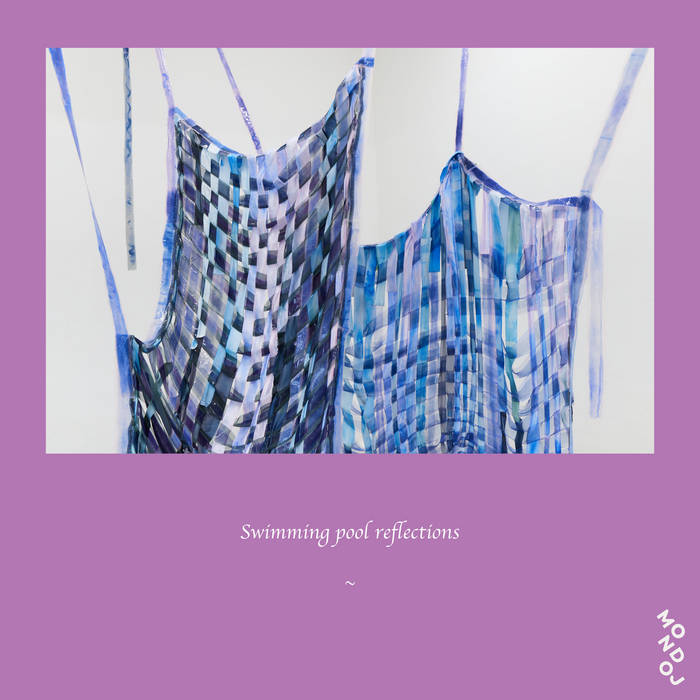
My most recent release, Swimming Pool Reflections, was a collaboration with Mitko Mitkov. We’ve known each other since art school and have been working together on and off for years. He writes texts that I really admire, and I find it very natural to connect to them musically. In this case, it almost felt like a simultaneous translation into sound, running parallel to the texts as they unfold.
You’ve performed in a range of unconventional spaces. Are there particular environments that feel especially suited to your music, acoustically or conceptually?
Spaces change the way we listen. Acoustics always play a role, in how a room carries, dampens, or reflects sound, but the conceptual context is equally important.
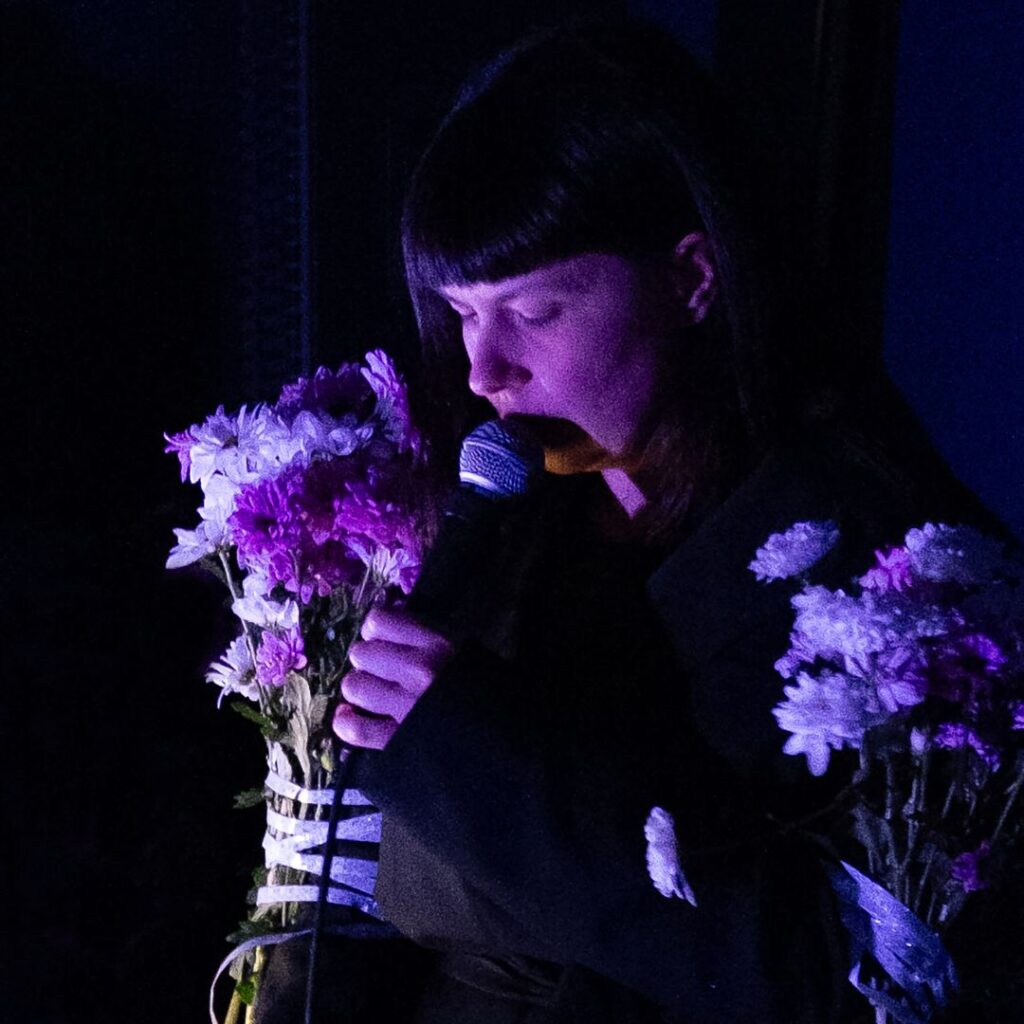
A particularly fulfilling experience was my Wake Up concept at the Minimal Music Festival in Amsterdam, where I performed for a sleeping audience. It was unusual and delicate, and playing for people in such a vulnerable state profoundly shifted my sense of attention, intimacy, and responsibility.
Do you feel your music changes meaning depending on where it’s heard?
Yes, constantly. Everyone hears something different, often in very irrational ways. Spaces, audiences, and contexts act like additional band members, and they have a significant influence on a live performance. In general, I feel my music finds a natural home in visual art contexts, where it can exist as part of a larger space rather than having to assert itself as a concert piece.
Is there a space or setting you haven’t worked in yet that you’d love to explore?
In a cave, near a rushing forest stream, or in a swimming hall for floating people. The last one would definitely be together with Mitko Mitkov.