Music for Tombak & Synth

32,00

only 4 left

about the record

Cinna Peyghamy unveils his debut album, fusing Persian tombak and modular synthesis while bridging heritage, technology, and personal identity.

The project, initiated in 2019 during Peyghamy's master's thesis research on contact microphones, was conceived as a means to reconnect with his Persian roots while exploring experimental sound design. On the album, Peyghamy seamlessly blends the traditional Persian tombak with modular synthesis and digital signal processing, creating a distinctive musical landscape that bridges live improvisation and studio production. The album’s genesis traces back to Peyghamy’s exploration of improvised electronic music and his desire to craft a performance-ready setup. Over several years, the project evolved from capturing the energy of his live shows into a fully composed studio work.

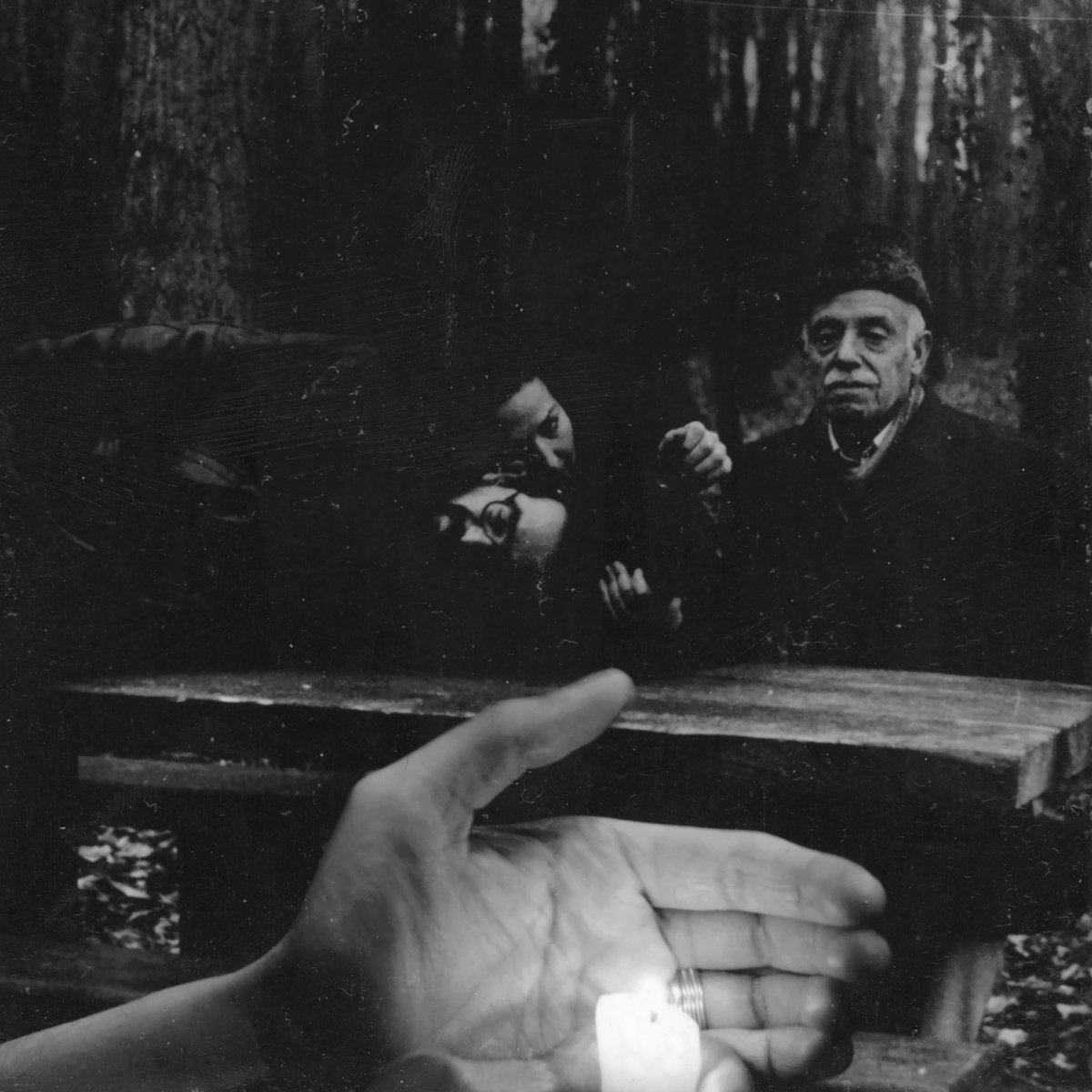
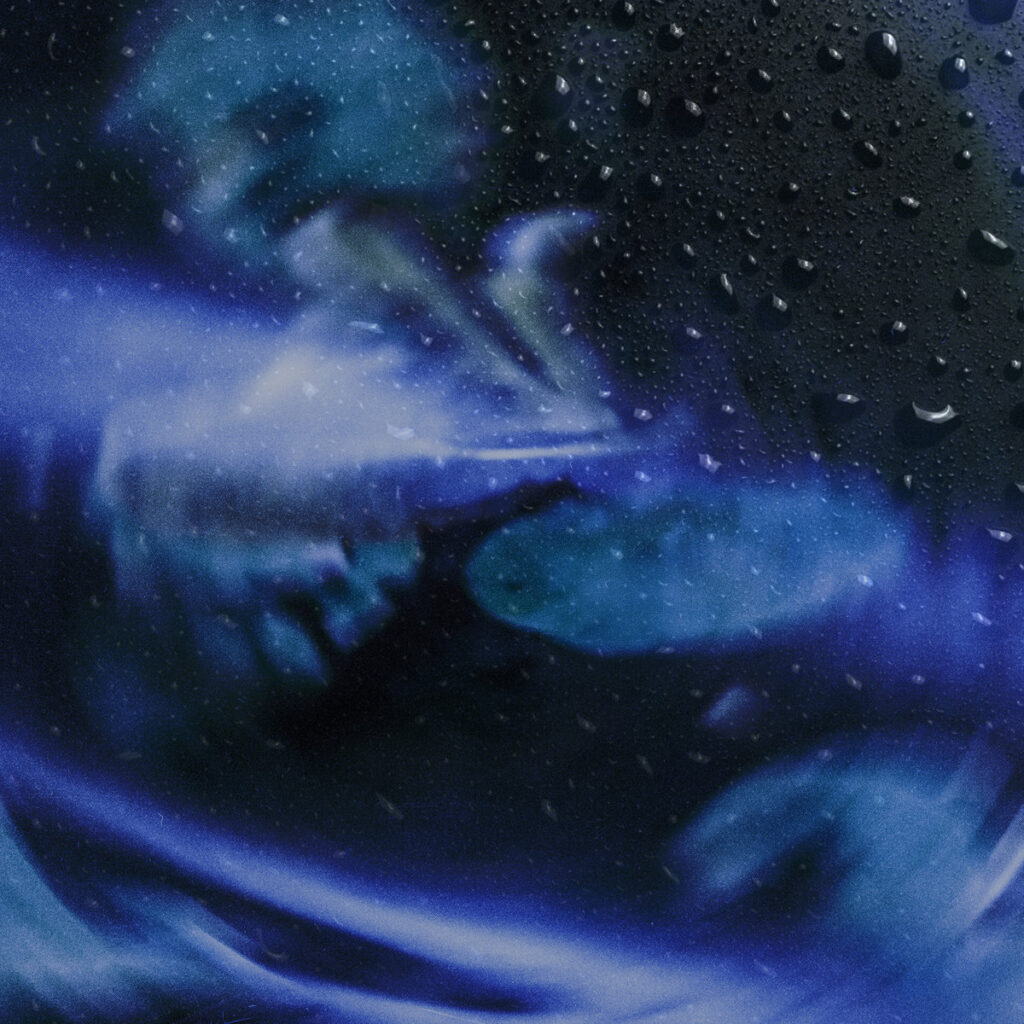
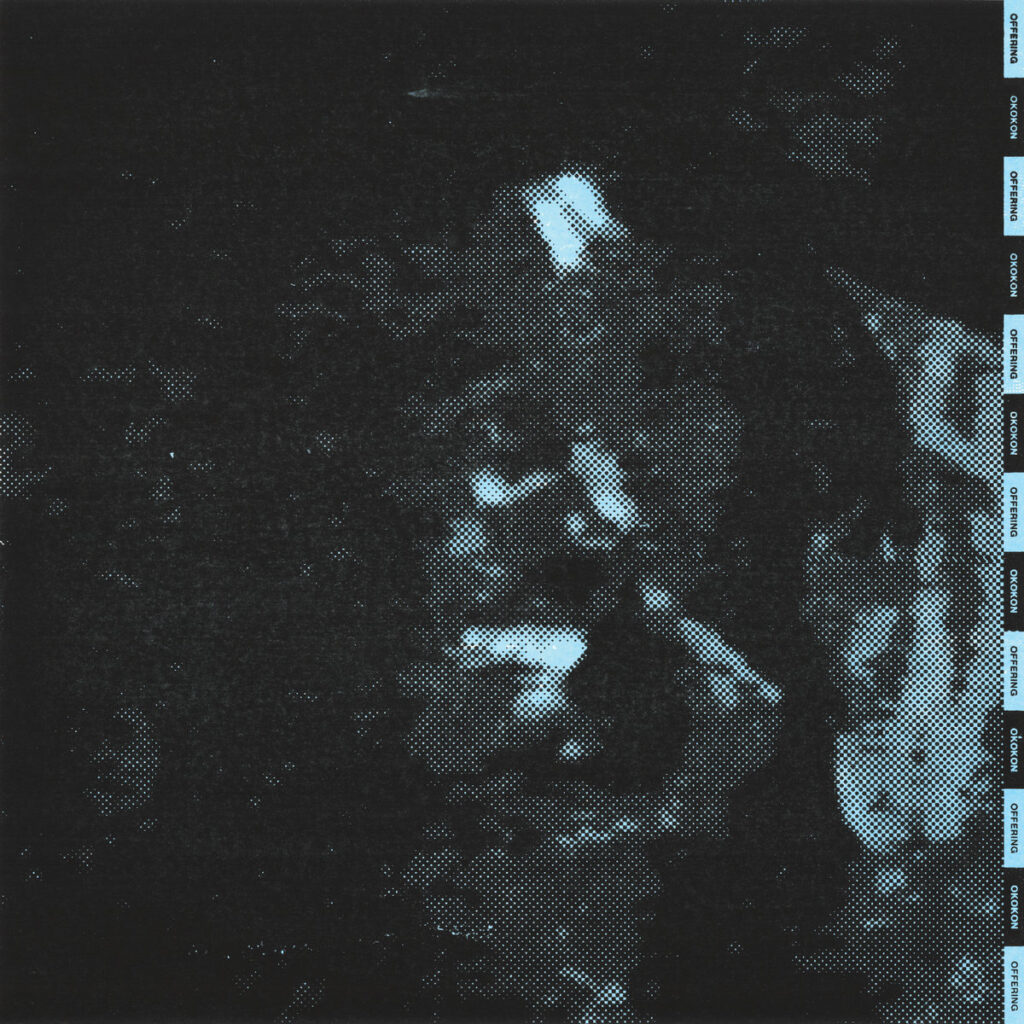
Music For Tombak & Synth stands as the first record where Peyghamy unites his dual identities as a live performer and studio producer, resulting in a body of work that reflects his deep connection to family, memory, and cultural heritage. The album features personal elements such as his father’s voice reciting the poetry of Ahmad Shamlo on the track Dar Shab در شب, collaborations with long-time friend Quelque Bourdon on clarinet, and the evocative sounds of the Persian setar, all anchored by the physicality and rhythms of the tombak. This sentiment is further reflected in the album cover, a photograph taken by his father, Khosrow ‘Payram’ Peyghamy, picturing both his parents and grandparents.

With this release, Peyghamy moves beyond conventional boundaries of "traditional versus contemporary" or "acoustic versus electronic," instead offering a nuanced exploration of identity through sound. Each track serves as a keepsake, referencing cherished memories, emotions, and musical influences that define his experience as a French-born artist of Iranian descent, unable to visit his home country. Music For Tombak & Synth invites listeners to engage with a deeply personal narrative, rooted in both cultural history and sonic innovation.


  1. 1 - Mutosy 05:54
  2. 2 - Zur زور 04:11
  3. 3 - Truth Is Possible 04:03
  4. 4 - Glass Teeth 94 04:49
  5. 5 - La Nesque 05:40
  6. 6 - Dar Shab در شب 05:13
  7. 7 - Divân دیوان 04:14
  8. 8 - Slow Eaters (ft Quelque Bourdon) 03:25
Music for Tombak & Synth

32,00

only 4 left

  1. 1 - Mutosy 05:54
  2. 2 - Zur زور 04:11
  3. 3 - Truth Is Possible 04:03
  4. 4 - Glass Teeth 94 04:49
  5. 5 - La Nesque 05:40
  6. 6 - Dar Shab در شب 05:13
  7. 7 - Divân دیوان 04:14
  8. 8 - Slow Eaters (ft Quelque Bourdon) 03:25

about the record

Cinna Peyghamy unveils his debut album, fusing Persian tombak and modular synthesis while bridging heritage, technology, and personal identity.

The project, initiated in 2019 during Peyghamy's master's thesis research on contact microphones, was conceived as a means to reconnect with his Persian roots while exploring experimental sound design. On the album, Peyghamy seamlessly blends the traditional Persian tombak with modular synthesis and digital signal processing, creating a distinctive musical landscape that bridges live improvisation and studio production. The album’s genesis traces back to Peyghamy’s exploration of improvised electronic music and his desire to craft a performance-ready setup. Over several years, the project evolved from capturing the energy of his live shows into a fully composed studio work.

Music For Tombak & Synth stands as the first record where Peyghamy unites his dual identities as a live performer and studio producer, resulting in a body of work that reflects his deep connection to family, memory, and cultural heritage. The album features personal elements such as his father’s voice reciting the poetry of Ahmad Shamlo on the track Dar Shab در شب, collaborations with long-time friend Quelque Bourdon on clarinet, and the evocative sounds of the Persian setar, all anchored by the physicality and rhythms of the tombak. This sentiment is further reflected in the album cover, a photograph taken by his father, Khosrow ‘Payram’ Peyghamy, picturing both his parents and grandparents.

With this release, Peyghamy moves beyond conventional boundaries of "traditional versus contemporary" or "acoustic versus electronic," instead offering a nuanced exploration of identity through sound. Each track serves as a keepsake, referencing cherished memories, emotions, and musical influences that define his experience as a French-born artist of Iranian descent, unable to visit his home country. Music For Tombak & Synth invites listeners to engage with a deeply personal narrative, rooted in both cultural history and sonic innovation.

fits in the mood

more by Other People

see more

sign up to our newsletter

follow along for new arrivals, upcoming events, and the occasional rumination.