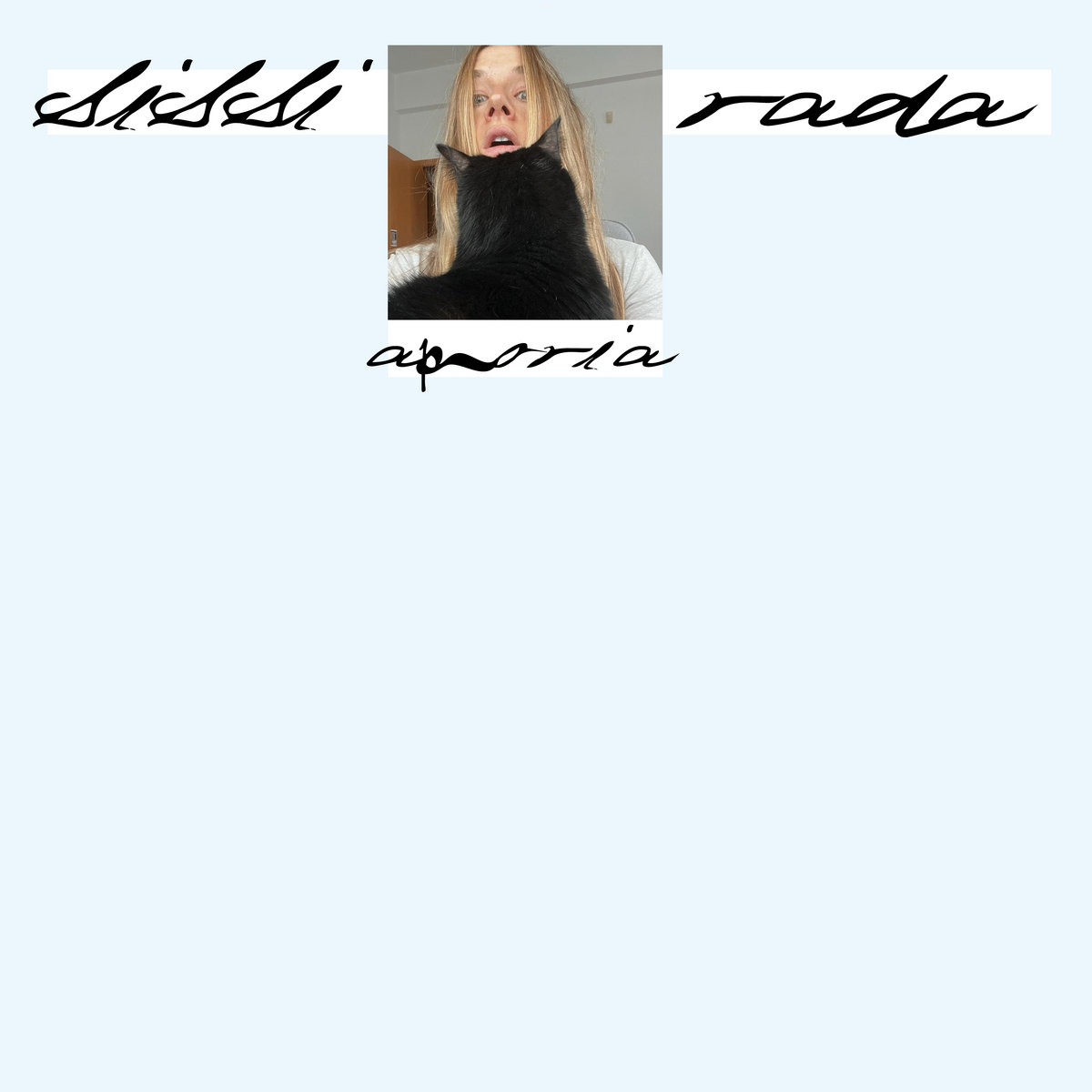
Roland Barthes, in his 1982 book Structuralism and After, suggests that a diary, instead of presenting its writer with the question “Who am I?” actually declares a far more droll question: “Am I?” It is this question, this unusual dry amusement provoked by the absurd habit of keeping notes, setting milestones, and authorizing canons in a process such as human life — which in reality is based on the randomness of nature — that harpist, composer, and singer-songwriter Sissi Makropoulou, also known as Sissi Rada, encapsulates in the title of Aporia, a Greek word that could be translated as “wonder.” And it is this exact process, this “ritual de lo habitual,” that manifests inconspicuously throughout the ten beautiful songs that Sissi offers on this album.
Her lyrics, nine out of ten in her native Greek language, are humble manifestations of the miracle of life, the troubles of love, and the thoughts that span through a human mind while performing simple tasks. Educated by her love and natural inclination to poetry, they read like small vignettes or marginalia notes in a diary that is in constant flux.
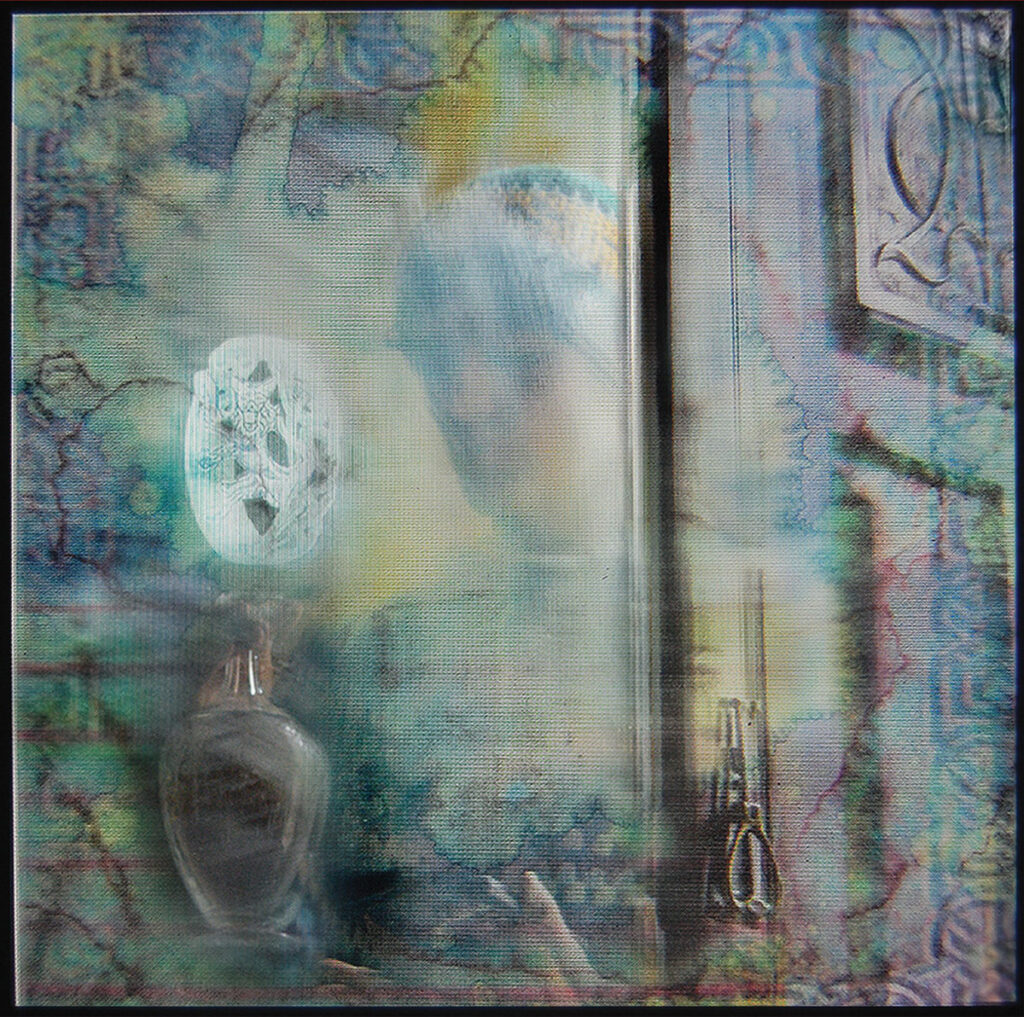
Recorded, mixed, and produced by Sissi alone in her Athens home, using a harp, a Prophet synthesizer, and — first and foremost — her intimate and enchanting voice, Aporia stands out with its simplicity and familiarity, like a page from a diary shared with a blush and a witty smile.