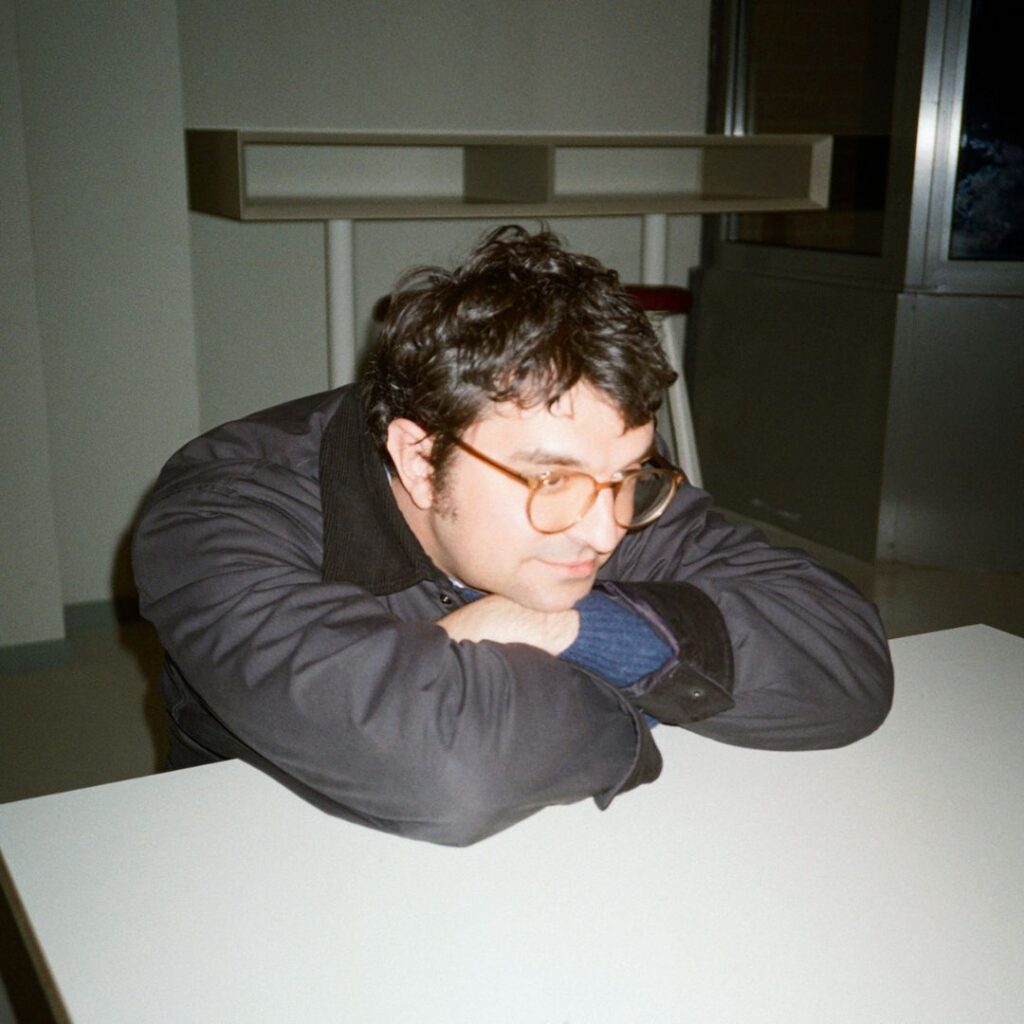
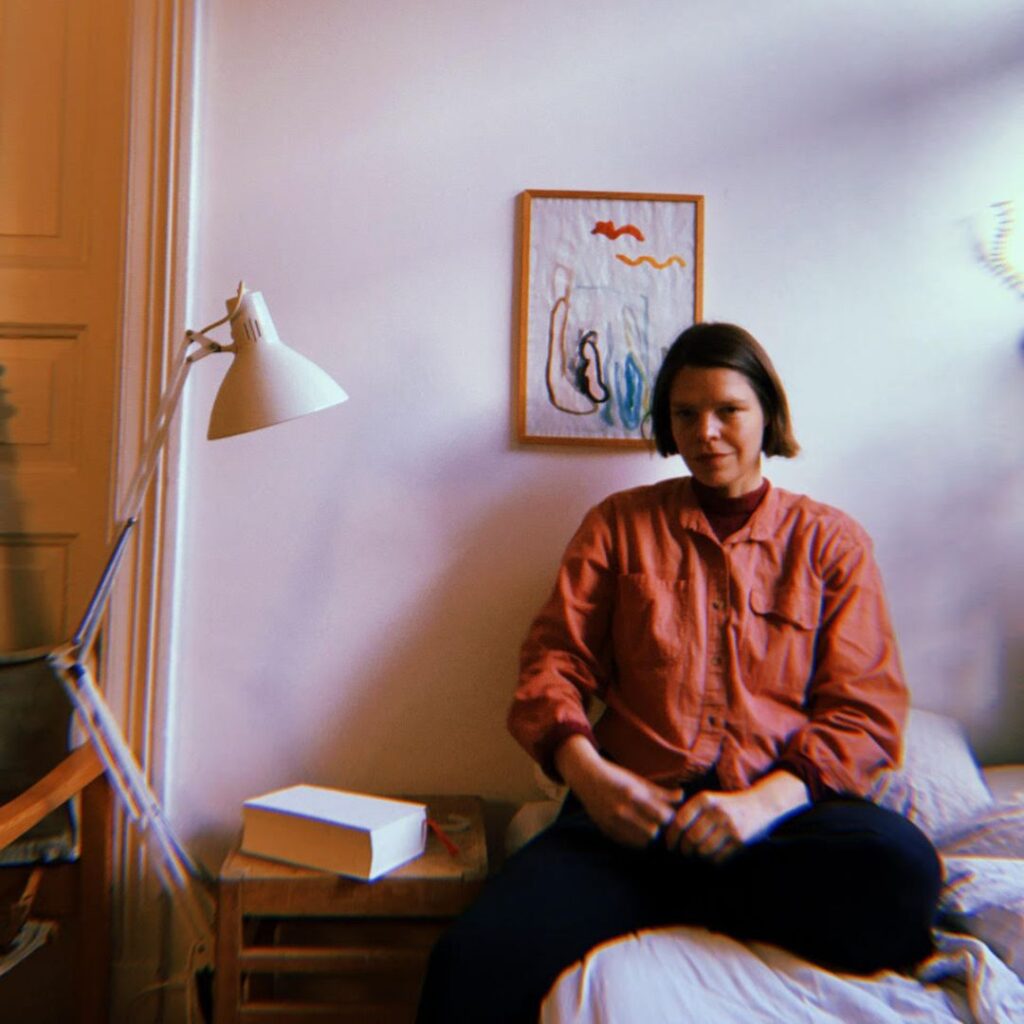
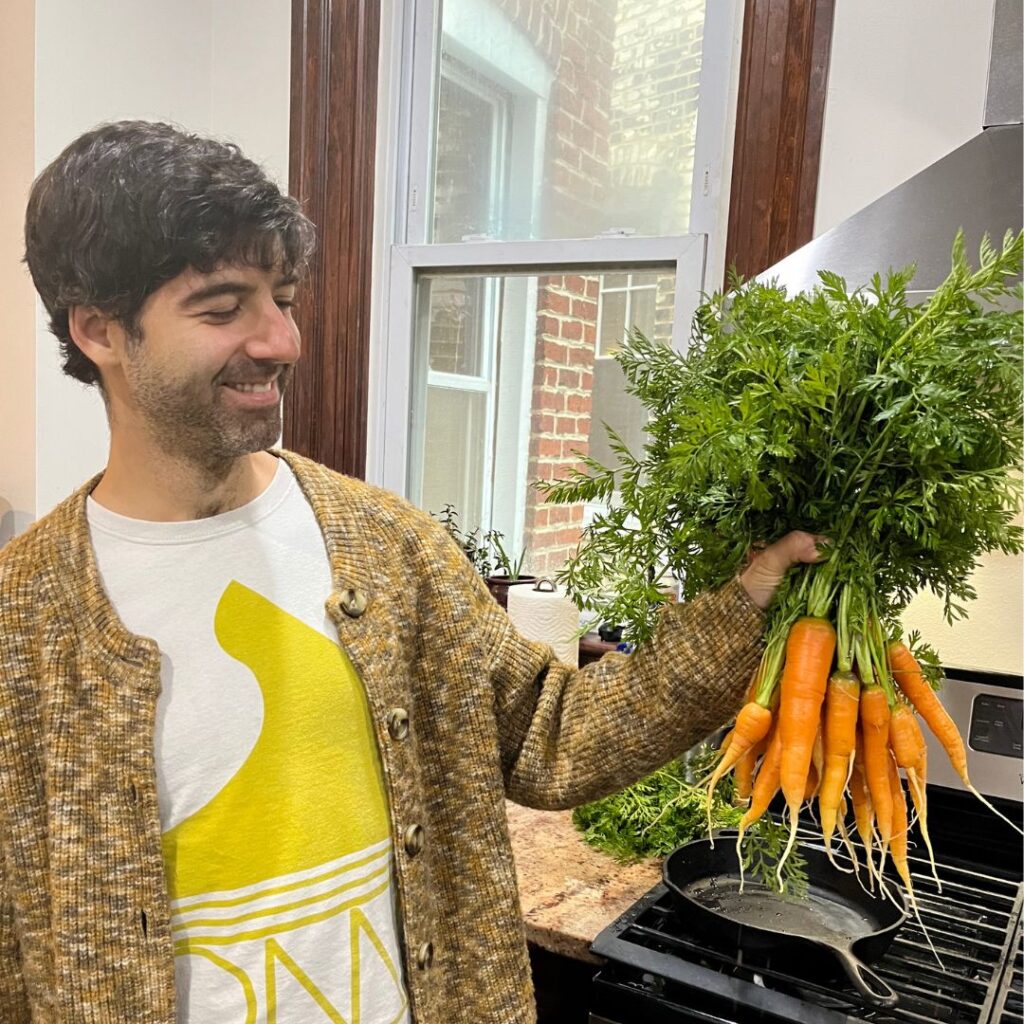
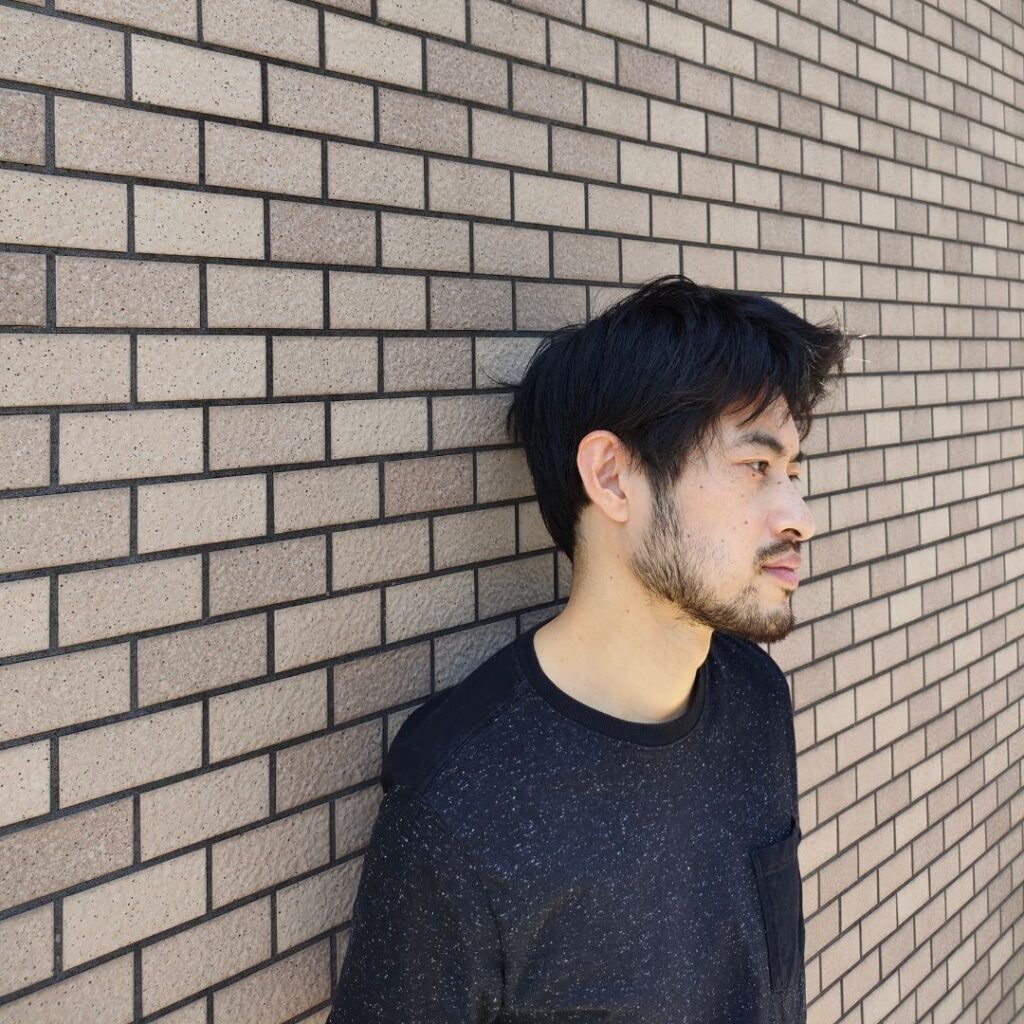
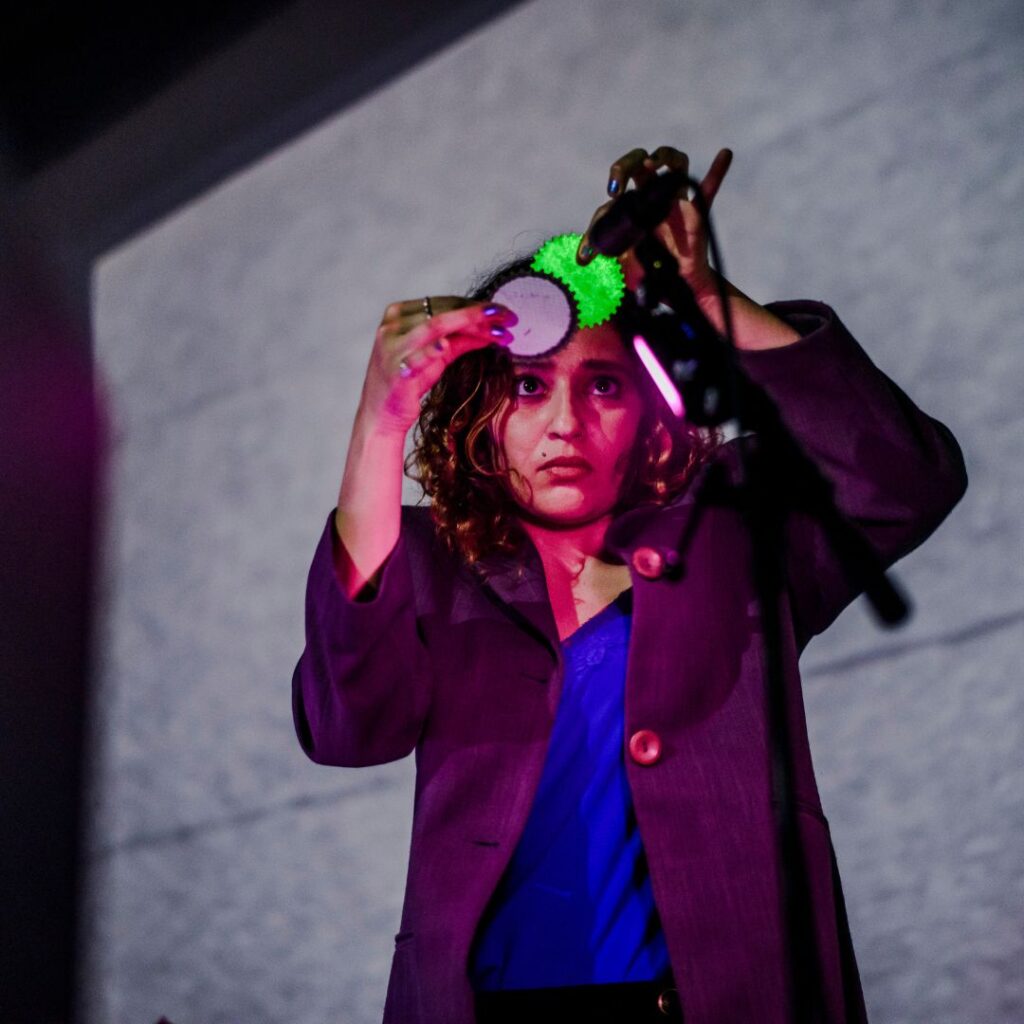
Artist and Bad Boy Jesus Tape Club founder Mitko Mikov has made a home in between forms and disciplines.
His practice is a collage of words, images, sound, and objects, bringing fragments of ideas together while challenging form and linguistic conventions. Humor runs through much of his work, as does a deep desire to keep things open and accessible.
Talking with Mitko takes us in different directions, from translation and publishing to swimming pools and digital spaces. Across both his individual and collaborative practice, there is a sensitive, playful spirit and a tender attention to small moments of exchange and connection.
How would you describe your practice to someone coming across your work for the first time?
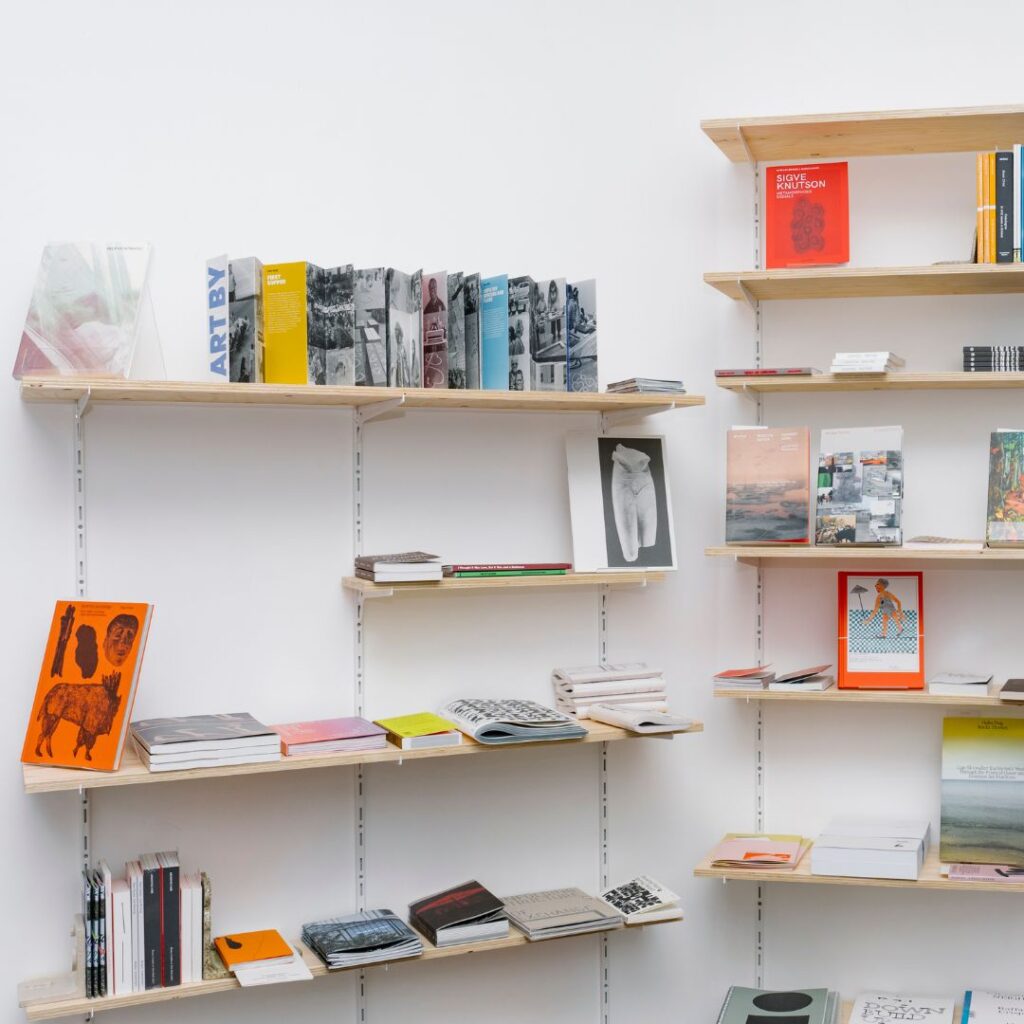
It’s a difficult question because I’ve sat on many different chairs. My background is in photography, and I’ve been self-publishing for the last 15 years. I had an artist book publishing project, and then started working with sound and objects.
I mostly work with words, images, and concepts, and then try to translate them into whatever form feels right for what I want to say. So maybe “translator” is also a good way to describe what I do.
What does translation mean within your practice?
I speak Bulgarian, German, and English, and they definitely mix in my head. At a certain point, I think I lost the ability to speak fluently in any one of them, even though I read a lot and am constantly looking through dictionaries.
I’m always trying to find a way of expressing something in one of those languages, and that’s become part of my artistic practice too.
I try not to translate things literally, but to capture a certain notion or idea. Every language has its own idioms and expressions that can’t really be translated, but you can understand what they mean and find another way to say it.
Do different languages give you access to different ways of thinking or expressing yourself? What draws you to working primarily in English?
I think I’ve taken a certain quality from each language. Bulgarian is quite ironic and sarcastic, with a kind of dark humor that I really enjoy. In German, you can combine words endlessly, one after another, and something funny or unexpected can sprout out of it. And I like that English has a certain simplicity.
I think all of that has found its way into how I work. I usually start with an expression before developing something longer from it, and then I reduce it. Usually, the finished draft is much shorter than what I began with. The relative straightforwardness of English works very well for me in that stage of the process.
What does the process of reducing look like for you?
It’s quite fluid. I try to find the right wording for what I want to say, and sometimes I break it down into a kind of poem, but not always.
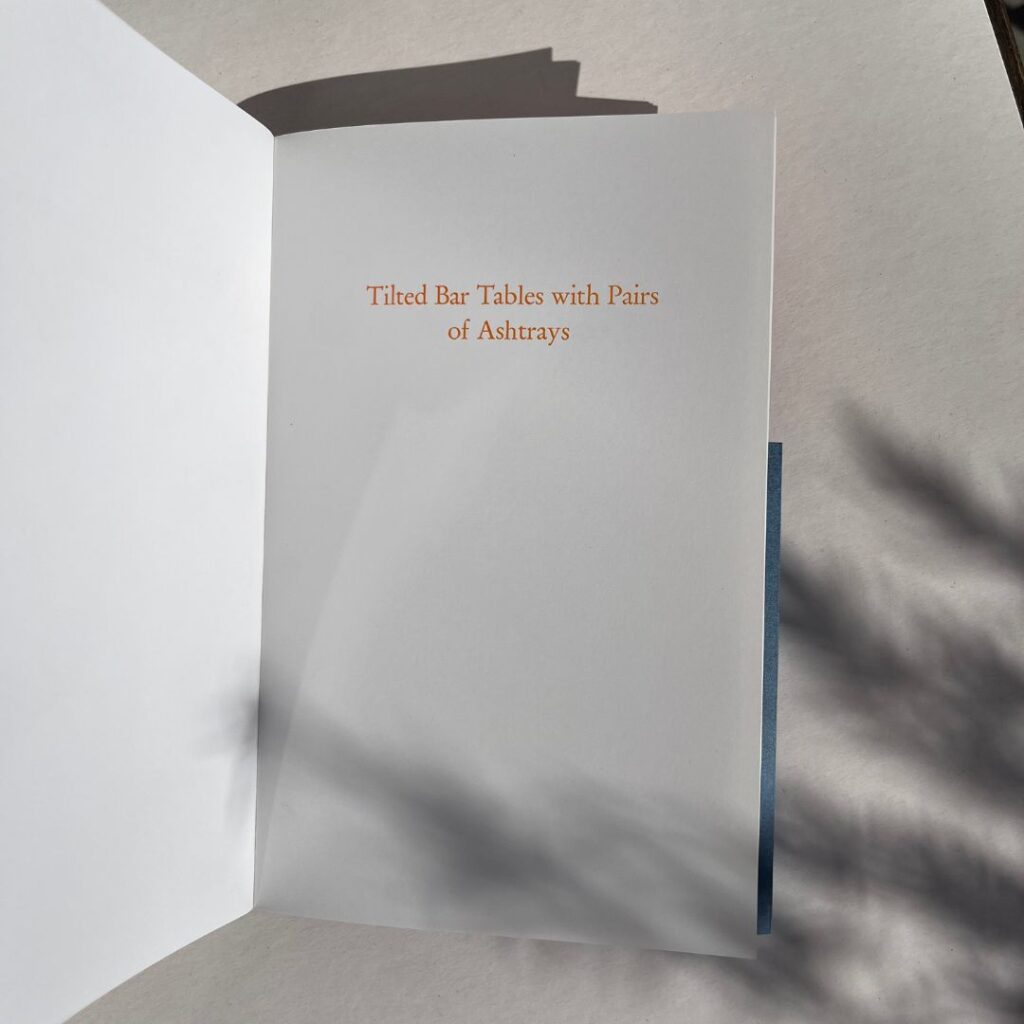
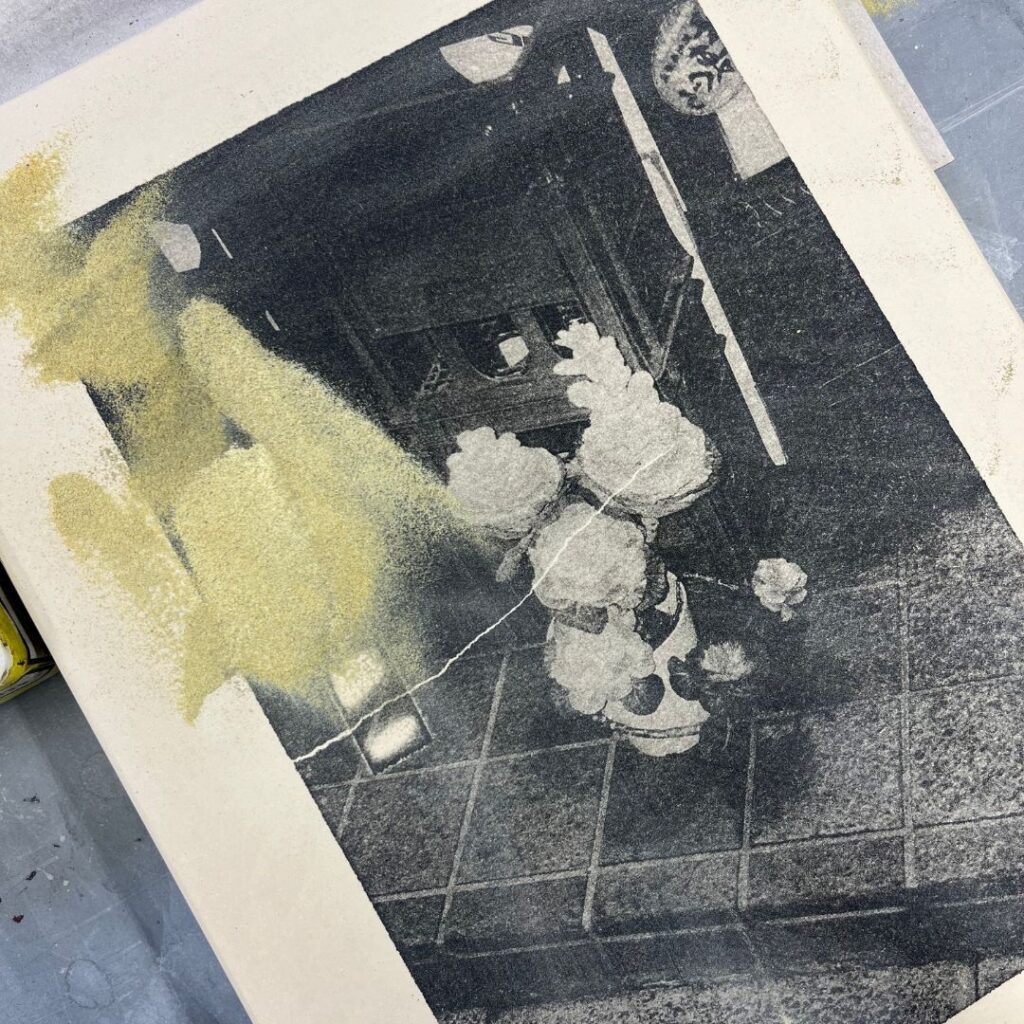
The texts are usually more like fragments than a real narrative. They’re often connected to a piece of sound or a video work, or I combine different things. Even when I make a book or a graphic work, I like to put in a sentence somewhere. It can be quite abstract, but it gives the work another layer.
How do you know when a text feels right?
Maybe when I laugh about it. When a text moves from being very personal to something recognizable, I’m hopeful that it’ll make someone else laugh too, or perhaps evoke some other kind of introspection.
Do you experience limitations to language, or things that sound, images and performance can express more effectively?
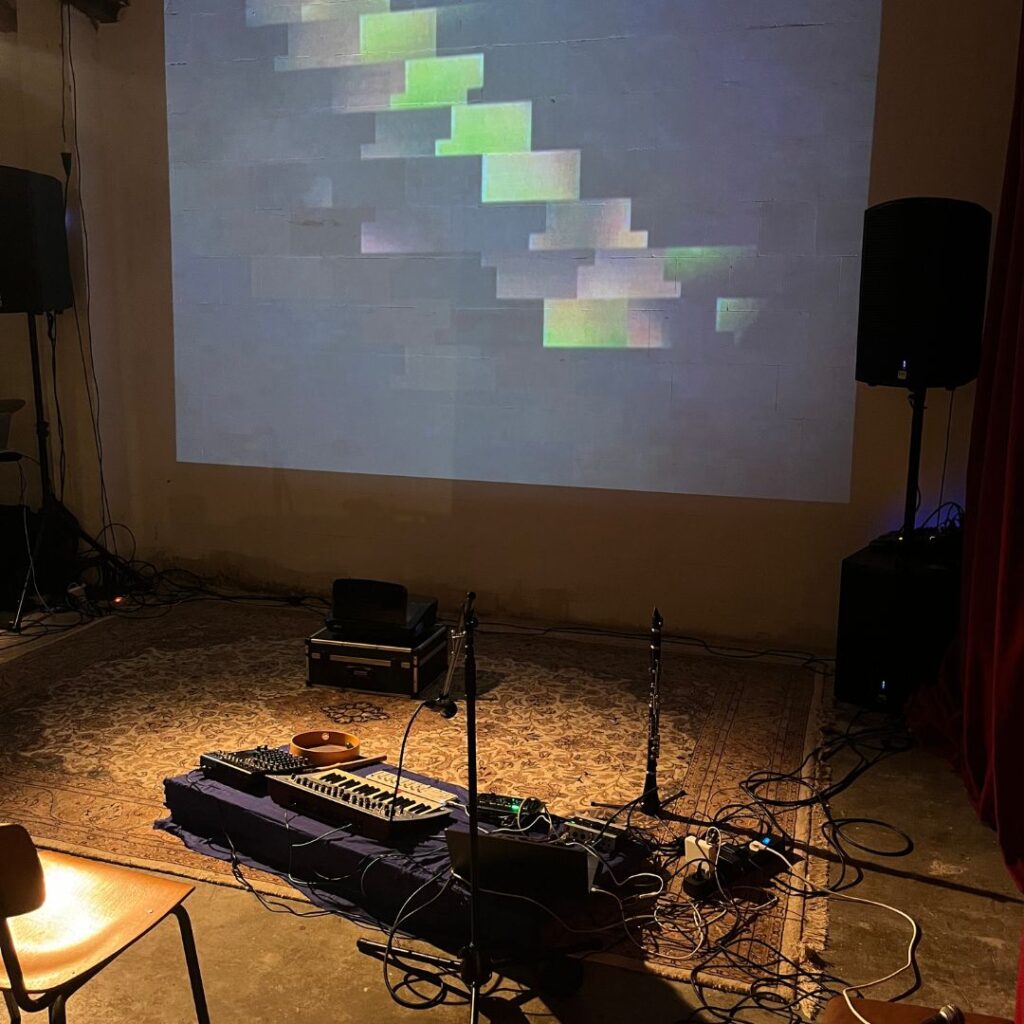
I think every form of expression has its own limitations. That’s why I like to combine things. You can get an extra layer of eeriness or weirdness with sound that you can’t necessarily express with words, and things can also take a different turn depending on the image or the context of the sound.
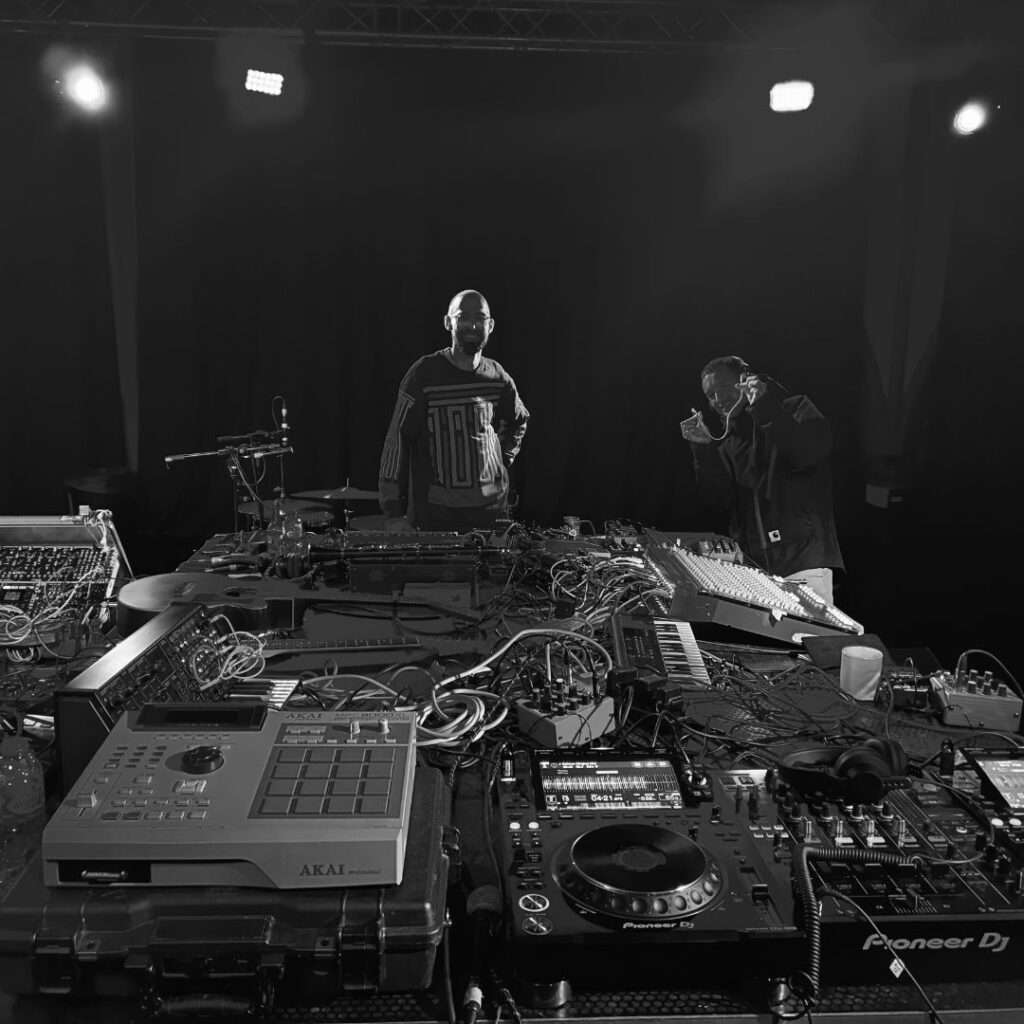
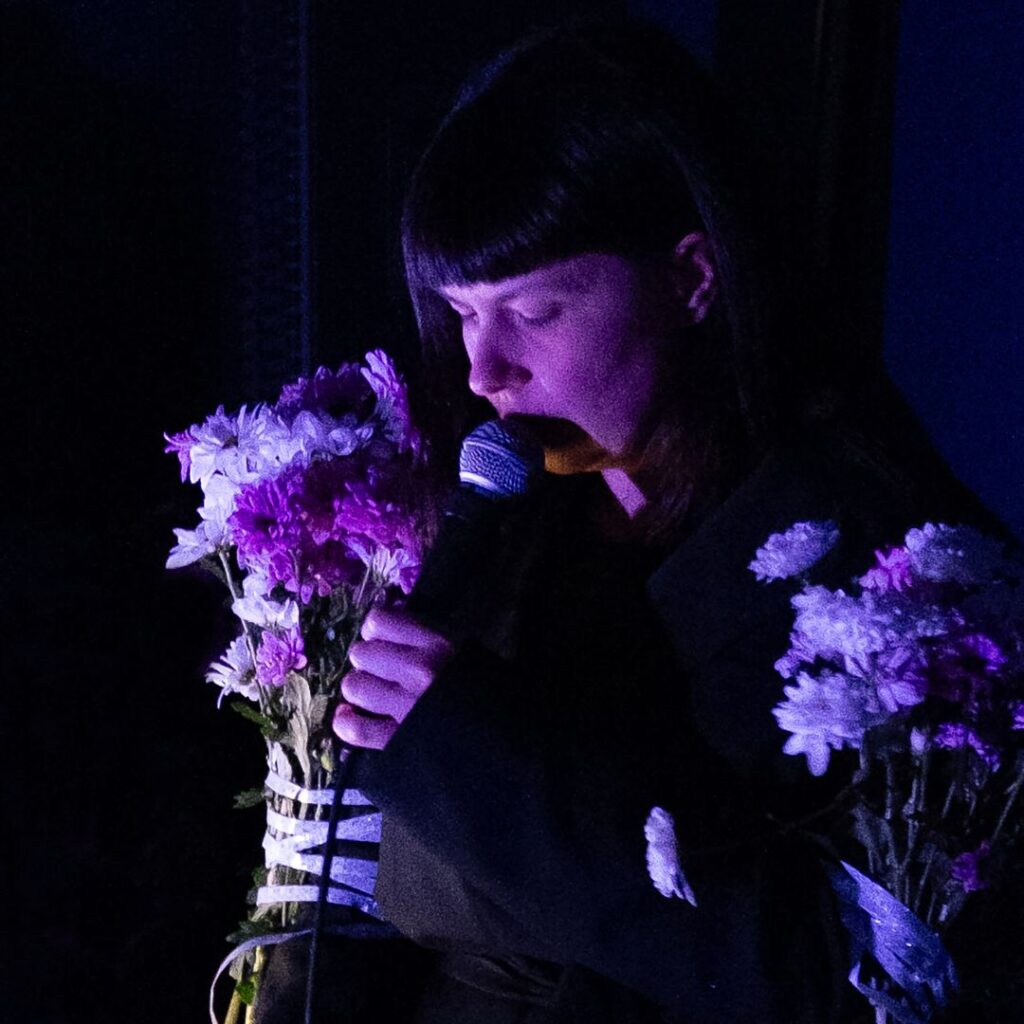
I also try to let part of the work out of my hands. For example, when I make records, I work collaboratively because I’m not a musician myself and I don’t play instruments. I might have a loose idea of how something should sound, but then I let others figure it out themselves.
Sometimes I’m surprised by what comes back because the color or feeling of the work is different from what I imagined. I think that’s really nice, because it’s all based on associations.
It’s interesting that you mention color. How does color relate to feeling for you?
I think it’s a nice way of describing feelings because it’s very difficult to describe a color. Everyone also sees them differently. It can be about warmth or coldness, or a whole spectrum of emotions you associate with a certain color.
I think it’s similar to language. If you only give a small fragment, you leave space for people to create the color around it.
Several of your projects exist in digital spaces, from social media to dedicated websites. What interests you about the internet as a space for presenting work?
I’m interested in creating inclusive and democratic spaces where anybody can participate. It’s important to me that they feel welcoming to outsiders, not only people who come from art or music worlds.
I like the idea that I can just take out my phone and send someone a link. I don’t have to explain the work too much. They can experience it on the subway, at work, on holiday, wherever they happen to be. In some ways, that was also the initial promise of the internet, before things got bad.
Your project Manual was built around “impossible instructions for dealing with a world falling apart.” Can you explain a bit more about that?
Initially, the project was published on Telegram, with a new instruction sent every morning for one month. I’m often drawn to anachronistic pieces of the everyday, something that doesn’t quite fit, or small details that feel out of place. The instructions were often slightly off in the same way. Something like “savoring the aftertaste of aftertaste” is such a silly idea, but there’s also this never-ending search or longing for a taste that is already gone, or perhaps was never there in the first place. Something you can never quite get a grip on. Basically, this weird little craving that can ruin your life.
The idea came from all these online communities where conspiracy theories circulate and people develop these alternative perspectives on everyday life. I wanted to work with that format, but also against it.
A lot of people told me they enjoyed receiving these messages with their morning coffee. It was this little piece of nonsense and laughter that interrupted the usual routine of waking up, having a coffee, reading the news, and becoming devastated about the world.
It’s refreshing to think about the importance of humor in that way.
Throughout all the disasters that happen and have always happened, people have used humor to deal with them.
I’m reading Candide by Voltaire at the moment. It’s this story about a good-hearted person going out into the world and experiencing all these devastating things. But Voltaire writes about the darkness of the world in such a funny, upbeat way. And you realize that, in some ways, nothing really changes. These things have always been happening. Humor can be a coping mechanism, and it’s also a way of connecting with other people.
That idea of connecting with other people also seems to come through in Bad Boy Jesus Tape Club. How did the label begin?
It’s a long story. I learned to swim quite late in life, and thought it would be funny to start a swimming club myself. It started initially as a joke, and was called The Bad Boy Jesus City Swimmers Club. I have a thing for silly names.
It’s based around the idea of an inclusive but imaginary entity. You can become a member, but you don’t have to swim. You don’t have to be religious, and you don’t have to be a man. Everything in the name is basically against the policy of the club.
There’s a membership where you can give me your email address and receive a newsletter. I started writing emails to the members, which were always a bit metaphorical and related to swimming, water, and so on.
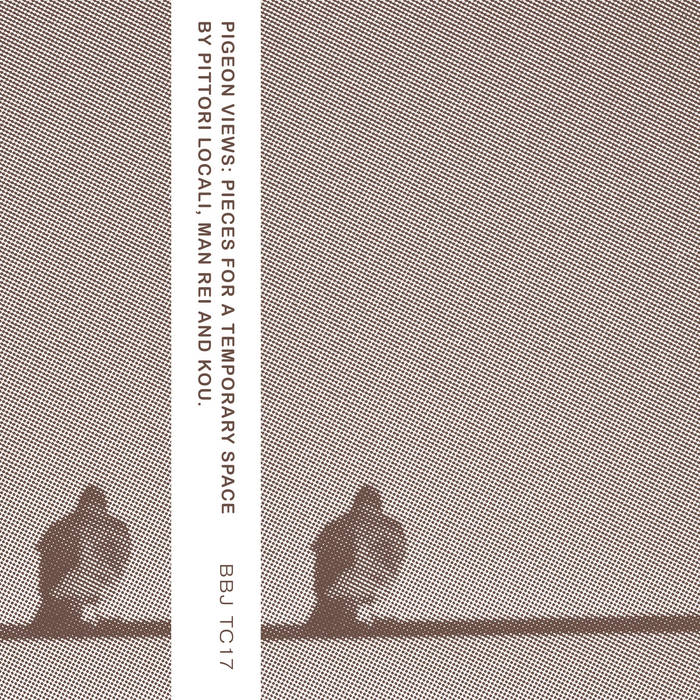
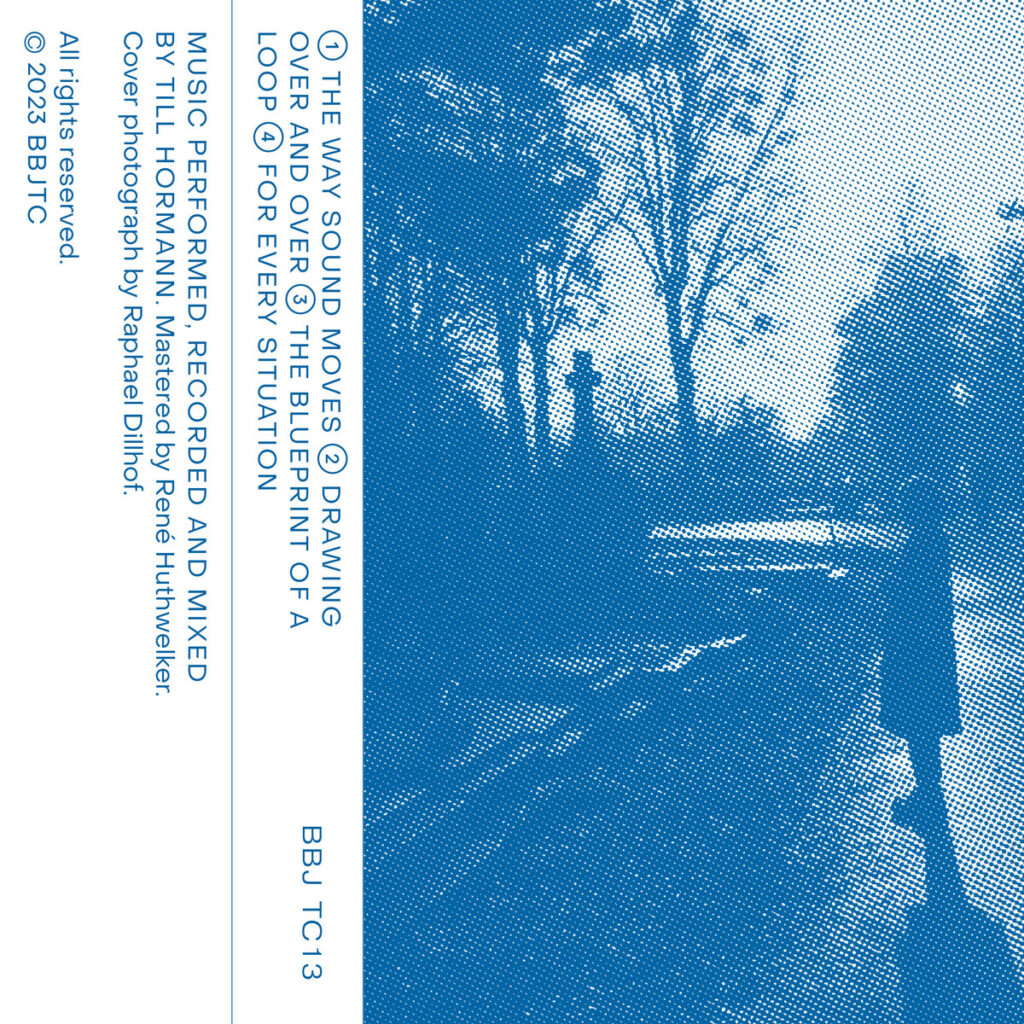
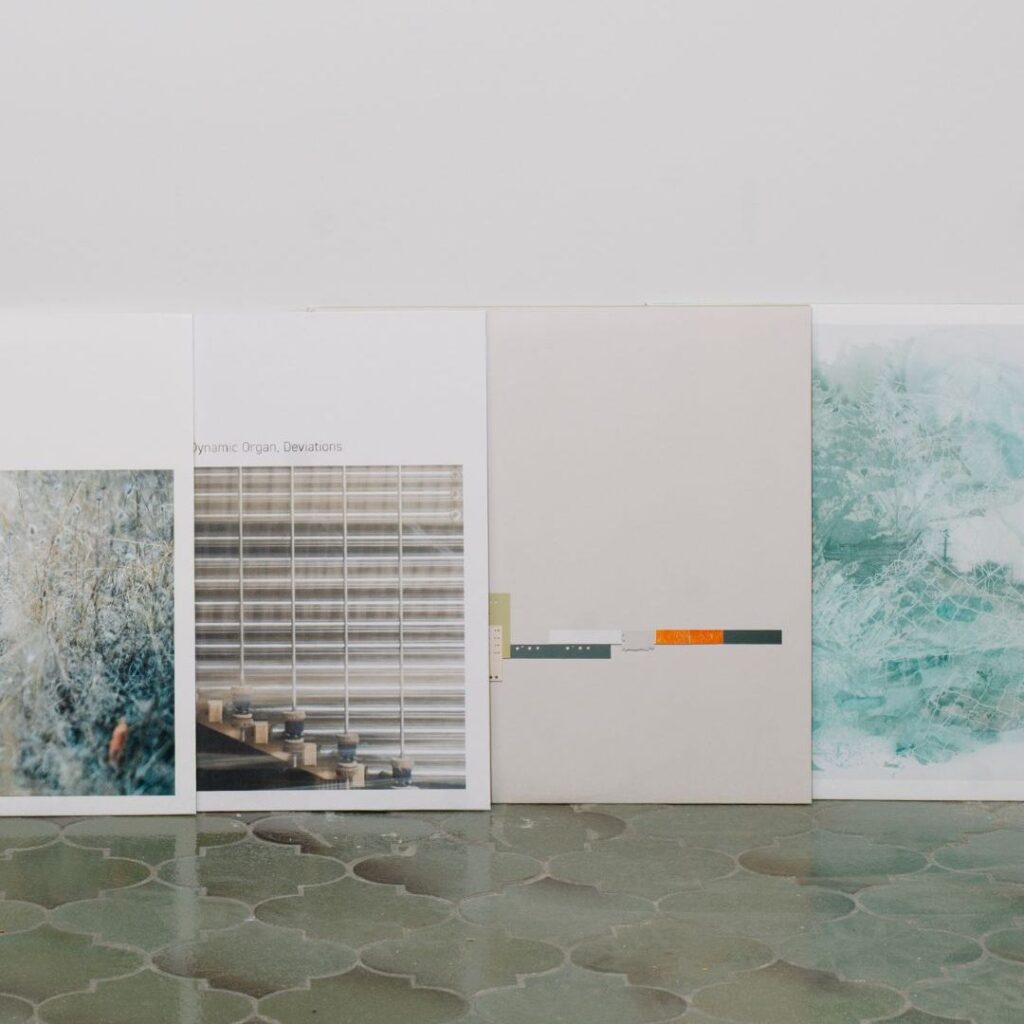
Bad Boy Jesus Tape Club is kind of a derivative of the swimming club. It also happened quite organically. Mona suggested doing a concert in Hamburg, and from there we made her first tape as Museum of No Art. Then, through working with institutions, friends, and other people, it gradually grew into various releases.
My idea is to keep doing these things for as long as they make sense to me and as long as they’re fun. I try to keep them light. There’s no label structure behind the Tape Club. It’s really just for the joy of collaborating with people and hopefully creating nice things together.
What does running a label give you that making your own artistic work doesn’t?
I think the music world is a bit more democratic, in a sense. It’s easier to get feedback from people and for people to encounter and respond to the things you release. Making art can be a much lonelier process. It often exists within a more limited circle of people.
Of course, both worlds have their limitations. Sometimes I think Bad Boy Jesus Tape Club is a bit too arty for the music world, while the sound work can feel like too much music for the art world. But as I said earlier, I always seem to end up somewhere in between. I guess that’s my destiny.
I think being in between can be an interesting position.
I think so too. There’s a certain freedom to it. I enjoy doing things on a small scale, but being able to do them in the way I want. That feels like a luxury.
Of course, it’s also nice to work with an institution, have good funding, and be able to make something more elaborate. I try to do both. I like being able to scale things up or down depending on the project.
Looking back, how has your work evolved over the years? Is there a thread that has remained constant?
Publishing has always been important to me, but, over time, I think my idea of what that means has expanded. I’ve realized that it’s not necessarily about having a publishing house or a label, but about bringing things into the world. It’s about spreading small amounts of something, an idea that can be replicated.
And the other thing that has remained very important is collaboration. Every collaboration involves exchange, and I feel happy knowing there’s a pool of people I can always talk to and start different projects with.
At the same time as collaborating with other people, I’ve recently started doing more things on my own. It took me many years to overcome the fear of putting myself out there and being vulnerable. There was always this invisible disguise, or like a roof I could stand under — a label, a name, a publishing project, whatever. I’m more at peace now with sharing my own work.